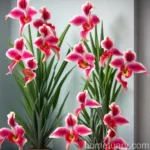
Gladiolus ‘Violetta’ (Sword-Lily) – A Complete Guide
Gladiolus ‘Violetta’, also known as the Sword-Lily, is a vibrant and graceful flowering plant that is favored for its elegant sword-shaped leaves and stunning, multi-colored blooms. This perennial plant is a popular choice for gardens, containers, and floral arrangements, adding a touch of beauty and sophistication to any setting.
What is Gladiolus ‘Violetta’ (Sword-Lily)?
Gladiolus ‘Violetta’ belongs to the Gladiolus genus, which consists of around 260 species of flowering plants native to South Africa, Mediterranean Europe, and Asia. The name “Gladiolus” is derived from the Latin word “gladius,” which means sword, and is a reference to the shape of its leaves. The ‘Violetta’ cultivar is particularly prized for its vibrant violet and purple hues, making it a stunning addition to any garden or floral arrangement.
Key Takeaways – Gladiolus ‘Violetta’ (Sword-Lily)
This comprehensive guide will provide a deep dive into the characteristics, care tips, cultivation, uses, and maintenance of Gladiolus ‘Violetta’. From nurturing this plant to understanding its various applications, this guide will serve as a valuable resource for both novice and seasoned gardeners.
Plant Characteristics
- Gladiolus ‘Violetta’ Characteristics:
- Gladiolus ‘Violetta’ is a showy and elegant flowering plant known for its striking sword-like foliage and vibrant violet and purple flowers.
- The plant can reach a height of 3 to 4 feet, contributing to its commanding presence in gardens and floral displays.
-
The flowers bloom in graceful spikes and are available in a range of colors, including pink, purple, red, yellow, and white, often with intricate patterns and markings.
-
Sword-Lily Plant Description:
- Gladiolus ‘Violetta’ features long, lance-shaped leaves arranged in a fan-like manner at the base of the plant.
- The flowers emerge from tall, erect spikes, creating a stunning visual impact.
- The plant’s strong and erect habit adds to its stately appearance in the garden.
Gladiolus ‘Violetta’ Care Tips
- Growing Sword-Lily Plants:
- Gladiolus ‘Violetta’ is a relatively low-maintenance plant, making it suitable for both beginner and experienced gardeners.
- The plant thrives in well-drained soil and requires ample sunlight for optimal growth and flowering.
-
When planting Gladiolus ‘Violetta’ bulbs, ensure that they are positioned about 6 inches deep and spaced 6 to 8 inches apart to allow for proper growth and development.
-
Gladiolus ‘Violetta’ Cultivar:
- ‘Violetta’ is a specific cultivar of Gladiolus that is cherished for its rich violet and purple blooms.
-
This cultivar is a favorite choice for floral arrangements, adding a touch of elegance and color to bouquets and centerpieces.
-
Sword-Lily Flower Arrangement Ideas:
- The striking blooms of Gladiolus ‘Violetta’ make it an ideal choice for creating stunning floral arrangements.
-
The long spikes of the flowers add height and drama to bouquets and floral displays, making them a popular addition to cut flower arrangements and event decorations.
-
Gladiolus ‘Violetta’ Varieties:
- Apart from the ‘Violetta’ cultivar, Gladiolus comes in a wide array of varieties, offering an extensive palette of colors and patterns.
-
Varieties such as ‘Green Star’, ‘Black Beauty’, and ‘Plum Tart’ showcase the diversity of this beloved plant, allowing for an assortment of visual effects in gardens and floral designs.
-
Sword-Lily Planting Guide:
- When planting Gladiolus ‘Violetta’, choose a location with well-draining soil and ample sunlight.
-
The planting depth and spacing are critical factors in ensuring the healthy growth and flowering of the plant.
-
Gladiolus ‘Violetta’ Bulbs:
- The bulbs of Gladiolus ‘Violetta’ should be firm and free from any signs of rot or damage when planting.
-
Healthy bulbs are essential for the successful establishment of the plant and the development of robust foliage and flowers.
-
Sword-Lily Maintenance:
- Beyond the initial planting, regular maintenance tasks such as watering, fertilizing, and deadheading are essential for keeping Gladiolus ‘Violetta’ in prime condition.
-
Deadheading spent blooms encourages the plant to redirect its energy into producing new flowers, extending the bloom period.
-
Gladiolus ‘Violetta’ Bloom Time:
- Gladiolus ‘Violetta’ typically blooms in the summer, adding a burst of color to the garden when many other plants are in full bloom.
- The impressive bloom time of Gladiolus ‘Violetta’ contributes to its popularity in both gardens and floral arrangements.
Cultivation
-
Sword-Lily Gardening Tips:
- When cultivating Gladiolus ‘Violetta’, consider incorporating them into mixed borders or planting them in groups for a stunning visual impact.
- Mixing different flower bulbs and perennials can create a dynamic and colorful garden landscape.
-
Gladiolus ‘Violetta’ Colors:
- The color range of Gladiolus ‘Violetta’ spans from rich violets and purples to lighter shades, offering a spectrum of options for gardeners and floral enthusiasts.
-
Sword-Lily Cutting Flowers:
- Gladiolus ‘Violetta’ blooms are especially well-suited for cut flower arrangements, bringing an element of elegance and sophistication to indoor displays.
- When using Gladiolus ‘Violetta’ in floral arrangements, cutting the spikes at an angle and placing them in water can help prolong their vase life and maintain their striking appearance.
-
Gladiolus ‘Violetta’ Hybrid:
- The breeding and hybridization of Gladiolus have resulted in an extensive range of cultivars, each with its own unique characteristics and appeal.
- Hybrids often exhibit enhanced traits such as larger blooms, unique colors, and greater resistance to pests and diseases.
-
Sword-Lily Watering Requirements:
- Adequate and consistent watering is crucial for the optimal growth and flowering of Gladiolus ‘Violetta’.
- The soil should be kept moderately moist, but not waterlogged, to prevent rot and other water-related issues.
Uses
-
Gladiolus ‘Violetta’ – Landscape Uses:
- Gladiolus ‘Violetta’ can be used to create stunning focal points in garden beds and borders, adding vertical interest and vibrant color to the landscape.
- When combined with other flowering plants, the Sword-Lily can contribute to visually captivating and harmonious garden designs.
-
Sword-Lily Soil Preferences:
- Well-draining soil that is rich in organic matter is ideal for cultivating Gladiolus ‘Violetta’.
- The soil should be loose and friable to allow for proper root development and prevent waterlogging.
- Incorporating compost or well-rotted manure into the soil can significantly enhance its structure and fertility.
-
Gladiolus ‘Violetta’ Fragrance:
- While Gladiolus ‘Violetta’ is not known for its fragrance, its visual appeal and striking presence make it a sought-after addition to gardens and floral arrangements.
- Gardeners often prioritize the aesthetic impact of the plant and its ability to attract pollinators and wildlife.
-
Sword-Lily Companion Plants:
- When planning the layout of a garden, consider pairing Gladiolus ‘Violetta’ with companion plants that complement its colors and height.
- Plants such as dahlias, lilies, and salvias can serve as excellent companions, creating visually pleasing combinations and maximizing the overall impact of the garden design.
-
Gladiolus ‘Violetta’ Pruning Techniques:
- Pruning spent flowers and damaged foliage helps to maintain the overall health and appearance of Gladiolus ‘Violetta’.
- Regular pruning also prevents the plant from expending unnecessary energy on seed production, directing its resources towards growth and new flower formation.
Maintenance and Propagation
-
Sword-Lily Propagation Methods:
- Propagating Gladiolus ‘Violetta’ can be accomplished through division and the collection of offsets or cormlets.
- Dividing established clumps of Gladiolus ‘Violetta’ allows for the creation of new plantings, enabling gardeners to expand their displays and share the beauty of the plant with others.
-
Gladiolus ‘Violetta’ Growth Habits:
- Understanding the growth habits of Gladiolus ‘Violetta’ is essential for effective maintenance and ensuring the plant’s long-term vitality.
- The plant’s growth pattern, including the emergence of new shoots and development of flower spikes, influences the timing and frequency of maintenance tasks such as watering and fertilization.
-
Sword-Lily Mulching Benefits:
- Applying a layer of organic mulch around Gladiolus ‘Violetta’ can help conserve soil moisture and suppress weed growth.
- Mulching also contributes to the improvement of soil structure and fertility over time, creating a favorable environment for the healthy development of the plant.
-
Gladiolus ‘Violetta’ in Containers:
- Growing Gladiolus ‘Violetta’ in containers offers an opportunity to showcase the plant’s beauty in a versatile and space-saving manner.
- Container cultivation allows for greater control over the plant’s growing conditions, making it a popular choice for gardeners with limited outdoor space.
-
Sword-Lily Winter Care:
- In regions with cold winters, providing appropriate winter care is crucial for the survival of Gladiolus ‘Violetta’.
- Taking measures such as lifting and storing the bulbs during the winter months helps protect them from freezing temperatures and ensures their vigor for the following growing season.
Common Diseases and Pests
-
Gladiolus ‘Violetta’ Common Diseases:
- Gladiolus ‘Violetta’ is susceptible to certain diseases, including botrytis, rust, and various fungal infections.
- Recognizing the symptoms of these diseases and taking prompt measures for control is essential for protecting the plant and preventing the spread of infections.
-
Disease Diagnosis:
- Identifying the specific symptoms and visual cues associated with common diseases helps in accurate diagnosis and targeted treatment interventions.
- Early detection and appropriate management strategies are crucial for minimizing the impact of diseases on the overall health and vigor of Gladiolus ‘Violetta’.
-
Common Pests:
- Pests such as thrips, aphids, and spider mites can pose a threat to the health and appearance of Gladiolus ‘Violetta’.
- Monitoring the plant for signs of pest infestation and implementing integrated pest management practices are effective approaches for keeping pests at bay and safeguarding the plant.
Botanist’s Tips
-
Fun Facts:
- Gladiolus ‘Violetta’ is a versatile plant that has been cherished for centuries, with its vibrant blooms and distinctive foliage often featured in art, literature, and cultural symbolism.
- The plant’s rich history and timeless appeal contribute to its enduring popularity in gardens around the world.
-
Botanist’s Tips:
- When cultivating Gladiolus ‘Violetta’, prioritize the provision of well-drained soil, adequate sunlight, and regular maintenance practices for optimal growth and flowering.
- Collecting and storing Gladiolus ‘Violetta’ bulbs after the flowering season is essential for preserving their vitality and ensuring a robust display in the subsequent year.
Links to External Resources
-
External Resources:
- The American Gladiolus Society – The official website of the American Gladiolus Society provides valuable insights into the cultivation and appreciation of Gladiolus.
- Royal Horticultural Society (RHS) – The RHS website offers a wealth of information on gardening, including guidance on growing Gladiolus ‘Violetta’ and other garden plants.
-
Plant Name: “Gladiolus ‘Violetta’ (Sword-Lily)”
In conclusion, Gladiolus ‘Violetta’ (Sword-Lily) is a captivating and versatile plant that adds a touch of elegance and vibrancy to gardens, floral arrangements, and indoor displays. With its striking blooms, graceful foliage, and relatively straightforward care requirements, it remains a popular choice for gardeners and floral enthusiasts alike. By understanding and implementing the various care tips, cultivation techniques, and maintenance practices outlined in this comprehensive guide, individuals can successfully cultivate and appreciate the timeless beauty of Gladiolus ‘Violetta’.
Whether adorning a garden bed or featured in a stunning floral arrangement, Gladiolus ‘Violetta’ stands as a testament to the enduring allure of ornamental plants and the joy they bring to both gardeners and admirers of natural beauty.