Pikkutalvio (Vinca Minor)
Pikkutalvio (Vinca Minor) is a charming and versatile plant that is beloved by gardeners for its ability to thrive in various conditions and its beautiful.
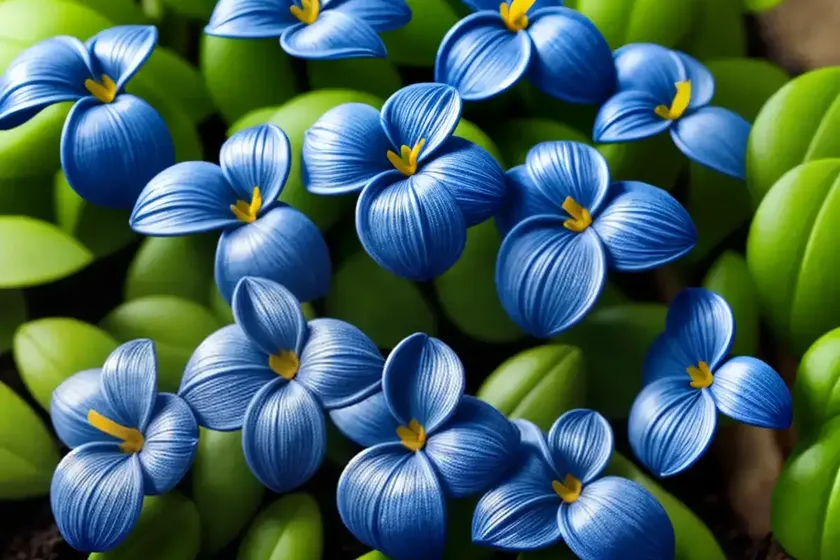
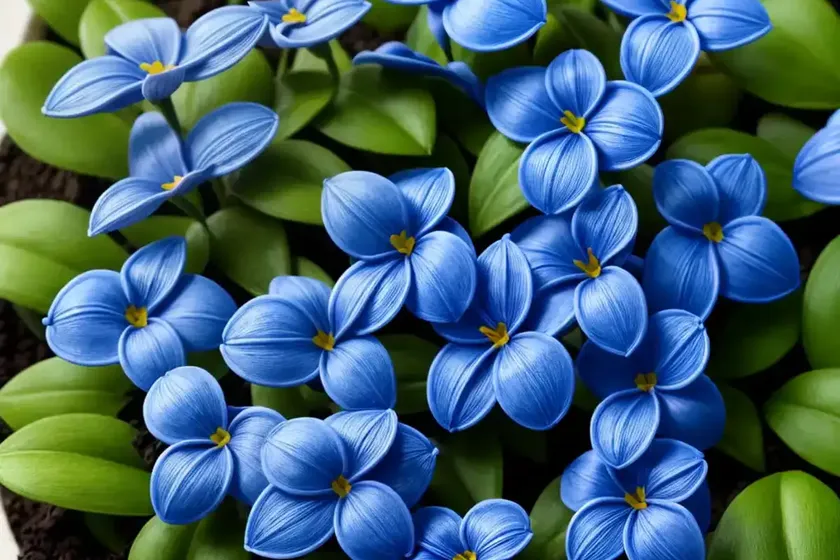
Pikkutalvio (Vinca Minor) is a charming and versatile plant that is beloved by gardeners for its ability to thrive in various conditions and its beautiful trailing growth. In this comprehensive guide, we will explore the ins and outs of cultivating and caring for Pikkutalvio, from its cultural significance to practical tips for ensuring its optimal growth.
What is Pikkutalvio (Vinca Minor)?
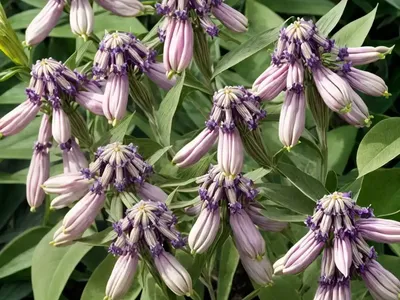
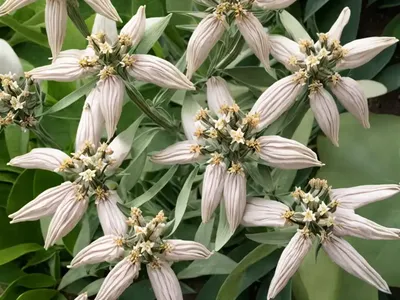
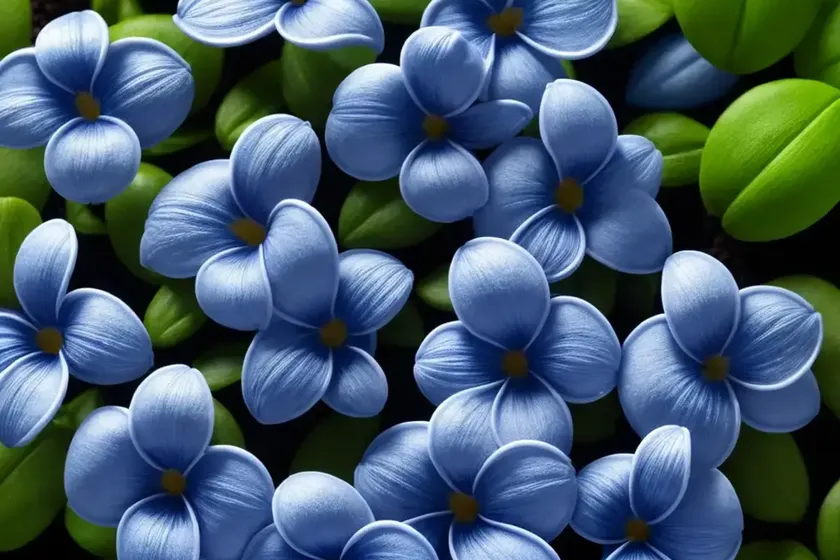
Pikkutalvio, also known as Vinca Minor or common periwinkle, is a species of flowering plant in the family Apocynaceae. Native to parts of central and southern Europe, as well as southwestern Asia, it has become widely naturalized and is cultivated in many regions around the world. Pikkutalvio is prized for its graceful vines, glossy green leaves, and charming blue or purple flowers, making it a popular choice for ground cover and ornamental planting.
Key Takeaways – Pikkutalvio (Vinca Minor)
Before diving into the specifics of cultivating and caring for Pikkutalvio, it’s essential to understand the key attributes and considerations that define this plant. Here are some crucial takeaways about Pikkutalvio:
- Pikkutalvio is a resilient ground cover plant with trailing growth and attractive flowers.
- It is commonly used for erosion control, landscaping, and as a low-maintenance ornamental plant.
- Pikkutalvio requires minimal maintenance once established and is relatively tolerant of various growing conditions.
- While it has numerous positive attributes, it is crucial to understand its cultural requirements and potential challenges for successful cultivation.
Now that we have a foundational understanding of Pikkutalvio, let’s delve into the specifics of how to care for and cultivate this versatile plant.
Culture
Cultivating Pikkutalvio successfully requires a nuanced understanding of its cultural needs, including water, sunlight, soil, and fertilization requirements. When providing the right growing conditions, Pikkutalvio can thrive and contribute to a visually striking landscape. Let’s explore the various cultural aspects of growing Pikkutalvio.
Water
Pikkutalvio is relatively adaptable to different moisture levels, making it suitable for various garden settings. However, it thrives best in moist, well-drained soil. During the initial establishment phase, regular watering is essential to promote root development and ensure healthy growth. Once established, Pikkutalvio exhibits moderate drought tolerance, although it still benefits from occasional watering during dry spells, particularly in hot climates.
Sunlight
When it comes to sunlight requirements, Pikkutalvio displays versatility, being able to tolerate both full sun and partial shade. In hot climates, providing some protection from intense midday sun can help prevent leaf scorching and maintain optimal growth. In contrast, in cooler regions, Pikkutalvio can adapt to shaded areas, making it a versatile choice for diverse garden environments. It is essential to strike a balance in sun exposure based on the local climate and specific site conditions.
Fertilizer
Pikkutalvio generally thrives without requiring heavy fertilization. When planting, incorporating organic matter or a balanced, slow-release fertilizer into the soil can provide essential nutrients for early growth. However, excessive fertilization can lead to vigorous vegetative growth at the expense of flowering. As a low-maintenance plant, Pikkutalvio benefits from occasional applications of a balanced fertilizer in spring to support healthy foliage and flower production.
Soil
Understanding the soil preferences of Pikkutalvio is crucial for establishing a thriving planting environment. It prefers well-drained, moderately fertile soil with a slightly acidic to neutral pH (6.0-7.5). Additionally, soil that retains some moisture without becoming waterlogged is ideal for supporting healthy root development and sustained growth. Incorporating organic matter into the soil can improve its texture and fertility, creating an optimal habitat for Pikkutalvio.
Pruning
Pruning plays a vital role in maintaining the health and appearance of Pikkutalvio. Regular pruning helps control its growth, encourage bushier foliage, and prevent the plant from becoming invasive. Here are some essential considerations for pruning Pikkutalvio:
- Deadheading: Removing spent flowers promotes continuous blooming and prevents the plant from self-seeding excessively.
- Thinning: Periodically thinning out crowded or leggy growth rejuvenates the plant and allows for better air circulation, reducing the risk of disease.
Propagation
Pikkutalvio is relatively easy to propagate through various methods, including division, stem cuttings, and layering. Propagating Pikkutalvio allows for the expansion of its planting area while ensuring the preservation of desired traits. Here are the primary propagation methods for Pikkutalvio:
- Division: Dividing mature plants in early spring or fall can yield new, healthy specimens with minimal effort.
- Stem Cuttings: Taking stem cuttings in the spring and rooting them in a suitable growing medium can produce new plants with genetic consistency.
- Layering: Encouraging the stems of Pikkutalvio to root while still attached to the parent plant can create natural, self-sustaining new growth.
Container Popularity
Pikkutalvio’s compact growth habit and low-maintenance nature make it well-suited for container gardening. Its cascading foliage and charming blooms make it a popular choice for adorning outdoor spaces, balconies, and patios. When selecting containers for Pikkutalvio, ensure they provide adequate drainage and sufficient space for the plant’s root system to thrive.
Common Diseases
While generally resistant to many pests and diseases, Pikkutalvio may occasionally face certain health issues that can impact its growth and appearance. Understanding common diseases and their management strategies is essential for maintaining the plant’s vitality. Some common diseases that may affect Pikkutalvio include:
- Leaf Spot: Fungal infections can cause unsightly lesions on the plant’s foliage, affecting its overall aesthetic appeal.
- Canker: This bacterial disease can lead to sunken lesions on the stems, potentially causing dieback and weakening the plant’s structure.
Disease Diagnosis
Diagnosing diseases in Pikkutalvio involves careful observation of symptoms and potential causal factors. Here are essential steps in diagnosing and managing diseases in Pikkutalvio:
- Visual Inspection: Regularly inspecting the plant for any abnormal discoloration, lesions, or signs of stress can help identify disease issues early.
- Environmental Assessment: Consider factors such as moisture levels, air circulation, and soil quality in the plant’s immediate environment to identify potential triggers for disease development.
Common Pests
Pests can pose a threat to the health of Pikkutalvio, particularly in conditions that favor their proliferation. By being vigilant and implementing preventive measures, you can effectively manage common pests that may impact Pikkutalvio. Some typical pests that may affect Pikkutalvio include:
- Aphids: These small insects feed on the plant’s sap, potentially causing distortion of new growth and the transmission of viral diseases.
- Spider Mites: These arachnids can inflict damage by feeding on the plant’s cells, leading to stippling and webbing on the foliage.
Botanist’s Tips
As a plant scientist with expertise in cultivating Pikkutalvio, here are some additional insights and tips for achieving successful growth and maintenance of this versatile plant:
- Cultural Adaptability: Pikkutalvio’s adaptability to varied growing conditions makes it suitable for a range of landscape settings, from sunny borders to shaded woodland areas.
- Companion Planting: Pairing Pikkutalvio with companions that complement its growth habits and cultural preferences can enhance its visual appeal and ecological benefits.
- Environmental Stewardship: Being mindful of invasiveness concerns and managing Pikkutalvio responsibly in naturalized settings can help preserve native ecosystems and prevent unintended ecological impacts.
Fun Facts
- The name “Pikkutalvio” translates to “small periwinkle” in Finnish, aptly describing the plant’s diminutive flowers and trailing growth habit.
- Pikkutalvio has a long history of medicinal use, with extracts from the plant being employed in traditional herbal remedies for various ailments.
Links to External Resources
For further information on Vinca Minor care and cultivation, the following external resources provide valuable insights and guidance:
- Royal Horticultural Society – Growing Vinca Minor
- University of Florida IFAS Extension – Vinca Minor for Ground Cover
- Missouri Botanical Garden – Vinca Minor Overview
- American Society for the Prevention of Cruelty to Animals – Vinca Minor Toxicity Information
In conclusion, Pikkutalvio (Vinca Minor) is a delightful and adaptable plant that holds a special place in gardeners’ hearts for its resilience and aesthetic appeal. By understanding its cultural requirements, maintenance strategies, and potential challenges, you can create an environment where Pikkutalvio flourishes and enhances your outdoor spaces with its enchanting presence.
References:
1. Royal Horticultural Society. “Growing Vinca Minor.” https://www.rhs.org.uk/advice/profile?PID=302
2. University of Florida IFAS Extension. “Vinca Minor for Ground Cover.” https://gardeningsolutions.ifas.ufl.edu/plants/ornamentals/periwinkles.html
3. Missouri Botanical Garden. “Vinca Minor Overview.” https://www.missouribotanicalgarden.org/PlantFinder/PlantFinderDetails.aspx?taxonid=279217&isprofile=0&
4. American Society for the Prevention of Cruelty to Animals. “Vinca Minor Toxicity Information.” https://www.aspca.org/pet-care/animal-poison-control/toxic-and-non-toxic-plants/vinca-minor