Japanese Yew (Taxus cuspidata ‘Capitata’) – A Complete Guide
Plants play a crucial role in our environment. They not only provide us with oxygen and food but also contribute to the natural beauty of our surroundings. One such captivating plant is the Japanese yew, scientifically known as Taxus cuspidata ‘Capitata’. This evergreen shrub has gained popularity due to its versatility in landscaping, from hedges to focal points. In this comprehensive guide, we will delve into the various aspects of this fascinating plant, ranging from its cultural requirements to common diseases and pests, and provide insights and tips for its growth and maintenance.
What is Japanese Yew?
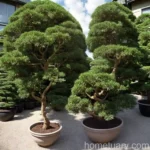
The Japanese yew, or Taxus cuspidata ‘Capitata’, is a species native to Japan, Korea, northeast China, and the Russian Far East. It is a slow-growing, dense, and evergreen shrub, belonging to the Taxaceae family. This plant is known for its upright growth habit, making it an excellent choice for landscaping, including hedges, screens, borders, and foundation plantings.
Key Takeaways – Japanese Yew (Taxus cuspidata ‘Capitata’)
Culture
- Hardiness: Japanese yew is considered hardy in USDA hardiness zones 4-7.
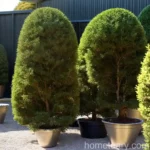
- Growth Habit: It exhibits an upright, columnar growth habit, making it an ideal choice for vertical landscaping elements.
- Toxicity: All parts of the Japanese yew, including the seeds, are highly toxic if ingested. It should be handled with care, especially around children and pets.
Uses
- Landscaping: Japanese yew is prized for its versatility in landscape design, often used for hedges, screens, borders, and as a focal point in garden designs.
- Privacy: Due to its dense foliage, it serves as an excellent privacy screen when used as a hedge or border plant.
Water
- Requirements: Japanese yew prefers well-drained soil and moderate watering. It is essential to avoid waterlogged conditions to prevent root rot.
Sunlight
- Sun Requirements: While Japanese yew can tolerate partial shade, it thrives in full sunlight. It’s important to provide adequate sunlight for optimal growth and dense foliage.
Fertilizer
- Fertilization: Japanese yew benefits from an annual application of a balanced, slow-release fertilizer in the spring to support healthy growth.
Soil
- Soil Conditions: It prefers slightly acidic to neutral soil with good drainage. Amending heavy clay soils with organic matter is advisable.
Pruning
- Pruning Techniques: Regular pruning is essential to maintain the desired shape and size. Avoid severe pruning of old wood, as Japanese yew has limited ability to regenerate from old stems.
Propagation
- Propagation: Japanese yew can be propagated from cuttings, which should be taken in late spring or early summer. Proper care should be exercised due to its toxicity.
Container Popularity
- Container Gardening: Japanese yew is suitable for container gardening, allowing for flexibility in landscaping and design.
Common Diseases
- Disease Resistance: Japanese yew is relatively resistant to diseases, but it can be susceptible to root rot in waterlogged conditions.
Common Pests
- Pest Resistance: It is generally resistant to pests, but spider mites and scale insects may infest the plant.
Botanist’s Tips
- Winter Care: Protect the plant from heavy snow accumulation and harsh winter winds, especially in colder regions.
Fun Facts
- Longevity: Japanese yew is known for its longevity, and some specimens are estimated to be over 1,000 years old in their native habitats.
With a clear understanding of the culture, uses, and maintenance requirements of Japanese yew, let’s explore each aspect in detail to ensure the successful growth and care of this captivating evergreen shrub.
Japanese Yew – Culture
Japanese Yew Growing Zones
Japanese yew, Taxus cuspidata ‘Capitata’, is well-suited for growing in USDA hardiness zones 4 to 7, making it adaptable to a wide range of climates and temperatures.
The hardiness zones provide a useful guide in determining which plants are most likely to thrive at a location, considering the average annual minimum winter temperature.
Uses of Japanese Yew
Japanese Yew in Landscaping
Japanese yew is highly valued for its versatility in various landscaping applications due to its dense, dark green foliage and attractive growth habit. Some common uses include:
- Hedges and Screens: Its dense foliage and ability to tolerate heavy pruning make it an ideal choice for creating formal hedges that provide privacy and structure in the garden.
- Borders and Foundation Plantings: Japanese yew adds a formal and elegant touch when used to define borders or planting beds around buildings, walkways, or driveways.
- Focal Point in Garden Design: Its upright growth habit and dense foliage make it an appealing focal point in garden designs, especially when seeking vertical accents.
Privacy with Japanese Yew
The dense, evergreen nature of Japanese yew makes it an excellent choice for creating privacy screens and hedges in residential and commercial landscapes. When used as a privacy barrier, it provides year-round coverage, creating a secluded and intimate space within the garden.
Water Requirements for Japanese Yew
Proper watering is essential for the health and vitality of Japanese yew, as it impacts the plant’s ability to establish itself, resist diseases, and maintain its ornamental quality.
Watering Guidelines
- Establishment Period: Newly planted Japanese yew should be watered regularly, ensuring the root ball remains consistently moist, but not waterlogged, until it becomes established.
- Mature Plants: Once established, Japanese yew typically requires moderate watering. Water deeply and less frequently to encourage deep root growth and drought tolerance.
Sunlight Requirements for Japanese Yew
Japanese yew exhibits versatility in its light requirements, being adaptable to both full sun and partial shade. However, the ideal growing conditions for this evergreen shrub involve providing adequate sunlight.
Ideal Sun Exposure
- Full Sun: Japanese yew thrives in full sunlight, receiving a minimum of 6 hours of direct sunlight daily, resulting in dense foliage and optimal growth.
- Partial Shade: While it can tolerate partial shade, it may lead to reduced vigor and less dense foliage compared to those in full sun.
Fertilizing Japanese Yew
Fertilization plays a crucial role in maintaining the vigor and health of Japanese yew. A balanced fertilizer application provides essential nutrients for strong growth and vibrant foliage.
Fertilizer Recommendations
- Timing: Apply a balanced, slow-release fertilizer in early spring before new growth begins, ensuring the nutrients are available as the plant enters its active growth phase.
- Rate: Follow the recommended application rates based on the fertilizer’s label instructions.
- Avoid Overfertilization: Excessive fertilization can lead to salt buildup, root damage, and potential nutrient imbalances. Always follow the recommended guidelines.
Soil Conditions for Japanese Yew
Good soil conditions are essential for the successful cultivation of Japanese yew, contributing to its nutrient uptake, root development, and overall plant health.
Ideal Soil Characteristics
- Drainage: Japanese yew prefers soil with good drainage to prevent waterlogged conditions, which can lead to root rot.
- pH Level: It thrives in slightly acidic to neutral soil with a pH range of 6.0 to 7.5. Conduct a soil test to determine the pH of the planting site and make necessary amendments.
- Soil Amendments: Amending heavy clay soils with organic matter, such as compost or peat moss, improves soil structure and drainage.
Pruning Techniques for Japanese Yew
Proper and timely pruning is key to maintaining the desired shape, size, and overall health of Japanese yew. Understanding the pruning techniques assists in fostering vigorous growth and a well-maintained appearance.
Pruning Guidelines
- Timing: Prune Japanese yew in late winter or early spring before new growth emerges to shape the plant and encourage new growth.
- Moderate Pruning: Avoid severe pruning of old wood, as Japanese yew has limited ability to regenerate from old stems. Instead, focus on light, regular pruning to maintain its form.
Propagation of Japanese Yew
The propagation of Japanese yew can be achieved through various methods, including cuttings and seeds. However, caution should be exercised due to the plant’s toxicity, and protective measures should be taken while handling it.
Propagation Techniques
- Cuttings: Propagate Japanese yew from stem cuttings taken in late spring to early summer. Select healthy, semi-hardwood cuttings and provide the appropriate environmental conditions for successful rooting.
- Seed Propagation: While Japanese yew produces seeds, their germination can be slow and erratic. Propagating from cuttings is often the preferred method due to its reliability and compatibility with maintaining specific cultivars.
Popularity of Japanese Yew in Containers
Japanese yew possesses the versatility to thrive in containers, making it an ideal choice for container gardening and landscape designs that require adaptable and mobile plants.
Container Gardening Tips
- Container Selection: Choose a container that provides adequate space for root development, considering the mature size of the Japanese yew. Ensure it has drainage holes to prevent waterlogging.
- Soil Medium: Fill the container with a well-draining, high-quality potting mix to provide the necessary support and nutrients for the plant.
- Maintenance: Regularly check the moisture levels and provide water as needed. Fertilize as per the requirements of the specific cultivar.
Common Diseases of Japanese Yew
While Japanese yew is generally resistant to diseases, certain conditions may lead to the development of issues such as root rot, which can impact the plant’s health and vitality.
Disease Resistance
- Root Rot: Avoid waterlogged conditions to prevent the onset of root rot, which can lead to wilting, yellowing foliage, and potential plant decline. Proper soil drainage is crucial in preventing this issue.
Common Pests Affecting Japanese Yew
Japanese yew is relatively resistant to pest infestations but may occasionally be affected by pests such as spider mites and scale insects.
Pest Management
- Spider Mites: Keep a check on the undersides of the foliage for signs of spider mite infestations, such as stippling and webbing. Use insecticidal soap or horticultural oils to manage the infestation.
- Scale Insects: These pests may appear as small, raised bumps on the stems and foliage. Control measures include the physical removal of the insects and, if necessary, the application of horticultural oils.
Botanist’s Tips for Japanese Yew Care
Botanical insights and specialized tips are valuable in ensuring the successful care and maintenance of Japanese yew, promoting its health, vigor, and ornamental value.
Winter Care
- Snow Load: Protect Japanese yew from heavy snow accumulation by gently shaking off the excess snow to prevent bending or breakage of branches.
- Winter Winds: In colder regions, provide protection from harsh winter winds to safeguard the foliage from desiccation and damage.
Fun Facts About Japanese Yew
Longevity
Japanese yew is known for its longevity, and some specimens in their native habitats are estimated to be over 1,000 years old, adding to the plant’s allure and mystique.
With a profound understanding of the culture, care, and unique characteristics of Japanese yew, there is a wealth of information for ensuring its successful growth and vibrant presence in various landscape settings.
Links to External Resources
- Taxus cuspidata ‘Capitata’ – Missouri Botanical Garden
- Japanese Yew – Oregon State University Extension Service
In conclusion, the Japanese yew (Taxus cuspidata ‘Capitata’) represents an exceptional addition to landscape designs, offering elegance, versatility, and enduring beauty. Its ability to thrive in various environmental conditions and its contribution to privacy, structure, and visual appeal make it a coveted choice for garden enthusiasts and landscape professionals alike.