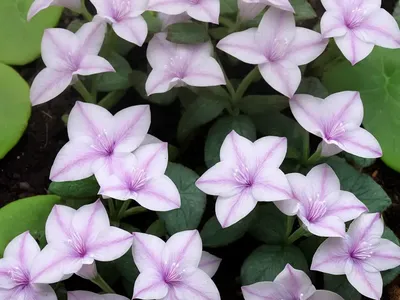
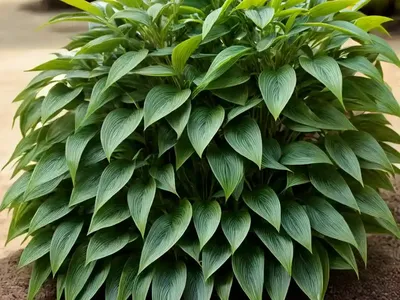
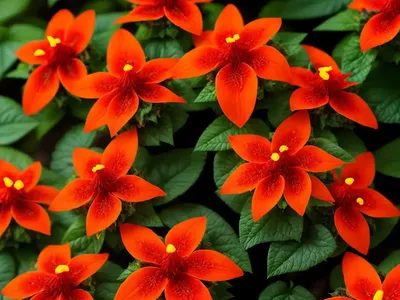
Mexican Petunia (Ruellia Simplex ‘Katie’)
As a plant scientist, it is essential to delve into the specifics of various plant species to understand their needs, characteristics, and optimal.
Introduction
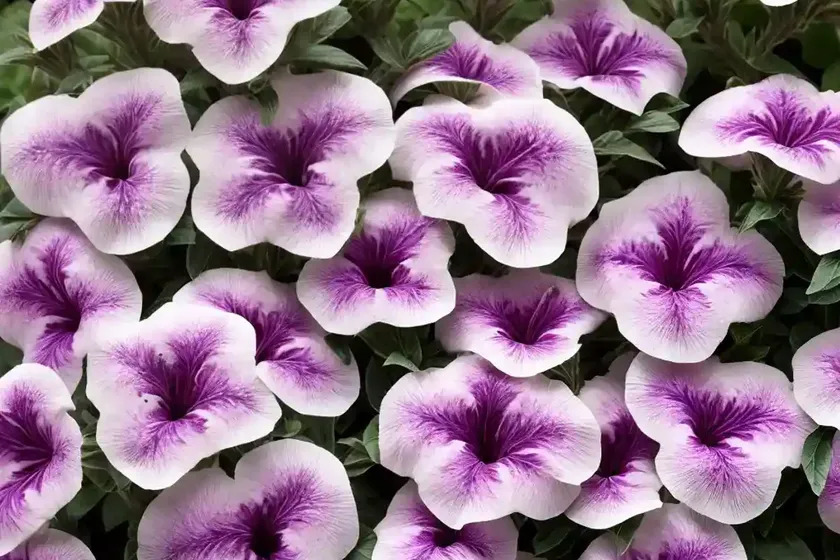
As a plant scientist, it is essential to delve into the specifics of various plant species to understand their needs, characteristics, and optimal conditions for growth. In this blog post, we will explore the Mexican petunia (Ruellia simplex ‘Katie’), a popular and charming plant known for its vibrant flowers and adaptability to diverse environments.
What is the Mexican Petunia (Ruellia simplex ‘Katie’)?
The Mexican petunia, also scientifically known as Ruellia simplex ‘Katie’, is a perennial flowering plant that belongs to the Acanthaceae family. Originating from Mexico and South America, this plant has gained popularity for its ability to thrive in various conditions and its striking blossoms.
Key Takeaways – Mexican Petunia (Ruellia simplex ‘Katie’)
Here are the key takeaways that we will cover in this comprehensive care guide:
1. Mexican petunia culture
2. Uses of Mexican petunia
3. Water requirements
4. Sunlight preferences
5. Fertilization needs
6. Soil preferences
7. Pruning techniques
8. Propagation methods
9. Container gardening with Mexican petunia
10. Popularity and common uses
11. Common diseases and their diagnosis
12. Management of common pests
13. Botanist’s tips for successful growth
14. Fun facts about Mexican petunia
15. Links to external resources for further information
Now, let’s dive into each of these aspects to gain a comprehensive understanding of how to care for Mexican petunia.
Mexican Petunia Culture
Understanding the cultural requirements of Mexican petunia is crucial for ensuring its optimal growth and health. This plant can thrive in a variety of settings and is known for its adaptability.
Uses
Before delving into the care specifics, it’s important to understand the uses and benefits of Mexican petunia in various settings. This plant can serve the following purposes:
– Ornamental landscaping in gardens and public spaces
– Ground cover in open areas
– Floral arrangements due to its vibrant blossoms
– Pollinator attractant, supporting biodiversity
Given its versatility, Mexican petunia can be utilized in numerous ways to enhance the aesthetics and ecological value of different environments.
Water
Proper watering is essential for the healthy growth of Mexican petunia. Understanding the water requirements of this plant is crucial for avoiding both drought stress and waterlogging, which can negatively impact its vigor and flower production.
It is important to maintain consistently moist soil for Mexican petunia, particularly during its active growth period. However, it’s equally important to ensure good drainage to prevent waterlogged conditions that can lead to root rot.
Sunlight
Mexican petunia thrives in full sun to partial shade conditions. Providing adequate sunlight is essential for promoting flowering and maintaining the plant’s overall vigor. When planted in regions with hot climates, partial shade during the hottest part of the day can be beneficial.
Fertilizer
To support healthy growth and prolific flowering, Mexican petunia benefits from regular fertilization. A balanced, all-purpose fertilizer can be applied during the growing season to provide the necessary nutrients for robust development and abundant blooms.
Soil
Mexican petunia prefers well-draining soil with a slightly acidic to neutral pH. It can adapt to a range of soil types, including sandy, loamy, and clay soils, as long as they offer good drainage. Amending the soil with organic matter can further enhance its suitability for Mexican petunia cultivation.
Pruning
Pruning is an essential aspect of Mexican petunia care, contributing to its overall appearance and vitality. Regular deadheading of spent flowers can prolong the blooming period and encourage the production of new blossoms. Additionally, periodic pruning of overgrown or damaged growth helps maintain the plant’s shape and health.
Propagation
Propagating Mexican petunia can be achieved through various methods, including division, stem cuttings, and seed propagation. Each approach offers its own set of advantages and considerations, allowing growers to select the most suitable method based on their specific circumstances and goals.
Container Gardening
Mexican petunia can thrive in containers, making it a versatile option for gardening in limited spaces. When grown in pots or containers, it’s important to ensure adequate drainage, proper watering, and sufficient sunlight to support the plant’s growth and blooming.
Popularity and Common Uses
Mexican petunia has gained widespread popularity for its versatility, adaptability, and ornamental value. Whether utilized in landscaping, floral arrangements, or container gardening, this plant adds an appealing aesthetic touch to diverse settings.
Common Diseases and Their Diagnosis
As with any plant, Mexican petunia is susceptible to certain diseases that can affect its health and appearance. Recognizing the symptoms of common diseases and promptly addressing them is crucial for maintaining the plant’s vigor and vitality. Common diseases that affect Mexican petunia include:
– Leaf spot
– Powdery mildew
– Root rot
Management of Common Pests
Additionally, Mexican petunia can face challenges from various pests, including aphids, whiteflies, and spider mites. Implementing effective pest management strategies, such as regular inspection, biological controls, and environmentally-friendly pest deterrents, can help protect the plant from pest damage.
Botanist’s Tips
Successful cultivation of Mexican petunia hinges on understanding and implementing key care practices. Here are some valuable tips from botanists to optimize the growth and performance of this plant:
– Ensure proper soil drainage to prevent waterlogging
– Deadhead spent flowers for prolonged blooming
– Monitor for pest and disease issues regularly
– Provide sufficient sunlight for robust growth and blooming
– Utilize organic fertilizers for balanced and sustainable plant nutrition
Fun Facts
To further deepen your appreciation for Mexican petunia, here are some intriguing and delightful fun facts about this plant:
– Mexican petunia is called “Katie” due to its compact growth habit and charming petite flowers.
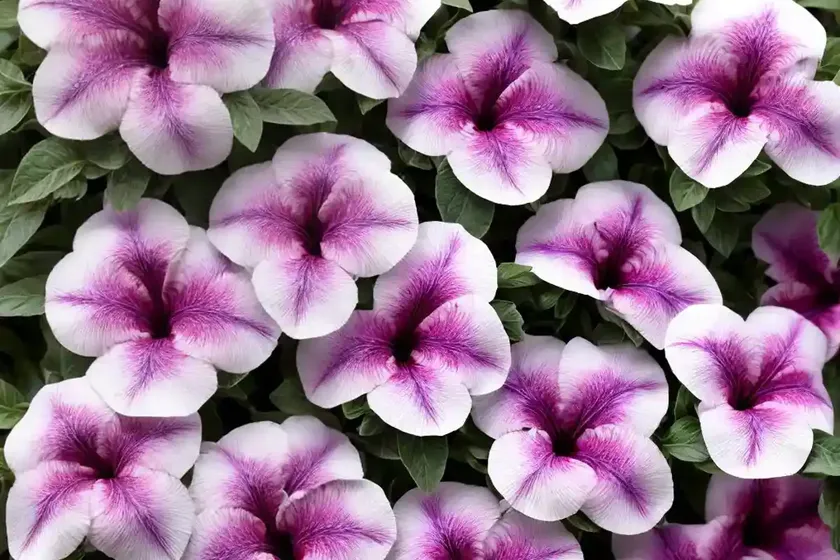
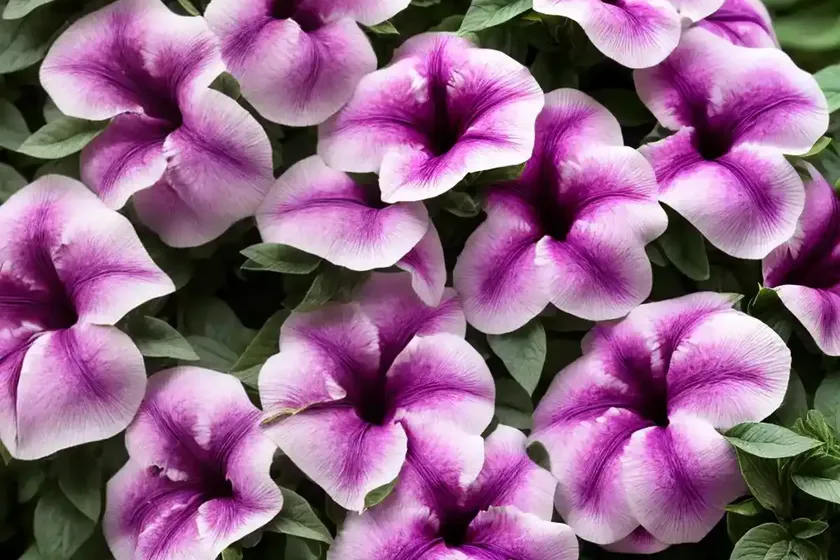
– The plant’s flowers come in various colors, including shades of blue, purple, and pink.
– Mexican petunia is loved by pollinators such as bees and butterflies, contributing to the biodiversity of its surroundings.
Links to External Resources
To expand your knowledge and access additional information about Mexican petunia care and cultivation, here are some valuable external resources:
– The American Society for the Advancement of Ruellia (ASAR)
– Royal Horticultural Society (RHS) – Mexican Petunia Care Guide
– University of Florida – Gardening Solutions: Mexican Petunia
– Missouri Botanical Garden – Ruellia simplex ‘Katie’
By leveraging these external resources, you can access expert insights, practical tips, and comprehensive guidelines to enhance your understanding of Mexican petunia and its care requirements.
In conclusion, Mexican petunia (Ruellia simplex ‘Katie’) is a captivating and adaptable plant that offers ornamental beauty and ecological benefits. By incorporating the insights shared in this comprehensive care guide, you can cultivate and enjoy the vibrant allure of Mexican petunia in various gardening and landscaping settings.