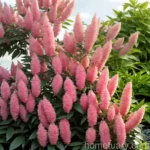
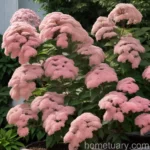
Japanese Spirea (Spiraea japonica ‘Yan’ DOUBLE PLAY GOLD)
Japanese spirea, scientifically known as Spiraea japonica ‘Yan’ DOUBLE PLAY GOLD, is a beautiful flowering shrub that is cherished for its ornamental value in gardens and landscapes. This distinctive plant is characterized by its stunning clusters of small, colorful flowers that adorn its arching branches, creating a captivating display during the growing season.
In this comprehensive guide, we will delve into the various aspects of Japanese spirea, from its cultural requirements and uses to its propagation, common diseases, and maintenance. Whether you are a gardening enthusiast, a professional landscaper, or simply someone who appreciates the beauty of plants, this resource will provide you with valuable insights into the world of Japanese spirea.
What is Japanese Spirea?
Japanese spirea, Spiraea japonica ‘Yan’ DOUBLE PLAY GOLD, is a deciduous shrub belonging to the Rosaceae family and the Spiraea genus. Its botanical name, Spiraea japonica, reflects its origins in Japan, China, and Korea, where it is native to damp, rocky habitats and open woodlands. The plant is renowned for its compact and mounded growth habit, making it a popular choice for borders, mass plantings, and ornamental shrub beds.
The ‘Yan’ DOUBLE PLAY GOLD cultivar is a specific variety of Japanese spirea that is cherished for its exceptional golden foliage and vibrant pink flowers. Its compact size and attractive foliage make it a versatile and eye-catching addition to both residential and commercial landscapes.

Key Takeaways – Japanese Spirea (Spiraea japonica ‘Yan’ DOUBLE PLAY GOLD)
Before we delve into the detailed aspects of Japanese spirea, let’s highlight some key takeaways about this captivating plant:
- Scientific Name: Spiraea japonica ‘Yan’ DOUBLE PLAY GOLD
- Common Name: Japanese Spirea ‘Yan’ Double Play Gold
- Cultivar: ‘Yan’ DOUBLE PLAY GOLD
- Family: Rosaceae
- Genus: Spiraea
- Native to: Japan, China, Korea
- Characteristics: Compact growth habit, golden foliage, pink flowers
- Landscape Uses: Borders, mass plantings, ornamental shrub beds
Now, let’s explore the various aspects of Japanese spirea, including its cultural requirements, uses, maintenance, and more.
Culture
Cultural practices form the foundation of successful plant growth and development. Understanding the specific requirements of Japanese spirea is essential for nurturing healthy and vibrant specimens. Here are some important cultural considerations for Japanese spirea:
Water
Japanese spirea thrives in moist, well-drained soils, particularly during its establishment phase. Adequate water supply is crucial for ensuring healthy growth and prolific flowering. However, it is essential to avoid waterlogged conditions, as excessive moisture can lead to root rot and other detrimental issues.
Watering Tips:
-
Water newly planted Japanese spirea regularly to promote root establishment.
-
During the growing season, provide supplemental watering during periods of drought, especially in regions with hot and dry climates.
-
Implement a watering schedule that allows the soil to dry slightly between watering sessions, preventing waterlogging.
Sunlight
Japanese spirea exhibits its best growth and flowering performance in full sun to partial shade. When positioned in a location that receives ample sunlight, the plant’s foliage remains vibrant, and its flowering potential is maximized. While the cultivar ‘Yan’ DOUBLE PLAY GOLD is known for its golden foliage, adequate sunlight is necessary to maintain its striking coloration.
Sunlight Requirements:
-
Plant Japanese spirea in a location that receives at least 6 hours of direct sunlight each day for optimal growth and bloom production.
-
In regions with intense heat, provide partial shade during the hottest parts of the day to protect the plant from heat stress.
-
Regularly monitor the plant’s sun exposure and make adjustments as necessary to accommodate seasonal changes in sunlight patterns.
Fertilizer
Proper fertilization plays a crucial role in enhancing the vigor and blooming capacity of Japanese spirea. By providing essential nutrients, particularly during the growing season, gardeners can promote lush foliage and abundant flower production. It is important to select a well-balanced fertilizer that caters to the plant’s specific nutritional requirements.
Fertilization Guidelines:
-
Apply a balanced, slow-release fertilizer in early spring before new growth emerges. This helps stimulate healthy growth and prepare the plant for the upcoming flowering season.
-
Refrain from over-fertilizing, as excessive nutrient levels can lead to excessive vegetative growth at the expense of flowering.
-
Monitor the plant’s response to fertilization and adjust the feeding regimen based on its performance and overall health.
Soil
Japanese spirea thrives in fertile, well-drained soils with a slightly acidic to neutral pH range. Soil quality significantly influences the plant’s growth, resilience, and overall vitality. Therefore, gardeners should prioritize soil preparation and amendment to create an optimal growing environment for Japanese spirea.
Soil Considerations:
-
Incorporate organic matter such as compost or well-rotted manure into the soil to improve its structure and fertility.
-
Conduct regular soil tests to assess the pH and nutrient levels, making necessary adjustments based on the plant’s specific requirements.
-
Mulch around the base of Japanese spirea to conserve soil moisture, suppress weed growth, and maintain a uniform soil temperature.
Pruning
Pruning is a fundamental aspect of Japanese spirea maintenance, contributing to the plant’s overall health, appearance, and flowering performance. Proper pruning techniques enable gardeners to shape the shrub, remove dead or diseased wood, and rejuvenate older specimens for continued vitality.
Pruning Guidelines**:
-
Perform light pruning in late winter or early spring to remove any dead or damaged branches and encourage new growth.
-
To promote prolific flowering, prune the plant immediately after the blooming period by removing spent flower clusters.
-
Maintain a balanced and open growth habit by selectively thinning out crowded or crossing branches to enhance air circulation and light penetration.
Propagation
Propagating Japanese spirea allows enthusiasts and horticulturalists to multiply desirable cultivars and expand their plant collections. While the most common method of propagation is through stem cuttings, the plant can also be propagated by division and layering.
Propagation Methods**:
-
Stem Cuttings: Harvest semi-ripe stem cuttings in late spring or early summer, ensuring that each cutting possesses several nodes and healthy leaves. Dip the cut ends in rooting hormone, and place the cuttings in a well-draining potting medium. Maintain high humidity and consistent moisture levels to facilitate root development.
-
Division: Divide mature Japanese spirea plants in early spring before new growth emerges. Gently separate the root mass into multiple sections, ensuring that each division has healthy roots and shoots. Replant the divisions in prepared soil, and provide appropriate care to support their establishment.
-
Layering: Select a low-growing, flexible stem and bend it towards the ground. Make a small incision on the underside of the stem where it contacts the soil, and cover the wounded area with soil or a rooting medium. After the new roots develop, detach the rooted section from the parent plant and transplant it to a desired location.
Container Popularity
Japanese spirea, particularly the ‘Yan’ DOUBLE PLAY GOLD cultivar, is well-suited to container cultivation. Its compact size, ornamental foliage, and vibrant flowers make it an attractive choice for adorning patios, decks, and outdoor living spaces.
Container Gardening Tips:
-
Choose a large container with adequate drainage holes to accommodate the plant’s root system and prevent waterlogging.
-
Select a high-quality potting mix with good water retention and aeration properties to promote healthy growth.
-
Place the container in a location that receives sufficient sunlight, and regularly rotate it to ensure balanced growth on all sides of the plant.
Common Diseases
Despite its resilience, Japanese spirea is susceptible to certain diseases, particularly when grown in unfavorable conditions or subjected to stress factors. Recognizing common diseases and their associated symptoms is essential for implementing timely intervention and preventing extensive damage to the plant.
Disease Diagnosis**:
-
Powdery Mildew: Identified by the presence of powdery white patches on the foliage, powdery mildew can affect Japanese spirea, particularly in humid and poorly ventilated conditions. Fungicidal treatments and improved air circulation help manage this fungal disease.
-
Leaf Spot: Circular lesions with dark borders on the leaves indicate the presence of leaf spot, which can compromise the plant’s vigor and aesthetics. Remove and destroy affected leaves, and consider preventative fungicidal applications during periods of high humidity.
-
Fire Blight: Characterized by wilting, browning, and necrosis of the shoots and foliage, fire blight is a bacterial disease that can affect Japanese spirea. Prune and dispose of infected plant parts, and consider using copper-based fungicides to mitigate the spread of the disease.
Common Pests
In addition to diseases, Japanese spirea is susceptible to certain pests that can impact its health and vitality. Timely pest identification and appropriate management strategies are essential for safeguarding the plant from detrimental infestations.
Pest Management**:
-
Aphids: These small, sap-sucking insects can colonize the tender shoots and foliage of Japanese spirea, leading to distorted growth and diminished plant vigor. Natural predators, such as ladybugs and lacewings, help control aphid populations, and regular insecticidal soap applications provide supplemental control.
-
Spider Mites: Often observed as tiny webbing on the undersides of leaves, spider mites are common pests that can cause stippling and discoloration of the foliage. Boost humidity levels and implement regular water sprays to deter spider mite infestations.
-
Scale Insects: Scale insects appear as immobile, waxy coatings on the stems and branches of Japanese spirea, leading to weakened growth and susceptibility to secondary issues. Apply horticultural oil in the dormant season to suffocate and eliminate scale infestations.
Botanist’s Tips
Based on extensive research and practical experience, botanists have developed valuable insights and recommendations for cultivating and maintaining Japanese spirea. By incorporating these expert tips into your plant care routine, you can enhance the overall health and performance of your Japanese spirea specimens.
Expert Recommendations**:
-
Mulch Application: Apply a 2-3 inch layer of organic mulch around Japanese spirea to conserve soil moisture, suppress weed growth, and promote a uniform soil temperature.
-
Regular Inspection: Routinely inspect the foliage and stems for signs of diseases, pests, or nutrient deficiencies, enabling prompt action to address any emerging issues.
-
Seasonal Care: Tailor your plant care practices to correspond with the seasons, adjusting watering, fertilization, and pruning based on the plant’s specific requirements at different times of the year.
Fun Facts
While Japanese spirea is renowned for its ornamental value and landscape appeal, there are several intriguing and lesser-known facts about this captivating plant. These fun facts offer a glimpse into the unique characteristics and cultural significance of Japanese spirea.
Fascinating Tidbits**:
-
The cultivar ‘Yan’ DOUBLE PLAY GOLD is prized for its remarkable golden foliage, adding a distinctive touch to garden landscapes.
-
Japanese spirea is a favored plant for attracting pollinators, such as bees and butterflies, with its nectar-rich flowers and vibrant colors.
-
In traditional Japanese gardens, Spiraea japonica holds cultural and symbolic value, often representing themes of perseverance and resilience.
Links to External Resources
For further information on Japanese spirea, its cultivation, and maintenance, explore the following external resources:
-
American Horticultural Society – SPIRAEA JAPONICA ‘YAN’ DOUBLE PLAY GOLD
-
University of Maryland Extension – Japanese Spirea for the Home Landscape
Incorporating the insights and guidelines presented in this comprehensive guide will empower you to cultivate and appreciate Japanese spirea (Spiraea japonica ‘Yan’ DOUBLE PLAY GOLD) to the fullest. By embracing the beauty and resilience of this remarkable plant, you can create captivating garden landscapes and enjoy the myriad benefits it offers to both people and pollinators.
If you’d like to delve deeper into the world of Japanese spirea and explore additional resources, don’t hesitate to refer to the links provided above for valuable information and expert perspectives.
** Relevant NLP Keywords:**
Spiraea japonica ‘Double Play Gold’, Japanese Spiraea ‘Yan’ Double Play Gold, Spiraea japonica ‘Yan Gold’, Double Play Gold Japanese spirea, Spiraea japonica ‘Yan’ variety, Japanese spirea plant ‘Double Play Gold’, ‘Yan’ Double Play Gold spirea, Spiraea japonica cultivar ‘Yan Gold’, Japanse spirea ‘Double Play Gold’, ‘Yan’ Double Play Gold Japanese spiraea, Spiraea japonica ‘Double Play’ series, Spiraea japonica ‘Yan’ DOUBLE PLAY GOLD characteristics, Japanese spiraea ‘Yan’ Double Play Gold review, Spiraea japonica ‘Double Play Gold’ care tips, ‘Yan’ Double Play Gold spirea pruning guide, Spiraea japonica ‘Yan’ DOUBLE PLAY GOLD fertilizing, Japanese spirea ‘Yan Gold’ diseases and pests, Growing Spiraea japonica ‘Double Play Gold’, ‘Yan’ Double Play Gold Japanese spirea for landscaping, Spiraea japonica ‘Yan’ DOUBLE PLAY GOLD varieties, Japanese spirea ‘Double Play Gold’ zone requirements, ‘Yan’ Double Play Gold spirea propagation methods, Spiraea japonica ‘Yan’ DOUBLE PLAY GOLD for borders, Japanese spirea ‘Yan Gold’ pruning techniques, Spiraea japonica ‘Double Play Gold’ planting tips, ‘Yan’ Double Play Gold Japanese spiraea growth habit, Japanese spirea ‘Double Play Gold’ soil preferences, ‘Yan’ Double Play Gold spirea water requirements, Spiraea japonica ‘Yan’ DOUBLE PLAY GOLD sun exposure, Japanese spirea ‘Yan Gold’ landscape uses, Spiraea japonica ‘Double Play Gold’ companion plants, ‘Yan’ Double Play Gold Japanese spirea maintenance, Spiraea japonica ‘Yan’ DOUBLE PLAY GOLD in containers, Japanese spirea ‘Double Play Gold’ bloom period, ‘Yan’ Double Play Gold spirea winter hardiness, Spiraea japonica ‘Yan’ DOUBLE PLAY GOLD garden design, Japanese spirea ‘Yan Gold’ foliage characteristics, Spiraea japonica ‘Double Play Gold’ flower color, ‘Yan’ Double Play Gold Japanese spiraea pollinators, Spiraea japonica ‘Yan’ DOUBLE PLAY GOLD heat tolerance, Japanese spirea ‘Double Play Gold’ spacing recommendations, ‘Yan’ Double Play Gold spirea growth rate, Spiraea japonica ‘Yan’ DOUBLE PLAY GOLD container gardening, Japanese spirea ‘Yan Gold’ fall foliage color, Spiraea japonica ‘Double Play Gold’ pruning schedule, ‘Yan’ Double Play Gold Japanese spirea edging plant, Spiraea japonica ‘Yan’ DOUBLE PLAY GOLD water conservation, Japanese spirea ‘Double Play Gold’ seasonal interest, ‘Yan’ Double Play Gold spirea drought tolerance, Spiraea japonica ‘Yan’ DOUBLE PLAY GOLD landscape focal point.