Japanese Spirea (Spiraea japonica ‘Norman’): A Complete Guide
Japanese spirea (Spiraea japonica ‘Norman’) is a beautiful and versatile deciduous shrub that is adored by gardeners for its stunning foliage and delightful clusters of flowers. With its compact size, ease of care, and adaptability to various growing conditions, this plant has become a popular choice for landscapes, gardens, and container gardening. In this comprehensive guide, we will delve into the various aspects of Japanese spirea, providing valuable insights into its culture, uses, maintenance, and much more.
What is Japanese Spirea?
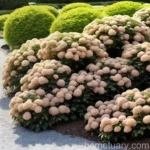
Japanese spirea, scientifically known as Spiraea japonica, belongs to the Rosaceae family and is native to East Asia, including China, Korea, and Japan. It is a deciduous shrub that typically grows to a height of 2 to 6 feet, with a spread of 3 to 5 feet. The ‘Norman’ variety is particularly renowned for its compact and mounded growth habit, making it a perfect choice for small gardens, borders, and mass plantings.
The foliage of Japanese spirea ‘Norman’ emerges in spring with vibrant green coloration which matures to a rich, dark green during the summer. In the fall, the leaves undergo a stunning transformation, displaying shades of bronze, red, and purple, adding a visual interest to the landscape.
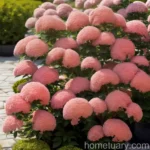
One of the most captivating features of Japanese spirea is its clusters of delicate flowers. The ‘Norman’ variety, in particular, produces mesmerizing rosy-pink blooms in late spring to early summer, which not only attract pollinators but also add a splash of color to any garden setting.
Key Takeaways – Japanese Spirea (Spiraea japonica ‘Norman’)
Before we delve into the details, here are the key takeaways about Japanese spirea ‘Norman’:
- Scientific Name: Spiraea japonica ‘Norman’
- Growth Habit: Compact and mounded
- Foliage: Vibrant green turning to bronze, red, and purple in the fall
- Flowers: Clusters of rosy-pink blooms in late spring to early summer
- Uses: Ideal for small gardens, borders, and mass plantings
- Adaptability: Suitable for landscapes, gardens, and container gardening
Now that we have an overview of Japanese spirea ‘Norman’, let’s dive deeper into its culture, uses, maintenance requirements, and more.
Culture
Understanding the cultural requirements of Japanese spirea ‘Norman’ is essential for ensuring its healthy growth and development. Let’s explore the various aspects of its culture:
Water
Japanese spirea ‘Norman’ is relatively tolerant of different moisture levels and can adapt to a range of watering conditions. In general, it prefers consistently moist but well-draining soil, especially during the establishment phase. Adequate watering is crucial during dry spells, particularly in the summer, to support healthy foliage and flower production. However, it is important to avoid waterlogging, as excessive moisture can lead to root rot and other complications.
Sunlight
When it comes to sunlight requirements, Japanese spirea ‘Norman’ thrives in full sun to partial shade. In regions with hot summers, providing some afternoon shade can help protect the plant from excessive heat and sunburn. However, it is important to strike a balance, as insufficient sunlight can compromise the plant’s flowering and overall vigor. As a general guideline, aim to provide the shrub with at least 4-6 hours of direct sunlight daily for optimal growth and blooming.
Fertilizer
Proper fertilization can significantly enhance the growth and blooming performance of Japanese spirea ‘Norman’. A balanced, slow-release fertilizer applied in early spring, just as the new growth emerges, can provide the necessary nutrients for robust foliage and prolific flowering. Additionally, a light application of fertilizer in mid-summer can further support the shrub’s overall health and vitality. It is important to follow the manufacturer’s recommendations and avoid over-fertilization, which can lead to excessive foliage growth at the expense of flowers.
Soil
Japanese spirea ‘Norman’ is adaptable to a wide range of soil types, provided that the soil is well-draining and rich in organic matter. A slightly acidic to neutral pH is generally ideal for this plant. If the native soil is sandy or heavy clay, amending it with organic compost or well-decomposed manure can improve its structure and fertility. Good soil preparation is particularly important during the initial planting, as it sets the foundation for the plant’s root establishment and subsequent growth.
Pruning
Pruning is an essential aspect of Japanese spirea ‘Norman’ maintenance, contributing to its overall health, shape, and flowering performance. Proper pruning can rejuvenate the shrub, promote new growth, and maintain its compact habit. Here are some key considerations for pruning this delightful plant:
- Timing: The best time to prune Japanese spirea ‘Norman’ is in late winter to early spring, before the new growth emerges. This allows the plant to allocate its energy towards producing new shoots and flowers during the growing season.
- Techniques: Pruning can involve the removal of dead or diseased wood, thinning out crowded branches, and shaping the overall form of the shrub. Additionally, selective pruning can encourage a more abundant blooming in the subsequent season.
- Deadheading: Removing spent flower clusters after the blooming period can promote a second flush of blooms and prevent the plant from expending energy on seed production.
Propagation
Japanese spirea ‘Norman’ can be propagated through various methods such as softwood cuttings, hardwood cuttings, and division. Propagation through cuttings involves taking sections of young, healthy stems and encouraging them to develop roots. Division, on the other hand, involves carefully separating the root system of an established plant to create new individuals. These propagation methods can be employed to propagate new plants and expand the presence of Japanese spirea ‘Norman’ in the garden or landscape.
Container
Japanese spirea ‘Norman’ can thrive in containers, adding beauty and interest to patios, balconies, and other outdoor spaces. When growing in containers, it is important to choose a well-draining potting mix and provide regular watering and fertilization. The compact size of the ‘Norman’ variety makes it particularly suitable for container gardening, allowing individuals with limited garden space to enjoy its captivating beauty.
Popularity
Japanese spirea ‘Norman’ has gained popularity among gardeners and landscapers for its numerous attributes, including its compact size, vibrant foliage, and attractive blooms. Its adaptability to different growing conditions, low maintenance requirements, and versatility in landscaping make it a sought-after choice for various garden settings.
Common Diseases
While Japanese spirea ‘Norman’ is relatively resistant to pests and diseases, it can occasionally face certain challenges in specific environmental conditions. Some of the common diseases that may affect this plant include:
-
Powdery Mildew: A fungal disease that appears as a powdery white coating on the leaves, often caused by poor air circulation and high humidity. To prevent powdery mildew, ensure proper spacing between plants, and avoid overhead watering.
-
Leaf Spot: This fungal disease is characterized by dark spots on the leaves, which can lead to premature leaf drop. Good sanitation practices and avoiding overhead irrigation can help prevent the spread of leaf spot.
-
Fire Blight: While less common, fire blight, caused by the bacterium Erwinia amylovora, can potentially affect Japanese spirea. This disease leads to wilting, browning, and dieback of the branches. Pruning affected branches and removing any signs of infection can help manage fire blight.
Common Pests
Japanese spirea ‘Norman’ is relatively resistant to pest infestations, but it may occasionally encounter the following pests:
-
Aphids: These small, soft-bodied insects can cluster on the new growth of the plant, sucking sap and potentially causing distortion of the leaves. Control measures include physical removal, insecticidal soaps, or introducing natural predators such as ladybugs.
-
Spider Mites: These tiny arachnids can infest the undersides of the leaves, causing stippled discoloration and webbing. Regularly spraying the foliage with water and applying horticultural oils can help mitigate spider mite infestations.
-
Japanese Beetles: These voracious pests can skeletonize the foliage of Japanese spirea. Handpicking, pheromone traps, and insecticidal controls can be employed to manage Japanese beetle populations.
Botanist’s Tips
As a plant scientist, I have some valuable tips to share for the care and cultivation of Japanese spirea ‘Norman’:
-
Mulching: Applying a layer of organic mulch around the base of the plant can help retain soil moisture, regulate temperature, and suppress weed growth. However, it is important to avoid piling the mulch against the stem to prevent moisture-related issues.
-
Maintenance Pruning: Regular and strategic pruning is key to maintaining the shape, size, and flowering potential of Japanese spirea ‘Norman’. By removing old and unproductive wood, as well as shaping the shrub after flowering, gardeners can help promote its overall health and aesthetics.
-
Companion Planting: Consider planting Japanese spirea ‘Norman’ alongside other garden favorites to create visually appealing combinations and provide ecological benefits. Pairing it with plants that bloom at different times of the year can ensure continuous interest in the landscape and support pollinators throughout the seasons.
Fun Facts
Here are a few fascinating facts about Japanese spirea ‘Norman’ that may spark further interest and appreciation for this delightful shrub:
-
Cultural Significance: In some cultures, spirea has been associated with love, transformation, and renewal, making it a meaningful addition to ceremonial and symbolic plantings.
-
Wildlife Attraction: The flowers of Japanese spirea ‘Norman’ are not only attractive to pollinators such as bees and butterflies but also contribute to the ecological balance of the garden by supporting beneficial insects.
-
Seasonal Displays: From its vibrant spring blooms to its striking fall foliage, Japanese spirea ‘Norman’ offers a captivating display of color throughout the growing season, adding dynamic visual interest to the landscape.
Links to External Resources
For additional information about Japanese spirea, its cultivation, and landscape uses, consider exploring the following external resources:
- The Royal Horticultural Society: Spiraea japonica ‘Norman’
- Missouri Botanical Garden: Spiraea japonica
- University of Florida IFAS Extension: Spiraea japonica
This concludes our comprehensive guide to Japanese spirea (Spiraea japonica ‘Norman’). By understanding its culture, uses, maintenance requirements, and unique characteristics, gardeners and plant enthusiasts can fully appreciate the beauty and versatility of this charming shrub. Whether grown in landscapes, gardens, or containers, Japanese spirea ‘Norman’ continues to captivate with its delightful blooms, alluring foliage, and overall appeal as a valuable addition to diverse outdoor spaces.