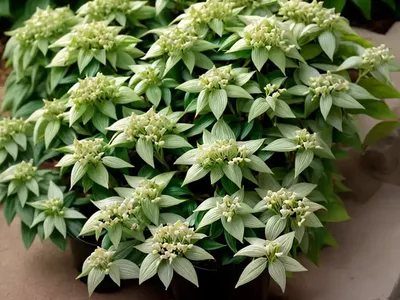
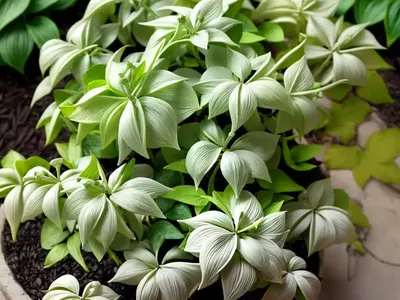
Fragrant Sweet Box (Sarcococca Ruscifolia)
Plants have been an essential part of human life for centuries, providing food, medicine, and aesthetic beauty. One such plant that has been gaining.
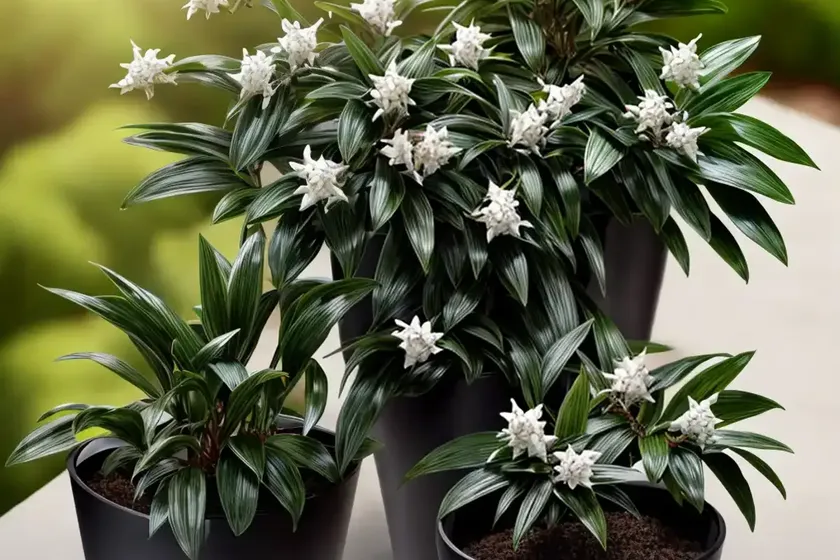
Plants have been an essential part of human life for centuries, providing food, medicine, and aesthetic beauty. One such plant that has been gaining popularity among gardeners and landscape enthusiasts is the fragrant sweet box, scientifically known as Sarcococca ruscifolia. This versatile and fragrant plant species offers a myriad of uses, from ornamental landscaping to creating natural fragrances in gardens and homes. In this comprehensive guide, we will delve into the various aspects of the fragrant sweet box, including its culture, uses, care requirements, propagation methods, and common pests and diseases. Whether you are a seasoned gardener or a beginner plant enthusiast, this guide aims to equip you with all the necessary knowledge to cultivate and appreciate the beauty of Sarcococca ruscifolia.
What is Plant: Fragrant Sweet Box (Sarcococca ruscifolia)?
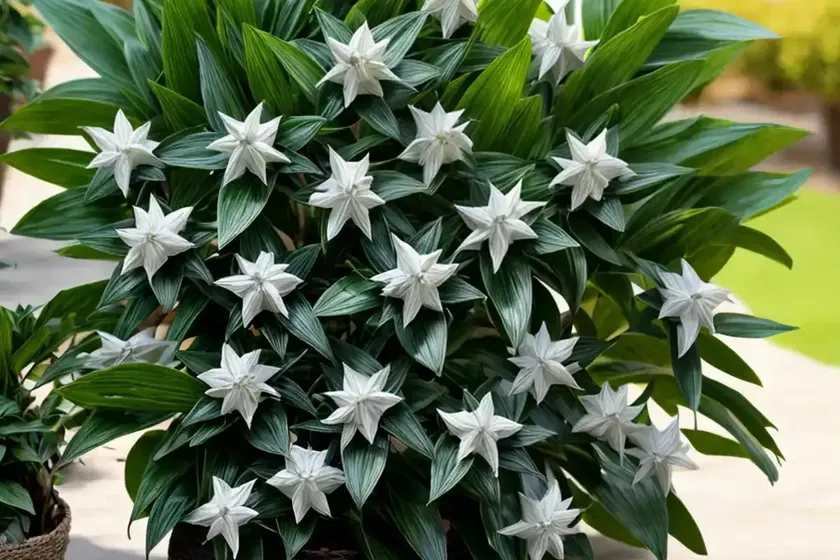
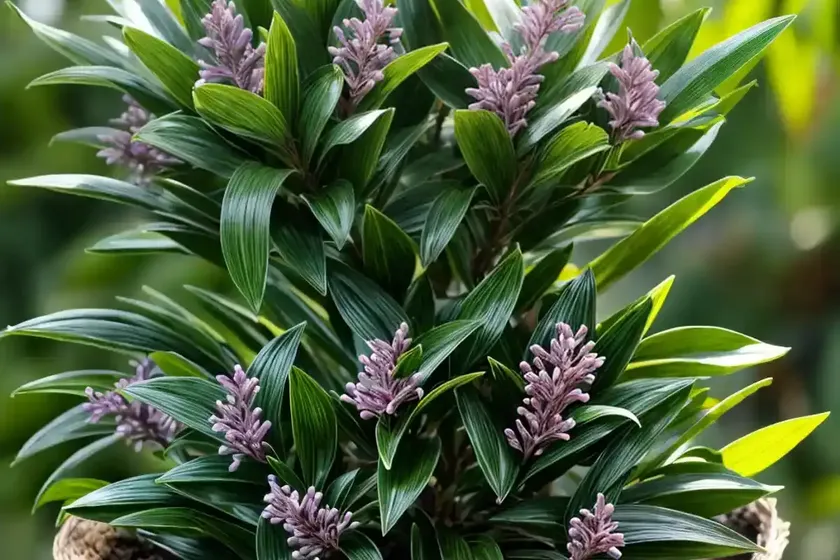
Sarcococca ruscifolia, commonly known as fragrant sweet box, is a species of evergreen shrub belonging to the Buxaceae family. Native to China, this plant is highly valued for its abundant, highly fragrant, and small creamy-white flowers that bloom in late winter to early spring. The foliage of the fragrant sweet box is dark green and glossy, providing an attractive contrast to the delicate flowers. This plant is renowned for its sweet and captivating fragrance, making it a popular choice for gardens, landscapes, and even indoor settings. The fragrant sweet box is a versatile plant, suitable for various environmental conditions and landscaping preferences, making it a favorite among gardeners and horticulturists.
Key Takeaways – Fragrant Sweet Box (Sarcococca ruscifolia)
Before we delve into the specifics of cultivating and caring for the fragrant sweet box, let’s highlight some key takeaways about this captivating plant.
- Sarcococca ruscifolia is a fragrant evergreen shrub known for its highly fragrant white flowers and glossy dark green foliage.
- It is a versatile plant with multiple uses, including ornamental landscaping, fragrance production, and as a natural border or hedge plant.
- The fragrant sweet box thrives in shaded or partially shaded areas, making it an ideal choice for gardens with limited sunlight.
- This plant is relatively low maintenance, requiring minimal pruning and care once established.
- Sarcococca ruscifolia is resistant to most pests and diseases, making it a durable and reliable plant for both experienced and novice gardeners.
Now that we have an overview of the fragrant sweet box, let’s explore the specific aspects of its culture, uses, and care requirements in detail.
Culture
Uses
The fragrant sweet box (Sarcococca ruscifolia) offers a wide range of uses, making it a versatile and valuable addition to gardens and landscapes. Some of its primary uses include:
-
Ornamental Landscaping: Sarcococca ruscifolia is often used as an ornamental shrub in gardens, parks, and public spaces due to its attractive foliage and sweet-smelling flowers. Its compact growth habit and evergreen nature make it an ideal choice for creating natural borders, hedging, or as a standalone specimen plant in landscaping designs.
-
Fragrance Production: The flowers of the fragrant sweet box exude a powerful and enchanting fragrance, making it a popular choice for producing natural scents and perfumes. Additionally, the cut branches of this plant can be used to create aromatic indoor arrangements, bringing the delightful fragrance indoors.
-
Shade Gardens: Due to its preference for shaded or partially shaded environments, the fragrant sweet box is often utilized in shade gardens, where it adds a burst of fragrance and visual appeal to areas with limited sunlight.
-
Wildlife Gardens: The flowers of Sarcococca ruscifolia attract pollinators such as bees and butterflies, making it a valuable addition to wildlife-friendly gardens. Additionally, its dense foliage provides cover and nesting sites for birds, further enhancing its ecological significance.
-
Container Planting: The fragrant sweet box is well-suited for container planting, allowing individuals with limited garden space to enjoy its captivating fragrance and evergreen beauty on patios, balconies, or indoors.
Water
When it comes to watering the fragrant sweet box, it is crucial to strike a balance between providing adequate moisture and avoiding waterlogged conditions. Here are some key considerations for watering this plant:
-
Established Plants: Once the plant is established, it generally requires moderate watering. Typically, providing water when the soil begins to dry out slightly is sufficient. Avoid overwatering, as this can lead to root rot and other moisture-related issues.
-
Container-Grown Plants: If cultivating Sarcococca ruscifolia in containers, ensure that the pots have proper drainage holes to prevent water from accumulating at the root zone. Water container-grown plants when the top inch of the soil feels dry to the touch.
-
Water Quality: Use high-quality, well-draining soil and water the plant with clean, preferably lukewarm water to avoid shocking the roots, especially during colder months.
Sunlight
The fragrant sweet box thrives in shaded or partially shaded locations, making it an excellent choice for areas with limited direct sunlight. Here are some considerations regarding sunlight requirements:
-
Ideal Conditions: Plant Sarcococca ruscifolia in a location that receives dappled sunlight or partial shade throughout the day. Avoid placing it in areas with intense or prolonged direct sunlight, as this can scorch the foliage and cause stress to the plant.
-
Indoor Cultivation: When growing the fragrant sweet box indoors, ensure that it is placed near a window with indirect sunlight or under artificial grow lights that provide the appropriate intensity and spectrum for optimal growth.
-
Light Adaptability: Although the fragrant sweet box prefers shade, it can tolerate brief periods of early morning or late afternoon sunlight. However, prolonged exposure to direct sun should be avoided to prevent foliage damage and dehydration.
Fertilizer
Proper fertilization is essential for promoting the healthy growth and flowering of the fragrant sweet box. Consider the following guidelines when fertilizing Sarcococca ruscifolia:
-
Timing: Apply a balanced, slow-release fertilizer in early spring, just before the start of the growing season. This will provide essential nutrients to support the plant’s spring growth and flowering.
-
Application Method: Gently incorporate the fertilizer into the soil around the base of the plant, taking care to avoid direct contact with the stems or foliage. Water the area thoroughly after fertilization to ensure that the nutrients reach the root zone.
-
Fertilizer Type: Choose a fertilizer specifically formulated for evergreen shrubs or acid-loving plants, as the fragrant sweet box thrives in slightly acidic soil conditions. Alternatively, you can use a general-purpose, balanced fertilizer with an NPK ratio of 10-10-10.
-
Frequency: Repeat the application of a balanced fertilizer in late summer or early fall to provide essential nutrients as the plant prepares for the winter and promotes healthy root development during the dormant season.
Soil
The fragrant sweet box thrives in well-draining, slightly acidic soil with ample organic matter. When it comes to selecting and preparing the soil for Sarcococca ruscifolia, consider the following factors:
-
Acidic Soil Preference: Choose a planting site with soil that has a slightly acidic pH ranging from 5.0 to 6.5. If your soil is alkaline, amend it with organic materials such as peat moss, pine bark, or compost to lower the pH and improve soil texture.
-
Moisture Retention: While the soil should drain well to prevent waterlogging, it should also be capable of retaining sufficient moisture to support the plant’s growth. Organic matter such as compost or well-rotted manure can improve soil structure and water retention capacity.
-
Mulching: Apply a layer of organic mulch, such as pine straw or bark chips, around the base of the fragrant sweet box to conserve soil moisture and suppress weed growth. Mulching also helps maintain a cool and uniform soil temperature, which is beneficial for the plant’s root system.
-
Soil Preparation: Before planting, prepare the soil by loosening it to a depth of at least 12 inches and incorporating organic amendments as needed. This will create a favorable growing environment for the plant’s roots and promote healthy establishment.
Pruning
Proper pruning is essential to maintain the shape, size, and vigor of the fragrant sweet box while promoting abundant flowering and a dense growth habit. Consider the following guidelines for pruning Sarcococca ruscifolia:
-
Pruning Timing: Perform light pruning and shaping of the plant immediately after the flowering period in late spring or early summer. This allows the plant to recover and set new growth before the onset of the dormant season.
-
Pruning Method: Use clean, sharp pruning shears to selectively remove any dead, damaged, or overgrown branches. Additionally, thin out the interior of the plant to improve air circulation and light penetration, which can enhance overall plant health.
-
Size Control: If necessary, trim the fragrant sweet box to maintain its desired size and shape, ensuring that it blends harmoniously with its surroundings. However, avoid heavy pruning, as excessive removal of foliage can diminish the plant’s natural form and affect its flowering capacity.
-
Diseased Branches: Regularly inspect the plant for any signs of disease or pest infestation, and promptly remove any affected branches to prevent the spread of pathogens and maintain the plant’s vitality.
Propagation
Propagation of the fragrant sweet box can be achieved through several methods, including seed propagation, division, and semi-hardwood cuttings. Here’s an overview of each propagation technique:
-
Seed Propagation: While possible, propagation of the fragrant sweet box from seeds is less common due to the slow and unpredictable nature of seed germination. If collecting seeds from the plant, ensure that they are ripe and sow them in a well-draining, moist seed-starting mix. Germination may take several months, and the resulting seedlings may exhibit variability in traits.
-
Division: Propagation by division involves separating the plant into smaller sections, each with its own root system, and transplanting them into individual containers or new planting sites. This method is most effective when dividing mature, established plants during the dormant season.
-
Semi-Hardwood Cuttings: Propagation from semi-hardwood cuttings is a reliable and efficient method for creating genetically identical clones of the parent plant. Take 4- to 6-inch cuttings from healthy, semi-mature stems in late summer or early autumn, treat the cut ends with a rooting hormone, and place the cuttings in a well-draining rooting medium. With proper care and humidity, the cuttings should develop roots within a few weeks.
Container Popularity
The fragrant sweet box is well-suited for container planting, offering individuals with limited garden space the opportunity to enjoy its aromatic fragrance and evergreen beauty. Due to its versatility and low maintenance requirements, Sarcococca ruscifolia has become increasingly popular as a container plant for various settings, including:
-
Patios and Balconies: The compact growth habit and fragrant blooms of the fragrant sweet box make it an excellent choice for container gardening on patios, balconies, and terraces. Its sweet fragrance can enhance outdoor living spaces and provide a delightful sensory experience for residents and visitors.
-
Indoor Planting: Sarcococca ruscifolia can thrive as an indoor plant when provided with the appropriate growing conditions, such as bright, indirect light and consistent moisture. Its compact size and captivating fragrance make it a charming addition to interior spaces, providing a natural air freshening effect.
-
Seasonal Displays: Use container-grown fragrant sweet box plants to create seasonal displays and arrangements, such as pairing them with other winter- or spring-flowering plants or integrating them into themed container gardens. Their evergreen foliage ensures visual interest throughout the year, even when not in bloom.
-
Urban Landscapes: In urban environments and modern landscaping designs, container-grown fragrant sweet box plants can add a touch of nature and fragrance to urban spaces, rooftops, and communal areas. They are also well-suited for public gardens and commercial landscapes due to their adaptability and visual appeal.
Common Diseases
Despite being relatively resistant to most pests and diseases, the fragrant sweet box can occasionally experience issues that affect its health and appearance. Understanding common diseases and their management is crucial for maintaining the plant’s vitality and beauty. Here are some of the common diseases that may affect Sarcococca ruscifolia:
-
Leaf Spot: Leaf spot diseases are characterized by the appearance of dark, water-soaked spots on the foliage, often surrounded by yellow halos. These diseases are typically caused by fungal pathogens and can lead to premature leaf drop and diminished plant vigor. To manage leaf spot, remove and destroy affected foliage, improve air circulation, and avoid overhead watering.
-
Powdery Mildew: Powdery mildew is a fungal disease that manifests as a white, powdery growth on the surfaces of leaves and young shoots. It can weaken the plant and interfere with photosynthesis if left uncontrolled. Implementing cultural practices such as maintaining proper spacing between plants and applying fungicidal treatments can help manage powdery mildew.
-
Root Rot: Excessive soil moisture or poor drainage can lead to root rot, a condition caused by various soil-borne pathogens that attack the plant’s roots. Symptoms of root rot include wilting, yellowing foliage, and stunted growth. To prevent and manage root rot, ensure that the plant is growing in well-draining soil and avoid overwatering.
-
Anthracnose: Anthracnose is a fungal disease that affects many woody plants, causing dark, sunken lesions on the stems and branches of the fragrant sweet box. Prune and dispose of infected plant parts and implement proper sanitation practices to prevent the spread of anthracnose. Applying fungicidal treatments may also be necessary in severe cases.
-
Bacterial Blight: Bacterial blight is characterized by the presence of dark, water-soaked lesions on the leaves and stems, often accompanied by a foul odor. To manage bacterial blight, remove and destroy affected plant material, avoid overhead irrigation, and apply copper-based fungicides as directed.
Disease Diagnosis
Diagnosing diseases in the fragrant sweet box requires careful observation of the plant’s symptoms and consideration of environmental factors. When confronted with potential disease issues, follow these steps to accurately diagnose and address the problem:
-
Symptom Identification: Take note of any unusual changes in the foliage, stems, or overall appearance of the plant. Look for spots, discoloration, wilting, or abnormal growth patterns that may indicate a disease.
-
Environmental Assessment: Consider factors such as moisture levels, sunlight exposure, and soil conditions to determine whether environmental stressors may be contributing to the plant’s symptoms. Ensure that the plant is not experiencing undue stress from improper cultural practices.
-
Pathogen Identification: If possible, inspect the affected plant parts with a magnifying glass or microscope to identify any signs of fungal spores, bacterial ooze, or insect damage. Collect samples of affected tissue for further analysis if necessary.
-
Consultation: If diagnosis is challenging, seek advice from experienced horticulturists, plant pathologists, or extension services to obtain a professional opinion and guidance on disease identification and management.
-
Management Strategies: Once the disease is diagnosed, implement appropriate management strategies, such as cultural adjustments, sanitation practices, or targeted treatments, to address the specific disease and prevent its recurrence.
Common Pests
The fragrant sweet box is generally resistant to most pests, but it may occasionally attract certain insects that can affect its health and aesthetics. Being aware of common pests that may target Sarcococca ruscifolia is essential for prompt identification and management. Here are some of the common pests that may affect the fragrant sweet box:
-
Scale Insects: Scale insects can appear as small, immobile bumps on the stems and leaves of the fragrant sweet box. These pests can weaken the plant by feeding on its sap and excreting honeydew, leading to the development of sooty mold. Control scale insects by manually removing them or applying horticultural oils as directed.
-
Aphids: Aphids are small, soft-bodied insects that may congregate on the new growth of the fragrant sweet box, causing distortion of leaves and excreting sticky honeydew. Use gentle water sprays or insecticidal soaps to manage aphid infestations and prevent their proliferation.
-
Spider Mites: Spider mites are tiny arachnids that can cause stippling and yellowing of the foliage as they feed on plant cells. Increase humidity and use insecticidal sprays to deter and control spider mites, especially in dry and warm environments that favor their development.
-
Mealybugs: Mealybugs are soft-bodied insects covered with a white, waxy substance. They often congregate on the undersides of leaves and at leaf nodes, sucking sap from the plant and weakening its vigor. Control mealybug infestations by manually removing the pests and applying targeted insecticidal treatments.
-
Caterpillars: Certain caterpillar species may feed on the foliage of the fragrant sweet box, leading to defoliation and aesthetic damage. Monitor the plant for signs of caterpillar feeding and manually remove the pests when feasible, or utilize biological control methods such as introducing natural predators.
Botanist’s Tips
As a botanist, I have had the opportunity to study and appreciate the remarkable qualities of the fragrant sweet box (Sarcococca ruscifolia) extensively. Here are some insightful tips to consider when cultivating and admiring this exceptional plant species:
-
Fragrant Evergreen Appeal: Embrace the fragrant sweet box for its evergreen nature and captivating fragrance. Its ability to provide year-round interest and aromatic allure makes it a valuable addition to any garden or landscape design.
-
Shaded Beauty: Appreciate the fragrant sweet box for its adaptability to shaded environments. Utilize this plant to bring life and fragrance to areas with limited sunlight, such as woodland gardens, shaded patios, or under tree canopies.
-
Wildlife Enhancement: Recognize the significance of the fragrant sweet box in attracting and supporting beneficial wildlife, including pollinators and birds. Create wildlife-friendly habitats by incorporating this plant into diverse ecosystems and garden settings.
-
Fragrant Indoor Oasis: Explore the possibility of cultivating the fragrant sweet box indoors to enjoy its enchanting fragrance and glossy foliage year-round. Its compact size and adaptability to indoor conditions make it an excellent choice for enhancing interior spaces.
-
Aromatic Arrangements: Embrace the aromatic potential of the fragrant sweet box by using its cut branches to create captivating indoor arrangements and floral displays. The delightful fragrance will infuse your living spaces with natural charm and sensory delight.
-
Sensory Garden Inclusion: Consider incorporating the fragrant sweet box into sensory gardens, where its captivating fragrance can be appreciated alongside other sensory elements such as texture, color, and sound. This plant adds depth and allure to sensory-focused landscapes.
-
Maintenance Simplicity: Treasure the fragrant sweet box for its low maintenance requirements and ease of care. Once established, this plant requires minimal intervention, allowing you to relish its beauty without the burden of demanding upkeep.