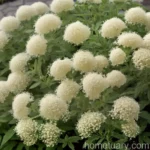
All About Japanese Spirea (Spiraea japonica ‘Gold Mound’)
In the world of ornamental shrubs, the Japanese spirea (Spiraea japonica ‘Gold Mound’) holds a special place. This vibrant and popular shrub is known for its beautiful foliage, vibrant flowers, and low maintenance requirements. Whether you are a seasoned gardener or a beginner looking to enhance your landscape, learning about the Japanese spirea will be a rewarding experience. In this comprehensive guide, we will delve into the various aspects of the Japanese spirea, including its culture, uses, care tips, common diseases, and more. Let’s embark on an enlightening journey to unravel the beauty and intricacies of the Spiraea japonica ‘Gold Mound’ plant.
What is Japanese Spirea (Spiraea japonica ‘Gold Mound’)?
The Spiraea japonica ‘Gold Mound’ is a cultivar of the Japanese spirea, a deciduous flowering shrub belonging to the Rosaceae family. It is native to East Asia, including Japan, China, and Korea. The ‘Gold Mound’ variety is cherished for its vibrant golden foliage, which offers a striking visual appeal in garden landscapes.
Key Takeaways – Japanese Spirea (Spiraea japonica ‘Gold Mound’)
Before we delve into the specific aspects of the Japanese spirea, let’s outline the key takeaways that will guide us through this exploration.
- Plant Name: Spiraea japonica ‘Gold Mound’
- Common Name: Japanese spirea
- Type: Deciduous shrub
- Foliage Color: Golden-yellow
- Flower Color: Pink
- Mature Height: 2-3 feet
- Mature Spread: 3-4 feet
- USDA Hardiness Zones: 4-8
- Uses: Borders, mass planting, foundation planting, containers
- Maintenance: Low
With the key takeaways in mind, let’s proceed to explore the various facets of this enchanting shrub.
Culture
Understanding the cultural requirements of the Japanese spirea is essential for fostering its optimal growth and ensuring its visual appeal in garden settings.
Water
Japanese spirea plants generally require consistently moist soil during their establishment phase. However, once established, they display good drought tolerance and can thrive in moderately dry conditions. When watering the ‘Gold Mound’ variety, it’s essential to strike a balance and avoid waterlogging the soil, which can lead to root rot and other moisture-related issues.
Sunlight
Proper sunlight exposure is crucial for the growth and flowering of Japanese spirea. These shrubs thrive in full sun to partial shade, with a preference for at least 6 hours of direct sunlight each day. Adequate sunlight promotes lush foliage and profuse flowering, accentuating the beauty of the ‘Gold Mound’ variety.
Soil
Well-drained, loamy soils are ideal for Japanese spirea cultivation. The ‘Gold Mound’ variety also thrives in slightly acidic to neutral soil pH. Amending the soil with organic matter during planting can create a favorable soil structure and enhance the shrub’s overall performance.
Uses
The Japanese spirea, particularly the ‘Gold Mound’ cultivar, offers versatile uses in landscape design and gardening. Understanding its potential applications can inspire creative planting ideas and enhance the visual appeal of outdoor spaces.
- Borders: The compact nature and colorful foliage of the ‘Gold Mound’ variety make it an excellent choice for border plantings, where it can create striking visual delineations and add vibrancy to garden edges.
- Mass Planting: When planted en masse, Japanese spirea can create stunning swaths of golden foliage, especially during the spring and summer seasons when the shrub is adorned with clusters of pink flowers.
- Foundation Planting: The ‘Gold Mound’ variety serves as an attractive and low-maintenance option for adorning the foundation areas of buildings, providing a harmonious blend of color and texture.
- Containers: Japanese spirea, including the ‘Gold Mound’ cultivar, lends itself well to container plantings, allowing individuals with limited garden space to enjoy its ornamental features on patios, balconies, or other outdoor areas.
Fertilizer
While Japanese spirea is known for its adaptability and resilience, providing appropriate fertilization can contribute to its vigor and overall performance. A balanced, slow-release fertilizer applied in early spring can support healthy growth and abundant flowering. It is essential to follow the recommended application rates and ensure even distribution around the plant’s root zone.
Pruning
Pruning plays a crucial role in maintaining the shape, density, and flowering potential of the Japanese spirea. The ‘Gold Mound’ variety, in particular, benefits from periodic pruning to rejuvenate the foliage and encourage a more compact growth habit.
Pruning Guide for Spiraea japonica ‘Gold Mound’
- Timing: The best time to prune Japanese spirea is in late winter to early spring, before the onset of new growth.
- Tools: Pruning shears or hedge trimmers can be used to shape the shrub and remove dead or damaged branches.
- Technique: Start by removing any dead or crossing branches to improve the shrub’s overall health. To promote a more dense and compact growth habit, the ‘Gold Mound’ variety can be pruned back by up to one-third of its overall height.
Propagation
Propagation methods such as softwood cuttings and division can be employed to propagate new Japanese spirea plants, including the ‘Gold Mound’ cultivar. These techniques allow gardeners to expand their plantings or share this captivating shrub with fellow gardening enthusiasts.
Softwood Cuttings
- Timing: Softwood cuttings are best taken in late spring to early summer when the current season’s growth is still tender and pliable.
- Process: Select healthy, non-flowering shoots and take 4-6 inch cuttings. Remove the lower leaves and dip the cut end in a rooting hormone. Plant the cuttings in a well-draining propagation mix and provide consistent moisture and warmth until roots develop.
Division
- Timing: Division is typically carried out in early spring before new growth emerges or during the fall season.
- Process: Carefully dig up a mature Japanese spirea plant and divide the root ball into sections, ensuring that each division has sufficient roots and shoots. Replant the divisions in prepared soil and provide adequate care to support their establishment.
Container Popularity
The compact size and ornamental appeal of the ‘Gold Mound’ variety make it a popular choice for container gardening. Its vibrant foliage and graceful flowering make it a standout addition to outdoor containers, where it can thrive as a focal point or as part of a mixed planting scheme.
Container Care Tips
When cultivating Japanese spirea, including the ‘Gold Mound’ cultivar, in containers, it’s essential to address specific care considerations to promote its health and aesthetic presence.
- Container Size: Select a container that provides ample room for the shrub’s roots to spread and grow. A container with drainage holes is essential to prevent waterlogging.
- Potting Mix: Choose a well-draining potting mix enriched with organic matter to support the plant’s growth and nutrient uptake.
- Watering: Container-grown Japanese spirea may require more frequent watering, especially during hot and dry periods. Monitor the soil moisture and water when the top inch of the soil feels dry to the touch.
- Sunlight: Position the containers in a location that receives sufficient sunlight to support the shrub’s growth and flowering.
Common Diseases
While Japanese spirea, including the ‘Gold Mound’ variety, is generally resilient, it may encounter certain diseases that can impact its health and aesthetics.
Disease Diagnosis
Understanding the symptoms and causes of common diseases can aid in timely intervention and the implementation of preventive measures to protect the shrub.
Powdery Mildew
- Symptoms: White powdery patches on the foliage, distortion of leaves, and stunted growth.
- Causes: Humid and crowded growing conditions, which promote fungal infestation.
- Management: Improve air circulation, refrain from overhead watering, and apply fungicidal treatments if necessary.
Leaf Spot
- Symptoms: Dark or discolored spots on the leaves, which may enlarge and coalesce.
- Causes: Fungal pathogens favored by prolonged leaf wetness and high humidity.
- Management: Prune affected plant parts, manage irrigation to reduce leaf wetness, and apply fungicidal treatments as a preventive measure.
Rust Diseases
- Symptoms: Rust-colored pustules on the underside of leaves, yellowing or browning of foliage.
- Causes: Various rust fungi that thrive in humid conditions.
- Management: Remove and destroy affected leaves, promote good air circulation, and consider fungicidal treatments if the issue persists.
Common Pests
In addition to diseases, Japanese spirea, including the ‘Gold Mound’ cultivar, may also attract certain pests that can impact its vitality and appearance.
Botanist’s Tips: Pest Control for Spiraea japonica ‘Gold Mound’
As a botanist, protecting the health of Japanese spirea from common pests is crucial for maintaining its ornamental value and promoting its longevity in garden settings.
Aphids
- Identification: Small, soft-bodied insects gathering on the new shoots and underside of leaves.
- Damage: Aphids feed on plant sap, leading to distorted growth, yellowing leaves, and the secretion of sticky honeydew.
- Control: Encourage natural predators such as ladybugs and lacewings, use a strong spray of water to dislodge aphids, or consider insecticidal soap for severe infestations.
Spider Mites
- Identification: Tiny mites that create fine webbing on the foliage and cause stippling or discoloration of leaves.
- Damage: Spider mites pierce plant cells and extract their contents, leading to diminished vigor and a decline in overall health.
- Control: Improve humidity levels, rinse the foliage with water, or consider horticultural oil or insecticidal sprays for effective control.
Sawflies
- Identification: Larvae of sawflies appear as caterpillar-like insects that feed on the leaves of spirea, skeletonizing them in severe cases.
- Damage: Heavy infestations can lead to extensive defoliation and stress the plant.
- Control: Handpick and destroy the larvae, encourage natural predators, or use appropriate insecticidal treatments if necessary.
Fun Facts
Enriching our understanding of the Japanese spirea with intriguing and captivating facts adds to the allure of this remarkable shrub.
- The ‘Gold Mound’ variety of Japanese spirea was selected for its vibrant golden foliage, which retains its color throughout the growing season, enhancing its visual appeal.
- Japanese spirea is known for its adaptability and ease of care, earning it a place as a cherished ornamental plant in diverse garden settings.
- The delicate pink flower clusters of the ‘Gold Mound’ cultivar serve as attractive nectar sources, contributing to garden biodiversity by attracting pollinators such as butterflies and bees.
Links to External Resources
To further explore the world of Japanese spirea and gain valuable insights from experts and gardening enthusiasts, consider referring to the following external resources:
- The Royal Horticultural Society (RHS): The RHS offers comprehensive information on the cultivation, care, and ornamental uses of Spiraea japonica ‘Gold Mound’, enriched with practical advice and inspiring gardening tips.
- University Extension Resources: University extensions provide research-based insights into the cultural requirements, pest and disease management, and landscape uses of Japanese spirea, fostering an informed approach to cultivation.
- Gardening Forums and Communities: Engaging with online gardening forums and communities enables the exchange of experiences, practical tips, and creative ideas for integrating Japanese spirea into diverse outdoor settings. Platforms such as GardenWeb and Houzz offer valuable perspectives from gardening enthusiasts and horticultural experts.
Conclusion
The Japanese spirea (Spiraea japonica ‘Gold Mound’) encapsulates the essence of ornamental beauty, resilience, and versatile uses, making it a prized addition to garden landscapes. By understanding its cultural requirements, uses, care tips, and potential challenges, individuals can cultivate and appreciate this delightful shrub to the fullest. Whether adorning garden borders, container plantings, or foundation areas, the ‘Gold Mound’ variety enriches outdoor spaces with its mesmerizing foliage and charming floral displays. As we continue to explore the diverse world of ornamental plants, the Japanese spirea stands as a testament to the timeless allure and captivating nature of garden treasures.