Japanese Pieris (Pieris Japonica)
In the world of gardening and landscaping, the Japanese Pieris (Pieris japonica) holds a special place due to its alluring aesthetic appeal and.
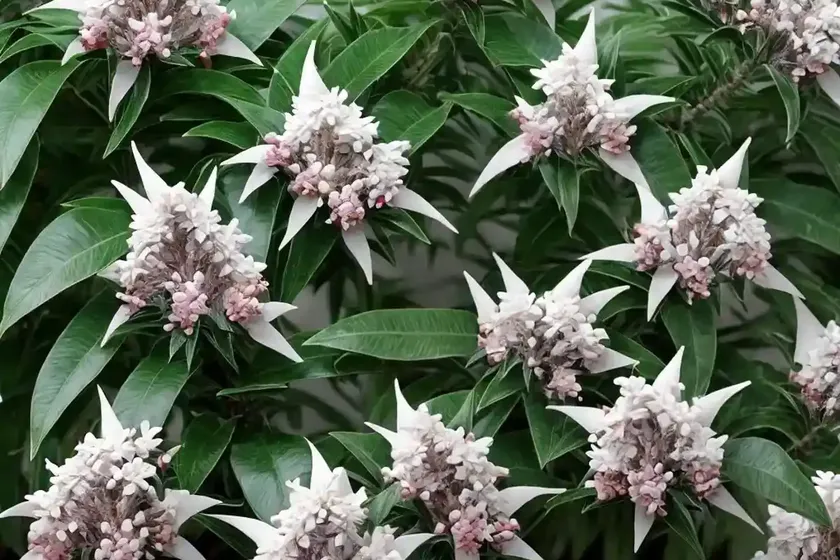
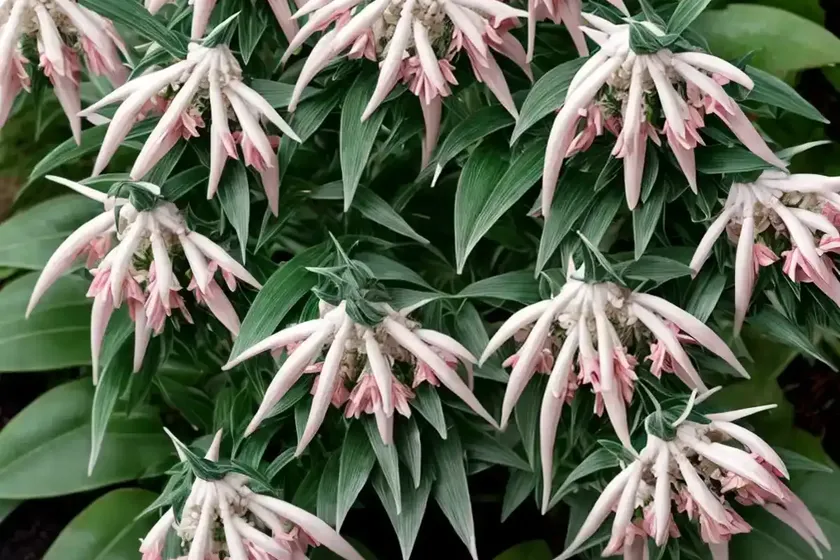
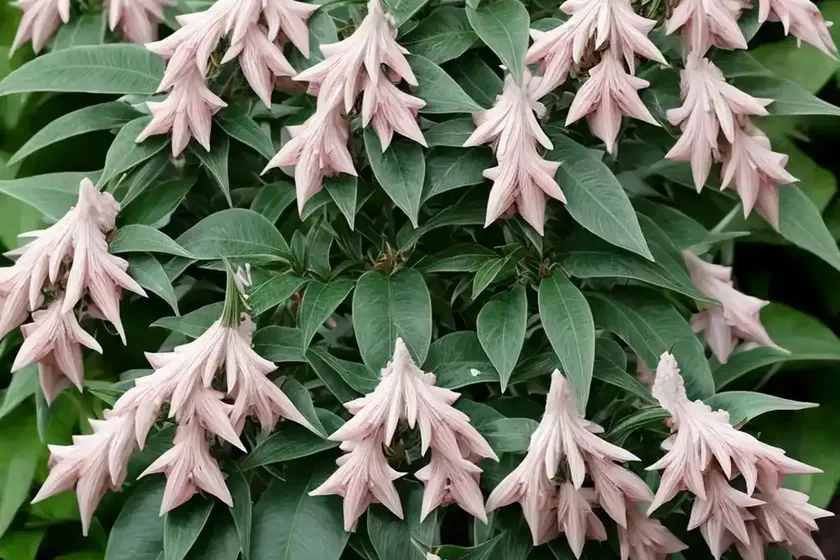
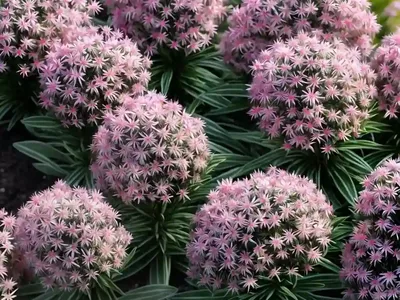
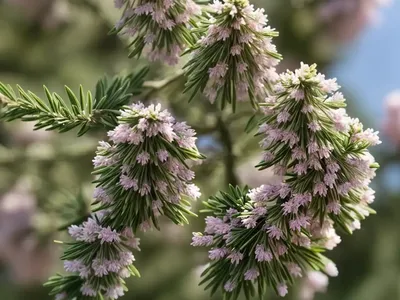
In the world of gardening and landscaping, the Japanese Pieris (Pieris japonica) holds a special place due to its alluring aesthetic appeal and adaptability to various environmental conditions. Also known as the Japanese Andromeda, this evergreen shrub is cherished for its elegant foliage, vibrant floral displays, and overall hardiness. Its versatility makes it suitable for a wide range of uses, from ornamental gardening to container cultivation. In this comprehensive guide, we will delve into the fascinating world of the Japanese Pieris, exploring its cultural requirements, uses, propagation methods, and much more.
What is the Japanese Pieris (Pieris japonica)?
The Japanese Pieris, or Pieris japonica, is an evergreen shrub that belongs to the family Ericaceae. It is native to Eastern Asia, including Japan, Taiwan, and eastern China. This species typically thrives in acidic, well-draining soils and is hardy in USDA zones 5 to 8. Known for its ornamental value, the Japanese Pieris is widely cultivated for its attractive foliage and showy clusters of flowers, making it a popular choice for gardeners, landscapers, and horticulturalists.
Key Takeaways – Japanese Pieris (Pieris japonica)
- Botanical Name: Pieris japonica
- Common Names: Japanese Andromeda, Japanese Lily-of-the-Valley Shrub
- Hardiness Zones: USDA zones 5 to 8
- Growth Habit: Evergreen shrub with lush foliage and clustered flowers
- Cultural Requirements: Acidic, well-draining soils; partial shade to full sunlight
- Notable Features: Vibrant floral displays, versatile uses in landscaping and gardening
Culture
Cultivating Japanese Pieris involves paying attention to several cultural aspects, including water, sunlight, fertilizer, soil, and pruning. Understanding and addressing these requirements are essential for ensuring the optimal growth and well-being of these exquisite shrubs.
Uses
The Japanese Pieris is primarily cultivated for its ornamental value, serving as a captivating addition to various landscaping and garden design schemes. Some common uses of this shrub include:
- Hedging: The dense foliage and elegant form of Japanese Pieris make it well-suited for creating decorative hedges and borders in gardens and landscapes.
- Specimen Plant: Owing to its eye-catching floral displays and year-round foliage, Japanese Pieris is often featured as a standalone specimen plant in garden beds or containers.
- Container Gardening: The compact and slow-growing nature of certain cultivars makes them ideal for container gardening, adding beauty to patios, balconies, and small outdoor spaces.
Water
Proper watering is critical for the health and vitality of Japanese Pieris. While these shrubs are generally low-maintenance once established, they require consistent moisture, especially during their initial establishment and periods of drought. Adequate watering helps in preventing stress and promoting healthy growth.
- Establishment Phase: Newly planted Japanese Pieris should receive regular watering, ensuring that the root ball remains consistently moist but not waterlogged.
- Drought Periods: During dry spells, it is essential to provide supplemental irrigation to prevent the soil from drying out completely. Applying a layer of organic mulch around the base of the shrub aids in moisture retention.
Sunlight
Japanese Pieris thrives in partial shade to full sunlight, depending on the specific cultivar and climatic conditions. Understanding the sunlight requirements of these shrubs is crucial for determining the optimal planting locations and ensuring their overall vigor and flowering potential.
- Partial Shade: Many Japanese Pieris cultivars prefer partial shade, especially in regions with intense sunlight or high temperatures. Partially shaded locations protect the shrubs from scorching and promote more balanced growth.
- Full Sunlight: Certain cultivars, particularly those with variegated foliage, exhibit improved coloration and vigour when exposed to full sunlight. However, it is important to ensure that the soil remains adequately moist in sunny locations.
Fertilizer
Appropriate fertilization supports the healthy growth and blooming of Japanese Pieris shrubs, providing them with essential nutrients for foliage development and flower production. Understanding the fertilizer requirements and application timing is crucial for optimizing the ornamental value of these plants.
- Timing: Fertilize Japanese Pieris in early spring before the onset of new growth using a balanced, slow-release fertilizer formulated for acid-loving plants.
- Application Rate: Apply the fertilizer according to the manufacturer’s recommendations, ensuring even distribution around the root zone. Avoid excessive fertilization, as it can lead to potential nutrient imbalances and adverse effects on the plant’s health.
Soil
Being acid-loving plants, Japanese Pieris thrives in acidic, well-draining soils with organic matter content. The soil composition and pH level significantly impact the growth, nutrient uptake, and overall health of these shrubs. Here are some key considerations for soil preparation and maintenance:
- Acidic Soil: Ensure that the soil pH remains within the mildly acidic to slightly acidic range, ideally between 5.0 and 6.5, to support optimal nutrient availability and root function.
- Organic Matter: Amending the soil with organic matter, such as compost or well-rotted leaf mould, enhances its structure and fertility, promoting favorable growing conditions for Japanese Pieris.
- Drainage: Good soil drainage is essential for preventing waterlogging, particularly in heavy clay soils. Incorporating organic amendments and creating raised beds can improve drainage in problematic soil types.
Pruning
Proper pruning helps maintain the desired shape, size, and overall appearance of Japanese Pieris shrubs while promoting abundant flowering and healthy foliage. Whether for shaping, rejuvenation, or size control, employing effective pruning techniques is essential for the long-term maintenance of these ornamental plants.
- Timing: Prune Japanese Pieris immediately after flowering to avoid interfering with the next season’s floral buds. Early spring is generally the ideal time for pruning, allowing ample time for new growth to mature and set flower buds.
- Techniques: Use clean, sharp pruning shears to remove any dead, damaged, or overgrown branches. Conduct selective thinning to improve air circulation and light penetration, promoting overall plant health.
Propagation
Propagating Japanese Pieris allows gardeners and horticultural enthusiasts to expand their plant collection and preserve prized cultivars. Common methods of propagation include softwood cuttings, hardwood cuttings, and air layering, each offering unique advantages and considerations.
Softwood Cuttings
Softwood cuttings involve taking young, actively growing shoots from the parent plant and utilizing them to generate new roots and shoots. This propagation method is often performed during the spring or early summer when the stems are at their most succulent and responsive to rooting.
Propagation Steps:
- Select healthy, non-flowering shoots that are approximately 4 to 6 inches long.
- Remove the lower leaves, leaving only a few at the tip.
- Dip the cut end in a rooting hormone powder to stimulate root development.
- Plant the cuttings in a well-draining propagation medium, ensuring consistent moisture and high humidity levels.
- Place the container in a warm, bright location but shielded from direct sunlight to encourage root formation.
Hardwood Cuttings
Hardwood cuttings involve utilizing mature, woody stems from the parent plant to propagate new shrubs. This method is typically performed during the dormant season, leveraging the plant’s natural ability to generate roots from older stem sections.
Propagation Steps:
- Collect hardwood cuttings in late winter or early spring from healthy, disease-free branches.
- Cut the stems into sections, each approximately 8 to 10 inches long, with a slanted cut at the base and a straight cut at the top.
- Dip the base of the cuttings in rooting hormone to facilitate root development.
- Insert the cuttings into a prepared propagation medium, ensuring good soil-to-cutting contact.
- Provide bottom heat and consistent moisture to promote the emergence of new roots.
Air Layering
Air layering is a propagation method that involves inducing roots to form on a section of the parent plant while it is still attached, facilitating the generation of a new individual. This technique is particularly useful for shrubs that may be challenging to propagate through traditional cuttings.
Propagation Steps:
- Select a healthy, vigorous stem and make an upward, slanted incision approximately halfway through the stem.
- Dust the incision with rooting hormone and wrap the cut area with a moistened layer of sphagnum moss.
- Enclose the moss-wrapped section with plastic wrap, securing it at both ends to create a sealed, humid environment.
- As roots begin to develop within the moss layer, carefully detach the new plant from the parent and transplant it into a suitable container or planting site.
Container Popularity
Japanese Pieris is an increasingly popular choice for container gardening, offering a myriad of aesthetic and practical benefits. From compact varieties suitable for small outdoor spaces to larger cultivars that serve as striking focal points, these evergreen shrubs are well-suited for container cultivation in various settings.
- Balcony Gardening: Japanese Pieris adds visual interest and year-round appeal to balcony gardens, providing a touch of elegance and greenery in confined spaces.
- Patio Landscaping: Container-grown Japanese Pieris enhances the visual charm of patios and paved areas, creating inviting outdoor settings with minimal maintenance requirements.
- Seasonal Displays: The versatility of container-grown Japanese Pieris allows for easy repositioning, making it convenient for creating seasonal displays and accentuating specific areas of the outdoor space.
Container Common Diseases
While container cultivation offers numerous advantages, it is essential to be mindful of potential diseases that can affect Japanese Pieris in this growing environment. Understanding common diseases and their management is crucial for ensuring the long-term health and vitality of container-grown plants.
Disease Diagnosis
Diagnosing diseases in container-grown Japanese Pieris involves observing and recognizing specific symptoms that may indicate the presence of a particular ailment. Common diseases that can affect these shrubs in container settings include:
- Leaf Spot: Characterized by the development of small, dark spots on the foliage, often leading to defoliation and reduced plant vigor.
- Powdery Mildew: Manifests as a powdery white coating on the leaves and shoots, potentially inhibiting photosynthesis and weakening the plant.
- Phytophthora Root Rot: Causes root discoloration, reduced growth, and wilting as a result of root damage and impaired water uptake.
Common Pests
Just as with diseases, container-grown Japanese Pieris are susceptible to various pests that can compromise their health and aesthetic appeal. Implementing proactive pest management measures is essential for protecting these shrubs from potential infestations.
Pest Identification
Identifying common pests that may target container-grown Japanese Pieris aids in early intervention and targeted control strategies. Some prevalent pests include:
- Pieris Lace Bug: Feeds on the underside of leaves, causing yellowing, stippling, and overall decline in plant health.
- Spider Mites: Infestations may result in stippled, discolored foliage, often accompanied by fine webbing on the undersides of leaves.
- Scale Insects: These pests may appear as small, immobile bumps on the stems and leaves, feeding on plant sap and potentially leading to weakened growth.
Botanist’s Tips
Seasoned botanists and gardening enthusiasts offer valuable insights and tips for successfully growing and caring for Japanese Pieris. Drawing upon their expertise and experience can provide practical guidance for maximizing the ornamental value and longevity of these captivating shrubs.
- Soil Preparation: Prior to planting Japanese Pieris, conduct a thorough soil test to assess the pH and nutrient levels, amending the soil as necessary to create an optimal growing environment.
- Mulching: Apply a layer of organic mulch around the base of the shrub to conserve moisture, suppress weed growth, and provide a steady supply of organic matter as it decomposes.
- Pruning Considerations: When pruning Japanese Pieris, focus on removing dead or damaged branches while maintaining the natural form and structure of the shrub to avoid excessive and unnecessary cutting.
Fun Facts
Exploring the intriguing aspects of Japanese Pieris adds depth and fascination to the experience of growing and appreciating these captivating shrubs. Discover some engaging and curious facts about Japanese Pieris:
- The name “Pieris” is derived from the Greek mythology, specifically from the tale of Pierides, the nine daughters of King Pierus who were transformed into magpies.
- Japanese Pieris is known for its enticing floral fragrance, which attracts pollinators such as bees and butterflies during the blooming season.
- In traditional Japanese culture, the Pieris japonica holds symbolic significance, representing purity and rebirth.
Links to External Resources
For further information, tips, and inspiration on Japanese Pieris (Pieris japonica) care, propagation, and landscape uses, explore the following external resources:
- American Rhododendron Society – The American Rhododendron Society provides comprehensive information on various members of the Ericaceae family, including Pieris japonica.
- The Royal Horticultural Society – The RHS offers valuable guidance on gardening, plant care, and landscape design, including resources on Japanese Pieris cultivation.
- University Extension Services – Check your local university extension service for region-specific advice on growing and caring for Japanese Pieris.
In conclusion, the Japanese Pieris (Pieris japonica) stands out as an enchanting and versatile evergreen shrub with striking foliage and captivating floral displays. Whether used as a landscape focal point, a container garden feature, or a part of ornamental hedging, this species offers a wealth of aesthetic and practical benefits. Understanding the cultural requirements, propagation methods, and potential challenges associated with Japanese Pieris aids in fostering the optimal growth and well-being of these beloved shrubs. Embracing its beauty and embracing its care guidelines enables gardeners and plant enthusiasts to fully appreciate the allure and ornamental value of the Japanese Pieris.