Everything You Need to Know About Japanese Hydrangea Vine (Schizophragma hydrangeoides)
In the world of ornamental vines, the Japanese hydrangea vine, scientifically known as Schizophragma hydrangeoides, stands out as a charming and versatile plant. Its delicate blooms and elegant foliage make it a popular choice for gardeners and landscapers worldwide. In this comprehensive guide, we will explore everything you need to know about this stunning vine, from its cultural requirements to its uses, care tips, and much more.
What is Japanese Hydrangea Vine?
Schizophragma hydrangeoides, commonly referred to as the Japanese hydrangea vine, is a deciduous climbing vine that belongs to the Hydrangeaceae family. Native to Japan and Korea, this vine is treasured for its beautiful, lacy white flowers and large, heart-shaped leaves. Unlike the more commonly known Hydrangea macrophylla, which is a shrub, Schizophragma hydrangeoides is a woody vine that can climb and cling to various surfaces through aerial rootlets.
The Japanese hydrangea vine is an excellent choice for adding vertical interest to gardens, as it can gracefully adorn pergolas, arbors, fences, or even vertical garden structures. Its ability to thrive in partial shade also makes it a versatile landscaping asset, allowing for creative placement in shaded areas where many other flowering plants struggle to flourish.
Key Takeaways – Japanese Hydrangea Vine (Schizophragma hydrangeoides)
Let’s take a closer look at the key takeaways regarding the stunning Japanese hydrangea vine. From its cultural requirements to its uses and care tips, understanding these key points will help you successfully grow and enjoy this elegant vine in your garden or landscape.
Culture
- Scientific Name: Schizophragma hydrangeoides
- Common Names: Japanese hydrangea vine, Climbing Hydrangea
- Family: Hydrangeaceae
- Origin: Japan, Korea
- Type: Deciduous Climbing Vine
Uses
- Ornamental Climbing Vine
- Vertical Accent Plant
- Shade Garden Plant
- Privacy Screen
- Decoration for Pergolas, Arbors, and Fences
- Suitable for Japanese Garden Designs
Water
- Consistent Moisture, Well-Draining Soil
- Regular Watering, Especially During Dry Periods
- Avoid Waterlogged Conditions
Sunlight
- Partial Shade to Full Shade
- Tolerates Morning Sun and Afternoon Shade
- Protection from Hot Afternoon Sun in Warmer Climates
Fertilizer
- Balanced Fertilizer, Slow-Release Granular Formulation
- Application in Spring Before New Growth Emerges
- Dilute Liquid Fertilizer for Container-Grown Vines
Soil
- Rich, Organic Soil
- Well-Draining, Slightly Acidic to Neutral pH
- Mulching to Maintain Soil Moisture
Pruning
- Prune After Flowering to Shape and Control Growth
- Remove Dead or Weak Stems
- Minimal Pruning Required for Established Vines
Propagation
- Softwood Cuttings in Early Summer
- Layering in Spring or Autumn
- Division of Mature Plants
Container Popularity
- Suitable for Container Gardening
- Ideal for Patios, Balconies, and Small Spaces
- Use of Support Structure in Containers
Container Common Diseases
- Root Rot Due to Overwatering
- Prolonged Moisture Leading to Fungal Diseases
Disease Diagnosis
- Wilting or Yellowing of Foliage
- Discoloration or Spots on Leaves
- Stunted Growth
Common Pests
- Aphids
- Scale Insects
- Spider Mites
Botanist’s Tips
- Providing Adequate Structural Support for Climbing
- Regular Inspection for Pest Infestations
- Monitoring Soil Moisture Levels
Fun Facts
- Possesses Aerial Rootlets for Clinging
- Climbing Habit Similar to English Ivy
- Often Mistaken for Hydrangea macrophylla
Links to External Resources
- Royal Horticultural Society: Schizophragma
- University of Florida IFAS Extension: Schizophragma Hydrangeoides
Now that we’ve highlighted the key takeaways, let’s delve deeper into each aspect to provide a comprehensive understanding of the Japanese hydrangea vine and how to best care for it.
Hydrangea Vine Care
The optimal care for Japanese hydrangea vine involves a combination of proper watering, suitable sunlight conditions, the right type of soil, and appropriate fertilization. Moreover, understanding the vine’s growth habits, pruning requirements, and potential diseases and pests is essential for maintaining its health and vigor.
How to Grow a Japanese Hydrangea Vine
Watering
For Japanese hydrangea vines, consistent moisture is key to promoting healthy growth and prolific flowering. However, it’s important to ensure that the soil has adequate drainage to prevent waterlogged conditions, which can lead to root rot and other issues.
- Cultural Requirement: Consistent Moisture
- Maintenance: Regular Watering, Especially in Dry Periods
- Avoid: Waterlogged Conditions
Sunlight
Japanese hydrangea vines thrive in partial to full shade, making them an excellent choice for shaded areas within the garden. While they can tolerate some morning sun, protection from hot afternoon sun is essential, particularly in warmer climates, to prevent leaf scorch and maintain plant vitality.
- Light Requirement: Partial to Full Shade
- Tolerance: Morning Sun, Afternoon Shade
- Protection: Shielding from Hot Afternoon Sun
Fertilizer
To support the vigorous growth and striking blooms of Japanese hydrangea vines, a balanced and slow-release fertilizer is recommended. Application in the spring before new growth emerges ensures that the vine receives the necessary nutrients for the upcoming growing season.
- Fertilizer Type: Balanced, Slow-Release Granular Formulation
- Application: Spring, Before New Growth Emerges
- Container Vines: Dilute Liquid Fertilizer Application
Soil
Rich and well-draining soil with a slightly acidic to neutral pH is ideal for Japanese hydrangea vines. Ensuring adequate soil moisture through mulching supports the vine’s growth and helps maintain its overall health.
- Soil Type: Rich, Organic Soil
- Drainage: Well-Draining
- pH Range: Slightly Acidic to Neutral
Japanese Hydrangea Vine Pruning
Pruning Japanese hydrangea vines primarily involves shaping and controlling their growth, especially after flowering. Removing dead or weak stems helps maintain the vine’s vigor while promoting a healthy canopy with an abundance of lacy white flowers.
- Pruning Time: After Flowering
- Purpose: Shaping and Growth Control
- Maintenance: Minimal Pruning for Established Vines
Schizophragma Hydrangeoides Varieties
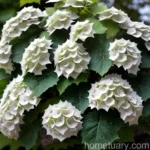
While Schizophragma hydrangeoides is the most commonly cultivated species, there are a few notable varieties worth exploring for gardeners seeking diversity and distinct features in their Japanese hydrangea vines. One such variety is the ‘Moonlight’ Japanese hydrangea vine, celebrated for its creamy, white, lacecap flowers and striking foliage.
- Variety: ‘Moonlight’
- Characteristics: Creamy White Lacecap Flowers, Striking Foliage
- Distinct Features: Unique Coloration and Foliage Texture
Tips for Planting Japanese Hydrangea Vine
When planting Japanese hydrangea vines, providing structural support for climbing, monitoring soil moisture, and selecting the right location based on sunlight requirements are crucial steps to set the stage for successful growth.
- Planting: Provide Structural Support for Climbing
- Care: Monitor Soil Moisture Levels
- Location: Select Proper Sunlight Conditions
Japanese Hydrangea Vine Soil Requirements
Understanding its soil preferences and maintaining optimal moisture levels is paramount when it comes to ensuring the vitality and vigor of the Japanese hydrangea vine.
- Preference: Rich, Well-Draining Soil
- Care: Maintain Adequate Moisture Levels
- pH Range: Slightly Acidic to Neutral
Schizophragma Hydrangeoides Cultivation
Cultivating Japanese hydrangea vine involves adhering to the plant’s cultural requirements, such as consistent moisture, suitable sunlight conditions, and providing adequate support for its climbing habit.
- Cultural Requirement: Consistent Moisture
- Sunlight: Partial to Full Shade
- Support: Structural Support for Climbing
Japanese Hydrangea Vine Watering
Establishing a regular watering schedule and ensuring that the soil maintains adequate moisture without becoming waterlogged are key aspects of successful Japanese hydrangea vine care.
- Timing: Regular Watering, Especially in Dry Periods
- Avoid: Waterlogged Conditions
- Moisture: Consistent Moisture
Growing Japanese Hydrangea Vine in Containers
For gardeners with limited space or those seeking to add vertical interest to patios and balconies, growing Japanese hydrangea vines in containers is an appealing option. However, providing proper support and considerations for soil moisture are essential for container-grown vines.
- Suitability: Container Gardening
- Application: Patios, Balconies, Small Spaces
- Support: Use of Support Structure in Containers
Japanese Hydrangea Vine Sunlight Requirements
Maintaining appropriate sunlight conditions, particularly shielding the vine from hot afternoon sun, supports the healthy growth and flowering of Japanese hydrangea vines.
- Optimal Condition: Partial to Full Shade
- Sun Protection: Shielding from Hot Afternoon Sun
- Tolerance: Morning Sun, Afternoon Shade
Winter Care for Japanese Hydrangea Vine
Providing protection from harsh winter conditions, such as frost and freezing temperatures, is crucial for ensuring the Japanese hydrangea vine’s survival and vitality during the dormant season.
- Protection: Shield from Frost and Freezing Temperatures
- Winter Maintenance: Minimal Pruning, if Needed
- Care: Ensure Adequate Soil Moisture Levels
Japanese Hydrangea Vine Trellis Ideas
Incorporating trellises in garden designs offers structural support for climbing vines like the Japanese hydrangea, providing an opportunity for creative and visually appealing landscaping features.
- Design Element: Incorporate Trellises
- Support: Structural Support for Climbing
- Aesthetic: Enhance Vertical Interest
Schizophragma Hydrangeoides Flowers
The delicate and lacy white flowers of the Japanese hydrangea vine serve as a stunning focal point, adding elegance and charm to garden landscapes.
- Appearance: Delicate, Lacy White Flowers
- Focal Point: Stunning Garden Feature
- Blooming Season: Spring to Summer
Japanese Hydrangea Vine Landscape Uses
Incorporating Japanese hydrangea vines in landscaping designs offers versatile options for adding vertical interest, privacy screening, and graceful adornment to various structures and garden settings.
- Versatility: Vertical Accent, Privacy Screen
- Decoration: Pergolas, Arbors, Fences
- Suitability: Japanese Garden Designs
Tips for Pruning Japanese Hydrangea Vine
Adhering to proper pruning techniques, such as shaping the vine and removing dead or weak stems, helps maintain the overall health and aesthetics of Japanese hydrangea vines.
- Technique: After Flowering, Shape and Control Growth
- Maintenance: Remove Dead or Weak Stems
- Aesthetics: Maintain Healthy Canopy
Japanese Hydrangea Vine Companion Plants
Selecting suitable companion plants that complement the Japanese hydrangea vine’s characteristics and cultural requirements enhances the overall visual appeal and vitality of garden landscapes.
- Selection: Complementary Plants
- Enhancement: Visual Appeal and Vitality
- Support: Soil and Ecological Balance
Japanese Hydrangea Vine in the Shade
Thriving in shaded environments, Japanese hydrangea vines provide an exceptional choice for gardeners seeking ornamental vines that can flourish in partial to full shade.
- Adaptability: Thrives in Shade
- Shade Preference: Partial to Full Shade
- Suitability: Shaded Areas and Woodland Gardens
Schizophragma Hydrangeoides Growth Habit
The climbing habit and lush foliage of Japanese hydrangea vines contribute to their overall appeal, offering an elegant and graceful presence in garden landscapes.
- Habit: Climbing Vine
- Appearance: Lush, Heart-Shaped Leaves
- Aesthetic Value: Graceful and Elegant
Japanese Hydrangea Vine Flowering Season
The spring to summer flowering season of the Japanese hydrangea vine brings forth a profusion of delicate, white blooms, creating a captivating display in garden landscapes.
- Season: Spring to Summer
- Flower Abundance: Profuse Blooms
- Aesthetic Display: Captivating and Elegant
Japanese Hydrangea Vine Training Techniques
Applying proper training techniques to guide the vine’s growth and climbing behavior results in aesthetically pleasing and structurally sound garden features.
- Technique: Training for Climbing
- Structure: Aesthetic Appeal and Soundness
- Visual Impact: Pleasing Garden Features
Schizophragma Hydrangeoides Climbing Habits
Understanding the natural climbing habits of Japanese hydrangea vines informs the selection and application of suitable support structures for promoting their vertical growth and overall health.
- Habit: Natural Climbing
- Support: Suitable Structures for Climbing
- Healthy Growth: Optimal Climbing Support
Japanese Hydrangea Vine Container Gardening
The adaptability of Japanese hydrangea vines to container gardening offers gardeners the opportunity to incorporate these elegant vines into smaller spaces, patios, and balcony settings.
- Adaptability: Container Gardening
- Space Utilization: Patios, Balconies
- Versatility: Small Space Ornamental Plant
Japanese Hydrangea Vine for Pergolas
Incorporating Japanese hydrangea vines in pergola designs presents unique opportunities for creating shaded and visually striking garden spaces with an elegant and delicate presence.
- Design Element: Incorporating in Pergolas
- Visual Impact: Creating Shaded Spaces
- Aesthetic Value: Delicate and Graceful Presence
Schizophragma Hydrangeoides Arbor Support
Utilizing arbor support systems for Japanese hydrangea vines contributes to creating visually enchanting garden features and offers structural guidance for promoting healthy growth habits.
- Support System: Utilize Arbor Structures
- Visual Impact: Enchanting Garden Features
- Structural Guidance: Healthy Growth Promotion
Japanese Hydrangea Vine in Small Spaces
The adaptability of Japanese hydrangea vines to small spaces provides opportunities for gardeners to incorporate these elegant and graceful vines into various settings, enhancing the visual appeal of limited areas.
- Adaptability: Suitability for Small Spaces
- Application: Patios, Balconies, Urban Gardens
- Enhancement: Visual Appeal in Limited Areas
Japanese Hydrangea Vine for Fences
Adding Japanese hydrangea vines to fence lines offers an elegant and decorative approach to enhancing the visual appeal and aesthetics of garden landscapes.
- Decorative Purpose: Enhancing Fence Lines
- Visual Impact: Aesthetic Enhancement
- Versatility: Ornamental Garden Feature
Schizophragma Hydrangeoides Leaf Characteristics
The large, heart-shaped leaves of Japanese hydrangea vines contribute to their overall attractiveness, presenting lush and appealing foliage that complements their delicate, white blooms.
- Characteristics: Large, Heart-Shaped Leaves
- Foliage Appeal: Lush and Attractive
- Complement: Delicate White Blooms
Japanese Hydrangea Vine in Dappled Shade
Thriving in dappled shade environments, Japanese hydrangea vines provide an excellent option for gardeners seeking ornamental vines that can flourish under varying light conditions.
- Adaptability: Thrives in Dappled Shade
- Shade Preference: Versatile Light Conditions
- Suitability: Shaded and Woodland Gardens
Japanese Hydrangea Vine Decorative Uses
Incorporating Japanese hydrangea vines in garden landscapes presents numerous decorative possibilities, from gracing pergolas to adorning fences and creating visually stunning vertical accents.
- Decorative Element: Versatile Decorating Option
- Applications: Pergolas, Arbors, Fences
- Visual Impact: Creating Striking Garden Features
Schizophragma Hydrangeoides Vine Maintenance
Engaging in regular maintenance, such as inspecting for pests and ensuring optimal soil moisture levels, is essential for preserving the health and longevity of Japanese hydrangea vines.
- Maintenance Tasks: Regular Inspection
- Pest Control: Monitoring for Infestations
- Soil Management: Ensuring Moisture Levels
Japanese Hydrangea Vine Insect Control
Vigilant observation and appropriate pest control measures, such as organic or targeted treatments, help prevent and manage common insect pests that may affect Japanese hydrangea vines.
- Pest Control: Vigilant Observation
- Treatment: Organic or Targeted Pest Control
- Prevention: Preventative Measures for Insects
Japanese Hydrangea Vine and Pollinators
The delicate blooms of Japanese hydrangea vines attract beneficial pollinators, adding ecological value to garden landscapes and contributing to the overall biodiversity of the outdoor environment.
- Attraction: Delicate Blooms Attract Pollinators
- Ecological Value: Contribution to Biodiversity
- Benefit: Attracting Beneficial Pollinators
Schizophragma Hydrangeoides Growing Tips
Incorporating the growing tips provided in this comprehensive guide is essential for nurturing healthy, robust Japanese hydrangea vines, ensuring their successful growth and ornamental display.
- Guidance: Incorporating Provided Growing Tips
- Nurturing: Promoting Healthy, Robust Growth
- Success: Ensuring Ornamental Display
Japanese Hydrangea Vine Seasonal Care
Adapting care practices based on seasonal variations is essential for maintaining the health and vitality of Japanese hydrangea vines throughout the year, supporting their continuous growth and blooming cycles.
- Adaptation: Care Adjustments Based on Seasons
- Support: Continuous Growth and Blooming Cycles
- Maintenance: Overall Health and Vitality
Japanese Hydrangea Vine Soil pH Preferences
Understanding and accommodating the soil pH preferences of Japanese hydrangea vines is crucial for ensuring the provision of optimal growing conditions that support their vigor and flowering capabilities.
- Optimization: Understanding Soil pH Preferences
- Accommodation: Provision of Optimal Growing Conditions
- Support: Vigor and Flowering Abilities
Schizophragma Hydrangeoides Trellis Design
Incorporating well-designed trellises is important for providing structural support, aesthetic appeal, and growth guidance for Japanese hydrangea vines, contributing to their overall successful cultivation.
- Incorporation: Utilizing