Japanese Hydrangea Vine (Schizophragma hydrangeoides ‘Moonlight’): A Complete Guide
Introduction
Plants play a critical role in our environment, contributing to the overall well-being of the ecosystem. In this article, I will be delving into the Japanese hydrangea vine, also known as Schizophragma hydrangeoides ‘Moonlight’. This beautiful and versatile plant has become popular among gardening enthusiasts due to its stunning foliage and adaptability to different growing conditions. Throughout this comprehensive guide, I will cover everything from its cultural preferences to common diseases and pest control, as well as propagation and container gardening tips. Whether you’re a novice gardener or an experienced horticulturist, this guide will provide you with valuable insights into the care and cultivation of the Japanese hydrangea vine.
What is the Japanese Hydrangea Vine?
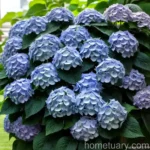
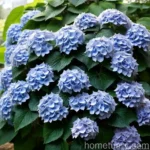
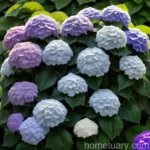
The Japanese hydrangea vine, scientifically known as Schizophragma hydrangeoides ‘Moonlight’, is a deciduous climbing vine that belongs to the Hydrangeaceae family. Originating from East Asia, particularly Japan and Korea, this elegant vine is highly valued for its large, showy flower clusters and striking foliage. Unlike the traditional hydrangea, the Japanese hydrangea vine produces lacecap-like flowers that add a touch of elegance to any garden landscape. The cultivar ‘Moonlight’ is particularly sought after for its creamy, moonlit-colored blooms and its ability to thrive in shaded areas.
Key Takeaways – Japanese Hydrangea Vine (Schizophragma hydrangeoides ‘Moonlight’)
- Botanical Name: Schizophragma hydrangeoides ‘Moonlight’
- Common Name: Japanese Hydrangea Vine, Moonlight Hydrangea Vine
- Family: Hydrangeaceae
- Origin: East Asia (Japan, Korea)
- Cultural Preferences: Shaded areas, well-draining soil
- Notable Feature: Large lacecap-like flower clusters
Now, let’s explore the key aspects of caring for the Japanese hydrangea vine, from its cultural requirements to propagation and common pests and diseases.
Culture
Cultivating the Japanese hydrangea vine requires an understanding of its specific cultural needs, including water, sunlight, fertilizer, soil, and pruning. By paying attention to these aspects, you can ensure that your plant thrives and graces your garden with its stunning foliage and blooms.
Uses
The Japanese hydrangea vine is a versatile plant that can be used in various ways to enhance your garden landscape. Its uses include:
- Climbing Vine: The Japanese hydrangea vine can be trained to climb trellises, arbors, and pergolas, adding vertical interest to the garden.
- Ground Cover: When allowed to sprawl, the vine can serve as an attractive ground cover in shaded areas, creating a lush and verdant carpet of foliage.
- Container Plant: Due to its adaptability to container gardening, the Japanese hydrangea vine can be grown in pots and hanging baskets, adding a touch of elegance to patios and balconies.
- Privacy Screen: Its dense foliage and climbing habit make it an excellent choice for creating a natural privacy screen when grown on fences or walls.
The versatility of the Japanese hydrangea vine makes it a sought-after plant for various landscaping ideas, from woodland gardens to urban balconies.
Water
Proper watering is essential for the health and vitality of the Japanese hydrangea vine, especially during its establishment phase and periods of drought. Here are some key considerations for watering this plant:
- Establishment: Newly planted Japanese hydrangea vines require regular watering to encourage root establishment. Keep the soil consistently moist but not waterlogged during the first growing season.
- Drought Tolerance: Once established, the Japanese hydrangea vine demonstrates a good level of drought tolerance. However, during prolonged dry spells, it’s important to provide supplemental watering to prevent stress and wilting.
- Watering Frequency: During the growing season, water the vine deeply once a week, ensuring that the soil is thoroughly moistened. Adjust the watering frequency based on the local climate and soil conditions.
Sunlight
The Japanese hydrangea vine thrives in shaded or partially shaded areas, making it an ideal choice for gardens with limited direct sunlight. Here are some considerations for providing the right amount of sunlight to this plant:
- Optimal Light Levels: The Japanese hydrangea vine prefers dappled or filtered sunlight, especially in regions with hot summers. Avoid planting it in areas with intense, direct sunlight as this can scorch the foliage and lead to reduced flower production.
- Shade Tolerance: This vine demonstrates excellent shade tolerance, making it a preferred choice for gardens with mature trees or structures that cast partial shade.
- Sun Exposure: In cooler climates, the Japanese hydrangea vine can tolerate a bit more sunlight, but it still requires protection from the harsh midday sun.
By ensuring that the Japanese hydrangea vine receives the right amount of sunlight, you can promote healthy growth and abundant flowering.
Fertilizer
Proper fertilization is essential for nourishing the Japanese hydrangea vine and supporting its overall growth and flowering potential. Consider the following guidelines for fertilizing this plant:
- Soil Testing: Before applying any fertilizers, conduct a soil test to determine the pH level and nutrient content of the soil. This will help you tailor the fertilization regimen to meet the plant’s specific needs.
- Balanced Fertilizer: Use a balanced, slow-release fertilizer with a formulation such as 10-10-10 or 20-20-20 to provide essential nutrients without promoting excessive foliage growth at the expense of flowers.
- Fertilizer Application: Apply the fertilizer in early spring before the start of the growing season. Avoid overfertilizing, as this can lead to excessive foliage at the expense of blooms.
By providing the Japanese hydrangea vine with the right balance of nutrients, you can support its health and vigor, leading to a bountiful display of flowers.
Soil
The right soil conditions are crucial for the Japanese hydrangea vine to thrive and flourish. Here are the key considerations for soil requirements:
- Well-Draining Soil: The Japanese hydrangea vine prefers moist, well-draining soil that retains some level of moisture without becoming waterlogged. It is important to avoid heavy, compacted soils that can impede root growth and drainage.
- Organic Matter: Amending the soil with organic matter such as compost or well-rotted manure can improve its structure and fertility, providing an ideal growing medium for the vine.
- Acidic pH: The Japanese hydrangea vine thrives in slightly acidic to neutral soil with a pH range of 5.5 to 7.0. Test the soil pH and make any necessary adjustments to create optimal growing conditions.
By preparing the right soil environment, you can ensure that the Japanese hydrangea vine establishes strong roots and experiences minimal stress during its growth.
Pruning
Pruning is an essential aspect of Japanese hydrangea vine care, helping to maintain its shape, promote flowering, and control its growth. Here are the key aspects to consider when pruning this vine:
- Timing: Prune the vine in late winter or early spring before the new growth emerges. This allows you to remove any damaged, diseased, or dead wood while shaping the plant for the upcoming growing season.
- Pruning Method: Use clean, sharp pruning shears to make precise cuts, removing any congested or errant growth. Take care to maintain the natural form of the vine and encourage an open, airy structure.
- Flower Pruning: The Japanese hydrangea vine produces its blooms on the previous year’s growth. To promote flowering, avoid heavy pruning that removes all the older wood, as this can decrease flower production.
By adopting a strategic approach to pruning, you can enhance the overall health and beauty of the Japanese hydrangea vine, ensuring that it remains an attractive feature in your garden.
Propagation
Propagating the Japanese hydrangea vine allows you to expand your plant collection and share this beautiful species with fellow gardening enthusiasts. Here are some propagation methods to consider:
- Stem Cuttings: Propagate the Japanese hydrangea vine using semi-hardwood stem cuttings taken during the late spring to early summer. Cut a 6- to 8-inch section of a healthy, non-flowering stem and remove the lower leaves. Dip the cut end in rooting hormone and plant it in a well-draining potting mix. Mist the cutting regularly to maintain humidity and encourage root development.
- Layering: Air layering is another effective method for propagating the Japanese hydrangea vine. Select a healthy, flexible stem and make a slanting cut through the bark. Apply rooting hormone to the wounded area and wrap it with moist sphagnum moss and plastic wrap. After the roots have formed, carefully detach the rooted section and plant it in a suitable location.
By exploring different propagation techniques, you can successfully propagate the Japanese hydrangea vine and share its natural beauty with others.
Container Popularity
The Japanese hydrangea vine’s adaptability to container gardening has made it a popular choice for various outdoor and indoor settings. Consider the following factors when growing this vine in containers:
- Pot Selection: Choose a large, sturdy container with adequate drainage holes to accommodate the vine’s root system. Consider a decorative pot that complements the vine’s elegant appearance.
- Growing Medium: Use a well-draining potting mix enriched with organic matter to support healthy root growth. Ensure that the soil retains moisture without becoming waterlogged.
- Location: Place the container in a shaded or partially shaded area, away from direct sunlight and strong winds. Consider providing a trellis or support for the vine to climb and flourish.
By cultivating the Japanese hydrangea vine in containers, you can enjoy its captivating beauty in spaces where traditional in-ground planting is not feasible.
Common Diseases
Like any plant, the Japanese hydrangea vine is susceptible to certain diseases that can affect its health and vitality. By familiarizing yourself with these common diseases, you can take proactive measures to prevent and manage them effectively.
Disease Diagnosis
When caring for the Japanese hydrangea vine, watch out for the following common diseases and symptoms:
- Powdery Mildew: This fungal disease appears as a white, powdery coating on the leaves, stems, and flowers. It thrives in humid conditions and can lead to leaf distortion and reduced plant vigor.
- Leaf Spot: Leaf spot diseases, caused by various fungi, result in the formation of dark, water-soaked lesions on the leaves. Severe infections can cause premature leaf drop and overall decline in plant health.
- Root Rot: Overly wet or poorly drained soil can lead to root rot, characterized by soft, mushy roots and a general decline in the plant’s health. Yellowing foliage and wilting are common symptoms of root rot.
By monitoring the Japanese hydrangea vine for these symptoms and addressing them promptly, you can prevent the spread of diseases and promote the plant’s overall well-being.
Common Pests
In addition to diseases, the Japanese hydrangea vine may also attract certain pests that can affect its growth and appearance. Look out for the following common pests and take appropriate measures to manage them:
- Aphids: These small, sap-sucking insects can cause leaf distortion and the development of sticky honeydew on the foliage. Natural predators such as ladybugs can help control aphid populations.
- Scale Insects: Scale insects appear as small, waxy bumps on the stems and leaves, where they feed on the plant’s sap. Severe infestations can lead to stunted growth and weakened overall health.
- Spider Mites: These tiny arachnids feed on the plant’s sap, causing stippled, discolored foliage and fine webbing on the leaves. Regular misting and the introduction of predatory mites can help manage spider mite populations.
By maintaining a vigilant approach to pest management, you can protect the Japanese hydrangea vine from the detrimental effects of common pests.
Botanist’s Tips
As a plant scientist, I want to provide some additional tips and insights for successfully growing and caring for the Japanese hydrangea vine:
- Companion Planting: Pair the Japanese hydrangea vine with shade-loving perennials such as hostas, ferns, and astilbes to create a lush, woodland-inspired garden setting.
- Mulching: Apply a layer of organic mulch, such as shredded bark or leaf mold, around the base of the vine to conserve soil moisture and suppress weed growth.
- Winter Protection: In regions with cold winters, consider providing winter protection for the Japanese hydrangea vine, such as wrapping the base with burlap or insulating with straw to prevent frost damage.
By incorporating these botanist’s tips into your gardening practices, you can optimize the growing conditions for the Japanese hydrangea vine and enjoy its beauty to the fullest.
Fun Facts
To round out our exploration of the Japanese hydrangea vine, here are some fun and interesting facts about this captivating plant:
- The Japanese hydrangea vine is a relative of the traditional hydrangea, though it differs in its climbing habit and lacecap-like flowers.
- Its cultivar ‘Moonlight’ is prized for its creamy, moonlit-colored blooms, creating a striking display in shaded garden settings.
- The vine’s lush foliage and elegant flowers make it a popular choice for creating a romantic, cottage garden ambiance.
- The Japanese hydrangea vine is known for its adaptability to various growing conditions, from shaded woodlands to urban balconies.
Now that we’ve covered the cultural preferences, uses, and essential care tips for the Japanese hydrangea vine, I invite you to explore additional resources and guides to enhance your knowledge of this exceptional plant.
Links to External Resources
To further expand your understanding of the Japanese hydrangea vine and its care, consider exploring the following resources:
- Royal Horticultural Society – Schizophragma
- Missouri Botanical Garden – Japanese Hydrangea Vine
- University of Florida IFAS Extension – Hydrangea Vine
By delving into these resources, you can gain a deeper understanding of the Japanese hydrangea vine and become better equipped to care for this exquisite plant in your own garden.
In conclusion, the Japanese hydrangea vine, particularly the ‘Moonlight’ cultivar, is a captivating and versatile addition to any garden setting. Its elegant blooms, lush foliage, and adaptability make it a sought-after choice for gardeners seeking to create enchanting landscapes in shaded or partially shaded areas. By applying the insights and tips presented in this guide, you can cultivate and care for the Japanese hydrangea vine with confidence, ensuring that it thrives and flourishes in your outdoor spaces. Whether it’s gracing a trellis, adorning a container, or creating a natural privacy screen, the Japanese hydrangea vine is sure to captivate with its beauty and charm.
I hope this comprehensive guide has inspired you to explore the unique characteristics and care requirements of the Japanese hydrangea vine, and I encourage you to immerse yourself in the joy of cultivating this remarkable plant in your own garden.
Happy gardening!
Please note that the information provided in this guide is based on general care practices for the Japanese hydrangea vine and may need to be tailored to specific regional conditions. Always consult local gardening resources and experts for personalized recommendations and advice.