Tree Heliotrope (Tournefortia Argentea)
Tree heliotrope, scientifically known as Tournefortia argentea, is a versatile and beautiful plant known for its ornamental and medicinal uses. This blog.
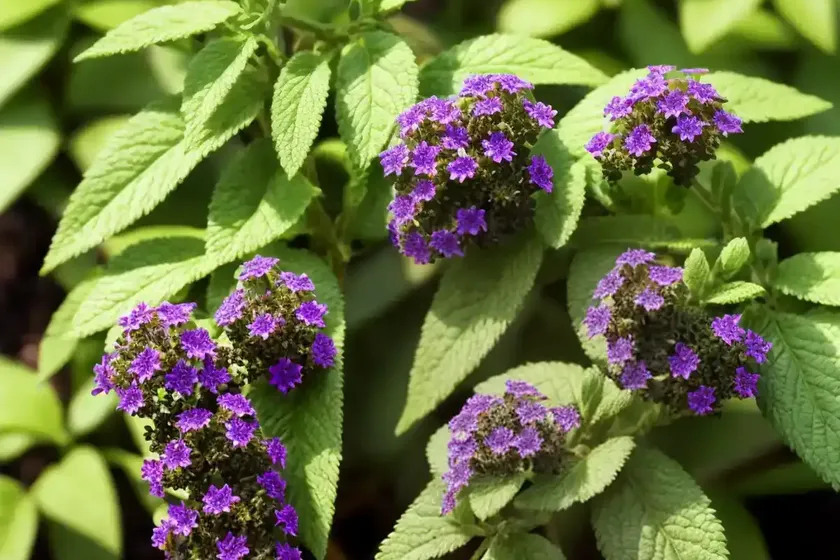
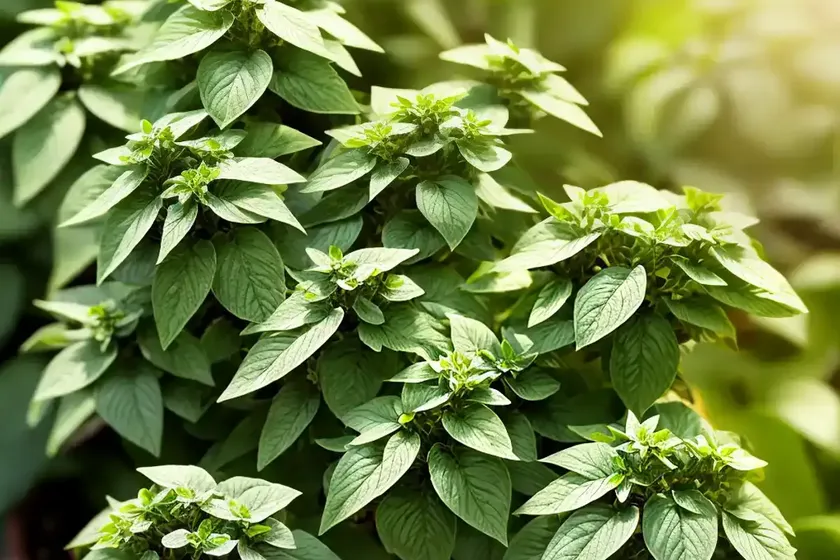
Tree heliotrope, scientifically known as Tournefortia argentea, is a versatile and beautiful plant known for its ornamental and medicinal uses. This blog post will provide a comprehensive overview of the tree heliotrope, including its cultural requirements, propagation, common diseases, and fun facts. Moreover, we will explore the plant’s landscape uses, wildlife attractant properties, and gardening tips to help enthusiasts and horticulturists gain a deeper understanding of this fascinating species.
What is Plant: Tree Heliotrope (Tournefortia argentea)
Tree heliotrope, or Tournefortia argentea, is a species of shrub or small tree that belongs to the family Boraginaceae. It is native to various tropical and subtropical regions, including Mexico, the Caribbean, Central America, and the northern regions of South America. This plant is characterized by its attractive foliage, fragrant flowers, and its ability to thrive in diverse environmental conditions.
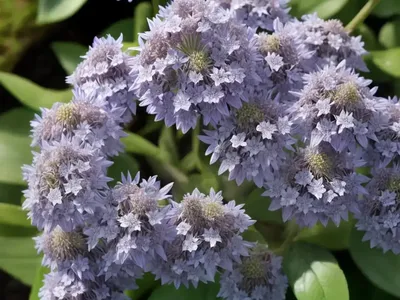
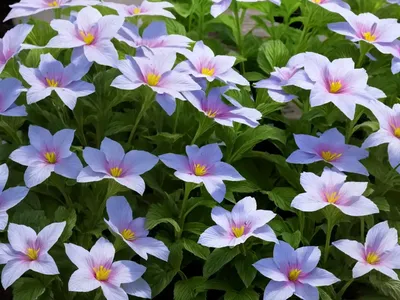
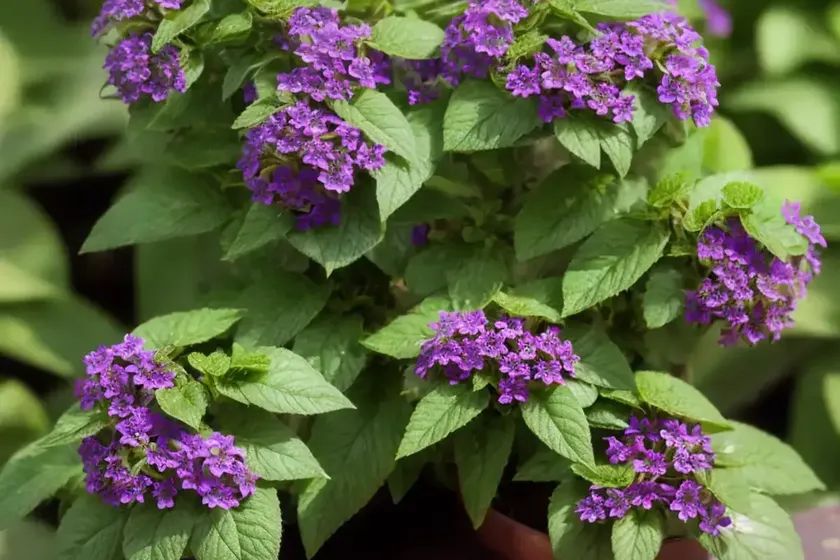
The tree heliotrope is known for its silvery-green leaves and clusters of white to pale lavender flowers that bloom throughout the year. In addition to its aesthetic appeal, this species has been traditionally utilized for its medicinal properties and has become a popular choice for landscaping and ornamental gardening.
Key Takeaways – Tree Heliotrope (Tournefortia argentea)
Before delving into the details of growing and caring for the tree heliotrope, let’s explore some key takeaways about this fascinating plant:
- Scientific Name: Tournefortia argentea
- Family: Boraginaceae
- Native Habitat: Tropical and subtropical regions in Mexico, the Caribbean, Central America, and northern South America
- Characteristics: Silvery-green leaves, fragrant white to pale lavender flowers
- Uses: Ornamental purposes, medicinal properties
- Growing Conditions: Thrives in diverse environmental conditions
Now that we have established an overview of the plant, let’s dive into the specifics of its cultivation, care, and landscaping potential.
Culture
Cultivating the tree heliotrope requires an understanding of its specific cultural requirements, including water, sunlight, fertilizer, soil composition, and pruning techniques. By providing the optimal growing conditions, enthusiasts can ensure the health and vibrancy of this ornamental plant.
Uses
Tree heliotrope has a range of uses, from its aesthetic appeal to its medicinal properties. Understanding the diverse applications of this plant enhances its value and appeal in various settings.
Key Uses of Tree Heliotrope:
-
Ornamental Purposes: The plant is prized for its attractive foliage and clusters of fragrant, delicate flowers, making it a popular choice for ornamental landscaping in gardens and public spaces.
-
Medicinal Properties: In traditional medicine, various parts of the tree heliotrope have been utilized for their potential medicinal benefits, including anti-inflammatory and analgesic properties. The leaves and flowers are often employed in herbal remedies.
The multi-faceted uses of the tree heliotrope contribute to its desirability and cultural significance.
Water
Proper watering is essential for the health and vigor of the tree heliotrope. Understanding its water requirements helps maintain optimal growing conditions and prevents water-related stress.
Tree Heliotrope Water Needs:
- Establishment Phase: During the initial establishment phase, regular watering is crucial to support root development and growth.
- Mature Plants: Once established, tree heliotrope plants demonstrate moderate drought tolerance, but they still benefit from occasional deep watering, especially during dry periods.
- Drainage: Good soil drainage is essential to prevent waterlogging, particularly in container-grown specimens.
Sunlight
Sunlight plays a vital role in the growth and blooming of the tree heliotrope. Understanding its sunlight preferences ensures an environment conducive to healthy and vibrant plants.
Tree Heliotrope Sun Exposure:
- Optimal Conditions: Tree heliotrope thrives in full sun to partial shade, preferring at least 6 hours of sunlight per day for robust blooming and overall growth.
- Protection: In extremely hot climates, providing partial shade during the hottest part of the day can prevent stress and sunburn on the leaves.
Creating an optimal balance of sunlight exposure is crucial for the plant’s overall well-being.
Fertilizer
Supplemental fertilization can support the growth and flowering of the tree heliotrope. Understanding appropriate fertilizer application and timing contributes to the plant’s health.
Tree Heliotrope Fertilizer Guidelines:
- Balanced Fertilizer: Apply a balanced, slow-release fertilizer in spring to promote healthy growth and prolific flowering.
- Frequency: For container-grown plants, a monthly application of a diluted liquid fertilizer during the growing season can enhance vigor and blooming.
- Avoid Over-fertilization: Excessive fertilization can lead to lush foliage at the expense of flowering, so it is important to follow recommended application rates.
Applying fertilizer in accordance with the plant’s nutritional needs promotes overall vitality and blooming capacity.
Soil
The composition and quality of the soil significantly impact the growth and health of the tree heliotrope. Understanding soil requirements aids in creating an ideal growing environment.
Tree Heliotrope Soil Requirements:
- Well-draining Soil: The plant thrives in moderately fertile, well-draining soil, whether sandy, loamy, or rocky.
- pH Levels: A slightly acidic to neutral soil pH within the range of 6.0 to 7.5 is ideal for optimal nutrient uptake and growth.
- Improving Soil: Incorporating organic matter into the soil can enhance its fertility and structure, promoting healthy root development.
Providing the appropriate soil conditions aids in establishing a conducive environment for the tree heliotrope’s growth.
Pruning
Pruning is an essential aspect of tree heliotrope maintenance, contributing to its overall health, aesthetics, and flowering potential. Understanding proper pruning techniques is crucial for promoting a well-shaped and blooming plant.
Tree Heliotrope Pruning Techniques:
- Deadheading: Regularly removing spent flowers encourages continuous blooming and maintains a neat appearance.
- Shaping: Pruning to shape the plant can be conducted after the flowering period to maintain a compact, attractive form.
- Removal of Diseased or Damaged Branches: Eliminating diseased or damaged branches contributes to the plant’s health and prevents the spread of diseases.
By employing appropriate pruning practices, enthusiasts can enhance the plant’s aesthetics and promote its flowering capacity.
Propagation
Propagating the tree heliotrope allows enthusiasts and horticulturists to expand their collection and share the plant’s beauty with others. Understanding propagation methods and best practices is essential for successful reproduction.
Tree Heliotrope Propagation Methods:
- Seeds: Propagating from seeds is a viable method, though it may take longer to produce mature flowering plants.
- Cuttings: Stem cuttings from healthy, established plants can be propagated in a suitable growing medium to produce new plants efficiently.
- Layering: Air layering or ground layering can be employed to encourage the development of new roots on the parent plant, facilitating the creation of a new specimen.
By selecting the most suitable propagation method and adhering to best practices, individuals can successfully propagate tree heliotrope plants.
Container Popularity
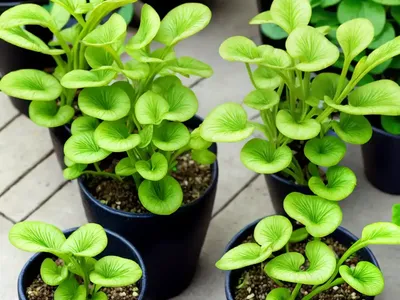
The tree heliotrope’s adaptability to container growth makes it a popular choice for ornamental gardening on patios, balconies, and in smaller gardens. Its compact size and attractive features lend themselves well to container cultivation.
Container Common Diseases
While container gardening offers numerous advantages, it is important to be aware of common diseases that may affect tree heliotrope plants grown in containers.
Common Diseases in Container-Grown Tree Heliotrope:
- Root Rot: Overwatering or poor drainage in containers can lead to root rot, manifesting as wilting and yellowing of the foliage.
- Powdery Mildew: Humidity and insufficient air circulation in confined spaces can contribute to powdery mildew on the leaves, resulting in a white, powdery growth.
Awareness of common diseases in container cultivation enables proactive measures to prevent and address potential issues.
Disease Diagnosis
Identifying and addressing diseases promptly is crucial for maintaining the health and vigor of tree heliotrope plants. Familiarity with common diseases aids in timely intervention and effective treatment.
Common Pests
Pest management is an integral aspect of tree heliotrope care. Being mindful of common pests and employing appropriate control measures promotes plant health and vitality.
Common Pests Affecting Tree Heliotrope:
- Aphids: These sap-sucking insects can lead to distorted growth and the development of sticky honeydew on the leaves.
- Spider Mites: Infestations can cause stippling and webbing on the foliage, leading to reduced plant vigor.
- Whiteflies: These tiny, flying insects can cause leaf yellowing and may transmit viral diseases.
Employing suitable pest control methods mitigates potential damage and preserves the plant’s health.
Botanist’s Tips
Here are some expert tips from botanists to help enthusiasts successfully grow and care for the tree heliotrope:
- Selecting a Planting Site: Choose a well-drained location that receives ample sunlight to promote robust growth and blooming.
- Proper Watering: Strike a balance between sufficient moisture and good drainage to prevent water-related stress and diseases.
- Regular Inspection: Conduct routine inspections to detect and address any signs of pests or diseases promptly.
- Prudent Pruning: Practice regular deadheading and selective pruning to maintain a tidy and flourishing plant.
- Fertilization Practice: Apply a balanced fertilizer in accordance with the plant’s nutritional needs to support healthy growth and flowering.
Incorporating these tips into the cultivation and care of the tree heliotrope facilitates an environment conducive to its prosperity.
Fun Facts
Uncover some intriguing and lesser-known facts about the tree heliotrope that add to its allure and appeal:
- The plant’s species name, “argentea,” is derived from the Latin word for “silvery,” reflecting the distinctive color of its foliage.
- In addition to its ornamental value, certain traditional medicine systems view the tree heliotrope as possessing therapeutic properties.
- The fragrant flowers of the tree heliotrope attract pollinators, contributing to biodiversity and garden vitality.
Discovering these captivating facts enhances the appreciation for the tree heliotrope’s unique characteristics and cultural significance.
Links to External Resources
Explore the following links for additional information and resources related to tree heliotrope cultivation, care, and plant profiles:
- Tree Heliotrope: A Medicinal Plant with Ornamental Appeal
- Cultivating Tournefortia argentea: Best Practices and Tips
- Enhancing Garden Biodiversity with Tree Heliotrope
- Exploring the Therapeutic Potential of Tree Heliotrope
- Container Gardening with Tree Heliotrope: Space-Saving Beauty
These external resources provide valuable insights and guidance for enthusiasts, horticulturists, and gardeners interested in the tree heliotrope and its cultivation.
In conclusion, the tree heliotrope (Tournefortia argentea) is a captivating and versatile plant celebrated for its ornamental beauty, cultural significance, and potential medicinal properties. By embracing its distinctive features and understanding its cultural requirements, individuals can cultivate, care for, and appreciate this species in diverse settings. Whether in gardens, containers, or natural landscapes, the tree heliotrope contributes to the aesthetic and ecological richness of its surroundings, making it a cherished addition to horticultural endeavors.