Japanese Spirea (Spiraea Japonica Var. Albiflora)
Japanese spirea (Spiraea japonica var. albiflora) is a beautiful and versatile shrub that is popular among gardeners for its attractive foliage, showy.
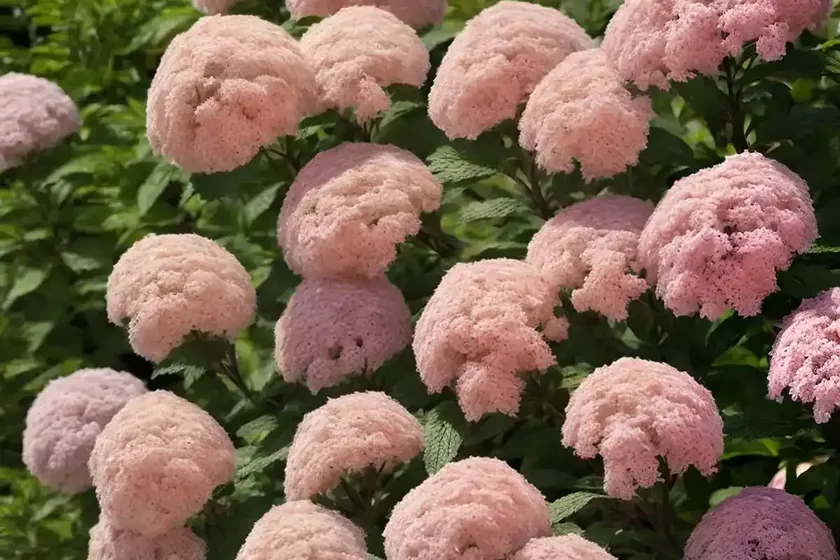
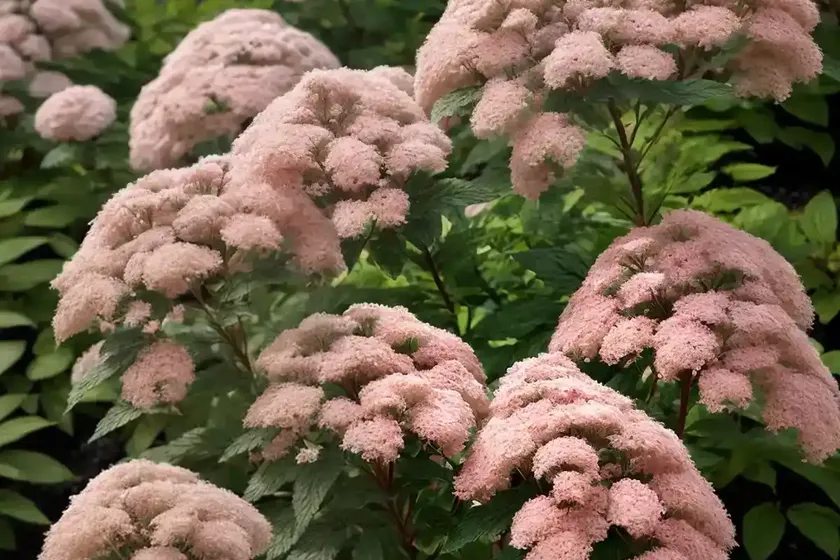
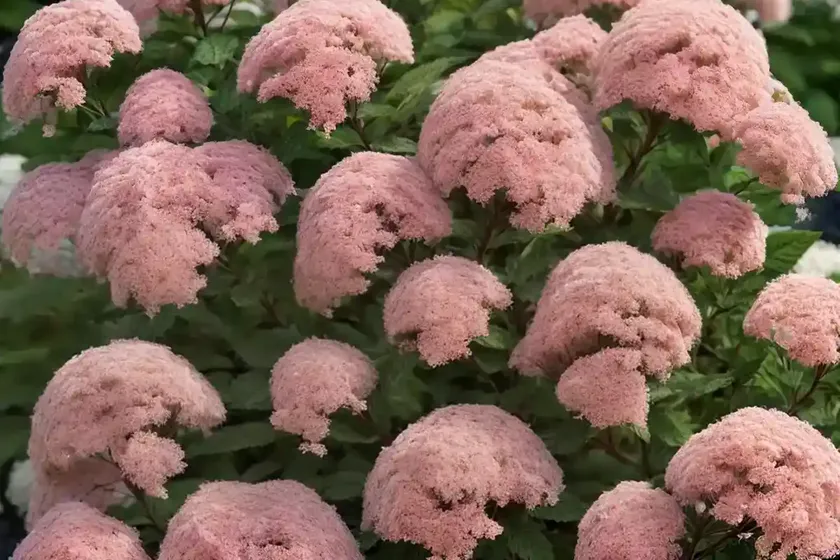
Japanese spirea (Spiraea japonica var. albiflora) is a beautiful and versatile shrub that is popular among gardeners for its attractive foliage, showy white flowers, and ease of cultivation. This ornamental plant is valued for its low maintenance requirements, making it a favorite choice for landscaping, borders, and mixed shrubbery. In this comprehensive guide, we will explore the various aspects of Japanese spirea, including its cultural requirements, uses, maintenance, common diseases, and botanist’s tips for optimal growth. Whether you are a novice gardener or an experienced horticulturist, this guide will provide invaluable insights into the cultivation and care of Japanese spirea.
What is Japanese Spirea (Spiraea japonica var. albiflora)?
Japanese spirea, scientifically known as Spiraea japonica var. albiflora, is a deciduous shrub belonging to the Rosaceae family. It is native to East Asia, including Japan, China, and Korea. This attractive shrub is characterized by its arching, densely-branched growth habit and clusters of small, delicate flowers that adorn its foliage. Japanese spirea typically blooms in late spring to summer, adding vibrant colors to the landscape.
Key Takeaways – Japanese Spirea (Spiraea japonica var. albiflora)
Before delving deeper into the cultivation and care of Japanese spirea, let’s explore some key takeaways about this beautiful shrub. The following points provide an overview of the essential aspects of Japanese spirea:
- Scientific Name: Spiraea japonica var. albiflora
- Common Names: Japanese spirea, White Japanese spirea
- Family: Rosaceae
- Ornamental Features: Clusters of small, white flowers, arching growth habit
- Cultural Uses: Landscaping, borders, mixed shrubbery
- Maintenance: Low maintenance, drought-tolerant
- Foliage: Deciduous, serrated leaves
- Hardiness Zones: 4-9
- Mature Height: 2-3 feet
- Blooming Period: Late spring to summer
- Special Features: Attracts butterflies, bees, and other pollinators
Now that we have a general understanding of Japanese spirea, let’s explore the specific cultural requirements and best practices for cultivating and caring for this ornamental shrub.
Culture of Japanese Spirea
Cultivating Japanese spirea involves understanding its specific requirements for water, sunlight, soil, and fertilizer. By providing the right growing conditions, you can ensure the health and vitality of your Japanese spirea shrubs, leading to an impressive display of foliage and blooms.
Water
Japanese spirea thrives in moist, well-drained soil. While established plants exhibit good drought tolerance, consistent watering is essential, particularly during the establishment phase and prolonged dry spells. Deep, infrequent watering is preferable, as it promotes the development of a robust root system and reduces the risk of shallow root growth.
Water Requirements for Japanese Spirea
- Newly Planted: Water deeply immediately after planting to settle the soil, and continue to provide supplemental watering as needed to keep the soil evenly moist.
- Established Plants: Water when the soil becomes dry, and increase frequency during hot, dry periods to maintain adequate moisture levels.
Sunlight
Japanese spirea flourishes in full sunlight to partial shade. However, it tends to produce the most abundant blooms when grown in full sun. When planted in shadier locations, the plant may exhibit reduced flowering and less vigorous growth. Therefore, it is advisable to provide adequate sunlight to ensure optimal performance.
Sunlight Needs for Japanese Spirea
- Full Sun: Ideally, provide at least 6-8 hours of direct sunlight for the best flowering and overall plant vigor.
- Partial Shade: Can tolerate partial shade, but flowering may be less profuse compared to plants grown in full sun.
Fertilizer
Proper fertilization plays a crucial role in promoting healthy growth and flowering in Japanese spirea. A balanced, slow-release fertilizer formulated for flowering shrubs can provide the necessary nutrients for robust foliage and prolific blooms.
Fertilizer Requirements for Japanese Spirea
- Timing: Apply fertilizer in early spring before new growth emerges to support the plant’s nutrient needs during the growing season.
- Application Method: Spread the fertilizer evenly around the drip line of the plant, and water thoroughly to incorporate it into the soil.
Soil
Japanese spirea thrives in well-drained, loamy soil with a slightly acidic to neutral pH. Good soil drainage is essential to prevent waterlogging, which can lead to root rot and other moisture-related issues. Amending the soil with organic matter, such as compost or peat moss, can improve its structure and fertility.
Soil Requirements for Japanese Spirea
- Texture: Well-drained loamy soil
- pH Range: Slightly acidic to neutral (pH 6.0-7.0)
- Amendments: Incorporate organic matter to improve soil structure and fertility
Pruning Japanese Spirea
Pruning is an important aspect of Japanese spirea maintenance, as it helps maintain the plant’s shape, promote new growth, and rejuvenate older shrubs. Proper pruning techniques can enhance the overall appearance of the plant and encourage prolific flowering.
Pruning Techniques for Japanese Spirea
- Timing: Prune Japanese spirea in late winter to early spring before new growth begins.
- Objective: Remove dead, damaged, or overgrown branches, and shape the plant to maintain an open, airy structure.
- Tool Selection: Use sharp, clean pruning shears to make precise cuts without causing unnecessary damage to the plant.
Propagation of Japanese Spirea
Japanese spirea can be propagated through various methods, including softwood cuttings, hardwood cuttings, and division. Propagation allows gardeners to create new plants from existing ones, expand their garden collections, or share the beauty of Japanese spirea with others.
Propagation Methods for Japanese Spirea
- Softwood Cuttings: Take 4-6 inch cuttings from the current season’s growth in late spring to early summer, and root them in a well-draining rooting medium.
- Hardwood Cuttings: Gather 6-8 inch cuttings from mature wood in late fall or winter, and root them using the proper propagation techniques.
- Division: Divide established plants in early spring before new growth emerges, ensuring that each division has a healthy root system and ample foliage.
Japanese Spirea in Containers
Japanese spirea can thrive in containers, making it a versatile choice for patio gardens, urban landscapes, and small outdoor spaces. When grown in containers, it is important to provide appropriate care and maintenance to ensure the plant’s health and vitality.
Container Growing Tips for Japanese Spirea
- Container Size: Select a container with an adequate diameter and depth to accommodate the plant’s root system and allow for healthy growth.
- Potting Mix: Use a well-draining potting mix formulated for container-grown plants, and ensure proper drainage by adding drainage holes if necessary.
- Watering: Monitor the moisture levels in the container and water as needed to keep the soil evenly moist, but not waterlogged.
- Fertilization: Apply a balanced, slow-release fertilizer to the container-grown Japanese spirea following the recommended guidelines.
Popularity of Japanese Spirea
Japanese spirea, with its captivating white flowers and compact growth habit, has gained widespread popularity among gardeners and landscapers. Its versatility, ease of cultivation, and ornamental appeal make it a sought-after choice for various landscape applications.
Popularity Factors for Japanese Spirea
- Landscape Versatility: Japanese spirea can be used as a focal point, border plant, mass planting, or incorporated into mixed shrubbery, offering diverse landscaping options.
- Low Maintenance: Its minimal care requirements and adaptability to different growing conditions appeal to both novice and experienced gardeners.
- Attractive Flowers: The clusters of white flowers that adorn the plant in spring and summer add elegance and charm to any garden setting.
- Wildlife Attraction: Japanese spirea’s flowers attract butterflies, bees, and other pollinators, contributing to a thriving ecosystem in the garden.
Common Diseases of Japanese Spirea
While Japanese spirea is relatively resistant to diseases, certain environmental conditions and cultural practices can make it susceptible to specific issues. Recognizing and addressing common diseases is crucial for maintaining the health and vigor of Japanese spirea in the landscape.
Disease Diagnosis and Management
Disease: Powdery Mildew
- Symptoms: White powdery spots on the upper surface of the leaves, often accompanied by leaf yellowing and distortion.
- Management: Improve air circulation, avoid overhead watering, and apply fungicidal sprays as needed to control powdery mildew.
Disease: Leaf Spot
- Symptoms: Circular, dark-colored spots on the foliage, which may expand and cause leaf yellowing or premature drop.
- Management: Remove and destroy infected leaves, ensure proper sanitation, and apply fungicidal treatments if necessary.
Common Pests Affecting Japanese Spirea
In addition to diseases, Japanese spirea can be vulnerable to certain pests that may impact its growth and overall health. Monitoring for pest infestations and implementing appropriate control measures are essential for preserving the plant’s vitality.
Pest Identification and Control
Pest: Aphids
- Identification: Small, soft-bodied insects that congregate on the undersides of leaves and excrete sticky honeydew, leading to sooty mold.
- Control: Use a strong blast of water to dislodge aphids, introduce natural predators, or apply insecticidal soap to manage infestations.
Pest: Spider Mites
- Identification: Tiny arachnids that cause stippling on the leaves, leading to a weakened appearance and reduced vitality.
- Control: Increase humidity, apply horticultural oil, or use miticides to mitigate spider mite populations.
Botanist’s Tips for Japanese Spirea Care
To ensure the successful cultivation and care of Japanese spirea, it is beneficial to heed the advice of experienced botanists and horticulturists. Their insights and recommendations can offer valuable guidance for optimizing the plant’s health and overall performance.
Botanist’s Tips for Japanese Spirea
- Prune Regularly: Engage in routine pruning to maintain the plant’s shape and encourage vigorous growth.
- Monitor Soil Moisture: Avoid allowing the soil to become excessively dry, particularly during hot, dry periods.
- Observe for Pests and Diseases: Regularly inspect the foliage for signs of pest infestations or disease symptoms, and take prompt action if detected.
- Apply Balanced Fertilizer: Use a well-balanced, slow-release fertilizer to provide essential nutrients for healthy growth and abundant flowering.
- Promote Air Circulation: Ensure adequate spacing between plants to optimize air circulation and reduce the risk of fungal diseases.
Fun Facts About Japanese Spirea
Japanese spirea is not only valued for its ornamental qualities and landscape appeal but also holds some intriguing and notable characteristics that add to its allure. These fun facts shed light on the unique attributes and charm of Japanese spirea.
Fascinating Tidbits about Japanese Spirea
- Variety of Cultivars: Japanese spirea is available in a wide range of cultivars, offering diverse flower colors, leaf variegation, and growth habits.
- Butterfly Magnet: The attractive flowers of Japanese spirea draw an array of butterflies, contributing to a delightful and animated garden scene.
- Adaptable to Pruning: Japanese spirea responds well to pruning and can be shaped into various forms, making it a versatile choice for both formal and informal garden designs.
- Seasonal Interest: Beyond its blooming period, Japanese spirea continues to add visual interest with its foliage color changes, extending its appeal throughout the growing season.
Links to External Resources
For further information on Japanese spirea and related topics, consider exploring the following external resources:
- Spiraea japonica: A Decorative Plant for Every Garden
- Growing and Propagating Spiraea Japonica
- How to Prune Spirea Japonica
- Managing Aphids on Ornamental Plants
- Identifying and Controlling Powdery Mildew
In conclusion, Japanese spirea (Spiraea japonica var. albiflora) represents a captivating and versatile plant that enhances garden landscapes with its charming white flowers and ornamental foliage. By addressing its cultural needs, implementing proper care practices, and remaining vigilant against potential diseases and pests, gardeners can celebrate the enduring beauty and appeal of Japanese spirea in their outdoor spaces. Whether utilized as a standalone specimen, a mass planting, or a container-grown accent, Japanese spirea makes a compelling case for its inclusion in diverse garden settings.
By embracing the cultivation and care guidelines outlined in this comprehensive guide, enthusiasts and horticulturalists can foster the flourishing growth and enduring charm of Japanese spirea, creating picturesque and vibrant scenes in their gardens and landscapes.
Remember to explore reliable external resources, seek guidance from experienced professionals, and stay attuned to the latest developments in ornamental horticulture to continue enriching your knowledge and appreciation for Japanese spirea and other prized garden plants.
Happy gardening!
Keywords: Japanese spirea varieties, Spiraea japonica albiflora, White Japanese spirea, Spiraea japonica cultivars, Albiflora spirea, Ornamental Japanese spirea, Spiraea japonica white flowers, Japanese spirea shrubs, Spiraea japonica albiflora pruning, White flowered Japanese spirea, Spiraea japonica var. albiflora care, Japanese spirea landscaping ideas, Spiraea japonica var. albiflora characteristics, Japanese spirea gardening tips, Spiraea japonica albiflora growth habits, White Japanese spirea varieties, Spiraea japonica albiflora planting guide, Japanese spirea maintenance, Spiraea japonica var. albiflora diseases, White flowered spirea varieties, Spiraea japonica albiflora pruning techniques, Japanese spirea flower colors, Spiraea japonica var. albiflora landscape uses, White Japanese spirea shrubs, Spiraea japonica albiflora soil requirements, Japanese spirea pruning tips, Spiraea japonica var. albiflora sunlight needs, White flowered spiraea cultivars, Spiraea japonica albiflora water requirements, Japanese spirea growth rate, Spiraea japonica var. albiflora ornamental uses, Japanese spirea drought tolerance, Spiraea japonica albiflora winter care, White Japanese spirea growth habits, Spiraea japonica var. albiflora planting tips, Japanese spirea pest control, Spiraea japonica albiflora companion plants, White flowered Japanese spirea care, Spiraea japonica var. albiflora flower appearance, Japanese spirea fertilizer needs, Spiraea japonica albiflora mature size, White Japanese spirea landscaping ideas, Spiraea japonica var. albiflora mulching techniques, Japanese spirea transplanting guide, Spiraea japonica albiflora root system, White flowered spirea maintenance, Spiraea japonica var. albiflora blooming period, Japanese spirea disease resistance, Spiraea japonica albiflora foliage color, Japanese spirea var. albiflora planting instructions


