Bigleaf Hydrangea (Hydrangea Macrophylla ‘SMHMLDD’ LET’S DANCE DIVA)
The Bigleaf Hydrangea, scientifically known as Hydrangea macrophylla ‘SMHMLDD’ LET’S DANCE DIVA, is a stunning ornamental plant appreciated for its showy.
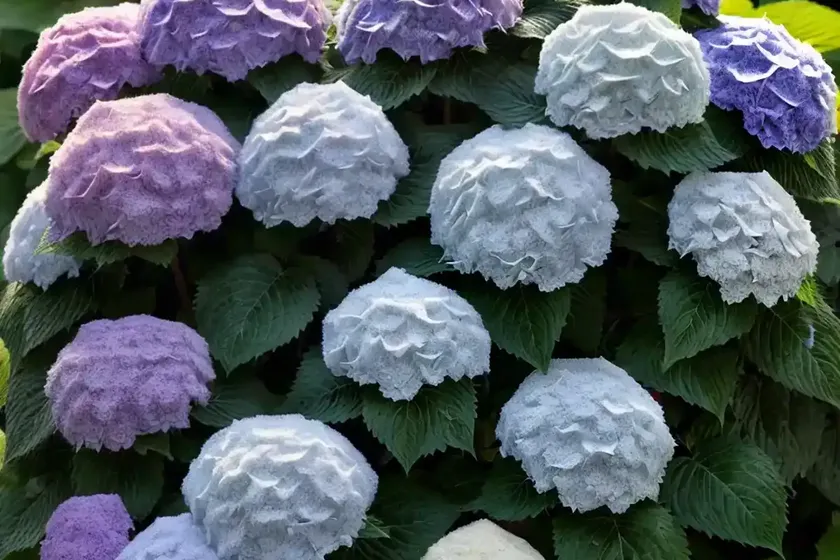
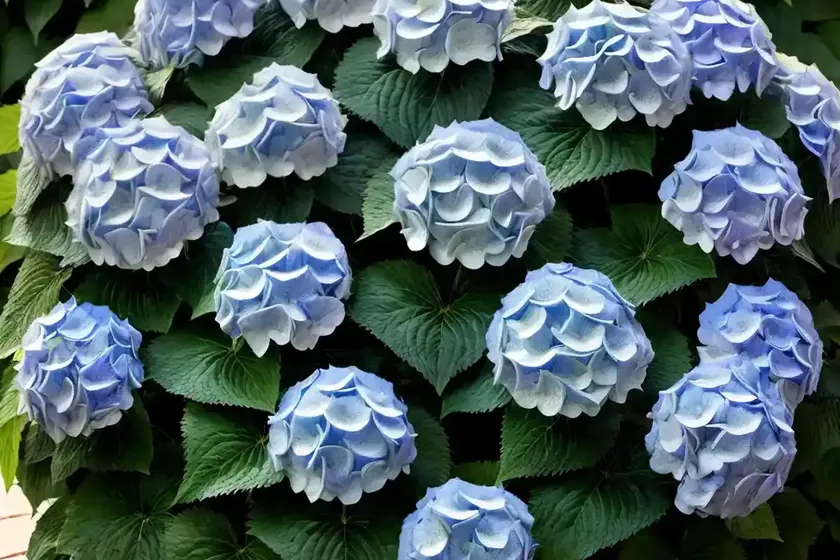
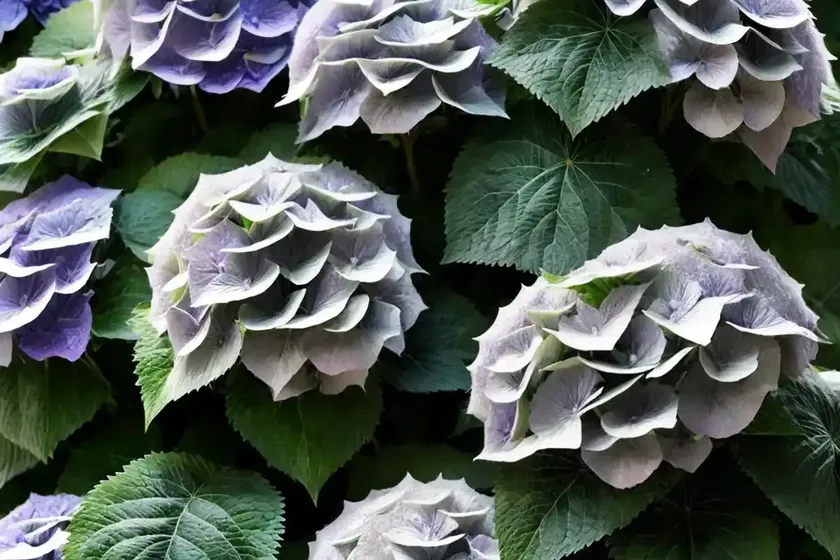
The Bigleaf Hydrangea, scientifically known as Hydrangea macrophylla ‘SMHMLDD’ LET’S DANCE DIVA, is a stunning ornamental plant appreciated for its showy flowers and lush foliage. In this comprehensive guide, we will delve into the culture, uses, care requirements, and maintenance of the Bigleaf Hydrangea. Whether you are a seasoned gardener or a beginner, this article will equip you with the knowledge to cultivate and enjoy the beauty of this remarkable plant.
What is the Bigleaf Hydrangea?
The Bigleaf Hydrangea, or Hydrangea macrophylla, is a species of flowering plant in the family Hydrangeaceae. It is native to Japan, Korea, and China and is known for its large, showy blooms that appear in various colors depending on the soil pH. The cultivar ‘SMHMLDD’ LET’S DANCE DIVA is a particular variety of Hydrangea macrophylla renowned for its striking floral displays and vigorous growth habits.
Key Takeaways – Bigleaf Hydrangea (Hydrangea macrophylla ‘SMHMLDD’ LET’S DANCE DIVA)
Before delving into the cultural requirements and care tips, let’s take a look at the key takeaways associated with the Bigleaf Hydrangea:
- Common Name: Bigleaf Hydrangea
- Scientific Name: Hydrangea macrophylla ‘SMHMLDD’ LET’S DANCE DIVA
- Cultivar: LET’S DANCE DIVA
- Family: Hydrangeaceae
- Native Habitat: Japan, Korea, China
- Primary Uses: Ornamental, landscaping
- Notable Feature: Showy, vibrant flowers
- Growth Habit: Deciduous shrub
Now, let’s explore the cultural requirements and care guidelines for this captivating plant.
Culture
The culture of the Bigleaf Hydrangea encompasses various aspects, including its water, sunlight, fertilizer, soil, pruning, propagation, and overall popularity among gardeners and landscapers.
Uses
The Bigleaf Hydrangea holds significant value in horticulture and landscaping due to its ornamental qualities. It is commonly utilized for:
- Garden Borders: The vibrant and large blooms of the Bigleaf Hydrangea make it an excellent choice for garden borders, adding a pop of color and visual interest.
- Container Gardening: The compact growth habit of some cultivars makes them well-suited for container gardening, allowing individuals with limited space to enjoy their beauty.
- Cut Flower Arrangements: The showy flowers of the Bigleaf Hydrangea are frequently used in floral arrangements, adding a touch of elegance to bouquets and centerpieces.
The plant’s versatility and aesthetic appeal contribute to its widespread use in various garden settings.
Water
Proper watering is essential for the health and vitality of the Bigleaf Hydrangea. Here are key considerations regarding its water needs:
- Watering Frequency: The plant requires regular watering, especially during periods of drought or dry weather. Adequate moisture is crucial for robust growth and prolific flowering.
- Soil Moisture: It thrives in well-draining, moist soil. It is important to avoid waterlogged conditions, as excessive moisture can lead to root rot and other issues.
Sunlight
The Bigleaf Hydrangea has specific preferences when it comes to sunlight exposure, influencing its growth and flowering patterns:
- Light Requirements: Partial shade to dappled sunlight is ideal for this plant. Excessive exposure to direct sunlight, particularly in hot climates, can cause leaf scorch and diminish flower quality.
- Strategic Placement: Planting it in locations with morning sun and afternoon shade is often recommended to provide the right balance of light.
Fertilizer
To promote healthy growth and abundant blooms, proper fertilization is essential for the Bigleaf Hydrangea:
- Fertilizer Type: A balanced, slow-release fertilizer formulated for flowering shrubs is beneficial. Incorporating organic matter into the soil also provides essential nutrients.
- Fertilizing Schedule: Applying fertilizer in early spring and again in mid-summer helps support continuous growth and flowering.
Soil
The soil composition greatly influences the health and performance of the Bigleaf Hydrangea. Here are key soil-related considerations:
- Acidic Soil Preference: The plant thrives in moderately acidic soil with a pH range of 5.2 to 5.5. Acidic conditions facilitate the availability of aluminum, which contributes to the flower coloration.
- Organic Matter: Amending the soil with organic matter, such as compost or well-rotted manure, enhances its moisture retention and nutrient content.
Pruning
Pruning is an important aspect of Bigleaf Hydrangea care, impacting its overall appearance and flowering potential:
- Pruning Time: Depending on the specific variety, pruning is typically performed in late winter or early spring before new growth emerges.
- Pruning Goals: Removal of dead or weak branches, shaping the plant, and rejuvenating the growth by trimming older stems are common objectives of pruning.
Propagation
Expanding your collection of Bigleaf Hydrangeas or sharing this remarkable plant with others is possible through propagation techniques such as stem cuttings and division.
- Stem Cuttings: Propagation through stem cuttings involves taking healthy, non-flowering shoots and encouraging them to root in a suitable propagation medium.
- Division: Clump division is another method where the plant’s root ball is divided into smaller sections, each capable of growing into a new plant.
Container Popularity
The compact size and ornamental appeal of certain Bigleaf Hydrangea varieties make them popular choices for container gardening:
- Patio Décor: Placing container-grown Bigleaf Hydrangeas on patios, balconies, or porches adds a touch of natural beauty to outdoor living spaces.
- Versatile Placement: Containers allow for flexibility in positioning the plants, making it easier to create visually appealing arrangements.
These cultural aspects and considerations serve as the foundation for successfully cultivating and enjoying the Bigleaf Hydrangea in your garden or landscape.
Common Diseases
Despite its ornamental allure, the Bigleaf Hydrangea is susceptible to certain diseases and ailments that can impact its growth and vitality. Understanding these common diseases and their prevention measures is crucial for maintaining plant health.
Disease Diagnosis
Keep an eye out for the following common diseases that can affect the Bigleaf Hydrangea:
- Powdery Mildew: A fungal disease that manifests as a powdery white coating on the leaves, leading to stunted growth and reduced vigor. Air circulation and proper spacing can aid in prevention.
- Leaf Spot: Caused by various fungal pathogens, leaf spots present as dark or discolored areas on the plant’s foliage. Pruning affected branches and promoting good sanitation practices can help manage this issue.
- Root Rot: Excessive soil moisture or improper drainage can lead to root rot, resulting in wilting, yellowing foliage, and overall decline. Providing well-draining soil and avoiding overwatering are essential preventive measures.
Common Pests
In addition to diseases, certain pests can pose a threat to the Bigleaf Hydrangea:
- Aphids: These small, soft-bodied insects can congregate on the plant’s tender shoots, causing damage by feeding on sap. Insecticidal soaps or horticultural oils can be used to control aphid populations.
- Spider Mites: These tiny pests can infest the plant, causing stippling and discoloration of the foliage. Regularly inspecting the undersides of the leaves and applying appropriate miticides can help manage spider mite infestations.
- Scale Insects: Scale infestations can appear as raised, waxy bumps on the plant, leading to stunted growth and weakening of branches. Targeted removal of scales and the application of horticultural oils are effective control methods.
Botanist’s Tips
To ensure the health and vibrancy of your Bigleaf Hydrangea, here are some additional tips from botanists and horticulture experts:
- Monitor Moisture Levels: Avoid overwatering, especially in poorly-draining soil, as this can lead to root issues and susceptibility to diseases.
- Promote Air Circulation: Provide adequate spacing between plants and ensure good air movement to minimize the risk of fungal diseases.
- Soil Testing: Periodically test the soil pH to ensure it remains within the optimal range for vibrant flower coloration.
Fun Facts
The captivating allure of the Bigleaf Hydrangea is accompanied by intriguing and delightful facts:
- Flower Color Variability: The flower color of certain Hydrangea macrophylla cultivars can be influenced by the soil pH, leading to captivating variations in hues ranging from pink to blue.
- Changeable Flowers: Some cultivars exhibit the fascinating ability for their flowers to change color as they age, adding a dynamic element to their visual appeal.
- Seasonal Interest: Beyond their striking blooms, the foliage of the Bigleaf Hydrangea can also contribute to the plant’s aesthetic appeal, especially during the fall when it undergoes beautiful color transformations.
Links to External Resources
To further expand your knowledge and understanding of the Bigleaf Hydrangea and its care, consider exploring these valuable external resources:
- American Hydrangea Society: A comprehensive resource offering information on hydrangea varieties, cultivation tips, and regional growing guidelines.
- Royal Horticultural Society – Hydrangeas: The Royal Horticultural Society provides insights into hydrangea cultivation, maintenance, and potential issues.
- Missouri Botanical Garden – Hydrangea macrophylla: The Missouri Botanical Garden’s plantfinder tool offers detailed information about specific Hydrangea macrophylla cultivars and their characteristics.
Incorporating the information and insights from these resources can enrich your experience with the Bigleaf Hydrangea and enhance your success in cultivating this remarkable plant.
In conclusion, the Bigleaf Hydrangea, represented by the cultivar Hydrangea macrophylla ‘SMHMLDD’ LET’S DANCE DIVA, stands as a captivating and valuable addition to gardens and landscapes. Its vibrant flowers, lush foliage, and adaptability to different settings make it a beloved choice among plant enthusiasts. By adhering to the cultural guidelines, disease prevention measures, and maintenance tips outlined in this guide, you can cultivate robust, floriferous Bigleaf Hydrangeas that will continue to captivate and delight for years to come.
Remember, the world of horticulture offers a multitude of wonders, and the Bigleaf Hydrangea is undoubtedly among them, showcasing nature’s brilliance and diversity in a myriad of enchanting blooms.


