Iris Sibirica ‘Snow Queen’ (Siberian Iris)
Siberian Iris ‘Snow Queen’ is a remarkable perennial plant known for its stunning white flowers and graceful foliage. Native to Europe and Central Asia.
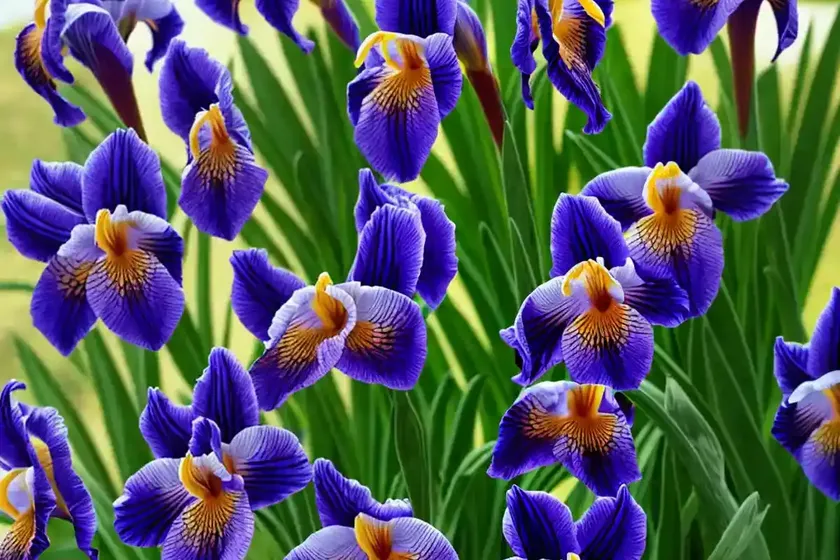
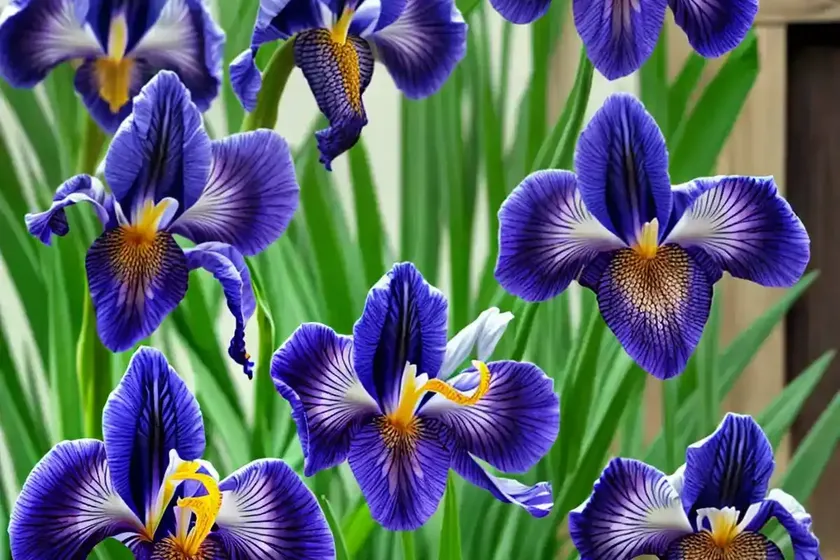
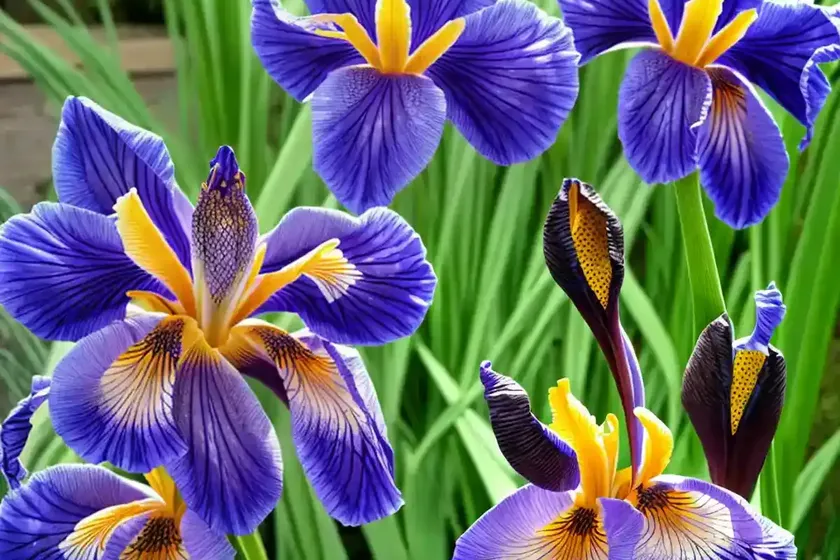
Siberian Iris ‘Snow Queen’ is a remarkable perennial plant known for its stunning white flowers and graceful foliage. Native to Europe and Central Asia, this beautiful iris variety adds elegance and charm to any garden or landscape. In this comprehensive guide, we will delve into the various aspects of this exquisite plant, including its culture, uses, care tips, common diseases and pests, as well as propagation and container gardening. Whether you’re a seasoned gardener or a beginner enthusiast, you’ll find valuable insights and practical advice for growing and nurturing the Iris sibirica ‘Snow Queen’ in your own outdoor space.
What is Iris sibirica ‘Snow Queen’?
Iris sibirica ‘Snow Queen’, commonly referred to as Siberian Iris, belongs to the family Iridaceae. This herbaceous perennial plant is characterized by its slender, grass-like foliage and enchanting, pure white flowers. The delicate blooms of the ‘Snow Queen’ variety emerge in late spring to early summer, creating a captivating display in the garden. With its graceful appearance and low-maintenance nature, this iris cultivar has gained popularity among gardeners and landscapers for its ornamental value and resilience.
Key Takeaways – Iris sibirica ‘Snow Queen’
Before we delve into the specifics of cultivating and caring for Iris sibirica ‘Snow Queen’, it’s important to highlight some key takeaways about this plant:
- Scientific Name: Iris sibirica ‘Snow Queen’
- Common Name: Siberian Iris ‘Snow Queen’
- Characteristics: White flowers, slender foliage, clump-forming habit
- Sunlight Requirements: Partial to full sun
- Watering Needs: Moist, well-drained soil
- Planting Zone: USDA Hardiness Zones 3-8
- Height: Approximately 24-36 inches
- Spread: 18-24 inches
- Uses: Ornamental, borders, mass plantings, cut flowers
- Disease Resistance: Good
- Pest Tolerance: Resistant to most pests
Now that we have an overview of the basic characteristics of Iris sibirica ‘Snow Queen’, let’s explore each aspect of its cultivation and care in detail.
Culture
Uses
Iris sibirica ‘Snow Queen’ is primarily cultivated for its ornamental value. The delicate white flowers and graceful foliage make it a perfect choice for borders, mass plantings, and even as cut flowers for floral arrangements. The plant’s elegant appearance and adaptability also make it suitable for landscaping and perennial gardens, where it adds a touch of sophistication to the outdoor space.
Water
Proper watering is crucial for the health and vigor of Siberian Iris ‘Snow Queen’. While the plant appreciates consistently moist soil, it’s important to ensure that the soil is well-drained to prevent waterlogged conditions, which can lead to root rot. During the active growing season, regular watering is essential, especially during dry periods. However, it’s equally important to avoid overwatering, as excessive moisture can be detrimental to the plant’s overall health.
Sunlight
Iris sibirica ‘Snow Queen’ thrives in partial to full sun conditions. It performs best when exposed to at least 6 hours of sunlight per day. While it can tolerate some shade, especially in hotter climates, providing ample sunlight is essential for robust growth and prolific flowering. When selecting a location for planting, choose a spot that receives adequate sunlight to ensure the best performance of the ‘Snow Queen’ variety.
Fertilizer
To support healthy growth and abundant flowering, it’s beneficial to fertilize Iris sibirica ‘Snow Queen’ during the growing season. A balanced, slow-release fertilizer applied in early spring as new growth emerges can provide the necessary nutrients for the plant. Additionally, a light application of fertilizer in early summer can further enhance the blooming potential of the Siberian Iris ‘Snow Queen’. It’s important to follow the recommended dosage and application instructions to prevent over-fertilization, which can lead to excessive foliage growth at the expense of flowers.
Soil
The ideal soil conditions for Iris sibirica ‘Snow Queen’ are moist, well-drained, and rich in organic matter. A slightly acidic to neutral pH range is preferred, enabling the plant to efficiently utilize nutrients from the soil. Amending the soil with organic compost or well-rotted manure before planting can improve its texture and fertility, creating an optimal growing environment for the ‘Snow Queen’ variety. Additionally, maintaining a consistent moisture level in the soil is essential for the overall health and vitality of the plant.
Pruning
Pruning Siberian Iris ‘Snow Queen’ is relatively low maintenance. After the flowering period, removing spent flower stalks can promote a neat appearance and divert the plant’s energy back into its rhizomes for future growth. Moreover, trimming back any damaged or yellowing foliage can help maintain the plant’s aesthetic appeal and prevent the onset of diseases. It’s important to use clean, sharp pruners to make precise cuts and minimize the risk of damage to the plant.
Propagation
Iris sibirica ‘Snow Queen’ can be propagated through division, which is typically carried out in late summer to early fall. Dividing the plant every 3-4 years helps rejuvenate its growth and prevents overcrowding, ensuring that each division has ample space to thrive. When dividing the rhizomes, it’s essential to select healthy, vigorous sections with well-developed roots. By replanting these divisions in suitable locations, gardeners can expand their ‘Snow Queen’ iris population and promote continuous rejuvenation within the garden.
Container Popularity
The ‘Snow Queen’ variety of Siberian Iris is well-suited for container gardening, providing an opportunity for gardeners with limited space to enjoy its beauty. When grown in containers, the plant’s elegant foliage and striking flowers can serve as focal points on patios, balconies, or outdoor living areas. Additionally, containers offer the flexibility of adjusting the plant’s placement to optimize sunlight exposure and aesthetic appeal. Choosing a spacious container with adequate drainage holes and using a well-draining potting mix can ensure the success of growing Iris sibirica ‘Snow Queen’ in containers.
Common Diseases
Iris sibirica ‘Snow Queen’ exhibits good resistance to most common diseases. However, it’s essential for gardeners to remain vigilant and proactive in maintaining optimal growing conditions to minimize the risk of potential diseases. Some of the common diseases that may affect Siberian Iris include:
-
Leaf Spot: Characterized by the appearance of small, dark spots on the foliage, leaf spot can be managed by promoting good air circulation and avoiding overhead watering. Removing and disposing of affected plant material can help contain the spread of the disease.
-
Soft Rot: This fungal disease can cause the rhizomes to rot and deteriorate, leading to poor plant vigor and eventual decline. To prevent soft rot, it’s crucial to plant the rhizomes at the correct depth and ensure that the soil is well-drained. Avoiding excessive moisture and providing proper air circulation can also contribute to the plant’s resilience against soft rot.
-
Bacterial Leaf Blight: Bacterial leaf blight manifests as water-soaked lesions on the foliage, eventually causing wilting and dieback. Maintaining clean garden practices, including removing and disposing of any affected leaves, can help manage the spread of bacterial leaf blight. Additionally, avoiding overhead watering and providing adequate space between plants can reduce the risk of the disease.
By implementing preventive measures and promptly addressing any signs of disease, gardeners can maintain the overall health and vitality of their Iris sibirica ‘Snow Queen’.
Disease Diagnosis
Early detection and accurate diagnosis of plant diseases are essential for effective management. When assessing the health of Siberian Iris ‘Snow Queen’, gardeners should look for the following symptoms that may indicate the presence of diseases:
- Unusual spots or lesions on the foliage
- Yellowing or browning of the leaves
- Wilting or unusual drooping of the plant
- Soft, decaying areas on the rhizomes
If any of these symptoms are observed, it’s advisable to consult with a plant health specialist or extension office to accurately diagnose the issue and implement appropriate treatment measures.
Common Pests
Siberian Iris ‘Snow Queen’ is relatively resistant to most common garden pests. However, occasional pest infestations may occur, posing a threat to the plant’s health and vigor. Some of the common pests that may affect Iris sibirica include:
-
Aphids: These small, soft-bodied insects can congregate on the tender shoot tips and underside of leaves, sucking sap from the plant. Regularly inspecting the foliage and employing natural predators or insecticidal soaps can help manage aphid populations effectively.
-
Thrips: Thrips are tiny, slender insects that can cause stippling and discoloration on the foliage, affecting the plant’s overall appearance. Monitoring the plant for thrips and applying appropriate insecticidal treatments as needed can prevent significant damage.
-
Snails and Slugs: These mollusks can feed on the tender foliage and flowers of Siberian Iris, causing unsightly damage. Implementing physical barriers, such as copper tape or diatomaceous earth, and removing potential hiding spots can help deter snails and slugs from affecting the plant.
By remaining vigilant and monitoring the plant regularly, gardeners can detect and address pest issues promptly, thereby safeguarding the health and beauty of their Iris sibirica ‘Snow Queen’.
Botanist’s Tips
Fun Facts
-
Cultural Symbolism: In some cultures, white irises, including the ‘Snow Queen’ variety, symbolize purity, clarity, and divine protection. They are often featured in bouquets and floral arrangements for weddings and special occasions, imparting a sense of elegance and charm.
-
Natural Dye Source: The rhizomes of Iris sibirica ‘Snow Queen’ can be used to extract a natural dye in various shades of blue and purple. Historically, the dye derived from iris rhizomes was prized for its ability to color textiles and create vibrant, lasting hues.
-
Wildlife Habitat: The nectar-rich flowers of Siberian Iris attract pollinators such as bees and butterflies, contributing to the ecological diversity of the garden. By providing a valuable food source for these beneficial insects, the ‘Snow Queen’ variety plays a role in supporting local wildlife populations.
Links to External Resources
For further information and resources on Iris sibirica ‘Snow Queen’ and related topics, you may find the following links helpful:
- A Guide to Growing Siberian Irises
- Tips for Dividing Iris Siberica ‘Snow Queen’
- Managing Iris Diseases
In conclusion, Iris sibirica ‘Snow Queen’ (Siberian Iris) stands out as a captivating and versatile addition to garden landscapes, offering a myriad of benefits ranging from its ornamental beauty to its ecological contributions. By understanding and implementing the recommended culture, care practices, and disease management strategies, gardeners can nurture thriving ‘Snow Queen’ irises that enchant and delight with their exquisite blooms and graceful presence.
Remember, the timeless elegance of Iris sibirica ‘Snow Queen’ is a testament to nature’s artistry, and by cultivating and cherishing this remarkable plant, we can embrace its beauty in our outdoor havens.


