Iris Sibirica ‘Perry’s Blue’ (Siberian Iris)
Iris sibirica ‘Perry’s Blue’ is a stunning perennial plant that belongs to the iris family, showcasing beautiful blue flowers and slender foliage. This.
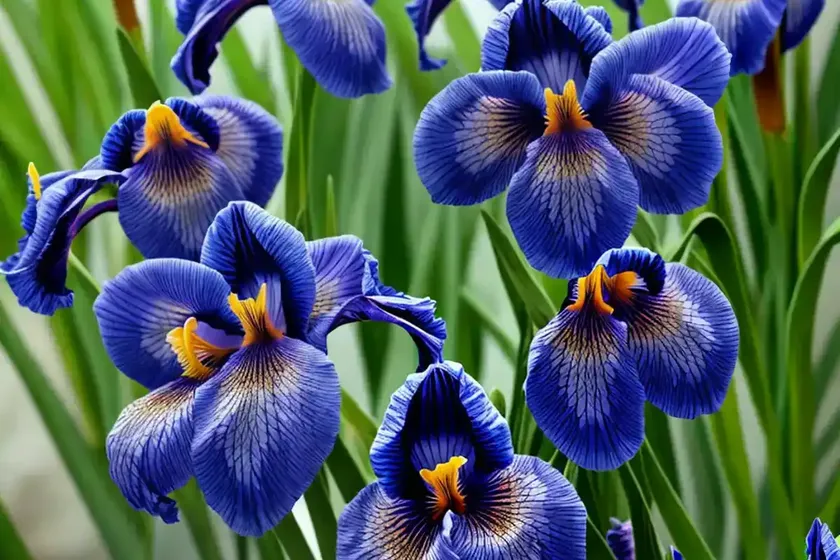
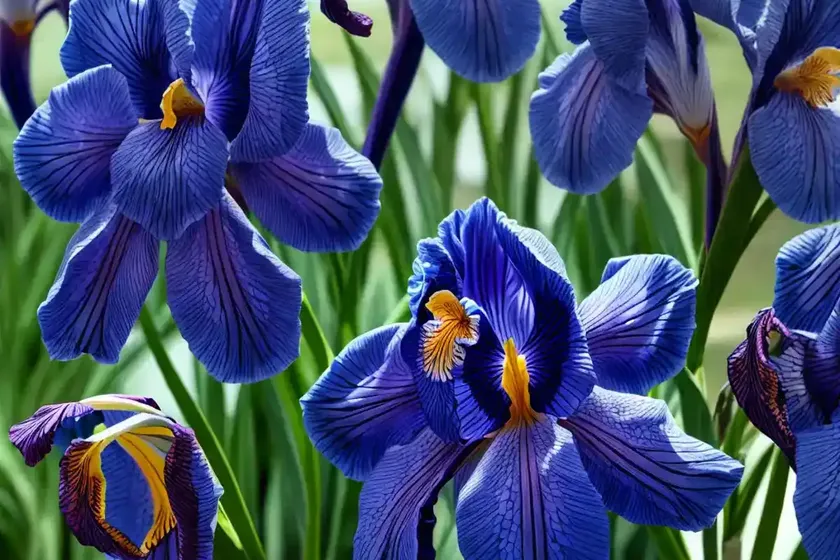
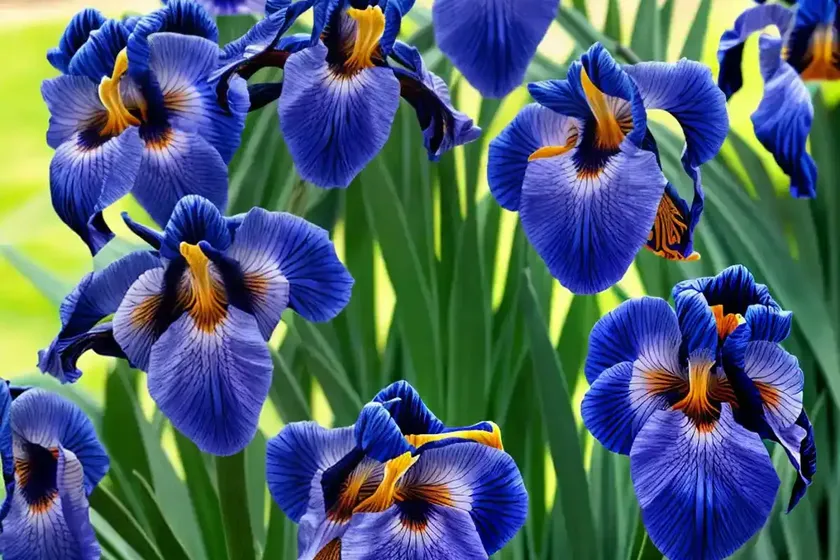
Iris sibirica ‘Perry’s Blue’ is a stunning perennial plant that belongs to the iris family, showcasing beautiful blue flowers and slender foliage. This Siberian Iris variety is known for its adaptability and resilience, making it a popular choice among gardeners and landscape enthusiasts. In this extensive guide, we will delve into the characteristics, growing conditions, care tips, and much more about Iris sibirica ‘Perry’s Blue’, providing you with valuable insights for incorporating this captivating plant into your outdoor spaces.
What is Iris sibirica ‘Perry’s Blue’?
Before we delve into the specific details of Iris sibirica ‘Perry’s Blue’, let’s take a closer look at the plant genus and species. Iris is a diverse genus comprising over 200 species of flowering plants, known for their captivating blooms and attractive foliage. Iris sibirica, commonly referred to as Siberian Iris, is a species native to Eastern and Central Europe, as well as Central Asia.
‘Iris sibirica ‘Perry’s Blue’ is a specific cultivar of the species Iris sibirica, prized for its striking periwinkle-blue flowers and graceful appearance. With its slender, grass-like foliage and elegant blooms, this variety adds a touch of elegance to any garden or landscape setting.
Key Takeaways – Iris sibirica ‘Perry’s Blue’
Let’s explore the key takeaways regarding Iris sibirica ‘Perry’s Blue’, providing a comprehensive overview of its cultural preferences, uses, and attributes.
Culture
- Plant Type: Perennial
- Hardiness Zone: 3-9
- Mature Height: 24-36 inches
- Bloom Time: Late spring to early summer
- Landscape Uses: Borders, woodland gardens, naturalized landscapes
Uses
- Garden Design: Adds a touch of elegance and color to garden beds and borders
- Cut Flowers: Ideal for creating stunning floral arrangements
Water
- Watering Needs: Regular watering, particularly during the growing season
- Soil Moisture: Well-drained soil to prevent waterlogging
Sunlight
- Light Requirements: Full sun to partial shade
- Optimal Conditions: Thrives in areas with ample sunlight
Fertilizer
- Feeding: Fertilize in early spring with a balanced, slow-release fertilizer
- Frequency: Annual fertilization for optimal growth and bloom production
Soil
- Soil Type: Moist, well-drained soil
- pH Level: Neutral to slightly acidic
Pruning
- Maintenance: Deadhead spent blooms to encourage prolonged flowering
- Winter Care: Cut back foliage in late fall or early spring
Propagation
- Propagation Methods: Division, seed propagation
Container Popularity
- Suitability: Well-suited for container gardening
- Aesthetic Appeal: Adds color and visual interest to container displays
Common Diseases
- Disease Resistance: Exhibits good resistance to common iris diseases
- Vigilance: Monitor for signs of fungal diseases, particularly in humid conditions
Common Pests
- Pest Resistance: Generally resistant to major pest infestations
- Potential Threats: Watch for aphids and iris borers
Botanist’s Tips
- Best Companion Plants: Pair with ornamental grasses, peonies, and daylilies
- Aesthetic Considerations: Provides a striking focal point in garden designs
Fun Facts
- Pollinator Attraction: Draws butterflies and bees to the garden
- Historical Significance: Iris symbolism dates back to Greek mythology, symbolizing faith and hope
Now that we have established an overview of the key attributes and characteristics of Iris sibirica ‘Perry’s Blue’, let’s delve into the specific details regarding its care, maintenance, and cultivation requirements.
Culture: Ideal Growing Conditions for Iris sibirica ‘Perry’s Blue’
Iris sibirica ‘Perry’s Blue’ thrives in climates characterized by cool, moist conditions and is well-suited for temperate regions. When selecting a planting site, it is essential to consider the following cultural factors to ensure the plant’s optimal growth and vitality.
Soil Requirements
Iris sibirica ‘Perry’s Blue’ flourishes in well-drained, moisture-retentive soil with a neutral to slightly acidic pH level. Amending the soil with organic matter, such as compost or well-rotted manure, can enhance its fertility and structure, creating an ideal growing environment for the plant.
Sunlight Preferences
While Siberian irises can tolerate partial shade, they tend to exhibit the most vigorous growth and prolific flowering when planted in areas receiving full sun. Providing the plant with at least six hours of direct sunlight each day promotes robust foliage and vibrant blooms, contributing to an overall healthy and thriving specimen.
Watering Regimen
Maintaining adequate soil moisture is crucial for the health and vitality of Iris sibirica ‘Perry’s Blue’. During the growing season, regular watering is recommended, particularly in periods of drought or when natural rainfall is insufficient. However, it is essential to avoid waterlogged conditions, as excessively wet soil can lead to root rot and other detrimental consequences.
Fertilization Practices
In early spring, as the plant emerges from dormancy, applying a balanced, slow-release fertilizer can provide the necessary nutrients to support vigorous growth and abundant flowering. Follow the manufacturer’s recommendations regarding application rates and frequency to ensure the appropriate nourishment for Iris sibirica ‘Perry’s Blue’ throughout the growing season.
Uses: Incorporating Iris sibirica ‘Perry’s Blue’ in Garden Designs
Iris sibirica ‘Perry’s Blue’ offers a myriad of uses, both in garden settings and floral arrangements. Whether cultivated for its ornamental appeal or harvested for cut flowers, this Siberian Iris variety adds a touch of sophistication and natural beauty to diverse applications.
Garden Design
When utilized in garden designs, Iris sibirica ‘Perry’s Blue’ serves as an exquisite addition to borders, woodland gardens, or naturalized landscapes. Its elegant, upward-facing blooms and graceful foliage create a captivating visual display, enhancing the overall aesthetic appeal of the outdoor space.
Cut Flowers
With its alluring blue blossoms and long, graceful stems, Iris sibirica ‘Perry’s Blue’ is an ideal candidate for creating stunning cut flower arrangements. The flowers can be harvested at their peak freshness and utilized to adorn interior spaces, bringing the charm of the garden indoors.
Water: Understanding the Watering Needs of Iris sibirica ‘Perry’s Blue’
Adequate water management is essential to ensure the well-being and vigor of Iris sibirica ‘Perry’s Blue’. By understanding the plant’s specific watering requirements and implementing appropriate strategies, gardeners can foster a thriving, moisture-regulated environment for this captivating Siberian Iris variety.
Watering Needs
During the active growing season, which typically spans from late spring to early summer, Iris sibirica ‘Perry’s Blue’ benefits from regular watering. It is important to monitor soil moisture levels and provide supplemental irrigation when necessary, particularly during dry spells or periods of inadequate rainfall.
Soil Moisture
While maintaining consistent moisture in the soil is vital for the plant’s health, it is equally important to prevent waterlogging and excessive saturation. To promote healthy root development and overall vitality, ensure that the soil is well-drained, allowing excess water to escape and preventing the onset of water-related issues, such as root rot.
Sunlight: Meeting the Sunlight Requirements of Iris sibirica ‘Perry’s Blue’
Sufficient sunlight is integral to the growth, development, and flowering performance of Iris sibirica ‘Perry’s Blue’. Understanding the plant’s sunlight preferences and implementing appropriate measures to meet its requirements are essential considerations for cultivating a flourishing and visually impactful specimen.
Light Requirements
Iris sibirica ‘Perry’s Blue’ thrives in environments characterized by ample sunlight, making it well-suited for placement in areas receiving full sun exposure. Although the plant can tolerate partial shade, providing it with at least six hours of direct sunlight per day typically yields superior growth and prolific blooming.
Optimal Conditions
By selecting a site with adequate sunlight exposure, gardeners can facilitate robust foliage development and abundant flower production. Positioning Iris sibirica ‘Perry’s Blue’ in a location that receives ample sunlight enables the plant to harness the energy necessary for photosynthesis and metabolic processes, contributing to its overall vigor and visual appeal.
Fertilizer: Nourishing Iris sibirica ‘Perry’s Blue’ for Optimal Growth
Providing appropriate nourishment to Iris sibirica ‘Perry’s Blue’ through strategic fertilization practices supports the plant’s overall health, vigor, and blooming capacity. By administering the right type and amount of fertilizer at the appropriate times, gardeners can facilitate robust growth and stunning floral displays.
Feeding Schedule
In early spring, as the new growth emerges, applying a balanced, slow-release fertilizer can deliver the necessary nutrients to promote vigorous development and prolific blooming in Iris sibirica ‘Perry’s Blue’. Following the manufacturer’s guidelines regarding application rates and frequency ensures that the plant receives the essential elements required for optimal performance.
Nutrient Balance
A well-balanced fertilizer, formulated to provide essential macronutrients and micronutrients, can enhance the overall nutrient profile of the soil, benefiting the growth and vitality of the plant. By prioritizing nutrient balance and adequacy, gardeners can support the long-term health and resilience of Iris sibirica ‘Perry’s Blue’, contributing to its sustainable growth and abundant floral showcase.
Soil: Establishing the Ideal Soil Conditions for Iris sibirica ‘Perry’s Blue’
Creating a conducive soil environment is crucial for the successful cultivation of Iris sibirica ‘Perry’s Blue’. By understanding the plant’s soil preferences and implementing appropriate soil management practices, gardeners can establish the optimal foundation for the plant’s growth, bloom production, and overall well-being.
Soil Type
Iris sibirica ‘Perry’s Blue’ thrives in moist, well-drained soil that offers sufficient aeration and water permeability. Prioritizing soil with these characteristics prevents waterlogging and ensures that the plant’s root system remains healthy and functional, contributing to its overall resilience and vitality.
pH Level
The ideal soil pH for Iris sibirica ‘Perry’s Blue’ ranges from neutral to slightly acidic, typically falling within the range of 6.0 to 7.0. Monitoring and adjusting the soil pH as needed can create an environment conducive to the plant’s nutrient uptake and metabolic processes, fostering optimal growth and blooming performance.
Pruning: Techniques for Maintaining Iris sibirica ‘Perry’s Blue’
Pruning practices play a pivotal role in the maintenance and care of Iris sibirica ‘Perry’s Blue’, promoting its overall tidiness, longevity, and flowering prowess. By employing appropriate pruning techniques, gardeners can ensure the plant’s aesthetic appeal and vitality while mitigating potential issues related to overgrowth and spent blooms.
Maintenance Pruning
Removing spent blooms, also known as deadheading, is a fundamental aspect of maintaining the visual appeal and blooming longevity of Iris sibirica ‘Perry’s Blue’. By promptly deadheading the faded flowers, gardeners encourage the plant to redirect its energy toward producing new blooms, prolonging the flowering period and enhancing the overall floral display.
Winter Care
In late fall or early spring, depending on the specific climatic conditions, cutting back the foliage of Iris sibirica ‘Perry’s Blue’ is recommended to facilitate a tidy appearance and prepare the plant for its next growth cycle. Trimming the spent foliage to ground level or to a few inches above the soil surface supports rejuvenated growth and prevents the accumulation of debris that could harbor pests and diseases.
Propagation: Methods for Increasing Iris sibirica ‘Perry’s Blue’ Stock
Expanding the presence of Iris sibirica ‘Perry’s Blue’ in the garden or landscape can be achieved through strategic propagation practices. By employing suitable methods for increasing the plant’s stock, gardeners can cultivate additional specimens and perpetuate the captivating beauty and charm of this Siberian Iris variety.
Division
Dividing established clumps of Iris sibirica ‘Perry’s Blue’ presents an effective means of propagation, allowing gardeners to create new plants from the existing root system. Dividing the clumps in early spring or after the blooming period facilitates the development of independent plants, each capable of flourishing and producing its signature blooms in subsequent growing seasons.
Seed Propagation
Alternatively, propagating Iris sibirica ‘Perry’s Blue’ from seeds offers a rewarding and fulfilling pursuit, allowing for the cultivation of new specimens from the plant’s seeds. Harvesting the mature seeds and sowing them in a suitable growing medium, such as a seed-starting mix, initiates the germination process and sets the stage for nurturing young seedlings, each with the potential to mature into a flourishing Siberian Iris specimen.
Container Popularity: Growing Iris sibirica ‘Perry’s Blue’ in Containers
The versatility and ornamental appeal of Iris sibirica ‘Perry’s Blue’ make it an excellent candidate for container gardening, enabling individuals to incorporate the beauty and elegance of this Siberian Iris variety into diverse outdoor settings. By selecting appropriate containers and implementing optimal cultural practices, gardeners can successfully grow Iris sibirica ‘Perry’s Blue’ in containers, expanding its potential for enhancing pot displays and outdoor vignettes.
Suitability for Containers
The compact growth habit and moderate size of Iris sibirica ‘Perry’s Blue’ render it well-suited for container cultivation. When selecting containers, opt for ample-sized pots with adequate drainage holes, providing sufficient space for the plant’s roots to develop and thrive while ensuring proper moisture management.
Aesthetic Appeal
In container displays, Iris sibirica ‘Perry’s Blue’ contributes a vibrant splash of color and an air of sophistication, enriching the visual appeal of patios, balconies, and outdoor living spaces. Placing the containers in strategic locations, such as entryways or focal points within the landscape, accentuates the plant’s inherent charm and decorative value.
Common Diseases: Disease Resistance and Diagnosis for Iris sibirica ‘Perry’s Blue’
Iris sibirica ‘Perry’s Blue’ exhibits commendable resistance to common iris diseases, manifesting robust health and vitality under appropriate cultural conditions. However, vigilance is essential, and early diagnosis of potential issues facilitates prompt intervention, ensuring the sustained well-being and flourishing growth of this captivating Siberian Iris variety.
Disease Resistance
‘Iris sibirica ‘Perry’s Blue’ showcases good resistance to prevalent iris diseases, including bacterial and fungal infections that can impact the health and performance of susceptible varieties. Its inherent vigor and resilience equip the plant to withstand potential disease pressures, contributing to its overall sustainability and longevity as a garden favorite.
Vigilance
While Iris sibirica ‘Perry’s Blue’ is relatively resistant to common iris diseases, it is important for gardeners to remain vigilant and monitor the plant for any signs of pest infestations or disease symptoms. Keeping a close eye on the foliage and flowers enables early detection of potential issues, enabling timely intervention and effective management strategies.
Common Pests: Monitoring and Managing Potential Pest Threats
‘Iris sibirica ‘Perry’s Blue’ demonstrates a level of resistance to major pest infestations, typically maintaining its vigor and visual appeal without succumbing to significant pest pressures. However, understanding the potential threats and implementing preemptive measures can aid in safeguarding the plant’s well-being and preserving its ornamental charm in the garden or landscape setting.
Pest Resistance
With its inherent resilience and robust growth habit, Iris sibirica ‘Perry’s Blue’ exhibits a degree of resistance to major pest infestations, contributing to its overall sustainability and minimal maintenance requirements. While the plant can attract certain pests, particularly aphids and iris borers, it generally thrives without succumbing to severe pest-related damage.
Potential Threats
Keeping a watchful eye for signs of aphid infestations and iris borer activity enables prompt intervention, preventing potential pest-related complications. By promptly addressing any pest pressures, gardeners can safeguard the health and aesthetic appeal of Iris sibirica ‘Perry’s Blue’, mitigating the impact of pest infestations on the plant’s overall vitality and flowering performance.
Botanist’s Tips: Recommendations for Cultivating Iris sibirica ‘Perry’s Blue’
As a plant scientist specializing in ornamental plants like Iris sibirica ‘Perry’s Blue’, I am pleased to offer a selection of botanist’s tips to aid fellow gardening enthusiasts in achieving success with this captivating Siberian Iris variety. From aesthetic considerations to companion planting suggestions, these tips encompass valuable insights for incorporating Iris sibirica ‘Perry’s Blue’ into diverse garden designs and landscape compositions.
Best Companion Plants
Pairing Iris sibirica ‘Perry’s Blue’ with ornamental grasses, such as Miscanthus or Pennisetum varieties, presents a complementary contrast in texture and form, enhancing the visual interest of mixed plantings. Additionally, combining the Siberian Iris with perennials like peonies, daylilies, or catmint contributes to a harmonious blend of colors and seasonal interest within the garden landscape.
Aesthetic Considerations
Iris sibirica ‘Perry’s Blue’ serves as a striking focal point in garden designs, particularly when positioned against a backdrop of evergreen shrubs or set amidst an array of complementary perennials. Its captivating blooms and graceful foliage create an eye-catching centerpiece, drawing attention and infusing elegance into the surrounding outdoor space.
Fun Facts: Intriguing Aspects of Iris sibirica ‘Perry’s Blue’
Beneath the enchanting allure of Iris sibirica ‘Perry’s Blue’ lie several fascinating and captivating attributes, adding depth and intrigue to this Siberian Iris variety. From its pollinator attraction to its historical significance, the following fun facts shed light on the unique features and cultural relevance of this beloved ornamental plant.
Pollinator Attraction
The vibrant blooms of Iris sibirica ‘Perry’s Blue’ possess an innate charm that draws butterflies and bees to the garden, contributing to the overall vibrancy and ecological diversity of the outdoor environment. As a pollinator-friendly plant, it actively supports biodiversity and wildlife interactions within the garden, fostering a thriving and dynamic ecosystem.
Historical Significance
The symbolism and cultural significance of irises date back to ancient civilizations, with references to iris flowers appearing in Greek mythology and other historical narratives. The enduring appeal and timeless elegance of Iris sibirica ‘Perry’s Blue’ reflect its historical lineage and enduring legacy as a beloved ornamental plant with symbolic connotations associated with faith and hope.
Links to External Resources
For further information on Iris sibirica ‘Perry’s Blue’ care, cultivation, and gardening applications, I highly recommend exploring the following external resources:
- Royal Horticultural Society (RHS) – Growing Irises
- University of Vermont Department of Plant and Soil Science – Iris sibirica
- American Iris Society – Siberian Irises
Extending your knowledge through reputable horticultural institutions and expert organizations allows for a comprehensive understanding of Iris sibirica ‘Perry’s


