Iris Sibirica ‘Contrast In Styles’ (Siberian Iris)
Iris sibirica ‘Contrast in Styles’ is a delightful and vibrant perennial plant that belongs to the Iris genus and Iridaceae family. Known for its stunning.
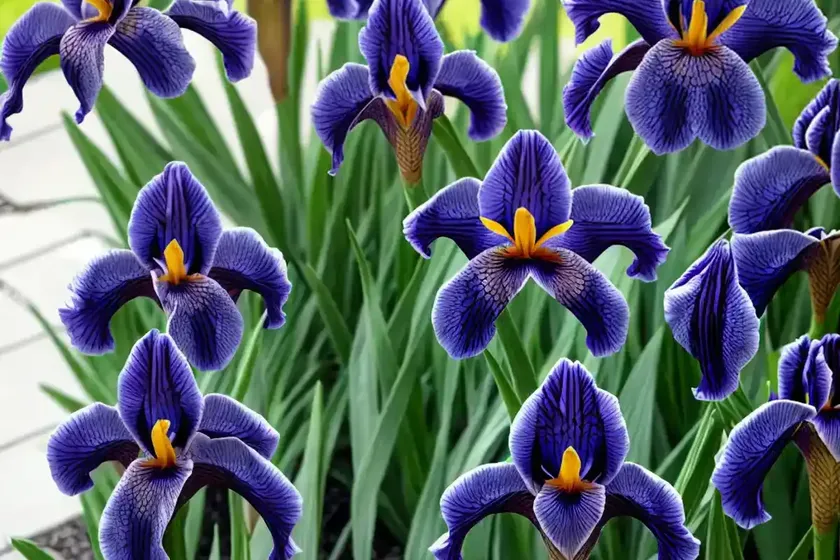
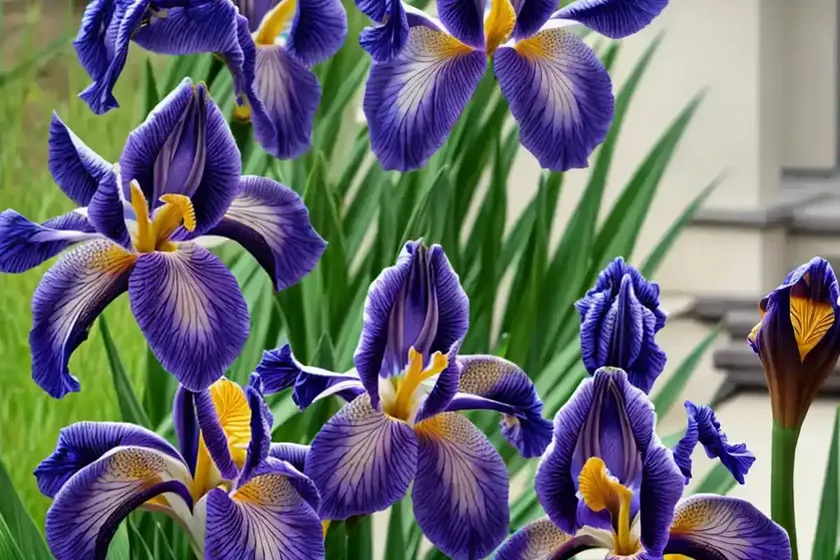
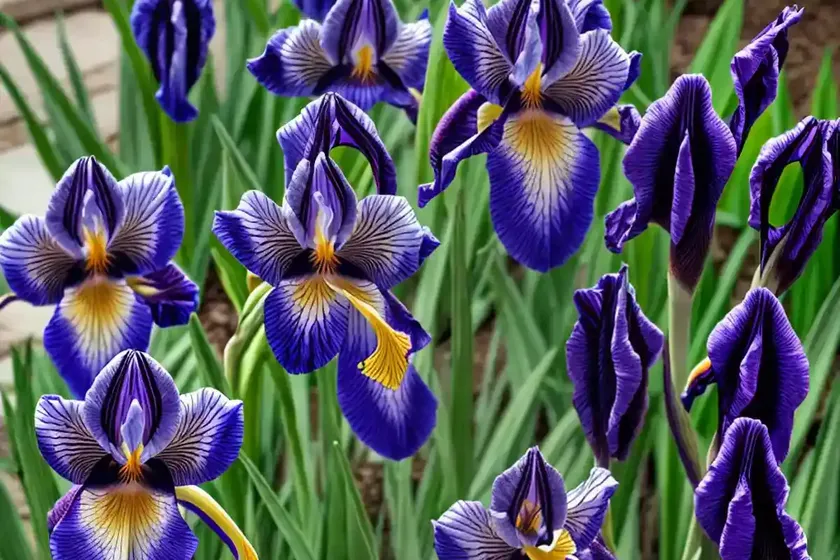
Iris sibirica ‘Contrast in Styles’ is a delightful and vibrant perennial plant that belongs to the Iris genus and Iridaceae family. Known for its stunning blooms, this Siberian Iris is a popular choice among gardeners for its low maintenance and striking appearance. In this comprehensive guide, we will delve into the various aspects of the Iris sibirica ‘Contrast in Styles’, including its culture, uses, cultivation requirements, common diseases, and much more.
What is Iris sibirica ‘Contrast in Styles’?
Iris sibirica ‘Contrast in Styles’ is a cultivar of the Siberian Iris species, which is native to Europe, Central Asia, and North Africa. Its striking blooms and graceful form make it a desirable addition to any garden or landscape. The plant is characterized by its narrow, grass-like foliage and vibrant, contrasting flowers that bloom in early summer.
Key Takeaways – Iris sibirica ‘Contrast in Styles’ (Siberian Iris)
Before delving into the specifics of cultivating and caring for Iris sibirica ‘Contrast in Styles’, let’s highlight the key takeaways related to this stunning plant:
- Culture
- Uses
- Water
- Sunlight
- Fertilizer
- Soil
- Pruning
- Propagation
- Container Popularity
- Common Diseases
- Disease Diagnosis
- Common Pests
- Botanist’s Tips
- Fun Facts
- Links to External Resources
Let’s explore each of these aspects in detail to gain a comprehensive understanding of Iris sibirica ‘Contrast in Styles’.
Culture of Iris sibirica ‘Contrast in Styles’
Understanding the preferred culture of Iris sibirica ‘Contrast in Styles’ is essential for successfully cultivating and maintaining this stunning plant. Here are the cultural aspects to consider:
-
Water: Moderate watering is essential, especially during the plant’s active growth phase. Well-draining soil is crucial to prevent waterlogging, as excessive moisture can lead to root rot.
-
Sunlight: Siberian Iris ‘Contrast in Styles’ thrives in full sun to partial shade. While it can tolerate some shade, it generally blooms best when provided with ample sunlight.
-
Fertilizer: The plant benefits from a balanced fertilizer application in early spring when new growth emerges. A general-purpose fertilizer with a balanced NPK ratio can support healthy foliage and vibrant blooms.
-
Soil: Well-draining, fertile soil is preferred for Iris sibirica ‘Contrast in Styles’. Amending the soil with organic matter can improve its texture and nutrient content, supporting the plant’s overall health.
Uses of Iris sibirica ‘Contrast in Styles’
Iris sibirica ‘Contrast in Styles’ is renowned for its versatile uses in landscaping and garden design. Here are some common applications of this Siberian Iris:
-
Landscaping: The plant’s graceful form and vibrant blooms make it an excellent choice for border plantings, mass plantings, or mixed perennial beds. Its narrow foliage adds texture and visual interest to the landscape.
-
Cut Flowers: The striking blooms of Iris sibirica ‘Contrast in Styles’ make it a popular choice for cut flower arrangements. The flowers can be enjoyed indoors, adding a touch of elegance to floral displays.
Cultivation Requirements for Iris sibirica ‘Contrast in Styles’
Water
-
Water Requirements: Iris sibirica ‘Contrast in Styles’ benefits from regular watering, especially during the growing season. However, it is important to ensure that the soil has good drainage to prevent waterlogged conditions that can lead to root rot.
-
Watering Frequency: During dry spells or when the top inch of soil becomes dry, it’s important to water the plant deeply to ensure adequate moisture reaches the roots. A consistent watering schedule can support healthy growth and robust blooms.
Sunlight
-
Sunlight Needs: Siberian Iris ‘Contrast in Styles’ thrives in full sun to partial shade. When planted in full sun, it typically produces more abundant blooms, but it can also tolerate partial shade, especially in hot climates.
-
Optimal Sun Exposure: To maximize blooming potential, aim to provide the plant with at least six hours of sunlight per day. Adequate sunlight promotes strong growth and vibrant flower development.
Fertilizer
-
Fertilization Schedule: A balanced, all-purpose fertilizer with an equal NPK ratio (such as 10-10-10) can support the nutrient needs of Iris sibirica ‘Contrast in Styles’. Apply the fertilizer in early spring as new growth emerges to provide essential nutrients for healthy foliage and flower production.
-
Application Method: Broadcasting the fertilizer around the base of the plant and gently working it into the soil surface can ensure even distribution and effective nutrient uptake.
Soil
-
Preferred Soil Type: Iris sibirica ‘Contrast in Styles’ thrives in well-draining, moderately fertile soil. Amending the soil with organic matter, such as compost or well-rotted manure, can improve its texture and nutrient content.
-
Soil pH: The plant generally performs well in slightly acidic to neutral soil (pH 6.0-7.0). Conducting a soil test can provide valuable insights into the pH and nutrient levels of the soil, enabling targeted amendments for optimal growth.
-
Soil Texture: A loamy soil texture is ideal for Siberian Iris ‘Contrast in Styles’, as it provides a balance of drainage and moisture retention, supporting healthy root development.
Pruning Iris sibirica ‘Contrast in Styles’
Proper pruning can help maintain the health and aesthetics of Iris sibirica ‘Contrast in Styles’. Here are the key considerations for pruning this Siberian Iris:
-
Deadheading: Removing spent blooms can promote continuous flowering and prevent the plant from expending energy on seed production. Snip off the faded flowers near the base of the stem to encourage new blooms.
-
Fall Cleanup: As the growing season comes to an end, consider trimming back the foliage to around 6 inches above the ground. This helps tidy up the plant and prepares it for the winter dormancy period.
Propagation of Iris sibirica ‘Contrast in Styles’
Expanding your garden with additional Iris sibirica ‘Contrast in Styles’ plants can be achieved through various propagation methods. Here are the primary methods of propagating this Siberian Iris:
-
Division: Dividing mature clumps of Iris sibirica ‘Contrast in Styles’ allows you to create new plants and rejuvenate existing ones. This process is typically carried out in early spring or after the plant has finished blooming.
-
Seed Propagation: While less commonly practiced, growing Iris sibirica ‘Contrast in Styles’ from seeds can be a rewarding endeavor. Collect mature seeds from the plant, sow them in a suitable growing medium, and provide the necessary conditions for germination.
Container Popularity of Iris sibirica ‘Contrast in Styles’
The striking beauty and relatively compact growth habit of Iris sibirica ‘Contrast in Styles’ make it a popular choice for container gardening. Here are some key points to consider when growing this Siberian Iris in containers:
-
Container Selection: Choose a spacious container with adequate drainage holes to ensure proper soil moisture levels and root health.
-
Potting Mix: A well-draining potting mix, enriched with organic matter, can provide the necessary support for the plant’s growth and blooming.
-
Watering: Container-grown Iris sibirica ‘Contrast in Styles’ may require more frequent watering than those planted in the ground, as containers tend to dry out faster. Monitor the moisture levels and adjust the watering frequency accordingly.
-
Overwintering: In regions with harsh winters, provide winter protection for container-grown Iris sibirica ‘Contrast in Styles’ to shield the roots from freezing temperatures.
Common Diseases of Iris sibirica ‘Contrast in Styles’
While Iris sibirica ‘Contrast in Styles’ is relatively resilient, it can be susceptible to certain diseases and issues. Here are some common diseases and ailments to watch out for:
-
Leaf Spot: Circular, dark spots on the foliage may indicate the presence of leaf spot diseases, which can be caused by fungi or bacteria. Proper sanitation and reducing leaf moisture can help manage and prevent these issues.
-
Soft Rot: Excessive moisture, especially in poorly draining soil or waterlogged conditions, can lead to soft rot and root diseases. Improving soil drainage and avoiding overwatering can mitigate this risk.
Disease Diagnosis and Management
When observing any signs of disease or decline in the health of Iris sibirica ‘Contrast in Styles’, prompt diagnosis and appropriate management are essential. Here are the general steps to address common diseases and issues:
-
Identify Symptoms: Carefully observe the plant for any visible symptoms, such as spots, discoloration, or wilting, and take note of environmental conditions and recent care practices.
-
Sanitation Practices: Practicing good garden hygiene, such as cleaning up fallen debris and removing affected plant parts, can help minimize disease spread and recurrence.
-
Proper Watering: Maintaining appropriate moisture levels and providing well-draining conditions can limit the development of fungal diseases and root issues.
Common Pests Affecting Iris sibirica ‘Contrast in Styles’
While generally resilient, Siberian Iris ‘Contrast in Styles’ may occasionally encounter pest infestations that can impact its growth and appearance. Here are some common pests to be mindful of:
-
Aphids: These small, soft-bodied insects can cluster on the undersides of the leaves and buds, sucking sap from the plant and potentially causing distortion and stunted growth. Regular monitoring and insecticidal treatments can help manage aphid populations.
-
Iris Borers: The larvae of iris borers can tunnel into the plant’s rhizomes, causing extensive damage and weakening the plant. Timely intervention, such as removing affected portions and applying appropriate insecticides, can help control iris borer infestations.
Botanist’s Tips for Growing Iris sibirica ‘Contrast in Styles’
To ensure the successful cultivation and enjoyment of Iris sibirica ‘Contrast in Styles’, consider the following expert tips:
-
Dividing Clumps: Regularly dividing mature clumps of the plant not only allows for propagation but also rejuvenates the existing plants, promoting vigorous growth and abundant blooms.
-
Mulching: Applying a layer of organic mulch around the base of the plant can help conserve soil moisture, suppress weed growth, and provide insulation in varying weather conditions.
-
Consistent Moisture: While the plant appreciates moderate watering, avoiding prolonged waterlogging is crucial for preventing root rot and other moisture-related issues.
Fun Facts About Iris sibirica ‘Contrast in Styles’
Before concluding our comprehensive guide, let’s explore some intriguing and enjoyable facts about Iris sibirica ‘Contrast in Styles’:
-
Longevity: When provided with optimal growing conditions and care, Iris sibirica ‘Contrast in Styles’ can thrive for many years, rewarding gardeners with its enduring beauty.
-
Butterfly Magnet: The vibrant blooms of this Siberian Iris are known to attract and benefit various pollinators, including butterflies, contributing to the ecological diversity of the garden.
-
Variety of Colors: While the ‘Contrast in Styles’ cultivar is celebrated for its striking color contrast, Siberian Irises are available in an array of hues, offering a spectrum of options for garden design and aesthetics.
Links to External Resources
For further information and detailed insights into the cultivation and care of Iris sibirica ‘Contrast in Styles’, consider exploring the following resources:
- American Iris Society – Siberian Iris: https://www.irises.org
- Royal Horticultural Society – Growing Irises: https://www.rhs.org.uk
- University Extension Services – Perennial Plant Care Guides: https://extension.umn.edu/planting-and-growing-guides/perennials
- Online Gardening Communities and Forums: Engaging with fellow gardeners and plant enthusiasts can offer valuable firsthand experiences and tips for growing Iris sibirica ‘Contrast in Styles’.
In conclusion, the enchanting beauty and low-maintenance nature of Iris sibirica ‘Contrast in Styles’ make it a delightful addition to any garden or landscape. By understanding and implementing the optimal cultivation practices, you can enjoy the vibrant blooms and graceful presence of this Siberian Iris for years to come.
Remember to tailor the care practices to your specific growing conditions and regional climate, providing the ideal environment for Iris sibirica ‘Contrast in Styles’ to thrive and enchant with its striking display of color and elegance.
With a penchant for well-draining soil, moderate watering, ample sunlight, and occasional fertilization, Iris sibirica ‘Contrast in Styles’ has the potential to become a standout feature in your outdoor space, contributing to the allure and allure of your garden.


