Iris lactea (Milky Iris): A Comprehensive Guide for Plant Enthusiasts
Iris lactea, commonly known as Milky Iris, is a stunning plant that captivates the hearts of plant enthusiasts around the globe. This guide serves as a comprehensive resource for all your queries regarding the cultivation, care, and maintenance of Iris lactea, providing detailed insights into its characteristics, growth requirements, uses, and common issues.
What is Iris lactea (Milky Iris)?
Iris lactea belongs to the family Iridaceae and is native to East Asia, including China, Japan, Korea, and Taiwan. It is a perennial herbaceous plant that boasts elegant flowers and lush green foliage, making it a cherished addition to diverse landscapes and gardens.
Key Takeaways – Iris lactea (Milky Iris)
Before delving into the specific aspects of Iris lactea care and management, let’s glance through the key takeaways to ensure a holistic understanding of this remarkable plant.
- Scientific Name: Iris lactea
- Common Name: Milky Iris
- Family: Iridaceae
- Native Habitat: East Asia
- Plant Type: Perennial Herbaceous
- Uses: Ornamental, Medicinal
- Growth Habit: Clump-forming
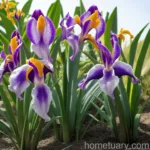
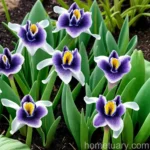
- Flower Color: White, Blue, Purple
- Blooming Season: Spring to Summer
- Propagation: Division, Seeds
- Light Requirements: Full Sun to Partial Shade
- Soil Type: Well-draining, Moist
- Watering Needs: Regular
- Hardiness Zones: 5-9
- Pests: Aphids, Thrips
- Diseases: Iris Rot, Leaf Spot
- Special Features: Wildlife Attraction, Fragrant Flowers
By assimilating these key takeaways, you can gain a comprehensive overview of the attributes and requirements of Iris lactea, setting the stage for successful cultivation and care.
Culture
The cultural requirements of Iris lactea play a pivotal role in shaping its growth, development, and overall well-being. Understanding the cultural preferences of this plant is fundamental in ensuring its thriving presence in gardens and landscapes.
Uses
Iris lactea serves multifaceted purposes, contributing to both aesthetic and functional aspects of horticulture and landscaping. The notable uses of this plant are:
- Ornamental Beauty: Its striking flowers and vibrant foliage make Iris lactea a captivating ornamental addition to gardens, borders, and landscapes.
- Medicinal Properties: In traditional medicine, certain parts of Iris lactea are utilized for their potential medicinal benefits, contributing to its cultural and historical significance.
Water
The watering needs of Iris lactea are crucial in maintaining optimal moisture levels for its growth and vitality. Adequate hydration is essential for supporting its flowering and foliage quality.
- Regular Watering: Iris lactea thrives with regular watering, ensuring that the soil remains consistently moist, especially during dry periods and the flowering season.
- Avoid Waterlogging: While a consistent moisture level is beneficial, waterlogging should be prevented to mitigate the risk of root rot and other moisture-related issues.
Sunlight
The sunlight preferences of Iris lactea are instrumental in determining its growth, flowering patterns, and overall vigor. Understanding its sunlight requirements is imperative for optimizing its performance.
- Full Sun to Partial Shade: Iris lactea exhibits versatility in its sunlight preferences, accommodating both full sun and partial shade conditions, depending on its geographical location and climate.
Fertilizer
Fertilizing Iris lactea is a strategic practice to fortify its nutrient uptake and foster robust growth and flowering. The judicious application of fertilizers can enhance its overall health and vitality.
- Balanced Fertilizer: Application of a balanced, all-purpose fertilizer during the growing season can bolster the growth and flowering potential of Iris lactea, promoting a bountiful display of blooms.
Soil
The soil requirements of Iris lactea play a pivotal role in sustaining its root health, nutrient absorption, and overall well-being. Tailoring the soil composition to its preferences is essential for fostering an optimal environment for its growth.
- Well-Draining Soil: Iris lactea thrives in well-draining soil that prevents waterlogging and facilitates aeration of the root zone, contributing to the prevention of root-related issues.
- Moisture-Retentive: While well-draining, the soil should also retain adequate moisture to support the plant’s hydration needs and mitigate the risk of drought stress.
Pruning
Pruning is a fundamental aspect of Iris lactea maintenance, encompassing the removal of spent flower stalks and the management of its foliage to promote a tidy and vigorous growth habit.
- Spent Flower Removal: Deadheading or removing spent flower stalks can divert the plant’s energy towards new growth and encourage a prolonged flowering season.
- Foliage Maintenance: Trimming discolored or damaged foliage can enhance the plant’s aesthetic appeal and reduce the risk of disease spread.
Propagation
The propagation of Iris lactea offers plant enthusiasts the opportunity to expand their collection and share the beauty of this species with others. Understanding the methods of propagation is essential for successful reproduction.
- Division: Dividing the rhizomes of Iris lactea allows for the creation of new plants, with each division possessing viable roots and shoots for independent growth.
- Seeds: Harvesting and sowing seeds from mature seed pods can yield new offspring, offering a distinct and natural approach to propagation.
Container Popularity
In addition to its presence in garden beds, Iris lactea exhibits a captivating allure in containers, enhancing the visual appeal of patios, balconies, and outdoor spaces.
- Container Gardening: Growing Iris lactea in containers provides the flexibility of mobility, allowing plant enthusiasts to showcase its beauty in various outdoor settings and microclimates.
Common Diseases and Pests
The susceptibility of Iris lactea to certain diseases and pests underscores the importance of vigilant monitoring and proactive management practices to safeguard its health and vitality.
Common Diseases
- Iris Rot: Excessive moisture and poor drainage can predispose Iris lactea to rot diseases, impacting the health of its rhizomes and roots. Prompt detection and intervention are essential in mitigating this issue.
- Leaf Spot: Fungal pathogens can cause leaf spot diseases, manifesting as unsightly blemishes on the foliage. Adequate air circulation and preventive fungicidal treatments can aid in disease control.
Disease Diagnosis
Early recognition of disease symptoms is imperative for implementing targeted control measures and minimizing the impact of diseases on Iris lactea.
- Symptoms: Yellowing, wilting, or darkening of foliage, discolored spots, and decay of rhizomes are indicative of potential diseases and warrant immediate attention.
- Diagnostic Measures: Consultation with local horticultural experts, diagnostic laboratories, or extension services can aid in accurate disease identification and subsequent management.
Common Pests
- Aphids: These sap-sucking insects can infest the new growth of Iris lactea, causing distortion and weakening of the affected plant parts. Organic insecticidal soaps or horticultural oils can offer effective control.
- Thrips: Thrips can cause stippling and discoloration of Iris lactea foliage, compromising its aesthetic value. Regular monitoring and targeted insecticidal treatments can aid in pest suppression.
Botanist’s Tips
Accumulating insights from seasoned botanists and horticultural experts can illuminate valuable tips and strategies for optimizing the cultivation and care of Iris lactea.
- Selecting Varieties: Explore the diverse varieties and cultivars of Iris lactea to incorporate unique flower colors, patterns, and growth habits into your landscape, fostering visual interest and diversity.
- Winter Protection: Providing adequate insulation and mulching during winter can shield the plant from frost and cold stress, preserving its vigor for the upcoming growing season.
Fun Facts
Uncover intriguing and captivating facts about Iris lactea that showcase its distinctive traits and endearing qualities, enriching your appreciation for this enchanting plant.
- Wildlife Attraction: Iris lactea’s flowers entice pollinators such as bees and butterflies, contributing to the biodiversity and ecological vibrancy of its surrounding habitat.
- Cultural Significance: In certain cultures and traditions, Iris lactea is associated with symbolism and represents various virtues such as purity, hope, and resilience, bearing cultural significance beyond its botanical allure.
Links to External Resources
Further exploration and enrichment of your knowledge about Iris lactea can be achieved through the invaluable insights and resources offered by reputable external sources.
By leveraging the expertise and information provided by these renowned organizations, you can delve deeper into the realm of Iris lactea cultivation and management, empowering yourself with authoritative guidance and best practices.
In conclusion, the enthralling allure and dynamic attributes of Iris lactea (Milky Iris) cement its status as a prized botanical gem, offering a myriad of opportunities for ornamental embellishment, ecological contribution, and horticultural fascination. Embracing the nuances of Iris lactea care and cultivation fosters a symbiotic relationship with nature, allowing us to bask in the perennial beauty and gratifying presence of this extraordinary plant.