Iris latifolia (English Iris): A Complete Guide
Iris latifolia, commonly known as the English Iris, is a stunning herbaceous perennial that belongs to the Iridaceae family. This beautiful plant is renowned for its striking blooms and is a favorite among gardeners for its ease of cultivation and exquisite appearance. In this comprehensive guide, we will delve into the characteristics, cultivation, and various aspects of the English Iris, providing you with valuable insights and tips for growing and caring for this remarkable plant.
What is Iris latifolia (English Iris)?
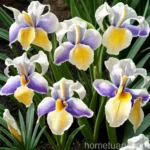
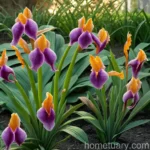
Iris latifolia, or the English Iris, is a species of flowering plant native to the Pyrenees mountain range in Europe. It is characterized by its elegant blooms, which come in a wide array of colors, ranging from deep purples and blues to soft pinks and whites. The English Iris is a clump-forming perennial that typically reaches a height of 30 to 60 centimeters (12 to 24 inches) and blooms in the late spring to early summer, adding a burst of color to gardens and landscapes.
Key Takeaways – Iris latifolia (English Iris)
Before we dive into the specifics of cultivating and caring for the English Iris, let’s take a look at some key takeaways that encompass its characteristics, cultivation, and uses.
- Common Name: English Iris
- Scientific Name: Iris latifolia
- Family: Iridaceae
- Native Range: Pyrenees mountain range in Europe
- Plant Type: Herbaceous perennial
- Bloom Time: Late spring to early summer
- Height: 30 to 60 centimeters (12 to 24 inches)
- Flower Colors: Various shades of purple, blue, pink, and white
Now, let’s explore the essential aspects of cultivating and caring for the English Iris, including its cultural requirements, uses, and common practices for successful growth.
Culture
The English Iris is celebrated for its versatility and adaptability in various growing environments. Whether cultivated in garden beds, borders, or containers, this plant thrives under the right conditions. Understanding its cultural requirements is fundamental to cultivating healthy and vibrant English Iris plants.
Uses
The English Iris serves multiple purposes in gardens and landscapes, making it a highly desirable plant for both aesthetic and functional reasons. Some of its key uses include:
- Ornamental Display: The striking blooms of the English Iris make it an excellent choice for adding visual interest to flower beds, borders, and rock gardens.
- Cut Flowers: The flowers of the English Iris are popular choices for floral arrangements and bouquets, adorning indoor spaces with their beauty and elegance.
- Pollinator Attraction: The nectar-rich flowers of the English Iris attract pollinators such as bees, butterflies, and hummingbirds, contributing to the overall health of the garden ecosystem.
Water
Sunlight
Fertilizer
Soil
Pruning
Propagation
Container Cultivation
Popularity
Common Diseases
Disease Diagnosis
Common Pests
Botanist’s Tips
Fun Facts
Links to External Resources
For more information on Iris latifolia (English Iris) and related topics, please refer to the following resources:
- Royal Horticultural Society – Iris latifolia
- The American Iris Society – Cultivation of Irises
- Missouri Botanical Garden – Iris latifolia Care Guide
In conclusion, the English Iris, or Iris latifolia, is a captivating plant that offers a wealth of beauty and versatility to gardens and landscapes. By understanding its cultural requirements, uses, and common practices for care, you can cultivate thriving English Iris plants and enjoy the abundance of vivid blooms year after year. Whether you are a seasoned gardener or a novice enthusiast, the allure of the English Iris is sure to inspire and delight, making it a treasured addition to any garden setting.