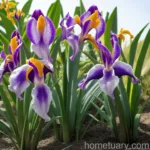
What is plant :Iris laevigata ‘Variegata’ (Water Iris)
The Iris laevigata ‘Variegata’, commonly known as the Water Iris, is a stunning and versatile perennial plant that belongs to the Iridaceae family. This aquatic plant is native to wetlands and marshes of Japan and has gained popularity as a striking addition to water gardens and landscapes around the world.
The Iris laevigata ‘Variegata’, known for its beautiful variegated foliage and delicate blooms, brings a touch of elegance to ponds, water features, and moist garden areas. With its adaptability to various growing conditions, this water iris has become a favorite among gardeners and landscape enthusiasts seeking to add visual interest and natural charm to their outdoor spaces.
In this comprehensive guide, we will delve into the various aspects of Iris laevigata ‘Variegata’, including its culture, uses, maintenance, propagation, common diseases, and more. Whether you are a seasoned gardener or someone exploring the world of water iris for the first time, this guide will provide valuable insights and tips for cultivating and enjoying the beauty of Iris laevigata ‘Variegata’.
Key Takeaways – Iris laevigata ‘Variegata’ (Water Iris)
Before we embark on a detailed exploration of Iris laevigata ‘Variegata’, let’s take a quick look at the key takeaways that encompass its essential characteristics and cultivation requirements:
- Botanical Name: Iris laevigata ‘Variegata’
- Common Name: Water Iris
- Plant Type: Perennial
- Family: Iridaceae
- Native Habitat: Japan
- Foliage: Variegated, long, and sword-shaped
- Flowers: Showy, pale blue to violet, with yellow accents
- Uses: Water gardens, ponds, wetland plantings, and landscape borders
- Cultural Needs: Full sun to partial shade, moist soil or waterlogged conditions
- Maintenance: Low to moderate
- Propagation: Division and seeds
- Hardiness: Zones 5-9
- Common Diseases: Rot and fungal infections
- Common Pests: Snails, aphids, and iris borers
Now, let’s delve deeper into each of these aspects to gain a comprehensive understanding of Iris laevigata ‘Variegata’ and how to cultivate and care for this captivating water iris.
Culture
Understanding the cultural requirements of Iris laevigata ‘Variegata’ is essential for successfully growing and nurturing this water-loving plant. From sunlight preferences to soil conditions, getting the culture right can significantly influence the health and vigor of the Water Iris.
Water
As its common name suggests, the Water Iris thrives in moist to waterlogged soil conditions. Whether grown in a traditional garden setting or as part of a water feature, this plant’s root system should remain consistently moist. When cultivated in ponds or water gardens, it’s beneficial to position the plants in shallow water, allowing the roots to stay submerged without restricting the leaves and rhizomes from reaching the surface.
In natural wetland settings, Iris laevigata ‘Variegata’ often grows at the water’s edge, where the soil is perpetually moist. This adaptation allows the plant to thrive in the transitional zone between aquatic and terrestrial environments, making it an excellent choice for landscaping water’s edges and margins.
Sunlight
When it comes to sunlight requirements, the Water Iris exhibits versatility, tolerating both full sun and partial shade conditions. In regions with milder climates, providing the plant with full sun exposure can result in prolific blooming and vibrant foliage colors. However, in warmer areas or during particularly hot summers, partial shade can help protect the plant from excessive heat stress and ensure its overall well-being.
Soil
The ideal soil for Iris laevigata ‘Variegata’ is rich, loamy, and moisture-retentive. In garden settings, amending the soil with organic matter can enhance its water retention capacity and provide essential nutrients for healthy growth. When cultivating Water Iris in water gardens or ponds, the soil may not be a significant factor as long as the roots have access to a nutrient-rich substrate. However, in containers or raised bog gardens, a mix of peat moss, compost, and sand can create an optimal growing medium for the plant.
Uses
The Water Iris, with its unique characteristics and adaptability to aquatic environments, serves various practical and aesthetic purposes in garden and landscape settings. Understanding its versatile uses can inspire creative applications and designs where Iris laevigata ‘Variegata’ can shine.
Water Gardens and Ponds
Arguably the most popular use of Iris laevigata ‘Variegata’ is in water gardens and ponds. The plant’s ability to thrive in waterlogged conditions makes it an excellent choice for adding vertical interest and a pop of color to aquatic settings. Whether planted at the edge of a pond or within shallow water, the variegated foliage and charming blooms create a visually captivating display throughout the growing season.
Wetland Plantings
In naturalistic landscapes or restoration projects, the Water Iris plays a vital role in wetland plantings. Its ability to tolerate fluctuating water levels and thrive in muddy, transitional zones makes it valuable for stabilizing soil, providing habitat for wildlife, and contributing to the ecological diversity of wetland ecosystems.
Landscape Borders
Beyond water-centric uses, Iris laevigata ‘Variegata’ can also be incorporated into landscape borders, especially in areas with consistently moist soil. When strategically placed along the borders of gardens or pathways, the plant adds a touch of elegance and natural beauty, enhancing the overall aesthetics of the landscape.
Container Planting
For smaller-scale gardening or on balconies and patios, growing Iris laevigata ‘Variegata’ in containers offers an opportunity to enjoy its beauty in a controlled environment. Whether in decorative pots or aquatic planters, the Water Iris thrives in containers as long as the growing medium remains consistently moist.
Sunlight
When it comes to sunlight requirements, the Water Iris exhibits versatility, tolerating both full sun and partial shade conditions. In regions with milder climates, providing the plant with full sun exposure can result in prolific blooming and vibrant foliage colors. However, in warmer areas or during particularly hot summers, partial shade can help protect the plant from excessive heat stress and ensure its overall well-being.
Soil
The ideal soil for Iris laevigata ‘Variegata’ is rich, loamy, and moisture-retentive. In garden settings, amending the soil with organic matter can enhance its water retention capacity and provide essential nutrients for healthy growth. When cultivating Water Iris in water gardens or ponds, the soil may not be a significant factor as long as the roots have access to a nutrient-rich substrate. However, in containers or raised bog gardens, a mix of peat moss, compost, and sand can create an optimal growing medium for the plant.
Pruning
Pruning is an essential aspect of maintaining the health and appearance of Iris laevigata ‘Variegata’. Proper pruning not only helps manage the plant’s size and shape but also promotes the development of new growth and encourages abundant blooming.
Deadheading
Removing spent blooms, a practice known as deadheading, is crucial for preventing the plant from expending energy on seed production. Deadheading Water Iris involves snipping off faded flowers near the base of the stem to redirect the plant’s resources toward new growth and future blooms.
Dividing Rhizomes
Every few years, dividing the rhizomes of Iris laevigata ‘Variegata’ is necessary to rejuvenate the plant and prevent overcrowding. The best time for this task is in late summer or early autumn when the plant is no longer actively growing. By carefully separating the rhizomes and replanting healthy sections, gardeners can propagate new Water Iris plants and ensure the continued vigor of existing ones.
Propagation
Propagating Iris laevigata ‘Variegata’ allows gardeners to expand their plant collection, share specimens with others, and rejuvenate older plantings. The Water Iris can be propagated through division and seeds, each method offering unique benefits and considerations.
Division
Dividing established clumps of Iris laevigata ‘Variegata’ is the most common and reliable method of propagation. This process involves carefully separating the rhizomes into individual sections, ensuring that each division has healthy roots and viable growing points. Dividing the plant in late summer or early autumn, when it is not actively blooming, provides ample time for the divided sections to establish themselves before the onset of winter.
Seeds
While propagating Water Iris from seeds is possible, it requires patience and careful attention to the germination process. Collecting mature seeds from the plant’s seed capsules and sowing them in a prepared seedbed or container can yield new plants, but the germination rate may vary. Stratifying the seeds by simulating winter conditions before sowing can improve the germination success, ultimately leading to the development of young Water Iris seedlings.
Links to External Resources
- [American Iris Society](https://www.irises.org/)
- [Royal Horticultural Society](https://www.rhs.org.uk/)