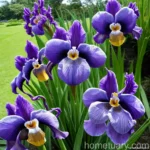
Iris ensata ‘Magic Opal’ (Japanese Iris): A Complete Guide
Iris ensata ‘Magic Opal’, commonly known as the Japanese Iris, is a stunning flowering plant that has captured the hearts of many gardeners and plant enthusiasts. Its captivating blooms, unique characteristics, and relatively easy maintenance make it a popular choice for gardens, landscaping, and even container cultivation. In this comprehensive guide, we will delve into all aspects of this beautiful plant – from its cultural requirements and uses to its propagation methods, common diseases, and much more.
What is Iris ensata ‘Magic Opal’ (Japanese Iris)?
Iris ensata ‘Magic Opal’ is a striking perennial plant belonging to the genus Iris and the Iridaceae family. This particular cultivar is highly prized for its mesmerizing flowers and distinct features, making it a sought-after addition to gardens and landscapes. The Japanese Iris is native to Japan, where it thrives in wetland areas, including marshes, pond margins, and moist meadows.
The plant boasts impressive architectural qualities and is renowned for its graceful, sword-shaped foliage, which serves as an attractive backdrop to its elaborate and vibrant blooms. The flowers of Iris ensata ‘Magic Opal’ exhibit a range of colors, often displaying captivating patterns and hues that add an enchanting allure to any setting.
Key Takeaways – Iris ensata ‘Magic Opal’ (Japanese Iris)
Before we delve deeper into the various aspects of caring for and appreciating Iris ensata ‘Magic Opal’, let’s highlight some key takeaways about this captivating plant.
- Common Name: Japanese Iris ‘Magic Opal’
- Plant Type: Perennial
- Bloom Time: Summer
- Sunlight: Requires full sun to partial shade
- Water: Prefers consistently moist to wet soil
- Soil: Well-draining, rich soil with slightly acidic pH
- Height: Typically reaches 2-3 feet in height
- Uses: Excellent for cut flower arrangements, garden borders, and water gardens
Now, with these key points in mind, let’s explore the various facets of growing and caring for Iris ensata ‘Magic Opal’ in detail.
Culture
Water
Japanese Iris ‘Magic Opal’ thrives in consistently moist to wet soil conditions. Adequate water is essential for the plant to flourish, especially during the growing season and when it is producing its iconic blooms. It is important to ensure that the soil remains consistently moist without becoming waterlogged, as excessive water can lead to root rot and other complications.
Sunlight
When it comes to sunlight requirements, Iris ensata ‘Magic Opal’ benefits from ample sunlight. While it can tolerate partial shade, providing the plant with full sun encourages vigorous growth and abundant flowering. In regions with intense summer heat, some afternoon shade may be beneficial to protect the plant from excessive stress.
Fertilizer
Fertilization is key to supporting the growth and blooming potential of Japanese Iris ‘Magic Opal’. Applying a balanced, water-soluble fertilizer specifically formulated for flowering plants in early spring, before the onset of blooming, can provide the necessary nutrients for healthy growth and robust flowering. It is essential to follow the recommended dilution and application rates to prevent over-fertilization, which can harm the plant.
Soil
Ensuring the appropriate soil conditions is crucial for the overall health and vitality of Iris ensata ‘Magic Opal’. The plant thrives in well-draining soil that is rich in organic matter. Additionally, the soil should have a slightly acidic pH, ideally ranging between 6.0 and 6.5. Amending the soil with organic compost or well-rotted manure can enhance its fertility and structure, creating an optimal environment for the Japanese Iris to thrive.
Pruning
Pruning plays a vital role in maintaining the health, aesthetics, and vigor of Iris ensata ‘Magic Opal’. Regular deadheading of spent blooms not only encourages prolonged flowering but also prevents the plant from expending energy on seed production. Additionally, removing any damaged, diseased, or yellowing foliage contributes to a tidy appearance and reduces the risk of disease spread and pest infestations.
Propagation
Propagation of Iris ensata ‘Magic Opal’ can be achieved through various methods, including division, seed sowing, and rhizome cuttings. Division is a common and effective way to multiply existing plants. It involves carefully digging up established clumps in early spring or after the blooming period, dividing them into smaller sections with healthy roots and shoots, and then transplanting the divisions to desired locations.
When it comes to seed propagation, collecting and sowing fresh seeds in a well-prepared seed-starting mix can yield new plants, though it may take a few years for the seedlings to mature and bloom. Rhizome cuttings, which involve separating healthy rhizome sections and planting them in suitable growing conditions, can also be employed to propagate Iris ensata ‘Magic Opal’.
Container Popularity
Iris ensata ‘Magic Opal’ is an excellent candidate for container cultivation, allowing individuals with limited garden space to enjoy its beauty on patios, balconies, or terraces. When growing Japanese Iris ‘Magic Opal’ in containers, it is important to choose a spacious, well-draining pot that accommodates the plant’s root system and provides ample room for growth.
- Table 1: Container Cultivation Guide for Iris ensata ‘Magic Opal’
| Aspect | Details |
|——————–|—————————————————|
| Container Size | Large, deep container with adequate drainage |
| Soil | Well-draining potting mix |
| Watering | Regular watering to maintain moist soil conditions |
| Sunlight | Full sun to partial shade |
| Fertilization | Diluted, balanced fertilizer during growing season |
Common Diseases
Like many plants, Iris ensata ‘Magic Opal’ is susceptible to certain diseases that can impact its overall health and appearance. Recognizing and addressing these diseases promptly is crucial in preserving the vitality and beauty of the plant. Some common diseases that may affect Japanese Iris ‘Magic Opal’ include:
- Leaf Spot: Characterized by the appearance of dark spots on the foliage, often caused by fungal pathogens.
- Soft Rot: A bacterial disease that leads to the decay of rhizomes and roots, potentially causing wilting and decline.
- Bacterial Leaf Blight: Results in the development of brown, water-soaked lesions on the leaves, often occurring during periods of prolonged moisture.
Disease Diagnosis
-
Leaf Spot Diagnosis: To diagnose and address leaf spot, carefully inspect the foliage for the presence of dark, irregularly shaped spots with distinct margins. If such symptoms are observed, it is advisable to apply an appropriate fungicidal treatment and ensure proper air circulation and moisture management.
-
Soft Rot Diagnosis: When encountering potential soft rot issues, closely examine the rhizomes and roots for any signs of softness, decay, or foul odor. Immediate intervention, including the removal of affected portions and the application of a suitable bactericide, is essential to prevent the spread of the disease.
-
Bacterial Leaf Blight Diagnosis: Identifying the characteristic water-soaked lesions on the leaves is indicative of bacterial leaf blight. Implementing cultural practices that promote good drainage and minimizing moisture on the foliage can help manage this disease, while the application of copper-based fungicides may offer additional control.
Common Pests
In addition to diseases, Japanese Iris ‘Magic Opal’ may also encounter various pests that can pose a threat to its well-being. Vigilance and appropriate pest management strategies are essential in safeguarding the plant from potential infestations. Some common pests that may target Iris ensata ‘Magic Opal’ include:
- Aphids: Small, sap-feeding insects that can distort foliage and excrete honeydew, leading to sooty mold development.
- Japanese Beetles: Notorious for their voracious feeding on foliage and flowers, causing significant aesthetic damage.
- Spider Mites: Tiny arachnids that can cause stippling and discoloration of leaves, particularly in hot, dry conditions.
Botanist’s Tips
To ensure the optimal growth and flourishing of Iris ensata ‘Magic Opal’, consider the following botanist’s tips:
- Ample Water: Maintain consistently moist to wet soil, especially during periods of active growth and blooming.
- Sunlight Optimization: Provide adequate sunlight exposure while ensuring protection from intense midday heat in warmer climates.
- Adequate Nutrients: Apply a balanced fertilizer formulated for flowering plants to support the plant’s nutritional needs during the growing season.
- Vigilant Monitoring: Regularly inspect the plant for signs of pests, diseases, and any cultural issues that may impact its health.
Fun Facts
- Japanese Iris ‘Magic Opal’ is celebrated for its elegant, ruffled flowers, which often showcase mesmerizing color variations and patterns, adding a delightful charm to gardens and landscapes.
- The Japanese Iris has been cultivated in Japan for centuries and holds cultural significance, often being featured in traditional art, literature, and symbolism.
Links to External Resources
For additional information, resources, and inspiration related to Iris ensata ‘Magic Opal’, explore the following links:
-
American Iris Society: Iris ensata
-
Royal Horticultural Society: Growing Japanese Irises
-
Gardening Know How: Iris ensata Care
-
University of California Statewide Integrated Pest Management Program: Iris Diseases
-
Missouri Botanical Garden: Iris ensata ‘Magic Opal’ Profile
-
Garden Design Magazine: Japanese Iris in Landscaping
-
Plant Care Today: Caring for Japanese Iris ‘Magic Opal’
-
North Carolina State University Extension: Japanese Iris Production Guide
It is hoped that this comprehensive guide has provided valuable insights and practical tips for cultivating, appreciating, and enjoying the beauty of Iris ensata ‘Magic Opal’. Whether incorporated into garden borders, water features, or container displays, the stunning Japanese Iris holds a timeless allure and continues to captivate plant enthusiasts around the world.