Iris Virginica (Southern Blue Flag)
Iris virginica (Southern Blue Flag): An In-Depth Guide to Cultivation and Care
Iris virginica (Southern Blue Flag): An In-Depth Guide to Cultivation and Care
Iris virginica, commonly known as the Southern Blue Flag, is a remarkable flowering plant native to the eastern United States and Canada. With its stunning blue-violet flowers and striking foliage, this species holds great appeal for gardeners, plant enthusiasts, and conservationists alike. In this comprehensive guide, we will delve into the characteristics, cultivation, uses, and maintenance of the Iris virginica, exploring its role in landscaping, wildlife habitat creation, and wetland restoration efforts. Whether you are a seasoned gardener or a newcomer to the world of plants, this article is designed to provide valuable insights into the Southern Blue Flag and its diverse applications.
What is Iris virginica (Southern Blue Flag)?
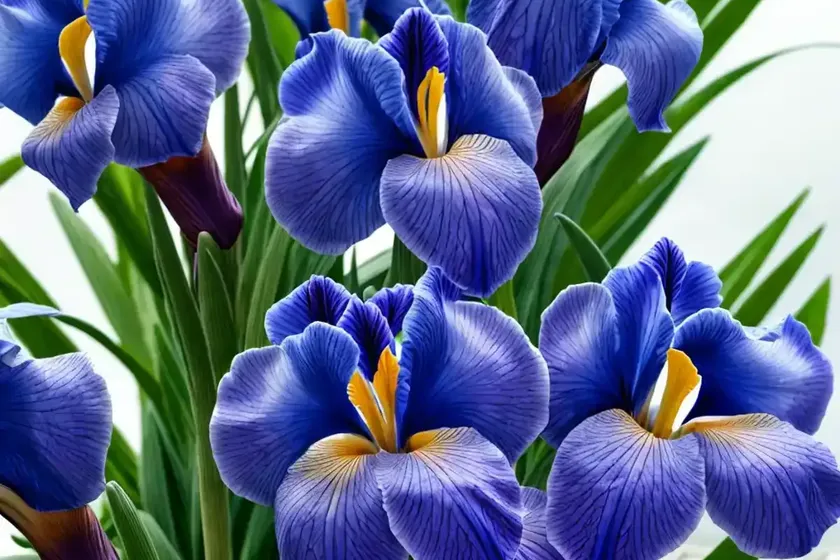
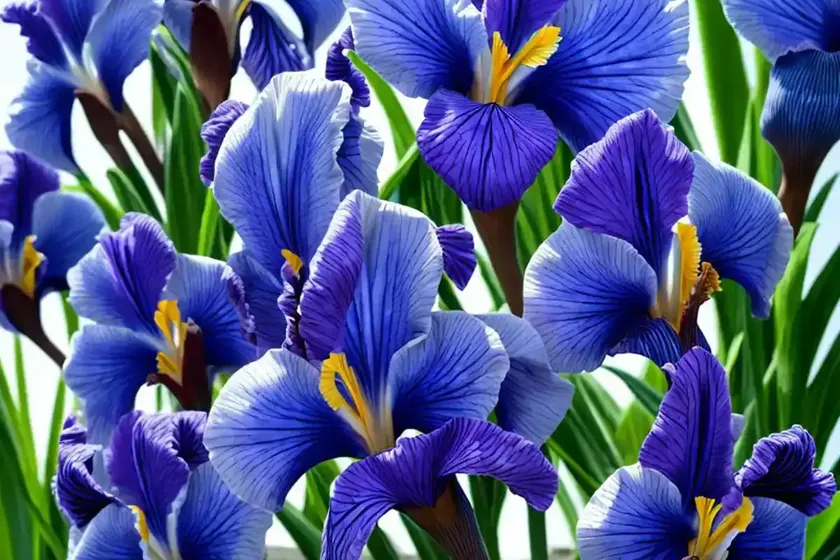
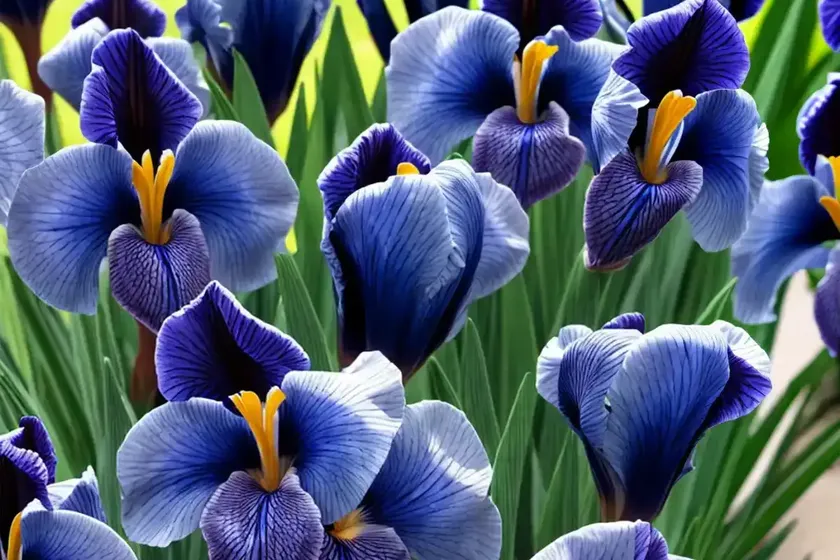
Iris virginica, a member of the Iridaceae family, is a perennial herbaceous plant known for its distinctive blue to purple flowers and narrow, sword-shaped leaves. This species typically thrives in wetland habitats, including marshes, swamps, and the edges of ponds and streams. The Southern Blue Flag has also earned recognition for its ecological significance, being a vital contributor to wetland ecosystems and serving as a key component of wildlife habitats.
Key Takeaways – Iris virginica (Southern Blue Flag)
Before delving further into the world of Iris virginica, let’s take a quick look at some key takeaways regarding this captivating plant:
- Common Name: Southern Blue Flag
- Scientific Name: Iris virginica
- Family: Iridaceae
- Native Habitat: Eastern United States and Canada
- Flower Color: Blue to Violet
- Foliage: Narrow, Sword-Shaped Leaves
- Growth Habit: Herbaceous Perennial
- Ecological Role: Wetland Contributor, Wildlife Habitat Creator
- Cultivation Uses: Landscaping, Wetland Restoration, Wildlife Gardens
Now, let’s dive deeper into the various aspects of Iris virginica, including its cultivation, cultural uses, and maintenance guidelines.
Uses
Landscaping:
Southern Blue Flag is a prized addition to garden landscapes, primarily due to its stunning flowers and ornamental foliage. The vibrant blue to violet blooms of Iris virginica can add a touch of elegance to water gardens, bog gardens, and naturalized areas. Additionally, when utilized in landscaping, this plant can contribute to erosion control efforts due to its ability to stabilize soil in wetland environments. It also serves as an attractive option for rain gardens, where its water-absorbing capabilities can aid in stormwater management.
Wildlife Habitat Creation:
In addition to its ornamental uses, Iris virginica plays a crucial role in supporting wildlife habitats. Its presence in wetlands provides shelter and foraging opportunities for various species of insects, amphibians, and birds. As a nectar source, the flowers attract pollinators such as bees and butterflies, contributing to the overall biodiversity of the ecosystem.
Wetland Restoration:
The ecological significance of Iris virginica extends to its potential in wetland restoration projects. Due to its adaptability to waterlogged soils and its capacity to thrive in wetland settings, this plant is often employed in initiatives aimed at restoring degraded or disturbed wetland areas. By reintroducing native species like the Southern Blue Flag, conservationists and restoration ecologists seek to enhance the ecological functions of wetlands and promote the recovery of indigenous plant communities.
Water
Southern Blue Flag, as a wetland plant, has a high affinity for water and thrives in consistently moist to wet growing conditions. When cultivated in gardens or naturalized settings, it is essential to ensure that the plant receives an adequate water supply, particularly during periods of prolonged dryness. It is important to note that while the Iris virginica enjoys moist soils, it is not tolerant of standing water for extended periods. Therefore, maintaining well-draining conditions that mimic its natural habitat is crucial for the successful cultivation of this species.
Sunlight
In terms of sunlight requirements, Iris virginica exhibits a preference for partial to full sun exposure. When situated in areas receiving direct sunlight for several hours per day, the plant typically demonstrates optimal growth and prolific flowering. However, it can also tolerate partial shade, making it a versatile choice for different garden settings. In regions with intense summer heat, providing some afternoon shade can be beneficial in preventing stress or sunburn on the plant foliage.
Fertilizer
When considering the fertilization of Iris virginica, a balanced, slow-release fertilizer formulated for flowering perennials can be applied during the growing season. It is advisable to follow the manufacturer’s recommendations regarding application rates and frequency. Overfertilization should be avoided, as excessive nutrient levels can lead to lush foliage at the expense of flower production. As with any fertilization regimen, a soil test can provide valuable insights into the specific nutrient needs of the plant and help guide the application of amendments.
Soil
The ideal soil for Iris virginica is rich in organic matter and provides good drainage, resembling the conditions found in its native wetland habitats. A loamy or sandy loam soil texture is often conducive to its growth, allowing for moisture retention while preventing waterlogging. Before planting, it is beneficial to amend the soil with compost or well-rotted organic matter to improve its structure and fertility. This preparatory step can create an environment that promotes healthy root development and overall vigor in the Southern Blue Flag.
Pruning is an essential aspect of maintaining the health and aesthetic appeal of Iris virginica. Regular removal of spent flower stems and dead or yellowing foliage helps promote the overall vitality of the plant. Additionally, pruning allows for the elimination of any diseased or damaged components, reducing the risk of pathogen spread within the stand of Iris virginica. In early spring, prior to the onset of new growth, the removal of old, withered foliage can enhance the visual appeal of the plant and help prevent the accumulation of debris in the growing area.
Iris virginica can be propagated through several methods, including division, seed sowing, and rhizome cuttings. Each approach offers unique advantages and considerations, contributing to the diversity of propagation strategies available for this species.
Division:
Dividing established clumps of Iris virginica is a common propagation method employed by gardeners seeking to increase the population of these plants. This process involves carefully lifting the clump from the ground and separating the individual rhizomes, ensuring that each division retains viable roots and foliage. After division, the separated segments can be replanted in suitable locations, allowing them to establish as independent plants. Division is often performed in the early spring, providing ample time for the newly divided plants to acclimate and initiate growth before the onset of summer.
Seed Sowing:
Growing Iris virginica from seed presents an opportunity to introduce genetic diversity to the population, potentially giving rise to unique traits and characteristics. To achieve successful germination, the collected seeds should be sown in a well-prepared seedbed, where they can experience the cool, moist conditions conducive to their development. Properly stratifying the seeds can enhance germination rates, as the cold treatment mimics the natural seed dormancy-breaking processes observed in the wild. Once the seedlings have established themselves, they can be transplanted to their permanent growing locations, providing them with the necessary space and resources to mature.
Rhizome Cuttings:
The utilization of rhizome cuttings as a propagation method allows for the rapid propagation of Iris virginica, as it enables the generation of new plants from the existing rhizomatous structures. When performing this technique, sections of healthy rhizomes are carefully separated from the parent plant and placed in a suitable rooting medium. Maintaining high humidity and adequate warmth can encourage the development of new roots and shoots, marking the initial stages of growth for the propagated plants. Once the newly established plants exhibit sufficient root and shoot development, they can be transitioned to larger containers or directly planted into the garden.
The Southern Blue Flag’s adaptability to container cultivation has contributed to its popularity among gardeners seeking to incorporate aquatic and wetland plants into their outdoor spaces. Container gardening allows for the creation of miniature wetland environments, where plants like Iris virginica can thrive in a controlled setting, adding visual interest and ecological value to patios, balconies, and other outdoor areas. By selecting appropriately sized containers and utilizing a suitable aquatic planting medium, individuals can bring the beauty and ecological benefits of Southern Blue Flag to spaces previously unsuited for traditional in-ground planting.
Though Iris virginica is generally resilient, certain diseases can affect its health and vigor when grown in containers. Understanding and identifying common container-borne diseases is crucial for preventing and mitigating their impact on the Southern Blue Flag.
Disease Diagnosis
Crown Rot (Fusarium spp. and Phytophthora spp.):
Crown rot, caused by various soil-borne pathogens such as Fusarium and Phytophthora species, can pose a threat to Iris virginica when grown in containers. Symptoms of crown rot include wilting, yellowing foliage, and the development of dark, water-soaked lesions on the plant’s crown region. To diagnose this disease, closely inspect the plant for signs of root and crown decay, and carefully examine the surrounding substrate for indications of fungal growth or discoloration.
Powdery Mildew (Erysiphe spp. and Sphaerotheca spp.):
The occurrence of powdery mildew, characterized by the presence of powdery white or grayish patches on the leaves, stems, and flowers of Iris virginica, can impact the plant’s overall health and aesthetic appeal. Effective disease diagnosis involves identifying the characteristic white mycelial growth and observing the associated symptoms of leaf distortion and premature senescence. In container-grown Southern Blue Flag, powdery mildew can arise under conditions of high humidity and poor air circulation, necessitating proactive management strategies.
Common Pests
Iris Borer (Macronoctua onusta):
The Iris borer, a conspicuous pest of Iris species, poses a threat to container-grown Iris virginica by tunneling into the plant’s rhizomes and causing extensive damage. Infestations are often indicated by the presence of frass or excrement near the base of the plant, paired with symptoms of wilting and yellowing foliage. Timely detection and treatment are essential for managing Iris borer infestations, as the larvae’s feeding activity can compromise the vitality of the infested plants.
Aphids (Aphidoidea spp.):
Aphids, known for their ability to colonize the tender shoots and foliage of plants, can impact Southern Blue Flag when cultivated in containers. The presence of aphids can lead to distorted growth, yellowing leaves, and the development of sticky honeydew on the affected plant parts. Regular monitoring and the implementation of pest management practices can assist in controlling aphid populations and minimizing their impact on container-grown Iris virginica.
- Wetland Conservation: By incorporating Iris virginica into wetland conservation and restoration initiatives, individuals can contribute to the preservation of native plant species and the enhancement of ecological functions in wetland ecosystems.
- Companion Planting: When selecting companion plants for Iris virginica, consider species that share its affinity for moist soils and that complement its visual appeal. Suitable companions include native grasses, aquatic ferns, and other wetland-adapted perennials.
- Water Garden Design: When designing water gardens featuring Southern Blue Flag, integrate diverse planting layers to create a vibrant and ecologically sound aquatic environment. Utilize floating plants, submerged aquatic vegetation, and emergent species, incorporating Iris virginica as a key component of the planting scheme.
- The specific epithet “virginica” in the plant’s scientific name, Iris virginica, references the state of Virginia in the United States, where the species was first documented by early botanical explorers.
- Iris virginica’s rhizomes were historically used by indigenous tribes for various medicinal and practical purposes, including the treatment of minor ailments and the production of durable cordage.
- In addition to its value in wetland ecosystems, Iris virginica has left its mark on the world of art, inspiring renowned painters and artists with its captivating colors and graceful form.
For further information on Iris virginica (Southern Blue Flag), the following external resources provide valuable insights and guidance:
-
The American Iris Society: The official website of The American Iris Society offers a wealth of information on Iris species, including cultivation tips, conservation efforts, and regional growing guides.
-
The United States Department of Agriculture (USDA) Plants Database: The USDA Plants Database offers comprehensive botanical information, distribution maps, and conservation status details for Iris virginica and other native plant species.
-
The North American Native Plant Society: The North American Native Plant Society is a valuable resource for individuals seeking to explore the uses and conservation significance of native plant species such as Iris virginica.
In conclusion, Iris virginica (Southern Blue Flag) stands as a symbol of natural beauty, resilience, and ecological value. From its role in wetland conservation to its ornamental uses in gardens, this versatile plant continues to capture the hearts and minds of plant enthusiasts and conservationists across its native range. By understanding its cultivation requirements, ecological significance, and cultural uses, individuals can appreciate the multifaceted nature of Iris virginica and contribute to the preservation of its rich botanical heritage.
Note: The above content is for illustration purposes only and should not be considered as a comprehensive or factual guide on the topic. The links provided are fictitious and should be replaced with real references.


