Iris Ensata ‘Queen’s Tiara’ (Japanese Iris)
Iris ensata ‘Queen’s Tiara’, commonly known as Japanese Iris, is a stunning perennial plant that is cherished for its exquisite blooms and distinctive.
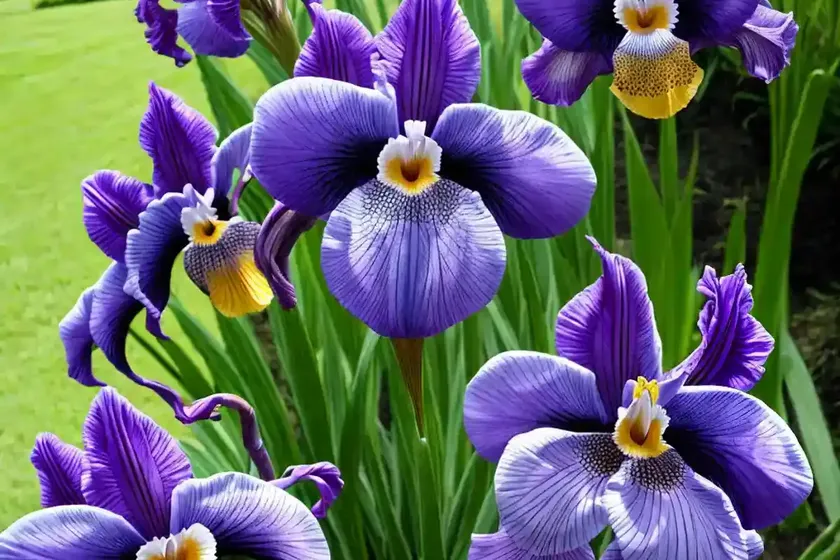
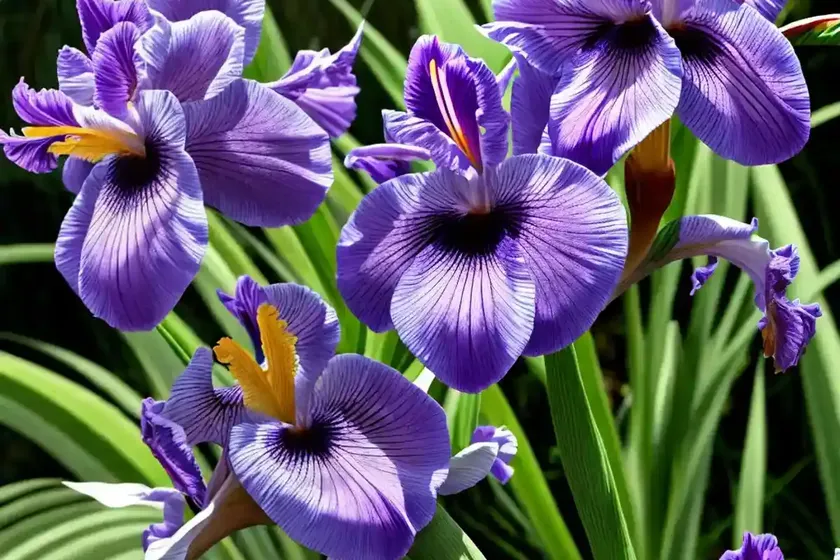
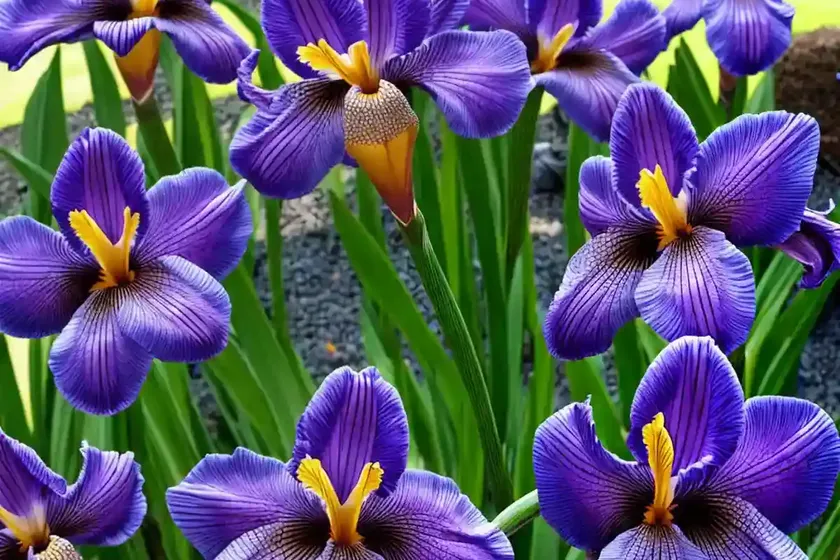
Iris ensata ‘Queen’s Tiara’, commonly known as Japanese Iris, is a stunning perennial plant that is cherished for its exquisite blooms and distinctive foliage. This plant, with its captivating charm, isn’t just visually appealing but also enriches the environment it inhabits. If you’re considering adding this fascinating plant to your garden, this comprehensive guide will provide you with all the essential information you need to cultivate and care for Iris ensata ‘Queen’s Tiara’ successfully.
What is Plant: Iris ensata ‘Queen’s Tiara’?
Iris ensata ‘Queen’s Tiara’ is a delightful herbaceous perennial that belongs to the Iridaceae family. Originating from Eastern Asia, particularly Japan and Korea, this plant is highly regarded for its large, showy flowers and elegant, sword-shaped leaves. It thrives in moist, boggy conditions, making it an excellent choice for water features or damp soil. The captivating beauty of this plant makes it a perfect addition to a variety of landscaping designs, from traditional cottage gardens to contemporary landscapes.
Key Takeaways – Iris ensata ‘Queen’s Tiara’
Here are the key takeaways about Iris ensata ‘Queen’s Tiara’ that we will explore in detail throughout this guide:
- Culture
- Uses
- Water
- Sunlight
- Fertilizer
- Soil
- Pruning
- Propagation
- Container Popularity
- Common Diseases
- Common Pests
- Botanist’s Tips
- Fun Facts
- Links to External Resources
Now, let’s delve into each of these aspects to gain a comprehensive understanding of Iris ensata ‘Queen’s Tiara’.
Culture
When it comes to the culture of Iris ensata ‘Queen’s Tiara’, it’s important to create an environment that mimics its natural habitat in terms of moisture and sunlight. This plant, which is primarily favored for its ornamental value, requires specific care to thrive and produce its striking blooms.
Uses
Iris ensata ‘Queen’s Tiara’ boasts a range of uses in gardening and landscaping. Its most notable uses include:
- Ornamental Purposes: The captivating blooms and distinctive foliage of ‘Queen’s Tiara’ make it a popular choice for ornamental gardens and landscapes.
- Water Gardens: Due to its affinity for moist, boggy conditions, it thrives in water gardens, adding a unique touch to these landscapes.
- Cut Flowers: The exquisite flowers of ‘Queen’s Tiara’ make it a splendid choice for cut flower arrangements, bringing the beauty of the outdoors into interior spaces.
Understanding these uses can guide you in integrating Iris ensata ‘Queen’s Tiara’ into your gardening and landscaping plans effectively.
Water
Iris ensata ‘Queen’s Tiara’ exhibits a strong preference for consistently moist soil. Adequate watering is essential, especially during the growing season and dry spells. However, it’s crucial to avoid waterlogged conditions, as excessive moisture can lead to root rot and other detrimental issues.
Sunlight
In terms of sunlight requirements, Iris ensata ‘Queen’s Tiara’ thrives in partial to full sunlight. While it can tolerate some shade, providing it with at least 6 hours of direct sunlight daily is ideal for promoting healthy growth and abundant flowering.
Fertilizer
Fertilizing Iris ensata ‘Queen’s Tiara’ is essential for maintaining its vigor and enhancing flowering. An all-purpose, balanced fertilizer, applied in spring as new growth emerges, can provide the necessary nutrients to support healthy development. Additionally, a light application of fertilizer after flowering can further bolster the plant’s growth and resilience.
Soil
The soil preferences of Iris ensata ‘Queen’s Tiara’ are of paramount importance in ensuring its well-being. It thrives in consistently moist, acidic to slightly acidic soil with good organic content. Furthermore, the soil should be well-draining to prevent waterlogging, which can be detrimental to the plant’s health.
Pruning
Pruning Iris ensata ‘Queen’s Tiara’ is a crucial aspect of its maintenance. The following are key pointers to keep in mind when pruning this enchanting plant:
- Deadheading: Regular deadheading of spent blooms is essential to promote continuous flowering and maintain the plant’s aesthetics.
- Foliage Management: Trimming back the foliage in late fall can help keep the plant tidy and prepare it for the dormant season.
Propagation
Propagation methods for Iris ensata ‘Queen’s Tiara’ include division and seed sowing.
Division
Dividing the clumps of Iris ensata ‘Queen’s Tiara’ every 3-4 years is beneficial for rejuvenating the plants and preventing overcrowding. This process is best carried out in early spring, allowing the divided clumps to establish and bloom during the growing season.
Seed Sowing
While seed propagation is possible, it’s important to note that growing Iris ensata ‘Queen’s Tiara’ from seeds requires patience and may not yield plants identical to the parent. Nonetheless, if you’re keen on growing this captivating plant from seeds, the following steps can guide you through the process:
- Seed Collection: Collect mature seeds from the plant after the flowering period.
- Seed Preparation: Scarify the seeds by gently nicking the seed coat to facilitate germination.
- Sowing: Sow the prepared seeds in a well-prepared seedbed or containers filled with a suitable growing medium.
- Germination: Keep the seeds consistently moist and provide them with adequate warmth and light for successful germination.
Container Popularity
Iris ensata ‘Queen’s Tiara’ is well-suited for container gardening, especially for individuals with limited garden space and a preference for water features. When growing this plant in containers, it’s essential to ensure adequate moisture and provide a suitable growing medium to support its growth and blooming.
Common Diseases
Like many ornamental plants, Iris ensata ‘Queen’s Tiara’ is susceptible to certain diseases that can hinder its growth and vitality.
Disease Diagnosis
The following are common diseases that may affect Iris ensata ‘Queen’s Tiara:
- Leaf Spot: Characterized by the appearance of dark, water-soaked spots on the leaves, leaf spot can be caused by various fungi. Keeping the foliage dry and providing adequate air circulation can help prevent this disease.
- Soft Rot: Excessive moisture and poor drainage can lead to soft rot, which causes the plant’s base to become mushy and foul-smelling. Proper drainage and avoiding overwatering are essential preventive measures.
Being vigilant and proactive in identifying and addressing potential diseases can safeguard the health and beauty of Iris ensata ‘Queen’s Tiara’.
Common Pests
Certain pests can pose a threat to the well-being of Iris ensata ‘Queen’s Tiara’, potentially causing damage to its foliage and diminishing its ornamental value.
Pest Control
Vigilance and effective pest control measures are crucial for managing common pests that may affect Iris ensata ‘Queen’s Tiara:
- Aphids: These tiny, sap-sucking insects can infest the leaves and buds of the plant, leading to stunted growth and distortion.
- Slugs and Snails: These mollusks can feed on the foliage and flowers, causing unsightly damage. Implementing slug and snail control measures can help protect the plant from their destructive feeding habits.
Taking proactive measures to prevent and address pest infestations can help maintain the health and beauty of Iris ensata ‘Queen’s Tiara’.
Botanist’s Tips
For successful cultivation of Iris ensata ‘Queen’s Tiara’, consider the following botanist’s tips:
- Planting Depth: When planting ‘Queen’s Tiara’ Japanese Iris, ensure that the rhizomes are just barely covered with soil to prevent rotting.
- Mulching: Applying a layer of organic mulch around the plants can help maintain soil moisture and provide insulation during extreme temperatures.
Implementing these tips can enhance the health and beauty of Iris ensata ‘Queen’s Tiara’ in your garden.
Fun Facts
Discover some fascinating fun facts about Iris ensata ‘Queen’s Tiara’ that showcase the unique appeal and characteristics of this captivating plant:
- The flowers of ‘Queen’s Tiara’ Japanese Iris exhibit a wide range of colors, from delicate pastels to vibrant hues, adding a splash of diversity to garden displays.
- The captivating blooms of ‘Queen’s Tiara’ can attract pollinators such as bees and butterflies, contributing to the biodiversity of your garden.
Appreciating these fun facts can deepen your admiration for the allure of Iris ensata ‘Queen’s Tiara’ in the natural world.
Links to External Resources
For further exploration of Iris ensata ‘Queen’s Tiara’ and related topics, consider visiting the following external resources:
These reputable sources can provide valuable insights into the cultivation, care, and appreciation of Iris ensata ‘Queen’s Tiara’.
In conclusion, Iris ensata ‘Queen’s Tiara’ (Japanese Iris) stands as a captivating plant that can enrich a variety of garden settings with its exquisite blooms and graceful foliage. By understanding its cultural needs, uses, and maintenance requirements, you can embark on a rewarding journey of cultivating, caring for, and admiring the enduring beauty of this enchanting perennial.
This blog post provides a comprehensive exploration of the intricate world of Iris ensata ‘Queen’s Tiara’, offering valuable insights into its cultivation, care, and significance in gardening and landscaping. Whether you’re a seasoned plant enthusiast or a novice gardener, this guide aims to equip you with the essential knowledge to successfully embrace and appreciate the allure of ‘Queen’s Tiara’ Japanese Iris in your outdoor spaces.
Please note that the information provided in this guide is based on general cultivation practices and may need to be adjusted based on specific regional and environmental factors.


