Iris Ensata ‘Returning Tide’ (Japanese Iris)
In the world of gardening, the mesmerizing beauty of Iris ensata ‘Returning Tide’ holds a special place. This Japanese Iris cultivar is celebrated for its.
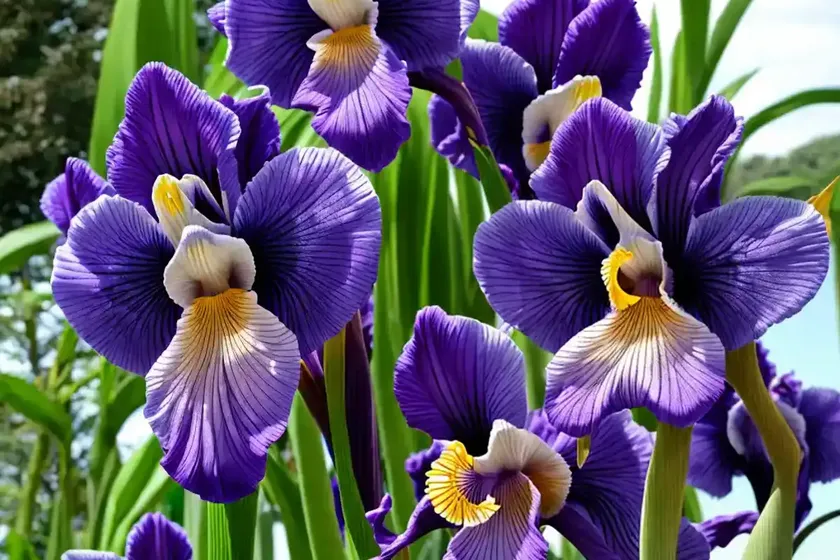
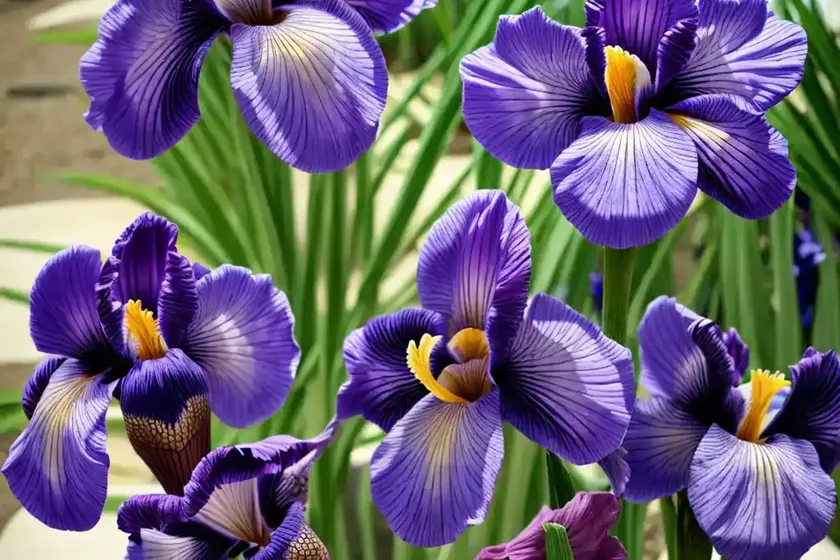
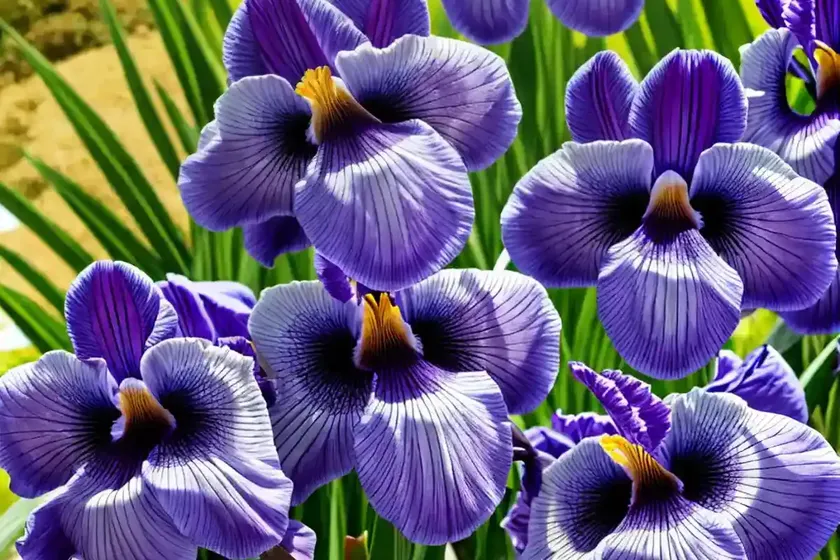
In the world of gardening, the mesmerizing beauty of Iris ensata ‘Returning Tide’ holds a special place. This Japanese Iris cultivar is celebrated for its stunning flowers and ornamental value. In this comprehensive guide, we will delve into the various aspects of this captivating plant, including its culture, uses, care requirements, and much more.
What is Iris ensata ‘Returning Tide’?
Iris ensata ‘Returning Tide’ is a stunning cultivar of Japanese Iris, renowned for its exceptional beauty and elegance. This perennial plant belongs to the Iridaceae family and is known for its striking flowers and attractive foliage. The name “Iris” is derived from the Greek word for a rainbow, which perfectly captures the diverse range of colors these flowers exhibit.
Originating from Japan, Iris ensata ‘Returning Tide’ is a hybrid variety that has gained immense popularity among gardeners and landscaping enthusiasts. Its exquisite blooms and graceful demeanor make it a favorite choice for adding color and charm to garden landscapes, water features, and container gardens.
Key Takeaways: Iris ensata ‘Returning Tide’ (Japanese Iris)
Before we delve deeper into the specific details of this magnificent plant, let’s highlight some key takeaways that will guide our exploration:
- Scientific Name: Iris ensata ‘Returning Tide’
- Common Name: Japanese Iris ‘Returning Tide’
- Plant Type: Perennial
- Family: Iridaceae
- Native to: Japan
- USDA Hardiness Zones: 4-9
- Mature Height: 24-36 inches
- Mature Spread: 18-24 inches
- Bloom Time: Late spring to early summer
- Water Requirements: Moist to wet soil
- Sunlight Preferences: Full sun to partial shade
The eye-catching Iris ensata ‘Returning Tide’ presents an intriguing mix of culture, uses, and care requirements. Let’s embark on a journey to uncover the enchanting world of this remarkable plant.
Culture
Understanding the cultural requirements of Iris ensata ‘Returning Tide’ is fundamental to its successful growth and development. The following aspects encompass its cultural preferences:
Water
Japanese Irises, including the ‘Returning Tide’ cultivar, thrive in moist to wet soil conditions. These plants have a requirement for consistent moisture, particularly during the growing season and flowering period. Adequate water availability is essential to support the plant’s overall health and promote the lush growth of its stunning blooms.
Sunlight
When it comes to sunlight preferences, Iris ensata ‘Returning Tide’ flourishes in locations that receive full sun to partial shade. While it appreciates ample sunlight for robust growth and prolific flowering, it can also tolerate partially shaded areas, making it a versatile choice for various garden settings.
Fertilizer
For optimal performance and vibrant blooms, providing a balanced fertilizer to Iris ensata ‘Returning Tide’ is crucial. A slow-release fertilizer applied in spring can support the plant’s nutrient needs, promoting healthy foliage and vigorous flowering. It is essential to follow the recommended dosage to prevent over-fertilization, which can adversely affect the plant.
Soil
The ideal soil conditions for Iris ensata ‘Returning Tide’ are rich, organic, and moisture-retentive. A well-draining soil that retains moisture without becoming waterlogged is beneficial for the plant’s growth. Additionally, slightly acidic to neutral soil pH is favored by this Japanese Iris cultivar.
Pruning
Pruning plays a significant role in maintaining the vigor and aesthetics of Iris ensata ‘Returning Tide.’ Here are some essential considerations regarding pruning techniques for this captivating plant:
- Deadheading: Regular deadheading of spent flowers can encourage prolonged blooming and prevent seed formation. This practice directs the plant’s energy towards producing new blooms, enhancing the overall floral display.
- Foliage Maintenance: Removing yellowing or damaged foliage can enhance the plant’s appearance and prevent the spread of diseases. Trimming back unhealthy leaves can promote a tidy and healthy growth habit.
Propagation
Propagation of Iris ensata ‘Returning Tide’ can be achieved through various methods, including division and seed propagation. Each approach has its unique requirements and benefits, allowing for the expansion of plantings and the creation of new specimens. Let’s explore these methods in more detail:
Division
The division of rhizomatous clumps is a common and effective method for propagating Iris ensata ‘Returning Tide.’ This process is best carried out in early spring or after the plant’s blooming period. By carefully separating healthy rhizomes and ensuring that each division has adequate roots and viable buds, successful establishment can be achieved.
Seed Propagation
While seed propagation is a viable option for increasing the population of Iris ensata ‘Returning Tide,’ it requires patience and careful attention to specific germination requirements. Sowing fresh seeds in a well-prepared seedbed and providing consistent moisture and suitable temperatures can lead to the successful germination of seeds. However, it’s important to note that seed-grown plants may exhibit natural variations in flower color and characteristics.
Container Popularity
The allure of Iris ensata ‘Returning Tide’ extends to container gardening, where its captivating blooms and graceful foliage can be showcased on patios, balconies, or other outdoor spaces. The versatility of container gardening allows for creative displays and provides an opportunity to enjoy the beauty of this Japanese Iris cultivar in various settings.
When selecting containers for ‘Returning Tide,’ consider spacious, well-draining pots that accommodate the plant’s growth and moisture requirements. Additionally, using a high-quality potting mix tailored to the needs of moisture-loving plants can support the health and vitality of Iris ensata ‘Returning Tide’ in a container setting.
Common Diseases
As with any plant, Iris ensata ‘Returning Tide’ is susceptible to certain diseases that can impact its overall well-being. Understanding these common ailments and their management is essential for maintaining the plant’s health. Let’s explore some prevalent diseases and their potential impact on this Japanese Iris cultivar:
Disease Diagnosis
- Leaf Spot: Characterized by the presence of dark spots or lesions on the foliage, leaf spot diseases can affect the aesthetic appeal and vigor of Iris ensata ‘Returning Tide.’ Proper sanitation, adequate air circulation, and the application of fungicidal treatments can help manage and prevent leaf spot diseases.
- Root Rot: Prolonged periods of excessive soil moisture can create favorable conditions for root rot pathogens. Symptoms include wilting, yellowing, or browning of foliage, indicating potential root damage. Improving drainage and moderating watering practices are vital for preventing root rot in ‘Returning Tide.’
Common Pests
In addition to diseases, certain pests pose potential threats to the health and vitality of Iris ensata ‘Returning Tide.’ Vigilance and proactive management strategies can help mitigate the impact of these common pests. Let’s identify some of the typical pests that may affect this Japanese Iris cultivar:
- Aphids: These small, sap-feeding insects can cause distorted growth and weaken the plant. Regular monitoring and the application of insecticidal soap or horticultural oil can aid in controlling aphid populations.
- Japanese Beetles: Recognizable by their iridescent green and copper-toned bodies, Japanese beetles can inflict damage to the foliage and flowers of ‘Returning Tide.’ Employing physical removal methods and utilizing beetle traps can contribute to managing this pest.
Botanist’s Tips
Experienced botanists and gardeners may have valuable insights and recommendations for growing and caring for Iris ensata ‘Returning Tide.’ These tips can offer a wealth of knowledge based on practical experience and a deep understanding of the plant’s requirements. Let’s explore some expert tips for cultivating and showcasing this captivating Japanese Iris cultivar:
- Companion Planting: Pairing Iris ensata ‘Returning Tide’ with complementary companion plants such as Astilbe, Ligularia, or Hosta can create visually appealing and harmonious garden compositions. Consider the color, texture, and growth habits of companion plants to achieve balanced and striking combinations.
- Landscape Design: Incorporating ‘Returning Tide’ into water features, bog gardens, or moist woodland areas can accentuate its natural beauty and contribute to captivating landscape designs. The contrast of the plant’s bold flowers against lush foliage or water elements enhances the visual impact of the overall landscape.
- Wildlife Attraction: The nectar-rich flowers of Iris ensata ‘Returning Tide’ can attract pollinators such as bees and butterflies, contributing to the biodiversity and ecological value of garden spaces. Incorporating wildlife-friendly plants can support local ecosystems and create a thriving habitat for beneficial pollinators.
Fun Facts
Discovering intriguing and captivating facts about Iris ensata ‘Returning Tide’ adds a layer of fascination to the experience of growing and appreciating this stunning plant. Let’s unravel some fun and interesting facts that highlight the charm and allure of ‘Returning Tide’:
- Symbolism: In Japanese culture, Irises are associated with the concept of “awareness” and are often depicted in art and literature as emblematic of the changing seasons and transient beauty.
- Medicinal Uses: In traditional herbal medicine, certain Iris species have been used for their purported medicinal properties. However, it’s important to approach such uses with caution and consult reliable sources for accurate information on plant-based remedies.
- Coastal Gardening: The adaptability of Iris ensata ‘Returning Tide’ to moist soil conditions positions it as an ideal candidate for coastal gardening, where the influence of salt air and periodic inundation can present challenges to plant growth.
Links to External Resources
For further exploration and in-depth information about Iris ensata ‘Returning Tide’ and related topics, the following external resources provide valuable insights and additional perspectives:
- American Iris Society: https://www.irises.org/
- RHS Gardening: https://www.rhs.org.uk/Plants/57105/Iris-ensata-Returning-Tide-(pseudacorus-Grp)/Details
- University of Maryland Extension: https://extension.umd.edu/hgic/topics/bearded-iris-iris-x-germanyca
Conclusion
Iris ensata ‘Returning Tide’ stands as a captivating plant with a rich tapestry of cultural significance, ornamental allure, and versatile uses in garden landscapes. Through a deeper understanding of its care requirements, cultivation techniques, and unique attributes, we can fully appreciate and celebrate the exquisite beauty of this Japanese Iris cultivar. Whether adorning garden borders, enhancing water features, or gracing container displays, the enchanting presence of ‘Returning Tide’ enriches the gardening experience and exemplifies the timeless elegance of Iris species.


