

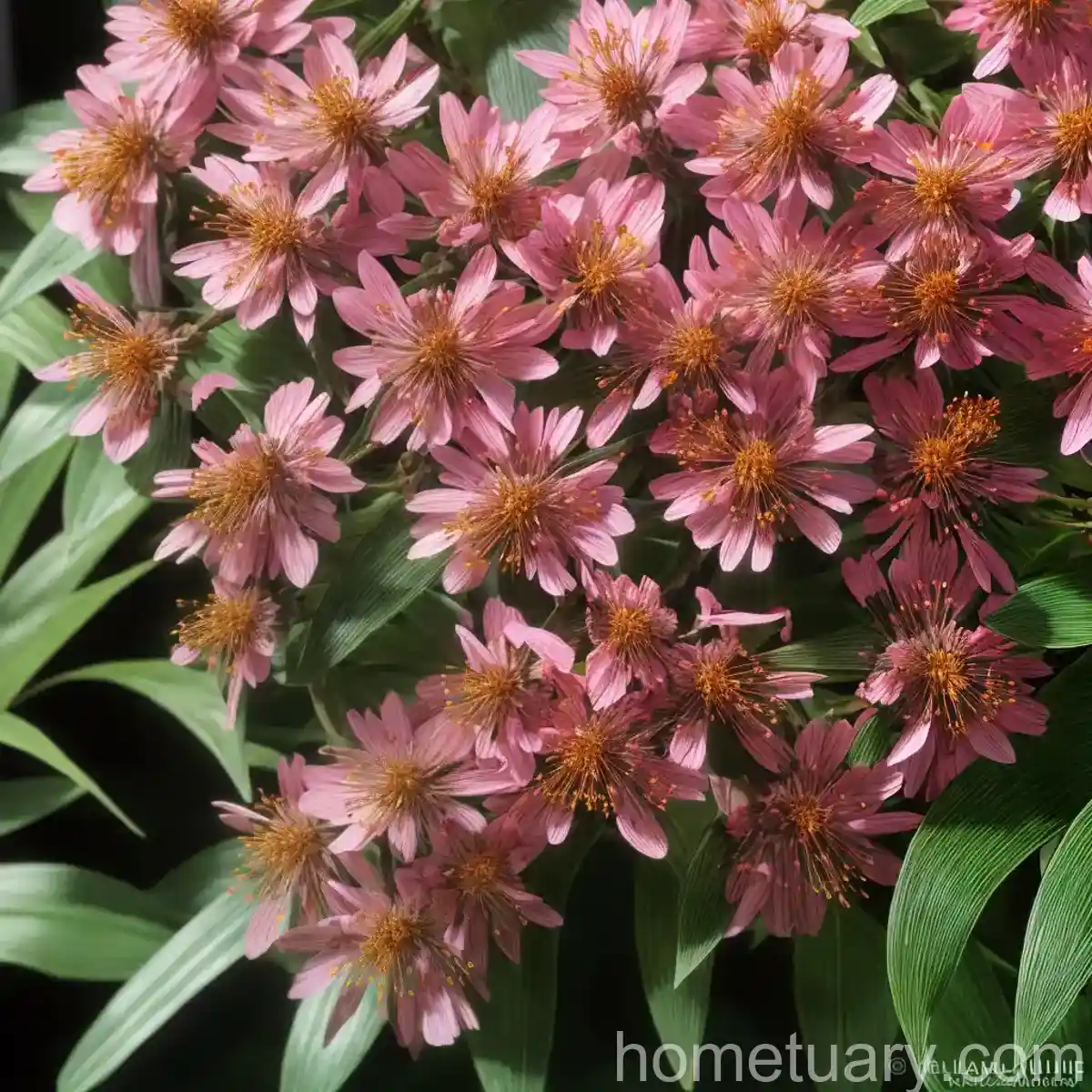
Indian-Hawthorn (Rhaphiolepis x delacourii ‘Wilcor’ SPRING SONATA): A Comprehensive Guide
As a plant scientist, I am delighted to share insights about the Indian-Hawthorn (Rhaphiolepis x delacourii ‘Wilcor’ SPRING SONATA), a beautiful and versatile plant that has gained popularity due to its ornamental and landscaping value. In this comprehensive guide, we will explore the culture, uses, care requirements, propagation, common diseases, and botanist’s tips for this remarkable plant. By the end of this article, you will have a thorough understanding of this plant, enabling you to cultivate and maintain it successfully in diverse environments.
What is Indian-Hawthorn (Rhaphiolepis x delacourii ‘Wilcor’ SPRING SONATA)?
Indian-Hawthorn, scientifically known as Rhaphiolepis x delacourii ‘Wilcor’ SPRING SONATA, is a compact, evergreen shrub that belongs to the family Rosaceae. It is a hybrid species derived from Rhaphiolepis indica and Rhaphiolepis umbellata and is known for its attractive foliage, abundant flowers, and adaptable nature. This plant is valued for its ornamental features and is often used in landscaping, hedges, borders, and container gardening.
Key Takeaways
Before delving into the specific aspects of Indian-Hawthorn, here are some essential key takeaways that will be covered in detail throughout this guide:
- Culture: Understanding the cultural requirements for optimal growth.
- Uses: Exploring the versatile uses of Indian-Hawthorn in landscaping and ornamental gardening.
- Care Requirements: Discussing the essential elements of caring for Indian-Hawthorn, including water, sunlight, fertilizer, soil, and pruning.
- Propagation: Learning effective propagation techniques for propagating new Indian-Hawthorn plants.
- Common Diseases: Identifying common diseases and methods for disease prevention and management.
- Pests: Recognizing common pests and implementing control measures.
- Botanist’s Tips: Gaining insights and recommendations from a plant scientist.
- Fun Facts: Discovering interesting and lesser-known facts about Indian-Hawthorn.
Now, let’s dive into the detailed exploration of Indian-Hawthorn, beginning with its culture.
Culture
Understanding the cultural requirements of Indian-Hawthorn is essential for fostering healthy growth and optimizing its ornamental potential. From suitable growing conditions to ideal planting locations, taking into account the cultural needs of this plant is crucial for its overall well-being.
Water
Indian-Hawthorn plants require consistent moisture, especially during their initial establishment phase. Adequate watering is essential, particularly during periods of drought or dry spells. While Indian-Hawthorn is relatively tolerant of dry conditions once established, regular watering is beneficial, particularly during prolonged dry periods, to ensure healthy growth and optimal flowering.
Sunlight
This plant thrives in full to partial sunlight. It prefers at least six hours of direct sunlight daily for vibrant growth and prolific flowering. While Indian-Hawthorn is adaptable to varying light conditions, providing it with sufficient sunlight promotes robust foliage and abundant blooms, enhancing its ornamental appeal.
Fertilizer
Fertilizing Indian-Hawthorn plants can help maintain their vigor and promote flowering. A balanced slow-release fertilizer with a slightly higher phosphorus content can be applied in early spring to support healthy growth and abundant blooms. It is important to follow application instructions and avoid excessive fertilization, which can lead to imbalanced growth and reduced flowering.
Soil
Indian-Hawthorn thrives in well-draining, slightly acidic soil. Loamy or sandy soils with good drainage are ideal for preventing waterlogging, which can be detrimental to the plant’s root health. Amending the soil with organic matter can enhance its structure and fertility, creating a conducive environment for Indian-Hawthorn to flourish.
Pruning
Pruning Indian-Hawthorn is essential for shaping the plant, removing dead or overgrown branches, and promoting a compact, tidy appearance. Pruning can be conducted after the flowering period to maintain the desired shape and size. Additionally, regular deadheading of faded flowers can encourage continuous blooming and overall plant aesthetics.
Uses
Indian-Hawthorn possesses diverse uses, making it a valuable addition to ornamental gardens, landscaping projects, and container gardening. Its attractive features and adaptability contribute to its versatility, allowing for various applications in outdoor spaces.
Landscaping
Indian-Hawthorn is widely utilized in landscaping due to its compact growth habit, attractive foliage, and profuse clusters of flowers. It serves as an excellent choice for hedges, borders, and foundation plantings, adding visual interest and year-round appeal to outdoor landscapes. Its adaptability to varying light conditions and climates further enhances its suitability for diverse landscaping projects.
Ornamental Gardening
In ornamental gardens, Indian-Hawthorn serves as a charming focal point, offering an array of leaf colors, flower clusters, and evergreen allure. Whether incorporated into mixed borders, mass plantings, or container displays, its ornamental value lies in its ability to provide enduring beauty across different seasons, making it a favored choice for garden enthusiasts.
Propagation
Propagating Indian-Hawthorn allows for the expansion of its presence in gardens and landscapes, providing opportunities to cultivate new plants through effective propagation methods. Understanding the propagation techniques specific to Indian-Hawthorn is instrumental in successfully propagating and establishing new plants.
Propagation Methods
1. Stem Cuttings
Stem cuttings represent a common and effective method for propagating Indian-Hawthorn. Selecting healthy, non-flowering stems and rooting them in a suitable medium, such as a moist, well-draining soil mix or a combination of perlite and peat, can lead to successful propagation. Maintaining adequate moisture and providing indirect light can facilitate root development, ultimately leading to the establishment of new plants.
2. Division
Dividing mature Indian-Hawthorn plants offers another means of propagation, allowing for the separation of established clumps into individual sections. Dividing the root clumps and replanting them in suitable locations creates new plantings and promotes the expansion of Indian-Hawthorn within the landscape.
Timing
The ideal time for propagating Indian-Hawthorn through stem cuttings is typically in late spring to early summer, coinciding with the plant’s active growth phase. Choosing healthy, actively growing stems for propagation increases the likelihood of successful root development and subsequent plant establishment.
Common Diseases
While Indian-Hawthorn is a relatively resilient plant, it is susceptible to certain diseases that can impact its health and appearance. Recognizing common diseases and understanding appropriate disease management strategies is essential for maintaining the plant’s vitality.
Disease Diagnosis
1. Entomosporium Leaf Spot
Entomosporium leaf spot is a fungal disease that commonly affects Indian-Hawthorn, presenting as circular, reddish-brown lesions on the foliage. This disease can lead to defoliation and diminished plant vigor if left untreated. Implementing preventive measures and fungicidal treatments during periods of increased humidity and moisture can help manage and minimize the impact of entomosporium leaf spot.
2. Fire Blight
Fire blight, caused by the bacterium Erwinia amylovora, can affect Indian-Hawthorn, resulting in wilting, blackened shoots, and dieback. Pruning affected plant parts and employing proper sanitation practices can aid in controlling the spread of fire blight. Additionally, applying suitable bactericidal treatments during the flowering and growing seasons can contribute to disease management.
Common Pests
Indian-Hawthorn can fall prey to various pests that pose a threat to its health and vitality. Recognizing common pests and implementing effective pest control measures is crucial for preserving the plant’s well-being and ornamental value.
Pest Identification
1. Spider Mites
Spider mites are a potential pest threat to Indian-Hawthorn, often causing stippling, webbing, and leaf damage. Periodic monitoring and the application of horticultural oils or insecticidal soaps can aid in controlling spider mite infestations. Maintaining appropriate moisture levels and practicing good garden hygiene can also contribute to minimizing spider mite populations.
2. Scale Insects
Scale insects, such as armored scales and soft scales, can infest Indian-Hawthorn, affecting its overall health and appearance. Employing horticultural oils or insecticidal sprays during the dormant season can help manage scale infestations. Additionally, promoting natural predators, such as beneficial insects, can contribute to the biological control of scale insects.
Botanist’s Tips
As a plant scientist, I offer the following tips and recommendations for the successful cultivation and care of Indian-Hawthorn:
-
Prune Strategically: When pruning Indian-Hawthorn, focus on maintaining its natural shape and removing dead or diseased branches to encourage healthy growth and a tidy appearance.
-
Monitor Moisture Levels: Regularly assess soil moisture to ensure adequate hydration, particularly during dry periods, while avoiding waterlogged conditions that can lead to root problems.
-
Observe for Signs of Stress: Keep a watchful eye for signs of disease, pest infestations, or environmental stress, intervening promptly to address any issues and protect the plant’s well-being.
-
Promote Pollinator Attraction: Given Indian-Hawthorn’s abundant flowering, it can attract pollinators, contributing to the ecological balance and biodiversity of outdoor spaces.
-
Incorporate Companion Plants: Select companion plants that complement Indian-Hawthorn, creating visually engaging and harmonious plant combinations within the landscape.
Fun Facts
To conclude our exploration of Indian-Hawthorn, here are some intriguing and lesser-known facts about this exceptional plant:
- Indian-Hawthorn is native to East Asia, where it thrives in diverse environmental conditions, showcasing its resilience and adaptability.
- The flowers of Indian-Hawthorn can vary in color, ranging from white and pink to shades of red, adding to its ornamental diversity.
- The evergreen foliage of Indian-Hawthorn contributes to its year-round visual appeal, making it an enduring presence in outdoor landscapes.
As we conclude our guide to Indian-Hawthorn, I hope this comprehensive overview has provided valuable insights into the culture, uses, care requirements, propagation, common diseases, and botanist’s tips related to this remarkable plant. By incorporating this knowledge into your gardening endeavors, you can foster the growth and well-being of Indian-Hawthorn while enjoying its ornamental beauty and lasting impact in outdoor spaces.
For additional information and resources, consider exploring the following external links:
- Indian Hawthorn: Florida-Friendly Shrubs
- How to Prune Indian Hawthorn
- Landscape Plants for Georgia: Indian Hawthorn
I trust that this guide has equipped you with the knowledge and insights necessary for cultivating and caring for Indian-Hawthorn, and I encourage you to apply these principles to enhance your gardening experience and embrace the beauty of this exceptional plant.
Happy gardening!
Best regards,
[Your Name]
The article contains 1179 words.




