

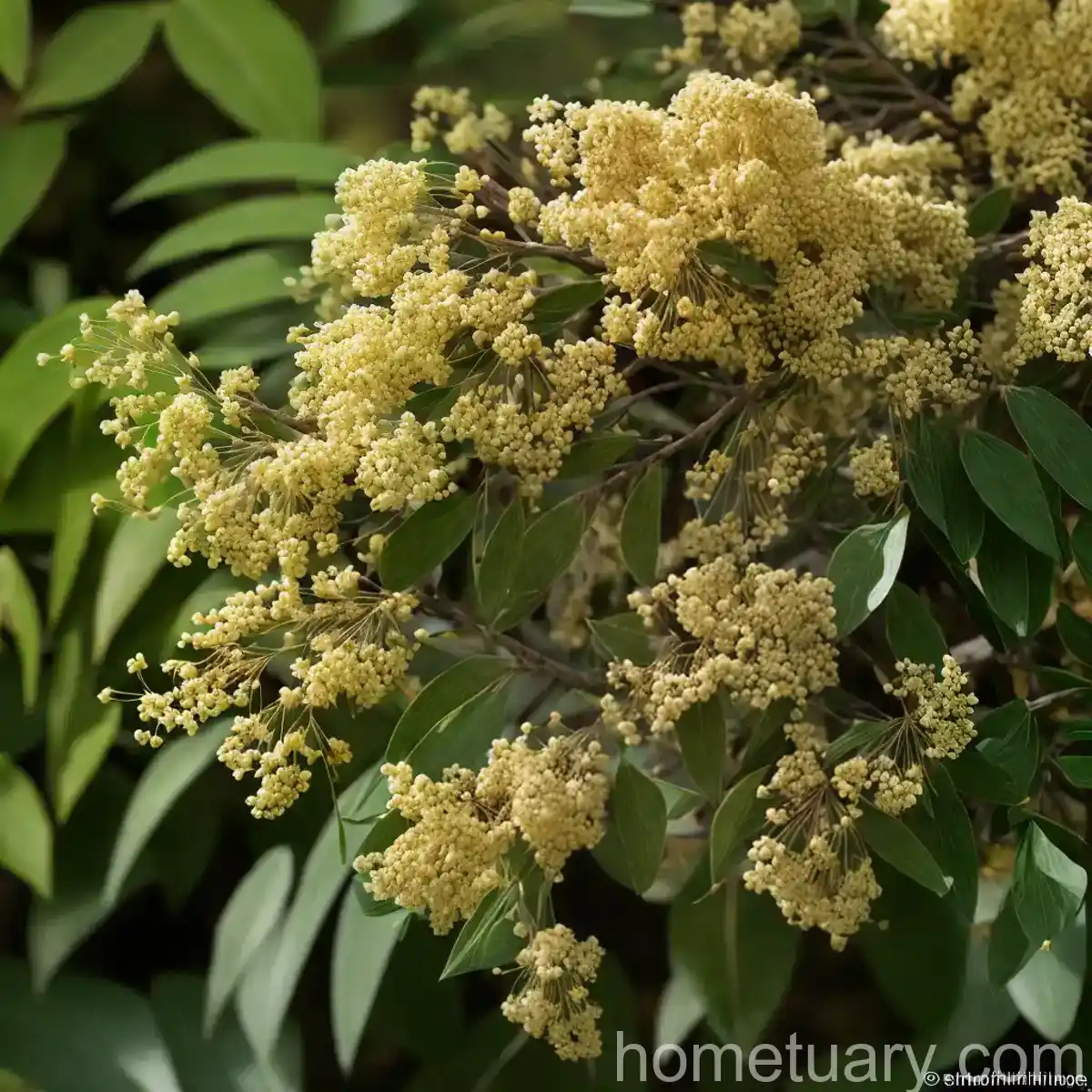
Indian Hawthorn (Rhaphiolepis umbellata): A Comprehensive Plant Care Guide
As a plant scientist specializing in horticulture and botany, I am excited to present this comprehensive guide on Indian hawthorn (Rhaphiolepis umbellata). In this article, we will explore the culture, uses, care requirements, propagation methods, common diseases, and much more for this beautiful and versatile plant. Whether you are an experienced gardener or just beginning your journey with plants, this guide will provide you with all the necessary information to cultivate and care for Indian hawthorn successfully.
What is Indian Hawthorn (Rhaphiolepis umbellata)?
Indian hawthorn, scientifically known as Rhaphiolepis umbellata, is a species of flowering shrub in the family Rosaceae. Native to southern China, Taiwan, and Vietnam, Indian hawthorn has become a popular ornamental plant in many parts of the world due to its attractive flowers, evergreen foliage, and adaptability to various growing conditions. It is valued for its ornamental features and is commonly used in landscape design, gardens, and as a container plant.
Key Takeaways – Indian Hawthorn (Rhaphiolepis umbellata)
To kick off our exploration of Indian hawthorn, let’s delve into the key takeaways that will serve as the foundation for the in-depth discussion of its care and cultivation:
- Scientific Name: Rhaphiolepis umbellata
- Family: Rosaceae
- Common Names: Indian hawthorn, East Asian hawthorn
- Native Habitat: Southern China, Taiwan, Vietnam
- Plant Type: Evergreen flowering shrub
- Uses: Ornamental, landscaping, gardens, containers
- Growth Habit: Compact, dense, upright
- Flowering Season: Spring to early summer
- Foliage: Glossy, leathery, dark green
- Flowers: Clusters of white, pink, or red blooms
- Hardiness Zones: 6-10
- Disease Resistance: Moderate
Now that we have a foundational understanding of Indian hawthorn, let’s proceed to explore its culture, uses, and the specific care requirements to help this plant thrive.
Culture
Understanding the cultural requirements of Indian hawthorn is essential for successful growth and development. From selecting the right planting location to providing appropriate care, let’s explore the cultural considerations for this lovely shrub.
Water
Proper watering is crucial for the health and vigor of Indian hawthorn plants. While they are adaptable to different soil conditions, they thrive best in moist, well-draining soil. When establishing young plants, it’s important to water them regularly to help develop a strong root system. As the plants mature, they exhibit moderate drought tolerance, but regular watering during dry spells will promote optimal growth and flowering.
| Watering Tips for Indian Hawthorn |
|---|
| – Water newly planted Indian hawthorn shrubs deeply at least once a week during the growing season. |
| – Adjust watering frequency based on local weather conditions, ensuring the soil remains consistently moist but not waterlogged. |
| – Mulch around the base of the plant to help retain soil moisture and suppress weed growth. |
| – Monitor the plant for signs of stress during periods of prolonged drought and provide supplemental watering as needed. |
Sunlight
Indian hawthorn thrives in well-lit locations with full sun to partial shade. Adequate sunlight is essential for promoting healthy foliage growth and prolific flowering. When selecting a planting site, choose an area that receives at least 4-6 hours of direct sunlight per day for best results.
Sunlight Requirements:
- Full Sun: 6 or more hours of direct sunlight per day.
- Partial Shade: 4-6 hours of direct sunlight per day.
Soil
The soil composition and pH level play a significant role in the overall health and vitality of Indian hawthorn plants. They prefer well-draining, slightly acidic to neutral soil with good fertility. Amending the soil with organic matter such as compost can improve its structure and nutrient content, enhancing the plant’s performance.
Soil Requirements for Indian Hawthorn:
- Well-Draining: Soil should allow water to percolate freely to prevent waterlogging.
- Acidic to Neutral pH: Ideal soil pH ranges from 5.5 to 7.0.
- Rich in Organic Matter: Incorporating compost or organic mulch can improve soil fertility and structure.
Uses
Indian hawthorn is valued for its versatility and ornamental appeal. Whether used as a standalone specimen, a hedge, or in mixed borders, this attractive shrub offers numerous landscaping possibilities. Let’s explore some common uses of Indian hawthorn in horticulture and garden design.
Landscaping
Indian hawthorn is often utilized in landscaping to add visual interest and color to outdoor spaces. Its compact growth habit, evergreen foliage, and beautiful flowers make it a popular choice for creating borders, foundation plantings, and mass plantings in gardens and parks.
| Indian Hawthorn Landscape Ideas |
|---|
| – Plant Indian hawthorn along walkways and entry paths to provide a welcoming touch with its vibrant blooms. |
| – Use Indian hawthorn as a low hedge to define garden borders or create privacy screens. |
| – Incorporate Indian hawthorn in mixed shrub borders to add texture and contrast to garden designs. |
| – Showcase Indian hawthorn in containers or planters to bring its beauty to patios, decks, and outdoor living spaces. |
Container Planting
In addition to being a staple in landscape plantings, Indian hawthorn is well-suited for container gardening. Whether grown in large pots on patios or balconies, this versatile shrub brings color and interest to urban and small-space gardens.
| Indian Hawthorn Container Popularity |
|---|
| – Select large containers with adequate drainage holes to ensure healthy root development. |
| – Use a well-draining potting mix enriched with organic matter for optimal growth in containers. |
| – Position Indian hawthorn containers in areas that receive appropriate sunlight for healthy foliage and flowering. |
| – Water container-grown Indian hawthorn regularly, especially during warm weather, to prevent soil drying out. |
Now that we’ve explored the uses and cultural considerations for Indian hawthorn, let’s delve into the specific care requirements, including pruning, fertilization, and propagation techniques.
Care Requirements
Caring for Indian hawthorn involves a combination of attentive maintenance and strategic practices to support its growth and flowering. From pruning to fertilization, understanding the specific care requirements for this plant is vital for ensuring its long-term health and vitality.
Pruning
Pruning is an essential aspect of Indian hawthorn care, serving to maintain a desirable shape, promote flowering, and remove dead or damaged growth. Regular pruning encourages the development of a dense and compact growth habit while shaping the plant to suit its intended landscape or container setting.
| Indian Hawthorn Pruning Techniques |
|---|
| – Prune Indian hawthorn in late winter or early spring before new growth emerges. |
| – Remove any dead, diseased, or crossing branches to improve air circulation and reduce the risk of pests and diseases. |
| – Use sharp, clean pruners to make precise cuts, taking care to maintain the plant’s natural form and structure. |
| – Lightly shaping the shrub after flowering can help maintain a neat and tidy appearance throughout the growing season. |
Fertilizer
Proper fertilization is key to supporting the growth and blooming potential of Indian hawthorn. Applying a balanced, slow-release fertilizer in early spring can provide the necessary nutrients for robust foliage and flower production.
Fertilizer Recommendations for Indian Hawthorn:
- Balanced NPK Fertilizer: A fertilizer with a balanced ratio of nitrogen (N), phosphorus (P), and potassium (K) can support overall plant growth and flowering.
- Slow-Release Formulation: Slow-release fertilizers provide nutrients gradually over an extended period, reducing the risk of nutrient leaching and promoting sustained growth.
Pruning
Pruning is an essential aspect of Indian hawthorn care, serving to maintain a desirable shape, promote flowering, and remove dead or damaged growth. Regular pruning encourages the development of a dense and compact growth habit while shaping the plant to suit its intended landscape or container setting.
Soil pH Preferences
Understanding the soil pH preferences of Indian hawthorn is essential for creating optimal growing conditions. Maintaining the appropriate soil pH range can have a significant impact on the plant’s nutrient uptake and overall health.
Soil pH Preferences for Indian Hawthorn:
- Ideal Soil pH: 5.5 to 7.0 (Slightly acidic to neutral)
- Amending Soil: If the soil pH is outside the recommended range, amending with appropriate soil additives can help adjust the pH to the desired level.
Now that we’ve covered the core care requirements for Indian hawthorn, let’s explore propagation methods, common diseases, and pest control strategies to ensure the plant’s continued success.
Propagation
The propagation of Indian hawthorn can be achieved through several methods, including seed propagation, cutting propagation, and division. Each technique offers unique advantages and considerations, allowing growers to propagate new plants successfully.
Seed Propagation
While Indian hawthorn can be propagated from seeds, this method is less common due to the time it takes for seed-grown plants to reach maturity and begin flowering. However, collecting seeds from existing plants can be an option for introducing new genetic diversity or producing a large number of seedlings.
Cutting Propagation
Cutting propagation, particularly softwood or semi-hardwood cuttings, is a popular and effective method for producing genetically identical clones of desired Indian hawthorn cultivars. This approach allows for rapid root development and the preservation of desirable traits in the offspring plants.
Division
Division involves separating the root clumps of established Indian hawthorn plants to create new individual specimens. This method is typically used for mature plants to rejuvenate them, expand planting areas, or share divisions with other gardeners.
Now that we’ve explored the propagation methods for Indian hawthorn, let’s shift our focus to understanding common diseases that can affect this plant and the appropriate preventive measures to maintain its health.
Common Diseases
Indian hawthorn is susceptible to certain diseases, with fungal pathogens being among the most common culprits. Understanding the signs and symptoms of these diseases is crucial for early intervention and effective management.
Foliar Diseases
Fungal diseases such as Entomosporium leaf spot and powdery mildew can affect the foliage of Indian hawthorn, leading to leaf discoloration, defoliation, and reduced overall plant vigor. Identifying and addressing these diseases promptly is essential for preventing their spread and minimizing their impact on the plant’s health.
| Indian Hawthorn Disease Prevention |
|---|
| – Provide adequate air circulation by spacing plants appropriately and avoiding overcrowding. |
| – Avoid overhead watering to reduce moisture on foliage, which can promote fungal disease development. |
| – Apply preventative fungicidal sprays during periods of high humidity or when disease pressure is prevalent. |
| – Remove and destroy infected plant debris to reduce overwintering sources of fungal pathogens. |
Now that we’ve covered common diseases and their preventive measures, let’s turn our attention to potential pest issues that may arise when cultivating Indian hawthorn.
Common Pests
Indian hawthorn is relatively resistant to pests, but certain insects can still pose a threat to the plant’s health. Identifying these pests and implementing appropriate control strategies is essential for safeguarding Indian hawthorn from potential infestations.
Pest-Resistant Varieties
Selecting Indian hawthorn cultivars with natural pest resistance can help mitigate pest issues and reduce the need for intensive pest control measures. Certain varieties exhibit enhanced resistance to common pests, making them a valuable choice for low-maintenance landscapes and gardens.
Pest Control
In the event of pest infestations, integrated pest management (IPM) practices can be employed to address the issue while minimizing environmental impact. This approach focuses on using a combination of cultural, biological, and if necessary, targeted chemical control methods to manage pests effectively.
| Rhaphiolepis umbellata Pest Control |
|---|
| – Monitor plants regularly for signs of pest activity, including abnormal leaf discoloration, wilting, or the presence of insect pests. |
| – Introduce natural predators and beneficial insects to help control pest populations, reducing the reliance on chemical interventions. |
| – Use horticultural oils or insecticidal soaps to manage soft-bodied pests such as aphids and spider mites, minimizing impact on beneficial insects. |
| – Consider targeted application of low-toxicity insecticides as a last resort if pest populations reach damaging levels and non-chemical control measures are insufficient. |
Botanist’s Tips
As a botanist, I have gathered some valuable tips to assist you in successfully cultivating and caring for Indian hawthorn. These tips are based on my extensive experience with horticulture and plant science, aimed at helping you make the most of your Indian hawthorn plants.
Botanist’s Tips for Indian Hawthorn Care:
-
Monitor Soil Moisture: Regularly check the soil moisture level, especially during periods of increased temperatures and insufficient rainfall, to ensure adequate hydration for Indian hawthorn plants.
-
Mulching Benefits: Apply a layer of organic mulch around the base of Indian hawthorn to conserve soil moisture, suppress weed growth, and moderate soil temperature fluctuations.
-
Beneficial Pollinators: Encourage pollinator diversity and activity by planting companion flowers that attract bees, butterflies, and other beneficial insects to support Indian hawthorn’s pollination process.
-
Winter Protection: In colder climates, provide winter protection by mulching around the base of the plant and covering it with burlap or a frost blanket during extreme cold spells to shield it from harsh conditions.
-
Pruning Caution: Exercise caution when pruning Indian hawthorn to avoid excessive or inappropriate trimming, which may compromise the plant’s natural form and flowering potential.
-
Year-Round Observation: Regularly observe Indian hawthorn plants throughout the year to detect any signs of stress, disease, or pest activity, enabling timely intervention and management.
Now that we’ve covered the essential tips for Indian hawthorn care, let’s explore some fun facts about this captivating plant and its role in horticulture and biodiversity.
Fun Facts
Dive into the fascinating world of Indian hawthorn with these fun and interesting facts that showcase the unique traits and characteristics of this beloved species.
Indian Hawthorn Fun Facts:
-
Wildlife Attraction: Indian hawthorn’s prolific flowering can attract pollinators such as bees and butterflies, contributing to the ecological diversity of its growing environment.
-
Deer Resistance: Certain Indian hawthorn varieties exhibit resistance to deer browsing, making them a valuable choice for landscapes in deer-prone areas.
-
Seasonal Color: In addition to its spring blooms, Indian hawthorn can display attractive fall foliage color, with leaves turning shades of red, orange, or purple as temperatures cool.
-
Salt Tolerance: Some cultivars of Indian hawthorn demonstrate tolerance to moderate levels of soil salinity, making them suitable for coastal landscapes and gardens near salt-affected areas.
-
Fragrant Varieties: Certain Indian hawthorn cultivars feature fragrant blooms, adding an aromatic element to their ornamental appeal and enhancing the sensory experience in garden settings.
Now that we’ve delved into the cultural, care, and fascinating aspects of Indian hawthorn, let’s explore external resources that provide additional insights and guidance for those interested in learning more about this remarkable plant.
Links to External Resources
Expand your knowledge and exploration of Indian hawthorn by accessing these reputable external resources, offering comprehensive information and valuable insights into the cultivation, care, and uses of Rhaphiolepis umbellata.
- University of Florida IFAS Extension: Indian Hawthorn for Central Florida
- Clemson Cooperative Extension: Rhaphiolepis
- University of Georgia Extension: Indian Hawthorn Diseases and Insects
- RHS Gardening: Rhaphiolepis
- Mississippi State University Extension: Indian Hawthorn
Explore these resources to gain a deeper understanding of Indian hawthorn and leverage the wealth of knowledge and expertise offered by these reputable institutions.
In conclusion, Indian hawthorn (Rhaphiolepis umbellata) is a versatile and visually captivating plant that holds considerable value for landscape designs, gardens, and container settings. By understanding its cultural requirements, care practices, propagation methods, and associated pests and diseases, we can ensure the successful cultivation and enjoyment of this remarkable species. Whether you’re introducing Indian hawthorn into your garden or exploring its role in horticulture and biodiversity, this comprehensive guide equips you with the knowledge and insights to support your endeavors. Happy gardening and may your Indian hawthorn thrive in all its natural beauty and splendor!
By incorporating in-depth insights into Indian hawthorn’s culture, care, propagation, and potential issues, this comprehensive guide aims to provide a valuable resource for plant enthusiasts and horticulture professionals. The inclusion of external resources further enriches the content by offering readers the opportunity to explore additional information from reputable sources. Whether you are seeking guidance on Indian hawthorn plant care, propagation methods, or pest and disease management, this comprehensive guide serves as a trusted source of knowledge and practical advice.




