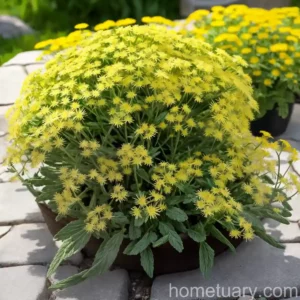
Black-Eyed Susan (Rudbeckia hirta ‘Indian Summer’)
Black-eyed Susan, scientifically known as Rudbeckia hirta ‘Indian Summer’, is a stunning and vibrant flowering plant that adds a burst of color to gardens and landscapes. As a plant scientist and enthusiast, I am excited to delve into the world of this beautiful plant, covering everything from its cultural requirements to its uses and advantages.
What is Black-Eyed Susan?
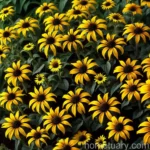
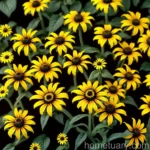
Black-eyed Susan, or Rudbeckia hirta ‘Indian Summer’, is a perennial flowering plant belonging to the Asteraceae family. It is native to North America and is widely cultivated for its striking yellow or orange daisy-like flowers with dark brown centers. This plant is a popular choice for gardens and landscaping due to its long blooming period and ability to attract pollinators like bees and butterflies.
Rudbeckia hirta ‘Indian Summer’ is a cultivar of the Rudbeckia hirta species, characterized by its robust and bushy growth habit. The plant typically reaches a height of 24 to 36 inches (60 to 90 cm) and produces an abundance of vibrant flowers during the summer months.
Now, let’s dive into the key aspects of black-eyed Susan, exploring its cultural requirements, uses, and other essential details.
Key Takeaways – Black-Eyed Susan (Rudbeckia hirta ‘Indian Summer’)
Before delving into the specifics of cultivating and caring for black-eyed Susan, let’s summarize the key takeaways and aspects we’ll explore in this comprehensive guide.
Culture
- Understanding the ideal growing conditions for Rudbeckia hirta ‘Indian Summer’
- Watering, sunlight, and soil requirements
- Fertilization and pruning guidelines
- Propagation methods for expanding your black-eyed Susan collection
- Growing black-eyed Susan in containers
Uses
- Exploring the ornamental and ecological uses of black-eyed Susan
- Landscape and garden design ideas incorporating Rudbeckia hirta ‘Indian Summer’
- Medicinal and herbal properties of the plant
- Black-eyed Susan in bouquets and cut flower arrangements
- Wildlife benefits and ecological significance
Common Diseases and Pests
- Identifying and addressing common diseases affecting black-eyed Susan
- Pest management strategies to protect the plant’s health
Botanist’s Tips
- Expert insights into cultivating and caring for Rudbeckia hirta ‘Indian Summer’
- Companion plants and design considerations for integrating black-eyed Susan into various settings
Fun Facts
- Intriguing and lesser-known aspects of black-eyed Susan
- Folklore and symbolic meanings associated with the plant
Links to External Resources
- Additional references for further exploration and information on black-eyed Susan
Now, let’s embark on a detailed exploration of each of these aspects, uncovering the intricacies of Rudbeckia hirta ‘Indian Summer’ and enriching our understanding of this captivating plant.
Culture
Cultivating black-eyed Susan successfully requires a good understanding of its specific cultural needs. Let’s delve into the essential aspects of its culture, including watering, sunlight, fertilizer, soil, pruning, and propagation.
Water
Rudbeckia hirta ‘Indian Summer’ thrives in well-drained soil and prefers regular watering to establish strong roots and support healthy growth. During the plant’s active growth phase, it’s essential to ensure consistent moisture, especially during dry periods. However, it’s crucial to avoid waterlogging the soil, as excessive moisture can lead to root rot and other related issues.
Sunlight
As a plant native to North America, black-eyed Susan flourishes in full sunlight. When selecting a planting location, ensure that it receives at least 6 hours of direct sunlight per day. Adequate sunlight promotes robust flower production and vibrant blooms, enhancing the visual appeal of the plant.
Fertilizer
To support the vigorous growth and abundant flowering of Rudbeckia hirta ‘Indian Summer’, consider applying a balanced, slow-release fertilizer during the spring. This helps provide essential nutrients for the plant’s development without promoting excessive vegetative growth. Additionally, organic amendments such as compost can contribute to long-term soil health and fertility.
Soil
Well-drained, fertile soil is essential for cultivating healthy black-eyed Susan plants. The ideal soil pH ranges from neutral to slightly acidic (pH 6.0 to 7.0). Amending the soil with organic matter, such as compost or well-rotted manure, can improve its structure and nutrient content, creating an optimal growing environment for Rudbeckia hirta ‘Indian Summer’.
Pruning
Pruning black-eyed Susan helps maintain its compact growth habit and encourages continuous blooming. Deadheading spent flowers not only enhances the plant’s appearance but also directs its energy into producing new blooms. Additionally, removing any diseased or damaged foliage supports overall plant health and reduces the risk of disease spread.
Propagation
Expand your black-eyed Susan collection through simple propagation methods such as division and seed sowing. Division involves splitting the plant’s root clumps in early spring or fall, while collecting and sowing ripe seeds in the garden or containers can yield new plants. These propagation techniques enable gardeners to multiply Rudbeckia hirta ‘Indian Summer’ and share its beauty with others.
Container Popularity
Rudbeckia hirta ‘Indian Summer’ is well-suited for container gardening, making it an appealing choice for balconies, patios, and small spaces. Its compact growth habit and striking blooms bring vibrant color to container arrangements, serving as a focal point in garden designs.
Next, let’s explore the diverse uses of black-eyed Susan, extending from its ornamental value to its ecological significance and practical applications.
Uses
The uses of black-eyed Susan span from its ornamental appeal to its ecological benefits and various practical applications. As we uncover its diverse uses, we’ll gain a comprehensive understanding of the plant’s versatility and significance in different contexts.
Ornamental Value
Rudbeckia hirta ‘Indian Summer’ is an ornamental gem, adorning gardens, landscapes, and floral arrangements with its vibrant flowers. Its showy blooms and long flowering period make it a popular choice for adding color and visual interest to various settings. Whether planted en masse in flower beds or integrated into mixed borders, black-eyed Susan contributes to captivating displays throughout the summer months.
Ecological Significance
In addition to its visual allure, black-eyed Susan plays a vital role in supporting wildlife and enhancing ecological diversity. The plant’s nectar-rich flowers attract pollinators such as bees, butterflies, and beneficial insects, contributing to the overall health of ecosystems. By providing food sources and habitats for wildlife, Rudbeckia hirta ‘Indian Summer’ fosters a thriving and balanced environment.
Medicinal and Herbal Properties
Beyond its aesthetic and ecological appeal, black-eyed Susan possesses medicinal and herbal properties that have been utilized for various purposes. Traditional herbal remedies may include the use of black-eyed Susan for its potential healing properties, although it’s essential to consult reliable sources and professionals before using plants for medicinal purposes.
Bouquets and Cut Flower Arrangements
The vibrant blooms of Rudbeckia hirta ‘Indian Summer’ are ideal for cut flower arrangements, adding a touch of brightness to floral displays. Whether featured in mixed bouquets or showcased on their own, the striking flowers of black-eyed Susan bring a cheerful and sunny aspect to indoor settings.
Landscape and Garden Design
Integrating black-eyed Susan into landscape and garden designs offers endless creative possibilities. From naturalistic wildflower meadows to formal borders and cottage-style gardens, the plant’s versatility allows for diverse design applications. Its ability to thrive in sunny spots and tolerate challenging conditions makes it a valuable addition to various landscaping projects.
Wildlife Benefits
The ecological impact of black-eyed Susan extends to its role in supporting wildlife, particularly pollinators and native species. By creating floral resources and habitats, Rudbeckia hirta ‘Indian Summer’ contributes to the preservation of biodiversity and the overall health of ecosystems.
Understanding the various uses and benefits of black-eyed Susan enhances our appreciation for this remarkable plant. Now, let’s address the importance of disease management and pest control to ensure the plant’s health and vitality.
Common Diseases and Pests
As with any cultivated plant, black-eyed Susan is susceptible to certain diseases and pests that can compromise its growth and appearance. By recognizing common issues and implementing effective control measures, gardeners can safeguard their Rudbeckia hirta ‘Indian Summer’ from potential threats.
Disease Diagnosis
Several diseases can affect black-eyed Susan, including fungal infections such as powdery mildew and leaf spot diseases. Regular monitoring of the plant for signs of discoloration, wilting, or abnormal growth can help identify potential disease issues early on. Proper diagnosis and timely intervention are crucial for addressing and managing plant diseases effectively.
Common Pests
Pests, including aphids, spider mites, and caterpillars, may target black-eyed Susan, causing damage to foliage and flowers. Vigilant observation of the plant and the presence of pests can aid in early detection and prompt intervention. Natural predators and integrated pest management techniques can assist in controlling pest populations while minimizing the use of chemical interventions.
Diagnosing and addressing diseases and pests are essential aspects of cultivating healthy black-eyed Susan plants. By staying attuned to the plant’s condition, gardeners can maintain its vigor and resilience against potential threats.
Botanist’s Tips
Drawing from expert insights and practical recommendations, let’s consider essential tips for cultivating and caring for Rudbeckia hirta ‘Indian Summer’. These tips encompass various aspects, from cultural practices to design considerations and companion planting.
Expert Cultivation Tips
- Ensure well-drained soil to prevent waterlogging and root-related issues
- Select sunny locations for optimal flower production and plant vigor
- Implement a balanced fertilization regimen to support plant growth and flowering
- Regular deadheading promotes continuous blooming and maintains a tidy appearance
- Propagation through division and seed sowing expands the plant collection and allows for sharing with other enthusiasts
Companion Planting and Design Considerations
- Pair black-eyed Susan with compatible companion plants, such as ornamental grasses and late-blooming perennials, to create harmonious and visually appealing combinations
- Integrate Rudbeckia hirta ‘Indian Summer’ into mixed borders, wildflower meadows, and native plant gardens for diverse and ecologically beneficial displays
- Consider the plant’s height and color palette when designing planting schemes, aiming for balanced and complementary combinations
By applying these botanist’s tips, gardeners can maximize the beauty and vitality of black-eyed Susan while creating harmonious and well-balanced garden settings.
Fun Facts
Beyond its cultural requirements and practical uses, black-eyed Susan harbors intriguing and lesser-known aspects that contribute to its allure. Let’s uncover some fun facts about Rudbeckia hirta ‘Indian Summer’ and explore its fascinating attributes.
Folklore and Symbolic Meanings
Black-eyed Susan carries symbolic meanings and folklore, often associated with qualities such as encouragement, justice, and optimism. Its history and cultural significance add depth to its appeal, reflecting its enduring presence in literature, art, and horticultural traditions.
Low-Maintenance Characteristics
Known for its resilience and adaptability, black-eyed Susan stands out as a low-maintenance plant, requiring minimal care once established. Its ability to thrive in various conditions and support diverse ecosystems enhances its value in garden settings and natural environments.
Ecological Significance
As a native plant species with ecological value, Rudbeckia hirta ‘Indian Summer’ contributes to the preservation of native habitats and the support of pollinators. Its role in enhancing biodiversity and ecological balance aligns with broader conservation efforts and sustainable gardening practices.
Landscape Design Versatility
The versatility of black-eyed Susan extends to its adaptability in diverse landscape designs, from formal to naturalistic settings. Its dynamic growth habit and vibrant blooms offer extensive possibilities for creative expressions and visually captivating displays.
Discovering these fun facts sheds light on the multifaceted nature of black-eyed Susan, enriching our understanding of its cultural, ecological, and aesthetic significance.
Links to External Resources
For further exploration and in-depth information on black-eyed Susan and related topics, consider referring to the following external resources:
- National Garden Bureau – Black-Eyed Susan
- American Meadows – Growing Black-Eyed Susan
- The Spruce – Rudbeckia Hirta Care Guide
- Missouri Botanical Garden – Rudbeckia Hirta ‘Indian Summer’
- Royal Horticultural Society – Rudbeckia Hirta ‘Indian Summer’
These external resources offer valuable insights, cultural information, and practical guidance related to black-eyed Susan and its cultivation. Whether you’re seeking detailed care guidelines, design inspiration, or ecological significance, these references can further enrich your knowledge and appreciation of Rudbeckia hirta ‘Indian Summer’.
As a plant scientist and enthusiast, I hope this comprehensive guide has provided a thorough understanding of black-eyed Susan (Rudbeckia hirta ‘Indian Summer’). From its cultural requirements to its diverse uses and ecological significance, this vibrant plant continues to captivate the hearts of gardeners and nature enthusiasts alike. By embracing the beauty and resilience of Rudbeckia hirta ‘Indian Summer’, we celebrate its enduring presence in horticulture and natural landscapes.
Remember to explore the diverse uses and benefits of black-eyed Susan, extending from its ornamental value to its ecological significance and practical applications. As we delve into the rich tapestry of black-eyed Susan, we deepen our appreciation for this multifaceted plant, embracing its cultural and ecological significance in the garden and beyond.
I encourage you to continue discovering the beauty and versatility of black-eyed Susan, integrating its vibrant presence into your garden spaces and exploring its ecological impact in supporting pollinators and native habitats. Through our collective efforts, we can celebrate and preserve the enduring legacy of Rudbeckia hirta ‘Indian Summer’, cultivating vibrant and sustainable landscapes for generations to come.