

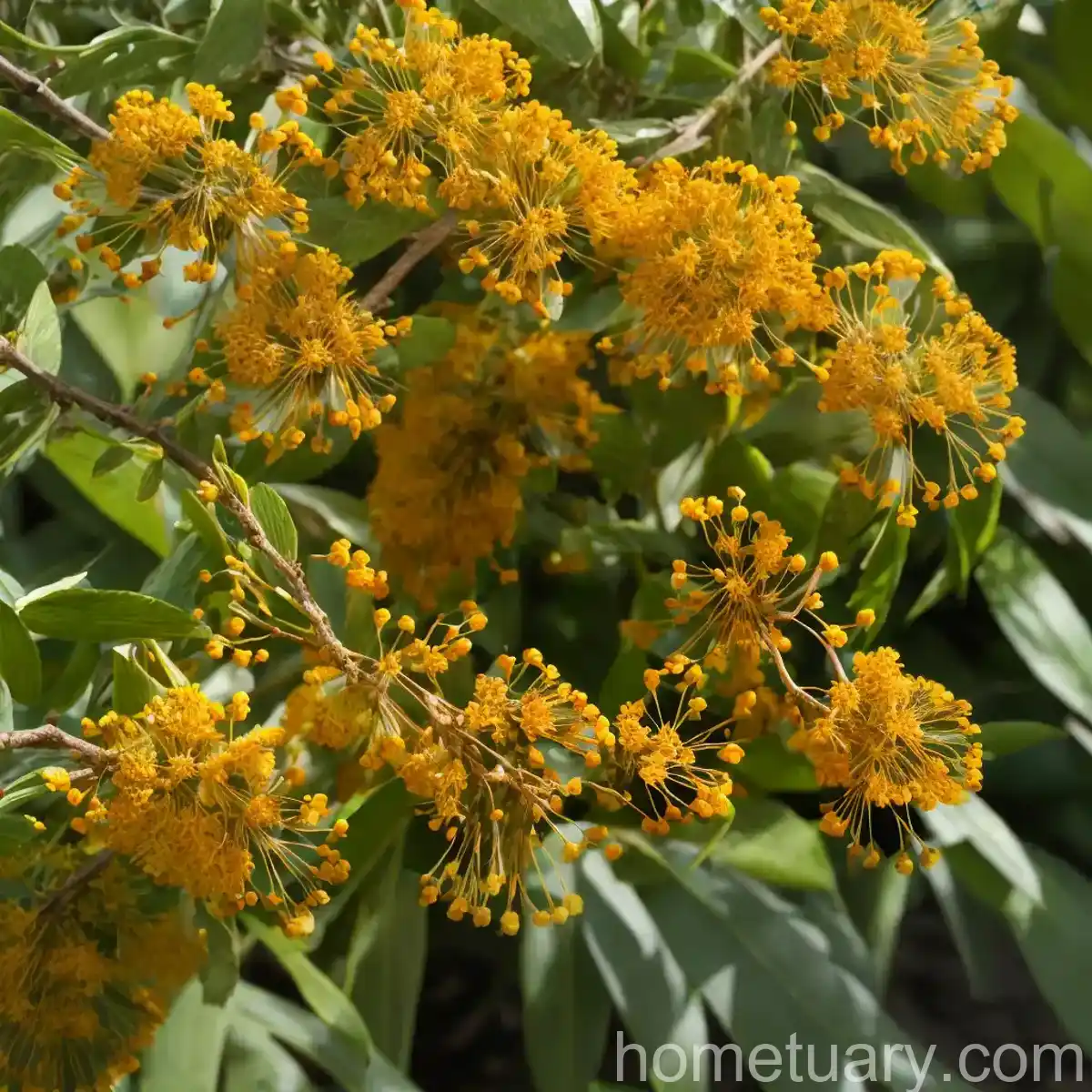
India-Hawthorn (Rhaphiolepis Indica): A Comprehensive Guide
As a plant scientist specializing in ornamental plants, I am excited to share with you the beauty and versatility of the India-Hawthorn (Rhaphiolepis Indica). This evergreen shrub is prized for its attractive foliage, stunning flowers, and low maintenance requirements, making it a popular choice for landscaping and gardens. In this comprehensive guide, we will explore the cultural aspects, uses, care tips, propagation methods, common diseases, and much more for the India-Hawthorn.
What is India-Hawthorn (Rhaphiolepis Indica)?
The India-Hawthorn, scientifically known as Rhaphiolepis Indica, is a species of flowering plant in the family Rosaceae. This evergreen shrub is native to East Asia, including regions of China, Japan, and India. It is widely cultivated for its ornamental value, particularly for its glossy, leathery leaves and abundant clusters of fragrant flowers. The India-Hawthorn is valued for its adaptability to various growing conditions, making it a versatile choice for landscapes, gardens, and as a potted plant.
Key Takeaways – India-Hawthorn (Rhaphiolepis Indica)
Before diving into the detailed aspects of the India-Hawthorn, let’s highlight the key takeaways:
- India-Hawthorn Plant: A versatile evergreen shrub with ornamental foliage and flowers, renowned for its adaptability and low maintenance requirements.
- Rhaphiolepis Indica: The scientific name of the India-Hawthorn, derived from the Greek words “rhapsi” (seam) and “lepis” (scale), referring to the scale-like texture of the leaves.
- India-Hawthorn Care Tips: Understanding the cultural requirements for water, sunlight, soil, and fertilizer is crucial for the successful growth and blooming of the India-Hawthorn.
- Propagation and Pruning: Knowledge of propagation methods and pruning techniques is essential for maintaining and propagating healthy India-Hawthorn plants.
- Common Diseases and Pests: Familiarity with common diseases and pests affecting the India-Hawthorn enables effective preventive measures and treatments.
- Landscaping Uses: The India-Hawthorn is widely employed in landscaping for its aesthetic appeal, versatility, and adaptability to various design styles.
Now, let’s delve into the specific aspects of the India-Hawthorn, exploring its cultural needs, common uses, care tips, and much more.
Culture
The cultural aspects of the India-Hawthorn are essential to understand for successful cultivation and optimal growth. These factors encompass the plant’s requirements for water, sunlight, fertilizer, soil, and pruning.
Uses
The India-Hawthorn serves various functional and aesthetic purposes, contributing to its popularity in landscaping and ornamental horticulture. Some common uses of the India-Hawthorn include:
- Ornamental Shrub: The India-Hawthorn is primarily valued for its decorative foliage and flowers, enhancing the visual appeal of landscapes and gardens.
- Hedging and Screening: Due to its dense growth habit and evergreen nature, the India-Hawthorn is often used for creating hedges and screens, providing privacy and delineating spaces.
- Container Planting: Its adaptability to container cultivation makes the India-Hawthorn suitable for patio gardens, urban landscapes, and ornamental displays in pots and planters.
- Wildlife Attraction: The flowers of the India-Hawthorn attract pollinators such as bees and butterflies, contributing to the biodiversity of the garden ecosystem.
Understanding the specific uses of the India-Hawthorn can guide its integration into diverse horticultural settings, whether in residential gardens, public parks, or commercial landscapes.
Water
Proper watering is crucial for the health and vigor of the India-Hawthorn. While the plant displays some tolerance to drought conditions, it benefits from regular watering, especially during its establishment period and in prolonged periods of dry weather. Here are some guidelines for watering the India-Hawthorn:
- Establishment Phase: Newly planted India-Hawthorn shrubs require consistent moisture to encourage root establishment. Water deeply and regularly, especially during the first growing season.
- Mature Plants: Once established, the India-Hawthorn displays some drought tolerance. However, during extended dry spells, providing supplemental watering is beneficial, particularly for maintaining vibrant foliage and promoting flower production.
- Avoid Waterlogging: While the India-Hawthorn appreciates adequate moisture, it is essential to ensure well-drained soil to prevent waterlogging, which can lead to root rot and other issues.
By understanding the water requirements of the India-Hawthorn, gardeners can effectively manage its irrigation needs, ensuring healthy growth and blooming.
Sunlight
The India-Hawthorn thrives in locations with ample sunlight, displaying robust growth and profuse flowering under suitable light conditions. Understanding its sunlight requirements is crucial for selecting optimal planting sites and ensuring vigorous development. Key points to consider regarding sunlight for the India-Hawthorn include:
- Full Sun to Partial Shade: The India-Hawthorn performs best in full sun to partial shade, receiving at least 6 hours of direct sunlight daily. In regions with intense afternoon sun and high temperatures, providing some afternoon shade can benefit the plant.
- Flowering and Foliage: Adequate sunlight is essential for promoting abundant flowering and sustaining the vibrant coloration of the foliage. Insufficient light can lead to reduced flowering and potential leggy growth.
- Site Selection: When planning the placement of India-Hawthorn shrubs in the landscape, selecting areas with suitable light exposure is critical for long-term health and ornamental value.
By selecting appropriate planting sites and understanding the sunlight preferences of the India-Hawthorn, gardeners can optimize its growth and visual appeal in outdoor settings.
Fertilizer
Appropriate fertilization contributes to the overall vigor, flowering potential, and resilience of the India-Hawthorn. Understanding the timing, types of fertilizers, and application methods is essential for providing necessary nutrients to support healthy growth. Consider the following fertilizer recommendations for the India-Hawthorn:
- Balanced Fertilizer: Applying a balanced, slow-release fertilizer in early spring can provide essential nutrients for the India-Hawthorn throughout the growing season. A formulation such as 10-10-10 or 12-6-6 can support balanced growth and flowering.
- Avoid Excessive Nitrogen: While nitrogen is essential for promoting vegetative growth, excessive nitrogen can lead to overly lush foliage at the expense of flowering. Use fertilizers with a balanced NPK ratio to support both foliage and flower development.
- Mulching: Organic mulches such as compost or well-rotted manure can contribute to the fertility of the soil, enhancing nutrient availability for the India-Hawthorn while also improving soil structure and moisture retention.
Understanding the principles of fertilization and selecting appropriate products can optimize the health and ornamental value of the India-Hawthorn in a variety of growing environments.
Soil
The soil requirements of the India-Hawthorn are integral to its overall health, root development, and nutrient uptake. Ideal soil conditions contribute to the longevity and vitality of the plant, ensuring robust growth and abundant flowering. Consider the following soil-related aspects for cultivating the India-Hawthorn:
- Well-Drained Soil: India-Hawthorns thrive in well-drained, loamy soils with good aeration. Soil that retains excessive moisture can lead to root rot and other issues, emphasizing the importance of well-draining substrates.
- Soil pH: The India-Hawthorn thrives in slightly acidic to neutral soil conditions, with a pH range of 5.5 to 7.0 being optimal for growth and nutrient absorption. Conducting a soil test can guide amendments to attain suitable pH levels.
- Soil Amendments: Incorporating organic matter such as compost or peat moss can enhance soil structure, fertility, and moisture retention, creating an optimal growing medium for the India-Hawthorn.
By assessing and addressing soil-related factors, gardeners can create a conducive environment for the India-Hawthorn, promoting its overall vigor and aesthetic appeal.
Pruning
Pruning plays a pivotal role in maintaining the shape, size, and flowering potential of the India-Hawthorn, contributing to its overall appearance and health. Knowledge of pruning techniques and timing is essential for effectively managing the growth of the plant. Consider the following guidelines for pruning the India-Hawthorn:
- Pruning Timing: Early spring, after the peak flowering period, is an ideal time for pruning India-Hawthorn shrubs. This allows for the removal of spent flowers and the shaping of the plant before the onset of new growth.
- Deadwood Removal: Regular removal of dead, damaged, or diseased wood helps maintain the overall health and aesthetics of the plant while reducing potential disease issues.
- Thinning and Shaping: Thinning out overcrowded branches and shaping the shrub to the desired form can enhance air circulation, light penetration, and overall symmetry, promoting robust growth and flowering.
Understanding the pruning requirements of the India-Hawthorn enables gardeners to effectively manage its growth, maintain its visual appeal, and promote long-term health and vitality.
Propagation
Propagation methods enable the multiplication of India-Hawthorn plants, providing opportunities for expanding their presence in gardens and landscapes. Understanding the techniques for propagating the India-Hawthorn is valuable for horticulturists and gardeners. Common methods of propagation for the India-Hawthorn include:
- Cuttings: Propagating India-Hawthorn from stem cuttings is a reliable method, wherein semi-hardwood cuttings collected in late summer to early autumn can be rooted in well-draining soil or a rooting medium. Providing bottom heat can enhance rooting success.
- Division: Mature India-Hawthorn shrubs can be propagated through division, wherein the root ball is carefully separated into sections, each containing viable roots and shoots. This method is suitable for rejuvenating older plants and creating new specimens.
- Seeds: While viable seeds can be collected from mature India-Hawthorn fruits, propagation from seeds requires patience and is less commonly practiced due to variability in seedling traits. However, it can be an option for producing new genetic variations.
By employing suitable propagation methods, gardeners and horticulturists can propagate healthy and genetically identical India-Hawthorn plants, contributing to their presence in diverse horticultural settings.
Container Popularity
The India-Hawthorn’s adaptability to container cultivation contributes to its popularity as a potted plant, adding ornamental value to patios, balconies, and outdoor living spaces. The following points highlight the popularity of India-Hawthorn in container gardening:
- Patio and Urban Gardens: India-Hawthorn shrubs are favored for their suitability in container gardening, offering evergreen foliage, seasonal flowers, and attractive growth habits in confined spaces.
- Versatile Display: Container-grown India-Hawthorns can be featured as standalone specimens, accent plants in mixed container gardens, or components of ornamental displays in commercial and residential settings.
- Seasonal Variation: By selecting suitable cultivars of India-Hawthorn, gardeners can incorporate variations in foliage color, flower types, and growth habits to create dynamic and visually appealing container displays across different seasons.
Understanding the container popularity of the India-Hawthorn provides insights into its adaptability, versatility, and aesthetic contributions to diverse gardening environments.
Common Diseases
As with any plant species, the India-Hawthorn is susceptible to certain diseases that can affect its overall health and ornamental value. Familiarity with common diseases and their associated symptoms enables timely intervention and disease management. Some common diseases affecting India-Hawthorn shrubs include:
- Entomosporium Leaf Spot: This fungal disease manifests as circular red spots on the leaves, leading to defoliation and reduced vigor. Adequate air circulation and the use of fungicidal sprays can help manage this issue.
- Fire Blight: Caused by the bacterium Erwinia amylovora, fire blight results in wilting, blackening of stems, and cankers. Pruning affected parts and maintaining plant hygiene can mitigate its impact.
- Powdery Mildew: A white, powdery fungal growth on the leaves and shoots indicates the presence of powdery mildew. Regularly inspecting plants and employing cultural practices such as proper spacing can help prevent this disease.
Understanding the signs, causes, and management strategies for common diseases affecting the India-Hawthorn is essential for preserving the health and ornamental appeal of these shrubs.
Disease Diagnosis
Diagnosing diseases affecting the India-Hawthorn involves careful observation of symptoms, knowledge of prevalent pathogens, and potential environmental triggers. Key steps in disease diagnosis and management include:
- Symptom Recognition: Identifying characteristic symptoms such as leaf spots, wilting, discoloration, and abnormal growth patterns is crucial for pinpointing potential diseases affecting the India-Hawthorn.
- Pathogen Identification: Understanding the causal agents of common diseases, such as fungi, bacteria, or viruses, aids in selecting appropriate management strategies, including fungicidal treatments, pruning, and plant hygiene practices.
- Environmental Factors: Assessing factors such as excessive moisture, poor air circulation, and environmental stressors can provide insights into the underlying causes of disease issues, guiding preventive measures.
By employing effective disease diagnosis procedures, gardeners and horticulturists can implement targeted disease management strategies, preserving the health and beauty of India-Hawthorn plants.
Common Pests
In addition to diseases, India-Hawthorn shrubs can be susceptible to various pests that may impact their growth and aesthetics. Familiarizing oneself with common pests and their management is crucial for preventing damage and promoting the overall health of the plants. Some common pests affecting India-Hawthorn include:
- Spider Mites: These tiny arachnids can cause stippling and webbing on the foliage, leading to reduced photosynthetic activity. Regular monitoring and the use of horticultural oils or insecticidal soaps can help manage spider mite infestations.
- Scale Insects: Various scale insect species can infest India-Hawthorn, leading to honeydew production, leaf yellowing, and overall decline. Systemic insecticides and horticultural oils are among the management options for controlling scale populations.
Understanding the biology, habits, and management options for common pests enables effective pest control measures, minimizing the impact on India-Hawthorn plants.
Botanist’s Tips
As a botanist specializing in ornamental plants, I would like to share some valuable tips for cultivating and enjoying India-Hawthorn shrubs in various horticultural settings. These tips encompass aspects of care, maintenance, and creative uses of the plants. Some noteworthy botanist’s tips for India-Hawthorn include:
- Varied Cultivars: Explore the diverse range of India-Hawthorn cultivars, including variations in flower color, foliage texture, growth habits, and seasonal attributes, to create dynamic and visually appealing landscape compositions.
- Companion Planting: Consider companion planting with ornamental grasses, perennial flowers, or other shrubs to create visually striking combinations while enhancing biodiversity and ecological balance in the landscape.
- Seasonal Maintenance: Regularly monitor the India-Hawthorn for seasonal changes, adjusting watering, pruning, and fertilization practices accordingly to support optimal growth and flowering across different seasons.
By incorporating botanist’s tips into horticultural practices, enthusiasts can maximize the ornamental potential and ecological contributions of India-Hawthorn shrubs in their gardens and landscapes.
Fun Facts
Uncovering intriguing facts about the India-Hawthorn can deepen one’s appreciation for this versatile and ornamental plant species. Some fun and captivating facts about India-Hawthorn shrubs include:
- Cultural Significance: In some Asian cultures, India-Hawthorn plants are revered for their symbolic significance, representing longevity, beauty, and resilience.
- Wildlife Habitat: The flowers of India-Hawthorn shrubs attract various pollinators, contributing to the ecological richness of gardens and natural landscapes.
- Folklore and Legends: In folklore and traditional stories, India-Hawthorn plants are associated with tales of love, protection, and natural beauty, adding to their mystique and appeal.
Discovering fun facts about India-Hawthorn plants enhances the enjoyment and fascination with these ornamental shrubs, fostering a deeper connection with their cultural, ecological, and aesthetic significance.
Links to External Resources
For further exploration and in-depth knowledge on India-Hawthorn (Rhaphiolepis Indica) and related topics, the following external resources provide valuable insights, research findings, and practical information:
- University of Florida IFAS Extension – India-Hawthorn Fact Sheet
- Mississippi State University Extension – India-Hawthorn Selection and Care
- The American Society for the Prevention of Cruelty to Animals (ASPCA) – Plants Toxic to Animals – India-Hawthorn
- North Carolina State University Extension – Common Landscape Diseases of Shrubs
- University of California Integrated Pest Management – Pest Notes Series
Exploring these resources can provide comprehensive information on India-Hawthorn cultivation, landscape uses, disease and pest management, and other related topics, enriching the understanding and horticultural practices associated with this ornamental shrub.
In conclusion, the India-Hawthorn (Rhaphiolepis Indica) merits its status as a cherished and versatile ornamental shrub, appreciated for its enduring foliage, abundant flowers, and adaptability to diverse growing conditions. By understanding its cultural requirements, uses, propagation methods, common diseases, and other relevant aspects, enthusiasts and horticulturists can cultivate and enjoy the beauty and resilience of India-Hawthorn shrubs in various horticultural settings.
I hope this comprehensive guide serves as a valuable resource for enthusiasts, landscapers, and gardening aficionados, fostering a deeper appreciation for the India-Hawthorn and its contributions to ornamental horticulture.
Remember to share your experiences with India-Hawthorn cultivation and landscaping, and feel free to reach out for further discussions and inquiries. Happy gardening and may the beauty of India-Hawthorn enrich your horticultural endeavors!




