Rieger Begonia (Begonia Hiemalis): A Complete Guide to Care and Cultivation
As a plant scientist, I have had the opportunity to study and understand the intricacies of various plant species. Among the fascinating plants that have captured my attention is the Rieger Begonia, scientifically known as Begonia Hiemalis. This captivating plant is cherished for its vibrant and elegant blooms, making it a popular choice for both indoor and outdoor gardening enthusiasts.
Throughout this comprehensive guide, we will delve into the world of the Rieger Begonia, exploring its cultural preferences, uses, care requirements, and more. Whether you are a seasoned plant aficionado or a novice in the realm of gardening, this article aims to equip you with the knowledge and insights needed to cultivate and nurture this exquisite plant with confidence and success.
What is Rieger Begonia (Begonia Hiemalis)?
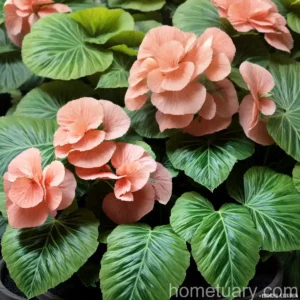
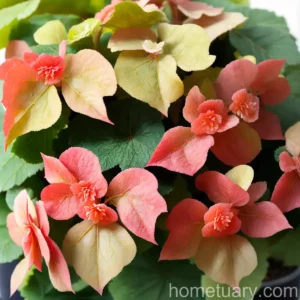
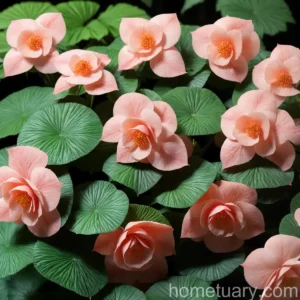
Rieger Begonia, also referred to as Begonia Hiemalis, is a hybrid plant that belongs to the Begoniaceae family. Its origins can be traced back to the renowned Rieger nursery in Germany, where it was first cultivated and introduced to the world. This beautiful plant is celebrated for its profusion of colorful and showy flowers, which bloom in an array of hues, including pink, red, white, and orange. The flowers are complemented by attractive foliage, often featuring intriguing patterns and textures.
Rieger Begonias are versatile plants that can be grown as indoor houseplants or used to adorn outdoor garden spaces, such as shaded patios or balconies. Their remarkable ability to thrive in partial shade makes them an ideal choice for individuals seeking to add a touch of natural beauty to areas with limited direct sunlight.
Key Takeaways – Rieger Begonia (Begonia Hiemalis)
Here are some key takeaways about Rieger Begonias that will be explored in detail throughout this guide:
- Culture: Understanding the cultural requirements of Rieger Begonias is essential for their successful cultivation and maintenance.
- Uses: Exploring the versatile uses of Rieger Begonias, both as indoor and outdoor ornamental plants.
- Water: Addressing the specific watering needs of Rieger Begonias and how to maintain optimal soil moisture.
- Sunlight: Discussing the sunlight requirements and ideal lighting conditions for Rieger Begonias.
- Fertilizer: Exploring the role of fertilization in promoting healthy growth and vibrant blooms in Rieger Begonias.
- Soil: Understanding the importance of well-draining soil and the optimal soil mix for Rieger Begonias.
- Pruning: Learning the art of pruning and grooming Rieger Begonias to maintain their shape and encourage blooming.
- Propagation: Exploring various methods of propagating Rieger Begonias, including division, leaf cuttings, and seed propagation.
- Container: Considering the benefits of growing Rieger Begonias in containers and selecting the appropriate potting vessels.
- Popularity: Recognizing the popularity and widespread appeal of Rieger Begonias among gardening enthusiasts.
With these key takeaways in mind, let’s embark on a detailed exploration of the care and cultivation of Rieger Begonias, accompanied by insights and recommendations from a plant scientist’s perspective.
Rieger Begonia (Begonia Hiemalis) Care Guide
Caring for Rieger Begonias involves a thoughtful approach that addresses their specific requirements for water, sunlight, soil, fertilization, and maintenance. By understanding and meeting these needs, you can create an environment where your Rieger Begonias thrive and grace your living spaces with their stunning floral displays. Let’s delve into the essential aspects of Rieger Begonia care, encompassing both indoor and outdoor cultivation.
Water
Watering is a critical aspect of Rieger Begonia care, as these plants have specific moisture requirements that contribute to their overall health and vitality. Here are some insights into watering Rieger Begonias effectively:
- Water Requirements: Rieger Begonias thrive in moist, but not waterlogged, soil. It’s crucial to maintain consistent soil moisture without allowing the roots to sit in standing water, which can lead to root rot. To achieve this balance, check the moisture level of the soil regularly and water when the top inch of the soil feels dry to the touch.
- Watering Frequency: The frequency of watering can vary based on factors such as the environment, potting mix, and prevailing weather conditions. During periods of active growth, Rieger Begonias may require more frequent watering, while reduced watering may be suitable during dormant or cooler periods.
- Watering Technique: When watering Rieger Begonias, aim to moisten the soil thoroughly without causing excessive runoff from the drainage holes at the bottom of the container. This ensures that the roots receive adequate hydration while preventing water accumulation in the pot.
Sunlight
Understanding the sunlight requirements of Rieger Begonias is pivotal to their successful cultivation, especially when grown as indoor houseplants. Consider the following points when providing sunlight for Rieger Begonias:
- Light Conditions: Rieger Begonias thrive in bright, indirect light. When grown indoors, it is best to place them near a window where they can receive filtered sunlight or dappled shade throughout the day. Direct exposure to intense sunlight should be avoided, as it can lead to leaf scorch and heat stress.
- Outdoor Placement: In outdoor garden spaces, Rieger Begonias flourish in locations with partial shade or areas that receive indirect sunlight. Shaded patios, verandas, or north-facing garden beds are suitable environments for these plants to thrive.
Fertilizer
Fertilization plays a crucial role in supporting the growth, development, and flowering of Rieger Begonias. Choosing the right fertilizer and applying it appropriately can enhance the overall health and vigor of these plants. Consider the following guidelines for fertilizing Rieger Begonias:
- Balanced Fertilizer: Select a balanced, water-soluble fertilizer with equal N-P-K (nitrogen, phosphorus, and potassium) proportions or a slightly higher phosphorus content to promote blooming. Dilute the fertilizer according to the instructions on the package to avoid over-fertilization.
- Frequency: During the active growing season, which often coincides with spring and summer, fertilize Rieger Begonias every 2-4 weeks. As the plants enter dormancy or reduced growth in autumn and winter, reduce the frequency of fertilization accordingly.
Soil
The choice of soil mix and its characteristics significantly impact the overall health and growth of Rieger Begonias. Providing well-draining, nutrient-rich soil is crucial for these plants to thrive. Consider the following soil-related aspects when cultivating Rieger Begonias:
- Well-Draining Soil: Rieger Begonias prefer soil that allows excess water to drain readily, preventing waterlogging that can adversely affect the roots. A mix of peat moss, perlite, and organic matter promotes optimal drainage while retaining adequate moisture for the plants.
- Potting Mix: When growing Rieger Begonias in containers, consider using a high-quality potting mix specifically formulated for houseplants or flowering plants. These mixes often provide the ideal balance of aeration, moisture retention, and essential nutrients.
Pruning
Pruning Rieger Begonias is a valuable maintenance practice that helps manage their growth, shape, and flowering potential. By following proper pruning techniques, you can encourage bushier growth and a profusion of blooms. Consider the following points when pruning Rieger Begonias:
- Deadheading Flowers: Remove spent flowers promptly to encourage continuous blooming and prevent the plant from channeling energy into seed production. Use clean, sharp scissors or pruning shears to snip off the faded flowers at the base of the stem.
- Trimming Leggy Growth: If you notice leggy or straggly growth, particularly in indoor plants, consider pruning back the stems to promote a compact and fuller appearance. Focus on trimming back overgrown or elongated stems to encourage new growth from the base.
Propagation
Exploring the methods of propagating Rieger Begonias allows you to expand your plant collection and share the beauty of these plants with others. From leaf cuttings to division, several propagation techniques can be employed to propagate Rieger Begonias. Consider the following methods of propagation:
- Leaf Cuttings: Propagate Rieger Begonias by taking leaf cuttings and rooting them in a suitable growing medium. Select healthy leaves with petioles and ensure the cuttings receive adequate humidity and warmth to facilitate root development.
- Division: When repotting mature Rieger Begonias, consider dividing the plant by carefully separating the root system into multiple sections. Each division should contain healthy stems and roots, providing the foundation for new plants.
Container
Growing Rieger Begonias in containers offers the flexibility to create striking indoor displays or adorn outdoor living spaces with vibrant floral accents. Choosing the right containers and providing appropriate care is key to the success of container-grown Rieger Begonias. Consider the following aspects when cultivating Rieger Begonias in containers:
- Pot Selection: Opt for well-draining pots or containers with drainage holes at the bottom to facilitate proper water drainage. The size of the pot should accommodate the growth of the plant without excessive room for the soil to retain water excessively.
- Indoor Display: When using Rieger Begonias as indoor plants, select decorative pots or containers that complement the aesthetic of your living spaces. Consider using cache pots or decorative covers to enhance the visual appeal of the plant arrangement while maintaining functionality.
Common Diseases and Pests
While Rieger Begonias are generally resilient plants, they can be susceptible to certain diseases and pest infestations. Recognizing the signs of common issues and taking appropriate measures can help safeguard the health and vigor of these plants. Let’s explore some common diseases, pests, and proactive measures for disease control and pest management:
Common Diseases
Rieger Begonias may encounter the following diseases under certain unfavorable conditions:
- Powdery Mildew: Recognized by the powdery, white fungal growth on the leaves, powdery mildew can affect Rieger Begonias in high-humidity environments. To prevent this disease, ensure proper air circulation and consider applying preventive fungicidal sprays, especially during periods of high humidity.
- Botrytis Blight: Botrytis blight, characterized by brown or gray mold on leaves and flowers, can occur in overly humid or poorly ventilated conditions. Maintain moderate humidity levels and promptly remove affected plant parts to prevent the spread of the disease.
Disease Diagnosis
Diagnosing potential diseases in Rieger Begonias involves careful observation of the plant’s foliage, stems, and overall appearance. Look for visual cues such as discoloration, spots, mold, or unusual growth patterns. If you suspect a disease, consider the following steps:
- Isolation: If you observe signs of disease, consider isolating the affected plant to prevent the spread of the condition to other nearby plants.
- Treatment: Consult with a horticulture professional or local garden center to seek guidance on suitable treatments for specific diseases affecting Rieger Begonias.
Common Pests
Pest infestations can pose a threat to the well-being of Rieger Begonias. Watch out for the following common pests and take proactive measures to manage infestations effectively:
- Aphids: These small, soft-bodied insects can cluster on the undersides of leaves, sucking sap from the plant and causing deformities or wilting. Use insecticidal soap or horticultural oils to control aphid populations and minimize damage to the plant.
- Spider Mites: Spider mites are tiny pests that can cause stippling and webbing on the leaves of Rieger Begonias. Keep the foliage clean by periodically washing the leaves with water to deter these pests.
Botanist’s Tips
As a plant scientist with a passion for ornamental plants, I am delighted to share some valuable insights and tips for cultivating and caring for Rieger Begonias:
- Humidity Control: Rieger Begonias benefit from moderate to high humidity levels, especially when grown as indoor houseplants. Consider placing a humidifier near the plants or using pebble trays filled with water to elevate the humidity in their immediate environment.
- Pest Prevention: Implement preventive measures, such as regular inspection of the plant for signs of pests, to catch and address pest infestations early. Additionally, avoiding over-fertilization and providing proper air circulation can contribute to pest prevention.
Fun Facts
Before we conclude this comprehensive guide, let’s explore some fascinating and lesser-known facts about Rieger Begonias:
- Hybrid Origins: Rieger Begonias are the result of breeding efforts that combined different Begonia species to create new and diverse varieties with captivating blooms and foliage.
- Flowering Season: Rieger Begonias are known for their extended flowering season, often producing abundant blooms from late winter to early spring, adding a burst of color during cooler months.
- Varied Leaf Colors: In addition to their vibrant flowers, Rieger Begonias showcase an array of leaf colors and patterns, ranging from deep green to silver, often adorned with intricate veining and textures.
Links to External Resources
For further exploration and in-depth information on Rieger Begonias, I recommend consulting the following resources:
- American Begonia Society – A comprehensive source of information on Begonias, including Rieger Begonias, with articles, cultivation tips, and community forums.
- Royal Horticultural Society (RHS) – Begonias – An expansive repository of horticultural knowledge, offering insights and guidance on growing and caring for Begonias, including Rieger Begonias.
- University of Minnesota Extension – Begonias – A valuable resource providing practical advice and recommendations for growing Begonias as indoor plants, covering care, propagation, and common issues.
In conclusion, Rieger Begonias, with their striking blooms, diverse foliage, and adaptability to indoor and outdoor environments, present an alluring prospect for plant enthusiasts. By embracing the care guidelines, tips, and insights shared in this comprehensive guide, you can embark on a rewarding journey of cultivating and nurturing these captivating plants with confidence and success.
As a plant scientist, it is my ongoing mission to empower individuals with the knowledge and inspiration to foster a deeper connection with the natural world, one plant at a time. I hope this guide serves as a valuable resource for your endeavors in cultivating and caring for Rieger Begonias, enriching your botanical pursuits and appreciation for nature’s boundless beauty.
This comprehensive guide is crafted with a wealth of insights and recommendations for cultivating and caring for Rieger Begonias. The diverse aspects of Rieger Begonia care and cultivation are explored in depth, accompanied by expert tips and valuable resources for further exploration. By following the guidelines and tips presented in this guide, readers can confidently embark on their journey of nurturing these captivating plants.