Ilex verticillata Mr. Poppins� (Winterberry): A Fascinating Ornamental Plant for Your Garden
What is Plant: Ilex verticillata Mr. Poppins� (Winterberry)
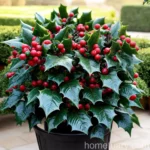
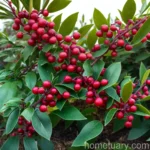
The Ilex verticillata, known as Winterberry, is a striking deciduous holly, native to eastern North America. It is a species of holly that is particularly prized for its vibrant red berries that adorn its bare branches during the winter months, providing a pop of color to the otherwise dreary winter landscape. Among the various cultivars of Ilex verticillata, “Mr. Poppins�” stands out for its compact growth habit and profusion of berries.
Key Takeaways – Ilex verticillata Mr. Poppins� (Winterberry)
- Botanical Name: Ilex verticillata “Mr. Poppins�”
- Common Name: Winterberry
- Variety: Mr. Poppins�
- Plant Type: Deciduous shrub
- Notable Feature: Bright red berries in winter
- Hardiness Zone: 3 to 9
Culture
Uses
Ilex verticillata Mr. Poppins� is predominantly grown for its ornamental value, particularly for the stunning display of bright red berries it produces during the winter. The berries persist well into the winter months, making them invaluable for adding visual interest to the winter landscape, as well as for use in decorative arrangements.
Water
Ilex verticillata prefers consistently moist soil, particularly during its establishment phase. Regular watering is essential, especially during dry periods, to ensure the plant’s optimal growth and berry production.
Sunlight
While Winterberry can tolerate partial shade, it thrives best when grown in full sun. A location with at least six hours of direct sunlight per day is ideal for promoting abundant berry production and compact growth.
Fertilizer
Proper fertilization can contribute to healthier growth and more prolific berry production. Using a balanced, slow-release fertilizer in early spring can provide the necessary nutrients for the plant’s growth and development.
Soil
Winterberry prefers acidic, moist, and well-drained soil. Incorporating organic matter such as compost or peat moss into the soil can help maintain proper moisture levels and improve overall soil quality, promoting optimal growth and berry production.
Pruning
Regular pruning is not necessary for Winterberry, but shaping and maintenance pruning can be done in late winter or early spring to remove any dead, damaged, or crossing branches. This practice can help maintain the shrub’s tidy, compact form and promote better air circulation within the plant.
Propagation
Winterberry can be propagated through several methods, including hardwood cuttings, softwood cuttings, and by seed. Hardwood cuttings taken in late winter or early spring can yield new plants with characteristics similar to the parent plant.
Container Popularity
Due to its compact growth habit, Ilex verticillata Mr. Poppins� is well-suited for container gardening. It can serve as an eye-catching focal point on patios, decks, or in smaller garden spaces. Ensure that the containers have adequate drainage and provide regular watering to potted Winterberry plants.
Common Diseases
Ilex verticillata is generally resistant to diseases with proper care and maintenance. However, it may occasionally encounter certain issues such as:
- Leaf Spot: Fungal infections can cause circular lesions on the leaves, leading to defoliation if left untreated.
- Powdery Mildew: White powdery patches on the leaves can indicate powdery mildew, a common fungal disease in holly plants.
- Phytophthora Root Rot: Excessive soil moisture can lead to root rot, causing the plant to exhibit symptoms such as wilting and decline.
Disease Diagnosis
Early detection and proper diagnosis are crucial for effectively managing and treating plant diseases. If you notice any abnormal symptoms on your Winterberry plant, such as unusual spots, discoloration, or wilting, it is advisable to consult an experienced horticulturist or plant pathologist to identify and address the issue promptly.
Common Pests
Winterberry may face infestations from a few common pests, including:
- Spider Mites: These tiny arachnids can cause stippling and webbing on the foliage, potentially leading to leaf damage and reduced vigor.
- Scale Insects: Scale insects can attach themselves to the stems and leaves, sucking the plant’s sap and causing a decline in overall health.
- Japanese Beetles: These voracious feeders can skeletonize the plant’s leaves and cause considerable damage if not controlled.
Botanist’s Tips
- Encourage natural predators such as ladybugs and lacewings to help control pest populations.
- Regularly inspect the undersides of leaves for signs of pests and intervene at the earliest sign of infestation.
Fun Facts
- In the wild, Winterberry serves as an important food source for various bird species during the winter months, including the American robin and cedar waxwing.
- Native American tribes used Winterberry and other holly species for various medicinal and cultural purposes, recognizing their significance in traditional practices.
Links to External Resources
For additional information on Ilex verticillata Mr. Poppins� (Winterberry) and related topics, feel free to explore the following resources:
- The American Holly Society
- United States National Arboretum – Ilex verticillata
- Missouri Botanical Garden – Winterberry
- University of Connecticut Plant Database – Ilex verticillata
In conclusion, Ilex verticillata Mr. Poppins�, commonly known as Winterberry, is a captivating ornamental shrub that offers year-round interest with its vibrant berries and elegant foliage. With a little care and attention to its specific requirements, this native holly can bring seasonal color and wildlife appeal to your garden, making it a valuable addition to any landscape.
So, whether you are drawn to its striking winter display, its value to wildlife, or simply its attractive form, consider adding Ilex verticillata Mr. Poppins� to your garden for a touch of winter magic.