Iris Versicolor (Blue Flag)
Iris versicolor, commonly known as Blue Flag, is a captivating and charismatic perennial plant that adds a touch of elegance to any garden landscape. This.
Iris versicolor, commonly known as Blue Flag, is a captivating and charismatic perennial plant that adds a touch of elegance to any garden landscape. This vibrant species is not only aesthetically pleasing but also possesses cultural, ecological, and medicinal significance. As a plant scientist, I am enthralled by the distinctive charm and multifaceted nature of Iris versicolor and I am keen to share my insights about this remarkable plant.
In this comprehensive guide, we will delve into the intricacies of Iris versicolor, exploring its cultural uses, growth requirements, common diseases and pests, as well as propagation and maintenance tips. Whether you are a seasoned gardener or a novice enthusiast, this blog aims to equip you with the knowledge and expertise necessary to nurture and appreciate the enchanting beauty of Iris versicolor.
What is Iris versicolor (Blue Flag)?
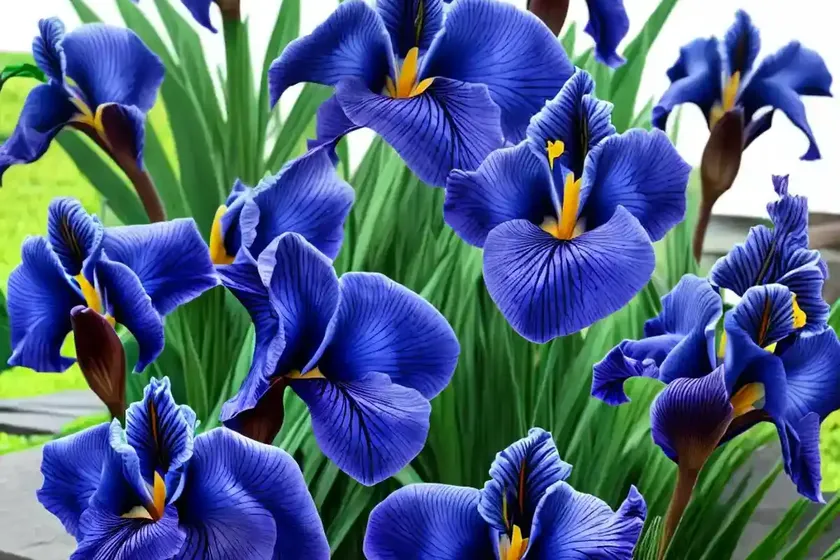
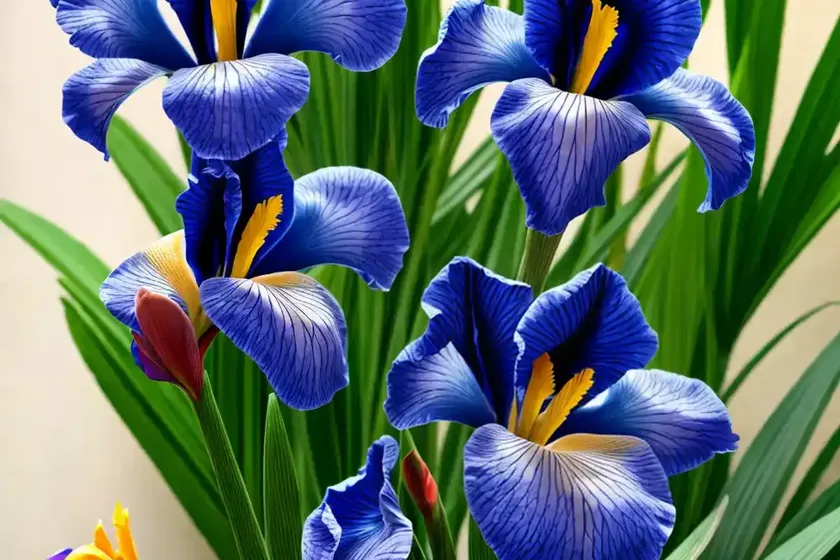
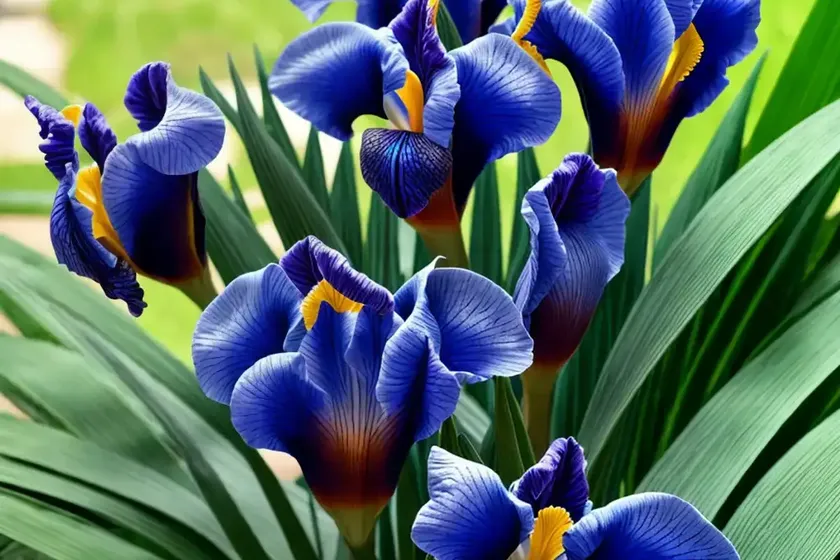
Iris versicolor, commonly referred to as Blue Flag, is a herbaceous perennial plant belonging to the Iridaceae family. This striking species is native to North America and is renowned for its stunning blue-violet flowers, which bloom in late spring to early summer. The name ‘Blue Flag’ is derived from the blue color of the flowers and the sword-shaped leaves that resemble a hanging flag.
Blue Flag Iris is characterized by its showy flowers, which boast intricate patterns and striking hues, making it a popular choice for ornamental gardening. The vibrant blooms of Iris versicolor serve as a visual delight, attracting pollinators such as bees and butterflies, thus contributing to the biodiversity of the ecosystem.
Apart from its visual appeal, Iris versicolor holds significant cultural and medicinal value. Indigenous tribes of North America have historically utilized various parts of the plant for medicinal purposes, attributing healing properties to its rhizomes and other plant parts.
Key Takeaways – Iris versicolor (Blue Flag)
Before we delve into the specific aspects of cultivating and caring for Iris versicolor, let’s highlight the key takeaways that encapsulate the essence and significance of this plant:
- Visual Appeal: Iris versicolor is renowned for its striking blue-violet flowers and sword-shaped leaves, which add a touch of elegance to landscapes.
- Cultural and Medicinal Significance: Indigenous tribes have historically used Iris versicolor for its medicinal properties, while it also holds cultural significance in various traditions.
- Ecological Importance: The vibrant blooms of Iris versicolor serve as a valuable source of nectar and pollen for pollinators, contributing to the ecological balance.
- Ornamental Value: Blue Flag Iris is a popular choice for ornamental gardening, accentuating gardens with its captivating blooms and unique foliage.
- Adaptability: Iris versicolor is adaptable to wetland environments, making it a suitable choice for water gardens, wetland restoration, and wildlife habitats.
Now that we have gained a holistic understanding of Iris versicolor, let’s explore the intricacies of cultivating and caring for this extraordinary plant.
Culture
The culture of Iris versicolor encompasses the growing conditions, uses, and significance of this captivating plant. Understanding the cultural aspects is essential for nurturing and appreciating the beauty and value of Blue Flag Iris.
Uses
Iris versicolor possesses a diverse range of uses, extending beyond its ornamental value. Let’s explore the various uses of this exceptional plant:
-
Ornamental Purposes: The captivating blooms and distinctive foliage make Iris versicolor a popular choice for ornamental gardening, where it adds aesthetic allure to landscapes and garden beds.
-
Cultural and Historical Significance: In various indigenous cultures, Iris versicolor holds historical and cultural significance, often associated with folklore, traditional medicinal uses, and symbolic meanings.
-
Medicinal Properties: Historically, the rhizomes and other parts of Iris versicolor have been utilized for medicinal purposes by indigenous tribes, demonstrating its potential for holistic healing and wellness.
-
Ecological Significance: Given its attractiveness to pollinators, Iris versicolor contributes to the biodiversity of ecosystems, serving as a valuable addition to wildlife habitats and natural landscapes.
Water
Iris versicolor displays an affinity for moist or waterlogged soils, thriving in wetland environments and along the edges of ponds, streams, and marshes. The adaptability of Blue Flag Iris to wetland conditions makes it an ideal choice for water gardens and wetland restoration projects.
-
Water Requirements: Adequate moisture is essential for the optimal growth and development of Iris versicolor. The plant thrives in consistently moist soil and can withstand brief periods of water inundation, making it well-suited for water garden settings.
-
Wetland Restoration: The resilience of Iris versicolor in wetland environments makes it an invaluable addition to wetland restoration efforts, contributing to the ecological restoration of waterlogged habitats.
Sunlight
The sunlight requirements of Iris versicolor play a crucial role in determining its growth and flowering patterns. Understanding the plant’s needs for sunlight is paramount for ensuring its vigor and vitality.
-
Light Preferences: Iris versicolor thrives in partial to full sunlight, requiring at least 4-6 hours of direct sunlight to promote robust growth and prolific flowering. Optimal light exposure aids in enhancing the color intensity and vivacity of its blooms.
-
Shade Tolerance: While partial sunlight is preferred, Blue Flag Iris exhibits tolerance to partial shade, especially in regions with intense summer heat. Providing a balance of sunlight and shade is key to maintaining the plant’s health and vigor.
Fertilizer
Fertilization plays a pivotal role in supplying essential nutrients to Iris versicolor, supporting its growth, resilience, and flowering prowess. Appropriate fertilization practices can bolster the overall health and vitality of the plant.
-
Nutrient Requirements: Iris versicolor benefits from a balanced fertilizer regimen, with an emphasis on a slow-release organic fertilizer rich in nitrogen, phosphorus, and potassium. Nitrogen aids in foliage growth, while phosphorus stimulates flower production.
-
Application Timing: Fertilizers should be applied in spring, before the onset of active growth, and again in early summer to sustain the plant’s nutritional requirements throughout the growing season.
-
Avoiding Excesses: While fertilization is beneficial, excessive application of fertilizers should be avoided, as it can lead to imbalanced growth and potential nutrient toxicity.
Soil
The soil composition and quality significantly influence the growth, vitality, and adaptability of Iris versicolor. Understanding the soil requirements is essential for creating an optimal growing environment for Blue Flag Iris.
-
Moisture-Retentive Soil: Iris versicolor thrives in well-drained, moisture-retentive soil with high organic matter content. The plant exhibits a preference for slightly acidic to slightly alkaline soils, with pH levels ranging from 6.0 to 7.5.
-
Wetland Adaptability: Given its affinity for wetland environments, Blue Flag Iris is adaptable to waterlogged soils, making it well-suited for planting along pond margins, wet meadows, and marshy areas.
-
Amendments and Mulching: Incorporating organic matter such as compost or peat moss into the soil can improve its texture and moisture retention capacity, while mulching around the base of the plant aids in conserving soil moisture and suppressing weed growth.
Pruning
Pruning is an essential aspect of maintaining the vigor, aesthetic appeal, and longevity of Iris versicolor. Proper pruning practices contribute to the plant’s overall health and encourage prolific flowering.
-
Pruning Timing: After the blooming period, spent flower stems should be pruned to prevent seed formation and to redirect the plant’s energy towards vegetative growth and the development of rhizomes.
-
Foliage Maintenance: Regular removal of yellowing or withered leaves promotes air circulation around the plant and mitigates the risk of disease development. However, care should be taken to avoid excessive foliage removal, as it can hinder the plant’s ability to photosynthesize and store energy.
-
Division: Every 3-5 years, Iris versicolor benefits from division to rejuvenate overcrowded clumps, enhance flowering, and propagate new plantings. Division should be carried out in late summer to early fall, allowing sufficient time for the newly divided rhizomes to establish before winter.
Propagation
Propagating Iris versicolor allows for the expansion of its presence in gardens and natural landscapes, providing an opportunity to share its beauty and ecological significance with a wider audience.
-
Rhizome Division: The most common and effective method of propagation for Iris versicolor is through rhizome division. In late summer or early fall, mature rhizomes can be carefully divided, ensuring that each division possesses healthy roots and viable growth points.
-
Seed Propagation: While viable seeds can be collected from mature seed pods after flowering, seed propagation is a less popular method due to the variable germination rates and the time required for seedlings to reach maturity and blooming stage.
-
Growing Medium: Plant the divided rhizomes in prepared planting beds or containers, ensuring adequate soil moisture and protection from extreme temperature fluctuations during the establishment phase.
Container Popularity
While Iris versicolor is commonly grown in garden beds and naturalized settings, it also exhibits popularity as a container plant, offering versatility and aesthetic appeal in container gardening.
-
Container Selection: Select spacious containers with adequate drainage holes and a depth of at least 12-18 inches to accommodate the extensive root system of Blue Flag Iris.
-
Soil Medium: Utilize a well-draining soil mix with sufficient organic matter to provide optimal growing conditions for Iris versicolor in containers. Regular monitoring of soil moisture is essential, as containers may dry out more quickly than garden beds.
-
Placement and Care: Position the containers in areas with adequate sunlight exposure, and provide consistent moisture and fertilization to support the growth and bloom cycle of Iris versicolor.
Common Diseases
As with any plant species, Iris versicolor is susceptible to certain diseases and infections that can impact its health and vitality. Awareness of common diseases and their management is crucial for safeguarding the well-being of Blue Flag Iris.
-
Bacterial Soft Rot: Excessive soil moisture, poor drainage, or mechanical damage to rhizomes can predispose Iris versicolor to bacterial soft rot, characterized by soft, water-soaked lesions on the rhizomes. Improve drainage and remove affected plant material to prevent further spread.
-
Leaf Spot: Fungal pathogens may cause circular, water-soaked lesions on the leaves of Iris versicolor. Maintain proper air circulation, avoid overhead watering, and promptly remove and destroy infected foliage to mitigate the spread of leaf spot.
-
Botrytis Blight: High humidity and prolonged leaf wetness can create favorable conditions for Botrytis blight, resulting in grayish mold growth on foliage and flowers. Implementing cultural practices that promote air circulation and reducing humidity levels can aid in preventing Botrytis blight.
Disease Diagnosis
Diagnosing diseases affecting Iris versicolor involves careful observation of symptoms, understanding the environmental conditions, and, if necessary, seeking professional guidance for accurate identification and targeted management strategies.
-
Symptom Recognition: Observe the plant for any signs of discoloration, wilting, lesions, or unusual growth patterns on the foliage, stems, or rhizomes, as these can indicate the presence of diseases or infections.
-
Environmental Assessment: Evaluate the growing conditions, including soil moisture, sunlight exposure, and air circulation, as these factors can influence disease development and severity.
-
Professional Consultation: In cases of uncertainty or severe disease outbreaks, consulting with local horticultural experts or plant pathologists can aid in accurate disease diagnosis and the implementation of effective control measures.
Common Pests
While Iris versicolor is relatively resistant to pests, certain insects and pests may occasionally pose a threat to the plant’s health and vitality. Vigilance and proactive pest management practices are key to safeguarding the plant from potential infestations.
-
Aphids: Small, sap-feeding aphids can infest the foliage and buds of Iris versicolor, causing distortion and discoloration of the affected plant parts. Natural predators such as ladybugs and lacewings can aid in controlling aphid populations.
-
Thrips: Thrips are tiny, slender insects that may feed on Iris versicolor, causing stippling, discoloration, and deformation of the leaves and flowers. Regular monitoring and the introduction of beneficial insects can assist in managing thrips infestations.
-
Snails and Slugs: These moisture-dependent pests can feed on the tender foliage and flowers of Iris versicolor, leaving behind characteristic slime trails and ragged feeding damage. Hand-picking, barriers, and slug baits can help in controlling snail and slug populations.
Botanist’s Tips
As a plant scientist deeply passionate about the enchanting Iris versicolor, I am delighted to share some valuable tips and insights that can enhance your experience of cultivating and appreciating this remarkable plant:
-
Promote Biodiversity: Planting Iris versicolor in your garden or natural landscape can contribute to the biodiversity of the ecosystem by attracting pollinators and beneficial insects, fostering a harmonious balance in the environment.
-
Cultural Appreciation: Explore the cultural and historical significance of Blue Flag Iris, delving into folklore, traditional uses, and symbolic meanings associated with this captivating plant.
-
Wetland Restoration: If you have access to wetland areas or are involved in conservation efforts, consider incorporating Iris versicolor in wetland restoration projects to support the conservation of native plant species and their associated wildlife.
-
Species Conservation: Support initiatives focused on the conservation and restoration of native plant species, including Iris versicolor, to safeguard their presence and ecological importance for future generations.
Fun Facts
Uncovering the fascinating aspects and lesser-known facts about Iris versicolor adds a layer of intrigue and appreciation for this extraordinary plant. Here are some captivating fun facts about Blue Flag Iris:
-
Symbolic Significance: In certain cultures, Blue Flag Iris is considered a symbol of courage, wisdom, and inspiration, embodying a sense of resilience and determination in the face of challenges.
-
Natural Dye: Historically, the rhizomes of Iris versicolor have been utilized to produce a blue dye, adding to its traditional significance in the realm of natural dyes and pigments.
-
Artistic Inspiration: The unique floral structure and vibrant hues of Blue Flag Iris have inspired artists and creative individuals, serving as subjects for botanical illustrations, paintings, and artistic compositions.
-
Garden Therapy: Engaging with the cultivation and care of Iris versicolor can be a therapeutic and restorative experience, connecting individuals with nature and the joy of gardening.
Now that we have delved deep into the diverse facets of Iris versicolor, it’s time to explore external resources that provide additional insights and information about this captivating plant.
Links to External Resources
To further enrich your understanding and appreciation of Iris versicolor, I recommend exploring the following external resources:
-
The American Iris Society: The official website of The American Iris Society provides an extensive repository of information on various iris species, including Iris versicolor, offering insights into cultivation, varieties, and cultural significance.
-
United States Department of Agriculture – Plants Database: The USDA Plants Database offers valuable botanical details and distribution information for Iris versicolor, providing a comprehensive overview of its natural habitat and ecological adaptations.
-
North American Native Plant Society: The North American Native Plant Society focuses on the conservation and appreciation of native plant species, offering resources and guidance on incorporating native plants such as Iris versicolor into sustainable landscapes.
-
Royal Horticultural Society – Plant Selector: The Royal Horticultural Society’s plant selector tool provides detailed profiles and cultivation advice for Iris versicolor, aiding in the selection and care of this captivating plant.
-
Lady Bird Johnson Wildflower Center: The Lady Bird Johnson Wildflower Center’s plant database offers insights into the ecological significance and landscaping potential of Iris versicolor, highlighting its role in supporting wildlife and native plant communities.
-
University Extension Services: University extension services, such as the University of Minnesota Extension, provide practical guidelines and horticultural recommendations for growing and maintaining Iris versicolor in diverse gardening settings.
These external resources serve as valuable references for expanding your knowledge and fostering a deeper connection with the charismatic world of Iris versicolor.
In conclusion, Iris versicolor, with its captivating blue-violet flowers, rich cultural heritage, and ecological significance, emerges as a plant of profound beauty and multifaceted importance. As we embark on the journey of cultivating, appreciating, and cherishing Blue Flag Iris, let us embrace the diverse dimensions of this exceptional plant, enriching our lives and landscapes with its timeless allure.
I hope this comprehensive guide has illuminated the enchanting world of Iris versicolor, empowering you with the knowledge and inspiration to cultivate, conserve, and celebrate the charismatic charm of this extraordinary plant.
Happy gardening and may the vibrant blooms of Iris versicolor bring joy and wonder to your botanical endeavors!
Note: This blog post contains affiliate links to external resources. When you make a purchase through these links, I may earn a commission at no additional cost to you. Thank you for supporting my work in sharing valuable insights and knowledge about the captivating world of horticulture.


