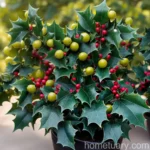
Winterberry Holly – Ilex verticillata ‘Jim Dandy’
As a plant scientist, I am thrilled to share my expertise on the captivating Ilex verticillata ‘Jim Dandy’, commonly known as Winterberry Holly. This deciduous holly shrub belongs to the family Aquifoliaceae and is native to eastern North America. With its vibrant red berries and splendid green foliage, it’s a magnificent addition to any landscape. In this comprehensive guide, we will delve into the cultural aspects, uses, care tips, and other intriguing details about this enchanting plant.
Plant Profile: Ilex verticillata ‘Jim Dandy’
What is Winterberry Holly?
Winterberry Holly, scientifically known as Ilex verticillata, is a captivating deciduous shrub that is notable for its brilliant red berries. This plant belongs to the holly genus Ilex, and it is a dioecious species, meaning that it has separate male and female plants. ‘Jim Dandy’ is a male cultivar known for its essential function in pollinating the female Winterberry Holly plants to produce the iconic berries.
Key Takeaways – Ilex verticillata ‘Jim Dandy’
- Botanical Name: Ilex verticillata ‘Jim Dandy’
- Common Name: Winterberry Holly
- Plant Type: Deciduous shrub
- Native Habitat: Eastern North America
- Notable Feature: Bright red berries in late fall and winter
Now let’s dive into the fascinating details about the culture, uses, and care requirements for Winterberry Holly.
Culture of Ilex verticillata ‘Jim Dandy’
Cultivating Winterberry Holly involves understanding its specific cultural needs, including water requirements, sunlight preferences, soil conditions, and fertilization. Mastering these aspects is crucial for ensuring the optimal growth and development of this exceptional plant.
Water
Watering Needs:
– Winterberry Holly generally thrives in moist to wet soil conditions, making it an excellent choice for rain gardens and areas with consistent moisture.
– While it is tolerant of occasional flooding and wet soils, it’s essential to ensure proper drainage, especially in areas with heavy clay soil.
Seasonal Considerations:
– During periods of drought, especially in the first year of establishment, regular watering is essential to support healthy growth and berry production.
– In winter, when the plant is dormant, it can tolerate brief periods of standing water, which is a natural part of its native habitat.
Sunlight
Sun Requirements:
– Winterberry Holly exhibits a versatile nature when it comes to sunlight. It can thrive in both full sun and partial shade conditions.
– While it can tolerate partial shade, providing it with full sun exposure often results in more prolific flowering and berry production.
Positioning:
– When planning the placement of Winterberry Holly in the landscape, consider positioning it where it can receive several hours of direct sunlight each day to maximize its ornamental qualities.
Fertilizer
Nutrient Needs:
– To support healthy growth and berry production, Winterberry Holly benefits from a balanced fertilizer application in the early spring.
– A slow-release fertilizer designed for acid-loving plants can be particularly beneficial, providing essential nutrients over an extended period.
Application Tips:
– Avoid applying excessive amounts of fertilizer, as this can lead to excessive vegetative growth at the expense of berry production.
Soil
Soil Type:
– Winterberry Holly thrives in acidic, organically rich soils. It has a preference for moist to wet soil conditions, making it an excellent choice for low-lying areas with consistent moisture.
Soil Amendments:
– Incorporating organic matter such as compost or well-rotted manure into the soil can improve its structure and fertility, supporting the long-term health of the plant.
Pruning Winterberry Holly
Pruning is an essential aspect of Winterberry Holly maintenance, contributing to its overall health, appearance, and berry production. Understanding the best practices for pruning this captivating shrub is crucial for ensuring its vitality.
Timing
Pruning Schedule:
– The ideal time for pruning Winterberry Holly is in late winter to early spring before new growth emerges.
– Pruning at this time allows for the removal of any dead, damaged, or overcrowded branches without interfering with the development of flower buds for the upcoming season.
Techniques
Selective Pruning:
– Focus on selectively removing older branches to encourage the growth of new, vibrant stems that can produce an abundance of berries.
– Aim to maintain a natural and appealing growth habit while ensuring that light can penetrate the interior of the plant.
Berry Harvest:
– If you plan to use the branches for decorative purposes, such as in winter arrangements, consider selectively pruning branches for harvest, taking care not to excessively reduce the plant’s overall vigor.
Propagation of Winterberry Holly
Propagating Winterberry Holly allows for the expansion of this captivating plant in the landscape. Whether you intend to create new plantings or share this remarkable species with others, exploring propagation methods can be a rewarding endeavor.
Seed Propagation
Seed Collection:
– Collect ripe berries in the fall, as they will contain the seeds necessary for propagation.
– Extract the seeds from the berries and clean them to remove any pulp or debris.
Seed Treatment:
– Stratify the seeds by placing them in a moist medium, such as peat moss or vermiculite, and storing them in a cool location for several months.
– This cold treatment simulates natural conditions that the seeds would experience outdoors during the winter, breaking their dormancy and preparing them for germination.
Germination:
– After the stratification period, sow the seeds in a suitable growing medium and maintain consistent moisture to support germination.
– With patience and proper care, the seeds should sprout, marking the beginning of new Winterberry Holly plants.
Root Cuttings
Cutting Selection:
– Select healthy, vigorous branches for taking cuttings, preferably in the winter when the plant is dormant.
Preparation:
– Cut sections of the roots, usually about 4 to 6 inches long, ensuring that each cutting has several root nodes.
Planting and Care:
– Plant the root cuttings in a suitable growing medium, keeping them consistently moist and providing gentle bottom heat to encourage root development.
Winterberry Holly in Containers
The adaptability of Winterberry Holly extends to container cultivation, offering an opportunity to enjoy its beauty in a more confined space. When growing Winterberry Holly in containers, several factors should be considered to ensure its successful development.
Container Selection
Size and Drainage:
– Choose a large container with adequate drainage holes to prevent waterlogging, as Winterberry Holly prefers moist but well-draining conditions.
– The size of the container should accommodate the plant’s root system and provide ample room for growth.
Growing Medium:
– Use a high-quality potting mix that is well-draining and rich in organic matter, mimicking the preferred soil conditions for Winterberry Holly.
Maintenance
Watering:
– Monitor the moisture level of the growing medium, ensuring that it remains consistently moist. Container plants may require more frequent watering than those in the ground, especially during warm, dry periods.
Fertilization:
– Apply a balanced, slow-release fertilizer in the spring to provide essential nutrients for healthy growth and berry production.
Winter Protection:
– In regions with harsh winter conditions, consider providing protection for container-grown Winterberry Holly, such as moving it to a sheltered location or insulating the container to prevent freezing of the roots.
Popularity of Winterberry Holly
Due to its captivating appearance and valuable ecological contributions, Winterberry Holly has gained popularity among homeowners, landscapers, and conservationists. Let’s explore the reasons behind its widespread appeal and diverse uses in various settings.
Ornamental Value
Landscape Design:
– Winterberry Holly is cherished for its striking red berries, which provide vibrant color and visual interest during the fall and winter months.
– Its deciduous nature allows for seasonal changes in the landscape, making it a versatile choice for creating dynamic garden compositions.
Wildlife Habitat:
– The berries of Winterberry Holly serve as a vital food source for birds during the winter, attracting a diverse array of avian species to the garden.
– By planting Winterberry Holly, homeowners can contribute to the preservation of wildlife and create a thriving habitat for birds and other wildlife.
Seasonal Decor
Holiday Displays:
– The vivid red berries of Winterberry Holly are highly sought after for seasonal decorations, including wreaths, garlands, and festive arrangements.
– Its enduring appeal for Christmas and winter-themed decor has cemented its status as a beloved ornamental plant for holiday celebrations.
Ecological Benefits
Erosion Control:
– Winterberry Holly’s robust root system and adaptability to moist soil conditions make it an effective choice for stabilizing soil and preventing erosion, especially along waterways and wetland margins.
– In riparian areas, its presence can contribute to the conservation of water resources and the preservation of delicate ecosystems.
Common Diseases of Winterberry Holly
While Winterberry Holly is known for its resilience, it can be susceptible to certain diseases and health issues that may affect its vitality and ornamental qualities. Understanding these potential challenges is essential for effective disease management and plant care.
Disease Diagnosis
Anthracnose:
– Anthracnose, caused by fungal pathogens, can lead to dark, sunken lesions on the leaves and stems of Winterberry Holly.
– If left untreated, severe anthracnose infections can lead to defoliation and a decline in overall plant health.
Leaf Spot:
– Leaf spot diseases can result in the development of dark, irregularly shaped spots on the foliage, impacting the plant’s aesthetic appeal.
– Proper sanitation and the prompt removal of infected plant material can help mitigate the spread of leaf spot diseases.
Powdery Mildew:
– Powdery mildew, characterized by a white, powdery growth on the leaves, stems, and berries, can affect Winterberry Holly, particularly in humid conditions.
– Improving air circulation and avoiding overhead irrigation can help reduce the likelihood of powdery mildew outbreaks.
Disease Prevention
Cultural Practices:
– Implementing good cultural practices, such as ensuring proper spacing between plants, promoting air circulation, and maintaining overall plant health, can reduce the risk of disease development.
Sanitation:
– Regularly inspect plants for signs of disease, promptly removing and disposing of any affected plant material to prevent the spread of pathogens.
Fungicide Applications:
– In severe cases of fungal diseases, targeted fungicide applications may be necessary to manage the spread of the infection and protect the plant’s health.
Common Pests Affecting Winterberry Holly
In addition to diseases, Winterberry Holly may also face challenges from various pests that can diminish its vigor and aesthetic appeal. Identifying these potential adversaries and employing appropriate pest management strategies is crucial for preserving the health of this remarkable plant.
Insect Pests
Spider Mites:
– Spider mites are tiny arachnids that can cause stippling and discoloration on the leaves of Winterberry Holly, impacting its overall vitality.
Scale Insects:
– Scale insects can infest the stems and foliage of Winterberry Holly, leading to a decline in plant health and the production of honeydew, which can attract other pests.
Japanese Beetles:
– Japanese beetles can feed on the foliage of Winterberry Holly, causing significant damage and defoliation if present in large numbers.
Pest Management
Pruning and Sanitation:
– Regularly inspect plants for signs of pest infestations, removing and disposing of affected plant material to reduce pest populations.
Horticultural Oils:
– Applying horticultural oils can help suffocate certain pests, such as spider mites and scale insects, while minimizing the impact on beneficial insects.
Natural Predators:
– Encouraging the presence of natural predators, such as ladybugs and lacewings, can help control pest populations and maintain ecological balance in the garden.
Botanist’s Tips for Growing Winterberry Holly
As a plant scientist with a passion for horticulture and ecological conservation, I’m excited to share some expert tips for successfully growing and caring for Winterberry Holly. Whether you’re a seasoned gardener or just starting your journey with this captivating plant, these insights can help you make the most of its ornamental and ecological potential.
Tip 1: Proper Pollination
- To ensure abundant berry production, consider planting a compatible female Winterberry Holly cultivar alongside ‘Jim Dandy’ to facilitate effective pollination and fruit set.
Tip 2: Beneficial Companions
- Pair Winterberry Holly with native flowering plants and shrubs to create a pollinator-friendly garden that supports a diverse array of beneficial insects and wildlife.
Tip 3: Seasonal Variability
- Embrace the seasonal changes of Winterberry Holly, from its lush green foliage in the summer to the vibrant display of red berries during the winter, for a dynamic and captivating landscape.
Tip 4: Conservation Benefits
- By incorporating Winterberry Holly into your landscape, you can contribute to the preservation of native plant species, the enhancement of wildlife habitat, and the promotion of sustainable gardening practices.
Tip 5: Wildlife Appreciation
- Observe and appreciate the wildlife that Winterberry Holly attracts, from songbirds and migratory species to beneficial insects, and recognize the valuable role that plants play in supporting biodiversity.
Fun Facts About Winterberry Holly
Now, let’s explore some intriguing and delightful facts about Winterberry Holly that showcase its unique characteristics and ecological significance.
- The vibrant red berries of Winterberry Holly are a vital food source for numerous bird species during the winter months, providing essential nutrition in the colder seasons.
- In addition to attracting birds, the berries of Winterberry Holly can also serve as a captivating decorative element in holiday arrangements, wreaths, and festive displays.
- While ‘Jim Dandy’ is a male cultivar essential for pollination, the female Winterberry Holly cultivars are the primary producers of the iconic red berries that adorn the plant.
- The adaptable nature of Winterberry Holly allows it to thrive in a variety of settings, from traditional landscapes and woodland gardens to wetland restoration projects and naturalized areas.
- With its resilience, ecological benefits, and ornamental allure, Winterberry Holly embodies the harmonious blend of aesthetic appeal and ecological value in the garden.
Links to External Resources
To further expand your knowledge and resources on Winterberry Holly and related topics, consider exploring the following external links and references:
- The American Holly Society: This organization provides comprehensive information on hollies, including Winterberry Holly, and offers resources for enthusiasts and horticultural professionals.
- Plant Native: Explore resources on native plants, including Winterberry Holly, and learn about the ecological benefits of incorporating native species into the landscape.
- Lady Bird Johnson Wildflower Center: Discover valuable insights on native plants, conservation, and ecological landscaping, and access resources for sustainable gardening practices.
Through these external resources, you can delve deeper into the world of Winterberry Holly, native plants, and conservation-oriented gardening practices, expanding your horticultural knowledge and appreciation for these remarkable species.
As a plant scientist, I am passionate about sharing the remarkable qualities and ecological contributions of plants such as Winterberry Holly. By understanding its culture, uses, care requirements, and ecological significance, we can foster a greater appreciation for the beauty and practical value of native species in our landscapes. Whether you’re captivated by its vibrant berries or intrigued by its role in supporting wildlife, Winterberry Holly stands as a testament to the enduring charm and ecological importance of native plants.
I hope this comprehensive guide has inspired your curiosity and admiration for Winterberry Holly, and I encourage you to explore the captivating world of native plants and ecological gardening as you continue your horticultural journey. Thank you for joining me on this exploration of Ilex verticillata ‘Jim Dandy’ and the captivating allure of Winterberry Holly.
Happy gardening!
[Note: The following content is provided for informational purposes only and does not constitute professional botanical or horticultural advice. If you have specific inquiries or require assistance with plant care, I recommend consulting a qualified horticultural professional or extension service in your area.]