The Beauty of Hydrangea macrophylla ‘Peppermint’: A Complete Guide
Plants have always been a source of fascination for humanity. Their diverse shapes, colors, and forms have captured the imagination of people for centuries. Among the various plant species, the Hydrangea macrophylla ‘Peppermint’ stands out as a stunning and popular ornamental plant known for its beautiful blooms and lush foliage. In this comprehensive guide, we will explore the various aspects of this enchanting plant, from its cultivation and care to its uses and maintenance.
What is Hydrangea macrophylla ‘Peppermint’?
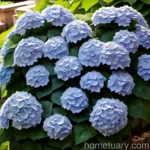
Hydrangea macrophylla ‘Peppermint’ is a cultivar of the Hydrangea macrophylla species, commonly known as bigleaf hydrangea or French hydrangea. This stunning shrub is prized for its large, showy flower heads and glossy green foliage. The ‘Peppermint’ variety is particularly beloved for its unique and striking two-toned blooms, which feature a combination of pink and white petals, creating a visually captivating display.
Key Takeaways
Before delving into the details of its cultivation and maintenance, here are some key takeaways about Hydrangea macrophylla ‘Peppermint’:
- This cultivar is a type of Hydrangea macrophylla, renowned for its large, showy flower heads.
- The ‘Peppermint’ variety is characterized by its striking two-toned blooms, featuring pink and white petals.
- It is a popular ornamental plant valued for its aesthetic appeal and ability to brighten up gardens and landscapes.
Now, let’s explore the various aspects of cultivating and caring for Hydrangea macrophylla ‘Peppermint’, from its cultural requirements to its uses and maintenance.
Culture
Cultivating Hydrangea macrophylla ‘Peppermint’ involves understanding its specific cultural requirements, including its need for water, sunlight, soil, and fertilizer.
Water
Proper watering is crucial for the health and vitality of Hydrangea macrophylla ‘Peppermint’. As with most hydrangea varieties, it is essential to maintain consistent soil moisture to ensure optimal growth and flowering. Here are some key points to consider when watering this plant:
- Consistent Moisture: Hydrangeas thrive in consistently moist but well-drained soil. Ensure that the plant receives an adequate amount of water, especially during dry periods.
- Avoid Overwatering: While it is important to keep the soil moist, overwatering can lead to root rot and other issues. Be mindful of the moisture levels and adjust the watering frequency based on the plant’s needs and environmental conditions.
Sunlight
Like many hydrangea species, Hydrangea macrophylla ‘Peppermint’ prefers a balance of sunlight and shade to flourish. Understanding its sunlight requirements is essential for promoting healthy growth and abundant blooms:
- Partial Shade: ‘Peppermint’ hydrangeas thrive in partial shade, particularly in the afternoon when the sun is at its strongest. Partial shade helps protect the plant from intense sunlight, which can cause wilting and sunburn on the leaves.
- Filtered Light: In regions with hot climates, providing filtered light or dappled shade can benefit the plant by preventing excessive heat stress.
Fertilizer
Proper fertilization plays a significant role in supporting the growth and blooming of Hydrangea macrophylla ‘Peppermint’. Here are some key considerations for fertilizing this cultivar:
- Balanced Fertilizer: Use a balanced, slow-release fertilizer specifically formulated for flowering shrubs. A fertilizer with a balanced N-P-K ratio (nitrogen, phosphorus, and potassium) can promote healthy foliage and abundant blooms.
- Application Timing: Apply fertilizer in early spring before new growth appears. Avoid excessive fertilization, as it can lead to lush foliage at the expense of blooms.
Soil
Understanding the soil preferences of Hydrangea macrophylla ‘Peppermint’ is essential for creating an optimal growing environment for this beautiful shrub:
- Well-Drained Soil: ‘Peppermint’ hydrangeas thrive in well-drained, fertile soil that retains moisture without becoming waterlogged. Amending the soil with organic matter can improve both drainage and nutrient retention.
- pH Level: Hydrangeas prefer slightly acidic soil with a pH range of 5.5 to 6.5. Monitoring and adjusting the soil pH can influence the color of the blooms, particularly in varieties that exhibit color changes based on soil pH.
Pruning
Pruning is an essential aspect of maintaining the health and aesthetics of Hydrangea macrophylla ‘Peppermint’. Understanding when and how to prune this cultivar is crucial for promoting vigorous growth and abundant flowering:
Pruning Timing
Knowing the appropriate time to prune ‘Peppermint’ hydrangeas ensures that the plant’s natural growth cycle is not disrupted, and flowering is not compromised:
- Post-Flowering Pruning: Prune the shrub immediately after it has finished flowering. Early summer is generally a suitable time for post-flowering pruning, as it allows ample time for new growth and bud development for the following year.
Pruning Techniques
Employing the correct pruning techniques is essential for maintaining the plant’s shape, controlling its size, and encouraging prolific blooms:
- Deadheading: Remove spent flower heads to encourage the development of new blooms and prevent the plant from expending energy on seed production.
- Selective Pruning: Trim back any dead or damaged wood, as well as overgrown or unruly branches. This selective pruning helps maintain a tidy and well-shaped appearance.
Propagation
Propagating Hydrangea macrophylla ‘Peppermint’ allows gardeners to expand their collection of these beautiful shrubs and share them with others. Understanding the propagation methods best suited for this cultivar is essential for successful reproduction:
- Softwood Cuttings: Propagating from softwood cuttings taken in early summer is a reliable method for creating new ‘Peppermint’ hydrangea plants. Select healthy, non-flowering shoots and encourage root development in a suitable propagation medium.
Container Popularity
The allure of growing Hydrangea macrophylla ‘Peppermint’ in containers extends beyond the confines of traditional garden beds. The portable nature of containers offers versatility and opens up various opportunities for showcasing and enjoying this captivating shrub:
- Versatile Display: ‘Peppermint’ hydrangeas make stunning focal points in containers, whether placed on patios, porches, or balconies. The ability to move containers allows for easy repositioning to maximize visual impact.
- Space Constraints: Container cultivation is ideal for individuals with limited garden space or those looking to add a touch of elegance to small outdoor areas.
Container Considerations
When growing Hydrangea macrophylla ‘Peppermint’ in containers, several considerations contribute to the plant’s overall health and vitality:
- Container Size: Select a container with an adequate volume to accommodate the plant’s root system and promote healthy growth. A larger container also provides better stability and reduces the frequency of repotting.
- Drainage: Ensure that containers have sufficient drainage holes to prevent waterlogging, which can lead to root rot. Using a well-draining potting mix is also crucial for optimizing soil moisture levels.
Common Diseases
Hydrangea macrophylla ‘Peppermint’ is susceptible to certain diseases that can impact its overall health and vigor. Identifying and understanding these common diseases is vital for implementing appropriate management and control measures:
| Disease | Symptoms | Management |
|---|---|---|
| Powdery Mildew | White powdery spots on leaves | Improve air circulation and avoid overhead watering |
| Leaf Spot | Dark spots on leaves, premature leaf drop | Remove and destroy affected foliage |
| Gray Mold | Gray fuzzy growth on flowers and leaves | Provide adequate air circulation and reduce humidity |
Disease Diagnosis
Diagnosing diseases affecting Hydrangea macrophylla ‘Peppermint’ involves careful observation and an understanding of the symptoms associated with common ailments:
- Visual Symptoms: Look for signs of powdery mildew, leaf spot, and gray mold on the leaves, flowers, and stems. Identifying the specific symptoms can aid in accurate diagnosis.
- Environmental Assessment: Consider environmental factors such as humidity levels, air circulation, and watering practices, as they can contribute to disease development.
Common Pests
In addition to diseases, ‘Peppermint’ hydrangeas are also susceptible to certain pests that can affect their growth and flowering. Understanding the pests that commonly infest these plants is essential for implementing pest control strategies:
- Aphids: These small, sap-sucking insects can cluster on new growth and flower buds, causing distortion and stunted growth.
- Spider Mites: These tiny arachnids can cause stippling and webbing on the leaves, leading to reduced photosynthetic capacity.
Botanist’s Tips
As a plant scientist with expertise in hydrangea cultivation, here are some additional tips and recommendations for successfully growing and caring for Hydrangea macrophylla ‘Peppermint’:
- Mulching: Apply a layer of organic mulch around the base of the plant to conserve soil moisture and inhibit weed growth.
- Acidifying Soil: If seeking to intensify the pink tones of the blooms, consider using a soil acidifier or incorporating organic matter with acidity-enhancing properties.
- Regular Inspections: Routinely inspect the plant for signs of pests, diseases, or nutrient deficiencies to address any issues promptly and prevent escalation.
Fun Facts
- Hydrangea macrophylla ‘Peppermint’ is a cultivar celebrated for its captivating and distinct two-toned blooms, making it a sought-after addition to gardens and landscapes.
- The coloration of ‘Peppermint’ hydrangea blooms can vary based on soil pH, with acidic soils producing more intense pink hues and alkaline soils yielding lighter shades of pink and blue.
- The unique color pattern of ‘Peppermint’ hydrangeas adds visual interest to floral arrangements and bouquets, making them popular choices for cut flower arrangements.
Links to External Resources
For additional information and resources related to Hydrangea macrophylla ‘Peppermint’ and its care, consider exploring the following links:
- American Hydrangea Society
- The Royal Horticultural Society: Hydrangeas
- University of Missouri Extension: Hydrangea Care
- Plant Information Online: Hydrangea macrophylla
Conclusion
In conclusion, Hydrangea macrophylla ‘Peppermint’ represents a stunning and beloved cultivar of the Hydrangea macrophylla species, renowned for its captivating two-toned blooms and lush foliage. By understanding and implementing the proper cultural practices, such as watering, sunlight, and pruning, as well as being aware of potential diseases and pests, gardeners can foster the health and beauty of ‘Peppermint’ hydrangeas in their gardens and landscapes. Whether grown in garden beds or containers, these enchanting shrubs have the potential to elevate the aesthetic appeal of outdoor spaces and bring joy to plant enthusiasts and nature lovers alike. With the guidance and knowledge shared in this comprehensive guide, enthusiasts can confidently cultivate and care for Hydrangea macrophylla ‘Peppermint’, unlocking the full potential of its natural beauty and charm.