Hydrangea paniculata Fire Light: A Comprehensive Guide
Hydrangea paniculata Fire Light, also known as “Fire Light,” is a stunning deciduous shrub that has captured the hearts of many gardeners with its gorgeous blooms and hardy nature. In this comprehensive guide, we will delve into the specifics of caring for this beautiful plant, including its culture, uses, care requirements, common diseases and pests, as well as propagation and fun facts about this delightful addition to any garden.
What is Hydrangea paniculata Fire Light?
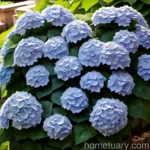
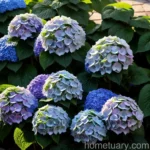
Hydrangea paniculata Fire Light is a variety of Hydrangea paniculata, a species of hydrangea native to Japan and China. This particular cultivar is celebrated for its abundant, conical flower heads that start off creamy white in mid-summer and gradually transform into shades of pink and burgundy as the season progresses. The striking color changes of the blossoms make this hydrangea a standout addition to gardens and landscapes.
Considered a showstopper in the garden, Hydrangea paniculata Fire Light is a versatile shrub that fits both contemporary and traditional garden designs. Its compact and upright growth habit makes it suitable for various landscape applications, including hedges, borders, and standalone ornamental plantings.
Key Takeaways
Before we delve into the specifics of caring for Hydrangea paniculata Fire Light, here are some key takeaways about this charming shrub:
- Botanical Name: Hydrangea paniculata Fire Light
- Common Name: Fire Light
- Flower Color: Creamy white turning to pink and burgundy
- Hardiness Zones: 3 to 8
- Mature Height: 4 to 5 feet
- Mature Spread: 3 to 4 feet
- Watering Needs: Regular watering, especially during dry periods
- Sunlight Requirements: Best in full sun to part shade
- Soil Type: Well-draining, fertile soil
- Bloom Time: Mid-summer to early fall
With these key points in mind, let’s explore the culture, uses, and care requirements for Hydrangea paniculata Fire Light in detail.
Culture
Understanding the cultural preferences of Hydrangea paniculata Fire Light is crucial for ensuring its optimal growth and blooming. From water and sunlight to soil and fertilizer, let’s explore the essential cultural aspects of caring for this delightful shrub.
Water
Hydrangea paniculata Fire Light thrives in moist but well-draining soil. Adequate water is essential, particularly during the initial establishment phase and dry spells. While the plant appreciates consistent moisture, it’s also important to avoid waterlogged conditions, as this can lead to root rot and other issues.
- Watering Tips:
- Water deeply once or twice a week, depending on the weather and soil moisture levels.
- Apply mulch around the base of the plant to help retain soil moisture and keep the roots cool.
Sunlight
In terms of sunlight requirements, Hydrangea paniculata Fire Light flourishes in full sun to part shade. However, it’s crucial to note that adequate sunlight is vital for promoting robust flowering. A site with at least six hours of direct sunlight is typically recommended for optimal bloom development.
- Sunlight Tips:
- Choose a location that receives morning sun and dappled afternoon shade to protect the plant from hot, intense sunlight.
- If growing in a hotter climate, providing some afternoon shade can help prevent stress from excessive heat.
Fertilizer
Proper fertilization can significantly impact the growth and blooming of Hydrangea paniculata Fire Light. A balanced, slow-release fertilizer formulated for flowering shrubs can provide the essential nutrients for robust growth and abundant blooms.
- Fertilizer Tips:
- Apply a balanced slow-release fertilizer in early spring before new growth emerges.
- Refrain from over-fertilizing, as excessive nutrients can lead to lush foliage at the expense of flowers.
Soil
The soil composition and quality play a pivotal role in the overall health and vitality of Hydrangea paniculata Fire Light. Well-draining, fertile soil with a slightly acidic to neutral pH is ideal for this shrub. Amending the soil with organic matter can enhance its texture and fertility, providing an excellent growing medium for the plant.
- Soil Tips:
- Conduct a soil test to determine pH and nutrient levels and amend the soil accordingly.
- Incorporate organic compost or well-rotted manure to improve soil structure and fertility.
Uses
Hydrangea paniculata Fire Light offers a multitude of uses in garden landscapes, from standalone ornamental plantings to versatile design elements. Here are some common applications for this captivating shrub:
- Stand-Alone Specimen: The striking blooms and elegant form of Hydrangea paniculata Fire Light make it a perfect choice for showcasing as a standalone specimen in the garden, where its beauty can be fully appreciated.
- Hedging: The compact growth habit and abundance of flowers make this hydrangea an excellent candidate for creating low hedges or borders, adding visual interest and seasonal color to the landscape.
- Container Planting: Its manageable size and striking blooms make Hydrangea paniculata Fire Light well-suited for container gardening, allowing for versatile placement on patios, decks, and other outdoor spaces.
- Cut Flowers: The large, showy blooms of this hydrangea are ideal for fresh and dried floral arrangements, adding a touch of elegance to indoor spaces.
With its versatility and aesthetic appeal, Hydrangea paniculata Fire Light can truly elevate the visual allure of any garden or landscape.
Pruning
Pruning is an essential aspect of maintaining the health, form, and flowering performance of Hydrangea paniculata Fire Light. Understanding the pruning requirements and techniques will help ensure that the shrub retains its shape and produces an abundance of blooms each season.
- Pruning Tips:
- Timing: Prune in late winter or early spring before new growth appears to encourage vigorous flowering and maintain a tidy form.
- Deadheading: Remove spent blooms to promote continuous flowering and prevent the plant from expending energy on seed production.
- Thinning: Periodically thin out older stems and weak growth to improve air circulation and promote new growth.
Pruning is an integral part of nurturing a healthy and flourishing Hydrangea paniculata Fire Light, and when done correctly, it can contribute to the overall beauty and vitality of the plant.
Propagation
Propagating Hydrangea paniculata Fire Light allows gardeners to expand their collection of these stunning shrubs or share them with fellow gardening enthusiasts. Several methods can be employed for propagating this cultivar, including stem cuttings, layering, and division.
- Propagation Methods:
- Stem Cuttings: Select healthy, non-flowering stem cuttings in early summer, dip the cut ends in rooting hormone, and plant them in a well-draining growing medium to root.
- Layering: Encourage new roots to develop on a low branch by bending it to the ground, securing it in place, and covering it with soil until roots form.
- Division: Divide mature plants by carefully separating the root ball into sections, ensuring that each division has sufficient roots and shoots for successful establishment.
By employing suitable propagation techniques, gardeners can propagate Hydrangea paniculata Fire Light with great success, allowing for the expansion of its presence in the garden and beyond.
Container Popularity
The compact size and elegant blooms of Hydrangea paniculata Fire Light make it a popular choice for container gardening. Whether placed on patios, balconies, or other outdoor areas, container-grown Fire Light hydrangeas can add a touch of charm and natural beauty to any space.
- Container Tips:
- Select a large container with adequate drainage holes to accommodate the shrub’s roots and provide proper drainage.
- Use a high-quality potting mix formulated for container plants to ensure optimal growth and performance.
- Regularly monitor soil moisture and water as needed, as containers can dry out more quickly than garden beds.
The container popularity of Hydrangea paniculata Fire Light underscores its versatility and adaptability in various gardening settings, offering an enchanting display of blooms in outdoor living spaces.
Common Diseases
While Hydrangea paniculata Fire Light is generally resilient, it may encounter certain diseases under unfavorable conditions. Being aware of common diseases and their management is essential for maintaining the health and vigor of this beautiful shrub.
Disease Diagnosis
Here are some prevalent diseases that may affect Hydrangea paniculata Fire Light, along with their characteristic symptoms:
- Powdery Mildew (Erysiphe polygoni): This fungal disease appears as powdery white patches on leaves and stems, often leading to distorted growth and reduced plant vigor.
- Cercospora Leaf Spot (Cercospora hydrangeae): Identified by brown or purplish spots on the leaves, this fungal disease can cause premature leaf drop and weaken the plant.
- Botrytis Blight (Botrytis cinerea): Commonly observed during periods of high humidity, this disease manifests as brown, water-soaked spots on flowers and young shoots, often leading to rapid decay.
Disease Management
To effectively manage and prevent diseases in Hydrangea paniculata Fire Light, implementing proactive measures and proper care practices is crucial:
- Cultural Practices:
- Ensure proper spacing between plants to promote air circulation and reduce humidity around the foliage.
- Avoid overhead watering to minimize moisture on leaves and stems, as excessive moisture can create favorable conditions for disease development.
- Pruning: Regularly prune and remove dead or diseased plant parts to prevent the spread of fungal and bacterial pathogens.
- Fungicide Application: In cases of severe infestations, applying an appropriate fungicide following label instructions can help control and manage fungal diseases.
By being observant and proactive in disease management, gardeners can uphold the health and vitality of Hydrangea paniculata Fire Light, mitigating the risk of disease-related stress and decline.
Common Pests
While generally resilient, Hydrangea paniculata Fire Light may encounter certain pests that can impact its health and aesthetic appeal. Identifying common pests and employing suitable control measures is essential for safeguarding the shrub from potential infestations.
Common Pests:
- Aphids (Aphidoidea): These tiny, sap-sucking insects can congregate on young shoots and flower buds, causing distortion and stunted growth.
- Spider Mites (Tetranychidae): Common during hot, dry weather, spider mites can cause stippling and webbing on leaves, leading to reduced vigor and yellowing foliage.
Pest Control Methods:
- Natural Predators: Encourage natural predators of pests, such as ladybugs and lacewings, to inhabit the garden and keep pest populations in check.
- Horticultural Oils: Apply horticultural oil to suffocate and control soft-bodied pests like aphids and spider mites while minimizing impact on beneficial insects.
- Insecticidal Soap: Utilize insecticidal soap as a targeted treatment for aphids and spider mites, ensuring thorough coverage of affected plant parts.
By implementing integrated pest management strategies and maintaining a healthy garden ecosystem, gardeners can effectively manage and mitigate pest pressure on Hydrangea paniculata Fire Light, promoting its vitality and ornamental value.
Botanist’s Tips
A deeper understanding of Hydrangea paniculata Fire Light, coupled with expert insights and practical tips, can greatly enhance the success and satisfaction of cultivating this captivating shrub. Here are some valuable botanist’s tips for cultivating and caring for Fire Light hydrangeas:
- Selective Pruning: When pruning Fire Light hydrangeas, selectively remove older stems to encourage vigorous new growth and enhance the plant’s overall appearance.
- Mulching: Apply a layer of organic mulch around the base of the shrub to conserve soil moisture, suppress weeds, and provide insulation during temperature fluctuations.
- Winter Protection: In colder climates, consider providing winter protection for Fire Light hydrangeas by applying a layer of mulch and, if necessary, wrapping the shrub with burlap to shield it from harsh weather conditions.
Implementing these expert tips can contribute to the long-term health and splendor of Hydrangea paniculata Fire Light, ensuring a vibrant and captivating display of blooms season after season.
Fun Facts
Beyond its captivating beauty and ornamental value, there are intriguing and delightful aspects of Hydrangea paniculata Fire Light that add to its charm and allure. Here are some fun facts about this exceptional shrub:
- Color Transformation: The creamy white flower heads of Fire Light hydrangeas gradually transition to shades of pink and burgundy, creating a captivating spectacle in the garden.
- Attractive to Pollinators: The abundant blooms of Fire Light hydrangeas attract various pollinators, including butterflies and bees, adding to the dynamic and vibrant ambiance of the garden.
- Versatile Cut Flowers: The large, showy blooms of Fire Light hydrangeas make them an excellent choice for cut flower arrangements, enhancing both indoor and outdoor settings with their elegance and charm.
These fun facts offer a glimpse into the enchanting appeal and multifaceted nature of Hydrangea paniculata Fire Light, further solidifying its status as a beloved and remarkable addition to garden landscapes.
Links to External Resources
For further exploration and in-depth knowledge about Hydrangea paniculata Fire Light, here are some valuable external resources:
- Hydrangea paniculata Fire Light Care Guide – The Spruce
- Hydrangea Fire Light Varieties – Proven Winners
- Growing Hydrangea paniculata Fire Light – Fine Gardening
- Hydrangea Fire Light Pruning Tips – Gardener’s Path
- Hydrangea paniculata Fire Light Diseases and Prevention – University of Maryland Extension
These resources offer a wealth of information, guidance, and expert tips to further enhance your understanding and proficiency in caring for and enjoying the enchanting beauty of Hydrangea paniculata Fire Light.
Conclusion
Hydrangea paniculata Fire Light, with its resplendent blooms and versatile nature, stands as a captivating and cherished addition to garden landscapes. By embracing the cultural nuances, uses, and care requirements of this exceptional shrub, gardeners can cultivate and savor its beauty, elegance, and vibrant allure throughout the seasons. From splendid blooms that undergo a captivating color transformation to valuable botanist’s tips and practical external resources, the journey of nurturing Fire Light hydrangeas is both rewarding and enriching, offering a delightful experience of natural beauty and horticultural splendor.
With its captivating features and endearing attributes, Hydrangea paniculata Fire Light continues to enchant and inspire, enriching garden spaces and delighting enthusiasts with its timeless allure and enduring appeal.