Hosta ‘June’ (Plantain Lily): A Comprehensive Guide for Plant Enthusiasts
Hosta ‘June’ is a popular cultivar of the genus Hosta, also known as Plantain Lily, prized for its stunning foliage and versatility in various garden settings. This comprehensive guide will delve into the essential aspects of cultivating and caring for Hosta ‘June’, including its cultural requirements, uses, ideal growing conditions, propagation techniques, common diseases and pests, and much more. Whether you are planning to incorporate Hosta ‘June’ into a shade garden, container gardening, or landscape design, this guide will provide valuable insights to ensure the successful growth and maintenance of this beloved ornamental plant.
What is Hosta ‘June’ (Plantain Lily)?
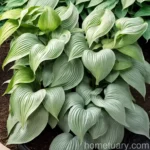
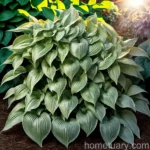
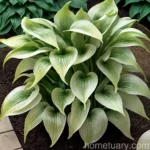
Hosta ‘June’ is a hybrid Hosta plant renowned for its striking variegated foliage and delicate lavender flowers. It is a clump-forming perennial that typically reaches a height and spread of 1-2 feet, making it an excellent choice for borders, woodland gardens, and shaded landscapes. The leaves of Hosta ‘June’ exhibit a remarkable blend of colors, featuring broad ovate-shaped blue-green leaves adorned with streaks of golden-yellow to creamy white margins, adding a touch of elegance to any outdoor space.
This cultivar is valued not only for its aesthetic appeal but also for its adaptability to diverse environmental conditions, making it a sought-after addition to gardens and landscapes across different regions. Hosta ‘June’ thrives in shaded or partially shaded areas, making it an ideal choice for gardeners looking to enhance the visual appeal of areas with limited sunlight.
Key Takeaways – Hosta ‘June’ (Plantain Lily)
Let’s explore the key aspects of cultivating and caring for Hosta ‘June’, from its cultural needs to common uses and maintenance practices.
Culture
When it comes to the culture of Hosta ‘June’, several factors play a crucial role in promoting its healthy growth and development. Understanding its cultural requirements is essential for creating an optimal environment for this beloved ornamental plant.
Uses
The versatile nature of Hosta ‘June’ makes it well-suited for a wide range of uses, from enhancing the visual appeal of shaded gardens to serving as a focal point in landscape designs. Exploring its potential applications can inspire creative garden arrangements and landscaping projects.
Water
Proper watering is essential for maintaining the vigor and vitality of Hosta ‘June’. Understanding its water needs and implementing effective watering practices are vital for ensuring its long-term health and resilience.
Sunlight
While Hosta ‘June’ thrives in shaded and partially shaded areas, understanding its sunlight requirements is key to choosing the ideal growing location and maximizing its ornamental value in garden settings.
Fertilizer
Fertilizing Hosta ‘June’ is a fundamental aspect of its care regimen, as it helps provide essential nutrients for robust growth and vibrant foliage. Knowing the right fertilization practices is essential for supporting its overall health and appearance.
Soil
The soil composition and quality significantly impact the growth and performance of Hosta ‘June’. Understanding its soil requirements is crucial for creating a conducive growing environment and fostering its long-term prosperity.
Pruning
Pruning plays a vital role in maintaining the aesthetic appeal and health of Hosta ‘June’. Implementing proper pruning techniques is essential for managing its foliage and promoting a tidy and attractive appearance.
Propagation
Knowing how to propagate Hosta ‘June’ is valuable for expanding its presence in the garden or sharing its beauty with other gardening enthusiasts. Exploring effective propagation methods can open up new possibilities for cultivating this charming ornamental plant.
Container Popularity
The container gardening appeal of Hosta ‘June’ makes it a popular choice for adding visual interest and elegance to outdoor living spaces. Understanding its suitability for container gardening can inspire creative container arrangements and design concepts.
Common Diseases
Identifying and addressing common diseases that may affect Hosta ‘June’ is crucial for protecting its health and ensuring its longevity in garden settings. Awareness of prevalent diseases enables proactive management and mitigation strategies.
Disease Diagnosis
Developing the ability to diagnose diseases afflicting Hosta ‘June’ empowers gardeners to take timely and effective measures to safeguard its well-being. Familiarity with disease symptoms and diagnostic indicators is essential for implementing targeted disease management approaches.
Common Pests
Pests can pose significant challenges to the well-being of Hosta ‘June’, necessitating vigilant pest management strategies to prevent and address potential infestations. Understanding common pests and their impact on this cultivar is essential for maintaining its health and vitality.
Botanist’s Tips
Insights from the perspective of a botanist can offer valuable guidance and recommendations for cultivating and caring for Hosta ‘June’. Harnessing expert tips and advice can enrich the gardening experience and contribute to the successful growth of this beloved ornamental plant.
Fun Facts
Exploring intriguing and noteworthy facts about Hosta ‘June’ can deepen appreciation for its unique characteristics and enrich the gardening journey with fascinating insights. Uncovering fun facts about this cultivar can spark curiosity and inspire a deeper connection with the plant.
Links to External Resources
External resources can provide supplementary information, practical tips, and helpful insights on various aspects of cultivating and caring for Hosta ‘June’. Accessing reputable external sources can broaden knowledge and support informed decision-making in plant care.
Now that we’ve outlined the key takeaways for our comprehensive guide, let’s delve into each of these aspects in detail to provide an in-depth understanding of cultivating and caring for Hosta ‘June’.
Culture
Understanding the cultural requirements of Hosta ‘June’ is essential for creating an optimal environment that promotes its robust growth and enhances its ornamental value. By paying attention to its cultural needs, gardeners can establish a nurturing environment that supports the plant’s overall health and vitality.
Soil Requirements
Hosta ‘June’ thrives in well-drained, organically rich soil with a slightly acidic to neutral pH. Loamy soil with good water-retention properties is particularly favorable for this cultivar, ensuring adequate moisture without waterlogging. When preparing the planting site, incorporating organic matter such as compost or well-rotted manure can improve soil structure and fertility, creating a conducive growing medium for Hosta ‘June’.
Moisture Needs
Maintaining consistent soil moisture is essential for the optimal growth and performance of Hosta ‘June’. While it appreciates adequate moisture, it’s crucial to prevent waterlogging, as overly wet conditions can lead to root rot and other moisture-related issues. Regular monitoring of soil moisture levels and implementing proper watering practices are fundamental for sustaining the plant’s vigor and resilience.
Shade Preference
Hosta ‘June’ exhibits a preference for shaded or partially shaded environments, making it particularly well-suited for woodland gardens, shade gardens, and areas with limited sunlight. The dappled shade provided by trees or structures creates an ideal setting for this cultivar, protecting it from intense sun exposure and allowing its vibrant foliage to thrive in a sheltered environment.
Hardiness Zones
Hosta ‘June’ is well-suited for growing in hardiness zones 3 to 9, making it adaptable to a diverse range of climatic conditions. Understanding its hardiness zone compatibility is essential for selecting the appropriate growing location and ensuring its resilience in various regional contexts.
Planting Depth
When planting Hosta ‘June’, it’s recommended to position the crown (the point where the leaves emerge from the roots) at ground level. Ensuring the proper planting depth promotes healthy establishment and encourages vigorous growth, providing the foundation for a thriving Hosta ‘June’ specimen.
Uses
Hosta ‘June’ is valued for its versatility in various garden settings and the multitude of uses it offers to gardeners and landscape enthusiasts. Exploring the diverse applications of Hosta ‘June’ can inspire creative landscaping concepts and garden designs that harness its ornamental beauty.
Landscaping
As a prominent feature in landscape design, Hosta ‘June’ adds visual interest and elegance to borders, woodland edges, and shaded areas. Its vibrant foliage and compact habit make it an attractive choice for enhancing the aesthetic appeal of garden landscapes, creating picturesque scenes that showcase the plant’s ornamental charm.
Focal Point Plant
Hosta ‘June’ can serve as a captivating focal point plant, drawing attention with its striking variegated foliage and adding a touch of sophistication to garden compositions. By strategically positioning it as a focal element, gardeners can create visually arresting displays that highlight the cultivar’s unique attributes and contribute to a captivating garden environment.
Border Plantings
In border plantings, Hosta ‘June’ excels at creating defined edges and contributing to the structure and visual flow of garden borders. Its low-growing habit and lush foliage make it a versatile choice for framing garden beds and delineating pathways, offering an appealing blend of form and function in border plantings.
Woodland Gardens
The shaded conditions of woodland gardens provide an ideal habitat for Hosta ‘June’, allowing it to thrive amid the dappled light and rich organic soil characteristic of these naturalistic settings. Incorporating Hosta ‘June’ into woodland garden designs adds textural diversity and visual allure, enriching the understory with its captivating foliage and enhancing the overall woodland ambiance.
Container Gardening
The compact size and aesthetic appeal of Hosta ‘June’ make it well-suited for container gardening, allowing gardening enthusiasts to integrate its beauty into outdoor living spaces, patios, and balconies. Cultivating Hosta ‘June’ in containers offers opportunities for creative arrangements and portable displays, making it a versatile choice for adding a touch of elegance to confined outdoor areas.
Underplantings
As an underplanting beneath trees or larger shrubs, Hosta ‘June’ contributes to the layered complexity of garden settings, creating visual depth and enriching the lower canopy with its lush foliage. Its shade tolerance and adaptability to understory conditions make it an excellent choice for underplantings, enhancing the visual appeal and ecological diversity of garden environments.
Rock Gardens
The textural contrast and visual impact of Hosta ‘June’ can be leveraged in rock gardens to introduce a softening element amidst the rugged terrain and stony substrates. Its graceful foliage and shade-loving nature make it a compelling addition to rock garden compositions, infusing gentle elegance into the rocky landscape and contributing to the harmonious interplay of elements.
Japanese Gardens
In Japanese garden designs, Hosta ‘June’ can embody the aesthetic principles of tranquility and natural beauty, enriching the contemplative spaces with its serene foliage and graceful presence. Incorporating Hosta ‘June’ into Japanese gardens introduces an element of quiet sophistication and ornamental richness, contributing to the serene ambiance and visual harmony of these meticulously curated landscapes.
Urban Settings
Even in urban environments with limited green spaces, Hosta ‘June’ can thrive in containers, courtyard gardens, and urban oases, bringing a touch of nature and visual delight to city dwellers. Its adaptability to urban settings allows for the integration of greenery and ornamental flair in compact outdoor areas, showcasing the cultivar’s versatility and resilience in urban gardening contexts.
Pollinator Attraction
While not primarily grown for its flowers, Hosta ‘June’ can still contribute to pollinator attraction, particularly with its delicate lavender blooms. The nectar and pollen provided by its flowers may appeal to pollinating insects, adding an ecological dimension to its ornamental value and promoting biodiversity in garden ecosystems.
Deer Resistance
Hosta ‘June’ exhibits moderate resistance to deer browsing, making it a suitable choice for gardens in areas frequented by deer populations. While not entirely immune to deer feeding, its relative resistance can offer a degree of protection in settings where deer pressure poses a concern for gardeners.
Slug Resistance
Slug resistance is another notable attribute of Hosta ‘June’, which can be advantageous in garden environments where slugs pose a common threat to ornamental plants. Its natural resilience to slug damage enhances its suitability for gardens and landscapes where effective slug management is essential for plant health and appearance.
Rabbit Resistance
The moderate resistance of Hosta ‘June’ to rabbit browsing makes it a practical choice for gardens facing potential damage from rabbit feeding. While rabbits may still occasionally nibble on the foliage, the cultivar’s relative resistance can help mitigate the impact of rabbit browsing in garden settings.
Low-Growing Habits
The low-growing habits of Hosta ‘June’ contribute to its versatility in landscape and garden designs, allowing for creative integration in various settings and creating opportunities for spatial definition and visual layering. Its compact form and lush foliage make it a valuable addition to garden compositions, accentuating borders, pathways, and garden beds with its charming presence.
Drought-Tolerant Qualities
Despite its preference for consistent soil moisture, Hosta ‘June’ exhibits a degree of drought tolerance once established, enabling it to endure periods of reduced rainfall or limited irrigation. Its capacity to withstand short-term drought conditions adds to its resilience and suitability for diverse climatic environments.
Long-Lasting Performance
Hosta ‘June’ offers a long-lasting performance in garden settings, providing enduring ornamental value and consistent visual appeal throughout the growing season. Its robust growth and persistent foliage contribute to its enduring presence in the garden, enriching outdoor spaces with its lasting performance and aesthetic allure.
Shade-Loving Plant
As a shade-loving plant, Hosta ‘June’ thrives in shaded or partially shaded environments, thriving in conditions with limited direct sunlight. Its natural inclination towards shade adaptation makes it an appealing choice for shaded gardens and woodland landscapes, offering a compelling ornamental option for areas with subdued light.
Accent Plant Options
In garden compositions, Hosta ‘June’ serves as an effective accent plant, punctuating the landscape with its vibrant foliage and contributing to the visual dynamics of garden designs. Its capacity to function as an accent plant allows for creative expression and artistic arrangement, enhancing garden aesthetics with its decorative presence.
Water
Proper watering practices are essential for maintaining the vigor and health of Hosta ‘June’, ensuring adequate moisture without waterlogging or drought stress. By understanding its water needs and implementing effective watering techniques, gardeners can provide optimal hydration for this beloved ornamental plant.
Watering Frequency
During the growing season, regular watering is crucial to sustain the moisture requirements of Hosta ‘June’. Depending on environmental conditions and soil moisture levels, it’s essential to monitor the plant’s hydration needs and water as needed to prevent soil dryness.
Soil Moisture Monitoring
Regularly checking soil moisture levels around Hosta ‘June’ provides valuable insights into its hydration status and helps guide watering decisions. The use of moisture meters or manual soil checks can aid in assessing the moisture content and determining the timing and volume of watering required.
Watering Method
Applying water directly to the soil around the base of the plant is the preferred method for watering Hosta ‘June’. This targeted approach delivers water where it is most needed, promoting effective absorption by the roots and minimizing water loss through surface evaporation.
Avoiding Waterlogging
Preventing waterlogging is essential for preserving the health and vitality of Hosta ‘June’, as excessively wet conditions can lead to root suffocation and susceptibility to root-related diseases. Ensuring proper drainage and avoiding standing water around the plant are critical for preventing waterlogging issues.
Drought Tolerance
While Hosta ‘June’ appreciates regular moisture, it exhibits a degree of drought tolerance once established, allowing it to withstand temporary periods of reduced rainfall or infrequent irrigation. This inherent resilience to short-term drought conditions contributes to its adaptability and long-term sustainability in garden settings.
Sunlight
Understanding the sunlight preferences of Hosta ‘June’ is essential for choosing the ideal growing location and creating a conducive environment that supports its aesthetic and horticultural value. By aligning with its sunlight requirements, gardeners can optimize the plant’s performance and ornamental appeal in garden settings.
Shade Tolerance
Hosta ‘June’ is esteemed for its shade tolerance, thriving in shaded or partially shaded environments characterized by limited direct sunlight. Its ability to flourish in the subdued light of shaded areas makes it a valuable addition to shade gardens, woodland landscapes, and other settings where shade-loving plants are favored.
Partial Sun Exposure
While Hosta ‘June’ excels in shaded conditions, it can also tolerate moderate levels of indirect sunlight, such as dappled light filtering through the canopy of trees or diffused sunlight in partially shaded locations. Its adaptability to partial sun exposure expands its suitability for various garden settings with varying light intensities.
Sun Avoidance
Hosta ‘June’ generally avoids direct exposure to intense sunlight, particularly during the peak hours of the day when the sun’s rays are most potent. Protecting it from prolonged sun exposure helps prevent leaf scorch and maintains the integrity and aesthetic appeal of its foliage.
Sunlight Moderation
Moderating sunlight exposure by providing dappled or filtered light can help create an optimal environment for Hosta ‘June’, allowing it to benefit from the gentle illumination of indirect sunlight while avoiding the potential detrimental effects of harsh sun exposure.
Foliage Protection
Shielding Hosta ‘June’ from intense sunlight protects its delicate foliage and mitigates the risk of sun-related stress or damage. By incorporating it into shaded areas or providing light moderation, gardeners can safeguard the plant’s leaves and uphold its visual allure throughout the growing season.
Fertilizer
Fertilizing Hosta ‘June’ is a fundamental aspect of its care regimen, providing essential nutrients that support robust growth, vibrant foliage, and overall plant health. By adhering to proper fertilization practices, gardeners can enhance the ornamental value and vitality of this beloved ornamental plant.
Nutrient Requirements
Hosta ‘June’ benefits from a balanced supply of essential nutrients, including nitrogen, phosphorus, and potassium, to support its growth and development. Understanding its nutrient requirements is essential for selecting suitable fertilizers and ensuring comprehensive nutritional support for the plant.
Slow-Release Fertilizers
Incorporating slow-release fertilizers into the care routine of Hosta ‘June’ offers a gradual and sustained release of nutrients, providing continuous nourishment for the plant over an extended period. This approach to fertilization promotes steady growth and helps maintain the vigor and vitality of the cultivar.
Application Timing
Fertilizing Hosta ‘June’ in early spring, as new growth emerges, and again in midsummer can provide targeted nutrient supplementation at key stages of its growth cycle. By timing fertilizer applications to coincide with the plant’s active growth phases, gardeners can optimize the uptake and utilization of essential nutrients.
Fertilizer Dilution
Diluting fertilizers to the recommended concentration helps prevent the risk of over-fertilization and minimizes the potential for nutrient imbalances or excessive salt accumulation in the soil. Following proper fertilizer dilution guidelines supports the prudent application of nutrients and safeguards the plant’s well-being.
Organic Fertilizers
The use of organic fertilizers offers a natural and sustainable approach to nourishing Hosta ‘June’, providing a source of slow-release nutrients and enriching the soil with organic matter. Incorporating organic fertilizers can contribute to soil health and microbial activity, fostering a conducive environment for the plant’s growth.
Liquid Fertilizers
Supplementing Hosta ‘June’ with liquid fertilizers can deliver rapid nutrient uptake and support its immediate nutritional needs. Liquid fertilizers offer a convenient and efficient means of nourishing the plant, providing readily available nutrients to promote robust growth and vibrant foliage.
Soil
The soil composition and quality significantly influence the growth and performance of Hosta ‘June’, shaping its nutrient uptake, moisture retention, and overall well-being. Understanding its soil requirements and implementing effective soil management practices are crucial for establishing a nurturing environment that enhances the plant’s ornamental appeal.
Soil pH
Maintaining a slightly acidic to neutral pH range is conducive to the growth and vitality of Host