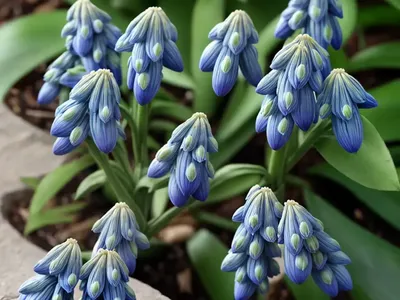
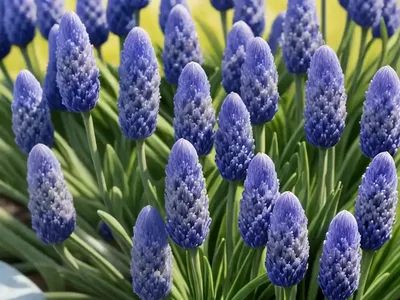
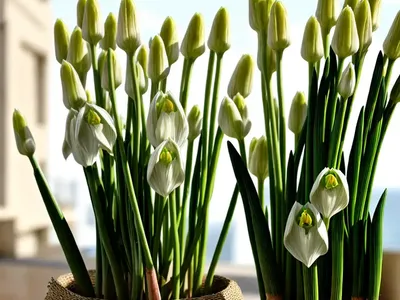
Hyacinthus Orientalis ‘White Pearl’ (Dutch Hyacinth)
Hyacinthus orientalis ‘White Pearl’, commonly known as the Dutch Hyacinth, is a beautiful flowering plant that belongs to the Asparagaceae family. It is.
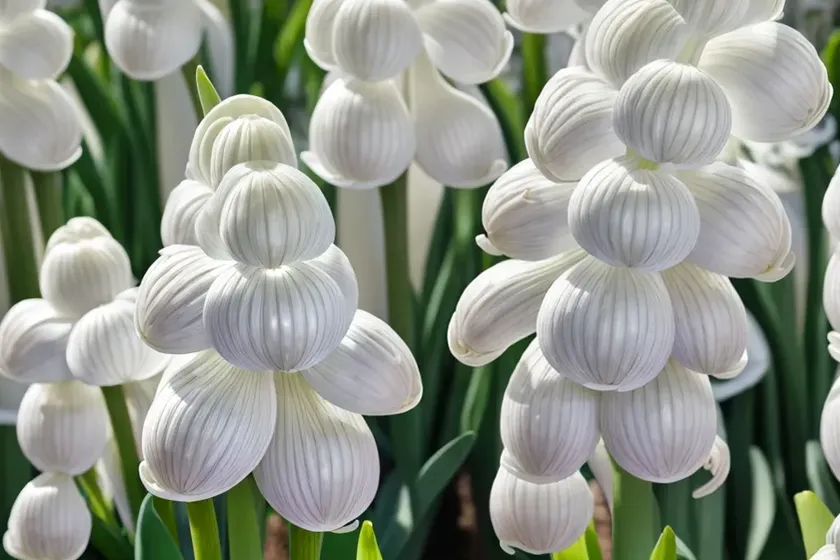
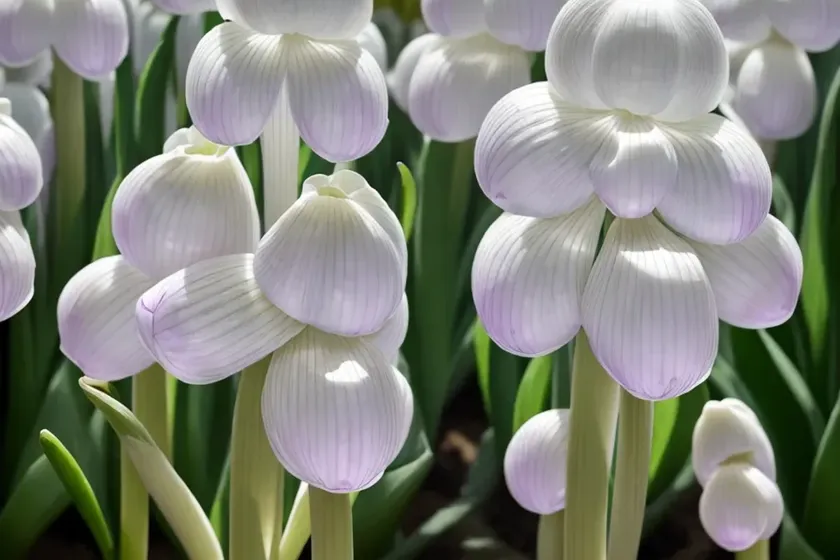
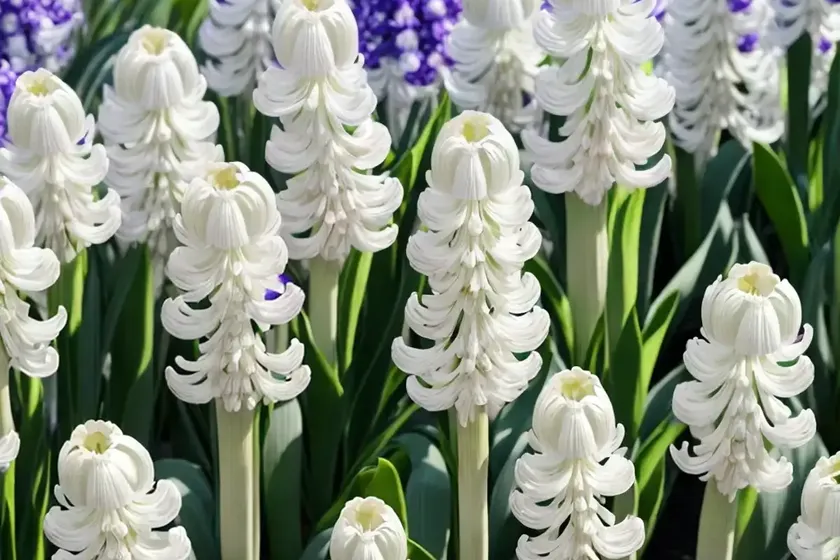
Hyacinthus orientalis ‘White Pearl’, commonly known as the Dutch Hyacinth, is a beautiful flowering plant that belongs to the Asparagaceae family. It is renowned for its fragrant white flowers and is popular in gardens and landscapes around the world. In this comprehensive guide, we will explore the various aspects of this delightful plant, including its cultural requirements, uses, maintenance, and propagation techniques.
What is Hyacinthus orientalis ‘White Pearl’?
Hyacinthus orientalis ‘White Pearl’ is a bulbous perennial plant that is native to the eastern Mediterranean region, particularly Turkey and Syria. It is a member of the Hyacinthaceae family and is known for its dense spikes of fragrant flowers, which are often used in floral arrangements and perfumery. The plant typically grows to a height of 6-10 inches (15-25 cm) and blooms in spring, adding a touch of elegance and fragrance to the garden.
This plant is renowned for its striking appearance and captivating fragrance, making it a popular choice among gardeners and flower enthusiasts. The ‘White Pearl’ variety, in particular, is prized for its pristine white blooms, which symbolize purity and beauty.
Key Takeaways – Hyacinthus orientalis ‘White Pearl’ (Dutch Hyacinth)
Before delving into the specific care and maintenance aspects of Hyacinthus orientalis ‘White Pearl’, let’s summarize some key takeaways about this plant:
- Botanical Name: Hyacinthus orientalis ‘White Pearl’
- Common Name: Dutch Hyacinth
- Family: Asparagaceae
- Native Habitat: Eastern Mediterranean region
- Flower Color: White
- Fragrance: Sweet and intense
- Bloom Time: Spring
- Uses: Ornamental, floral arrangements, perfumery
- Growth Height: 6-10 inches (15-25 cm)
- Special Features: Fragrant, elegant blooms
With these key points in mind, let’s explore the various aspects of cultivating and caring for Hyacinthus orientalis ‘White Pearl’.
Culture
Uses
The Dutch Hyacinth, with its fragrant and visually stunning blooms, serves several purposes in horticulture and beyond:
-
Ornamental Planting: Hyacinthus orientalis ‘White Pearl’ is widely planted for its aesthetic appeal. Whether grown in garden beds, containers, or naturalized in lawns, the plant adds a touch of elegance and fragrance to any setting.
-
Floral Arrangements: The cut flowers of Hyacinthus orientalis ‘White Pearl’ are highly prized for floral arrangements. Their intoxicating fragrance and exquisite appearance make them a popular choice for creating indoor bouquets and centerpieces.
-
Perfumery: The essential oils extracted from Hyacinthus orientalis ‘White Pearl’ are used in the production of perfumes and fragrances. The sweet and intense scent of the flowers adds depth and complexity to various perfumes and scented products.
Water
Hyacinthus orientalis ‘White Pearl’ has moderate water needs. Adequate moisture is essential for the plant to develop healthy blooms and foliage. However, it is important to avoid overwatering, as excessive moisture can lead to bulb rot and other issues. Here are some guidelines for watering Dutch Hyacinth ‘White Pearl’:
-
Watering Frequency: During the growing season, water the plant regularly, ensuring that the soil is consistently moist but not waterlogged. Allow the soil to dry slightly between waterings to prevent waterlogged conditions.
-
Avoid Overhead Watering: When watering Hyacinthus orientalis ‘White Pearl’, it is advisable to water the soil directly, avoiding wetting the foliage and flowers. This helps prevent fungal diseases and maintains the overall health of the plant.
-
Reduced Watering after Blooming: After the blooming period, gradually reduce the watering frequency to allow the plant to enter a dormant phase. During this time, the bulb can conserve energy for the next growing season.
Sunlight
Hyacinthus orientalis ‘White Pearl’ thrives in bright, indirect light. When selecting a planting location, consider the following sunlight requirements for optimal growth and flowering:
-
Partial Sun to Partial Shade: Dutch Hyacinth ‘White Pearl’ prefers a location with partial sun to partial shade. This ensures that the plant receives adequate light without being exposed to intense, direct sunlight, especially during the peak of the day.
-
Morning Sun and Afternoon Shade: Providing morning sunlight and afternoon shade can be beneficial for Hyacinthus orientalis ‘White Pearl’, as it minimizes the risk of heat stress and sunburn on the foliage and flowers.
-
Indoor Cultivation: If grown indoors, ensure that Hyacinthus orientalis ‘White Pearl’ receives bright, indirect light throughout the day. Placing the plant near a sunny window or providing supplemental grow lights can support healthy growth and blooming.
Fertilizer
To promote vigorous growth and abundant flowering, it is essential to provide appropriate fertilization for Hyacinthus orientalis ‘White Pearl’. Here are some guidelines for fertilizing this plant:
-
Bulb Fertilizer: Before planting the bulbs, enrich the soil with a balanced bulb fertilizer or a specific formulation designed for flowering bulbs. This provides the necessary nutrients for the initial stages of growth and establishment.
-
Fertilizing Established Plants: Once the Dutch Hyacinth ‘White Pearl’ begins actively growing, apply a balanced liquid fertilizer or a granular formulation designed for flowering plants. Follow the manufacturer’s recommendations for dilution and application frequency.
-
Timing of Fertilization: Fertilize Hyacinthus orientalis ‘White Pearl’ in early spring as soon as new growth emerges. Avoid fertilizing the plant after the blooming period to allow the foliage to naturally senesce and the bulb to enter dormancy.
-
Avoid Overfertilization: Exercise caution to avoid overfertilizing, as excessive nutrients can lead to lush foliage at the expense of blooming. Follow the recommended application rates and avoid applying fertilizer directly to the bulbs or foliage.
Soil
The soil conditions play a crucial role in the growth and well-being of Hyacinthus orientalis ‘White Pearl’. Here are the preferred soil characteristics for planting and cultivating this exquisite bulbous plant:
-
Well-Draining Soil: Dutch Hyacinth ‘White Pearl’ thrives in well-draining soil that allows excess moisture to flow away from the root zone. Avoid planting the bulbs in heavy clay soil or waterlogged areas, as this can lead to bulb rot and other issues.
-
Loamy or Sandy Soil: The plant performs well in loamy or sandy soil types, which offer good aeration and drainage. If the native soil is heavy or compacted, amending it with organic matter such as compost, peat moss, or well-aged manure can improve its structure and drainage.
-
pH Range: Hyacinthus orientalis ‘White Pearl’ prefers a slightly acidic to neutral soil pH in the range of 6.0 to 7.0. Conduct a soil test to assess the pH level and make adjustments using appropriate amendments if necessary.
-
Container Media: When growing Dutch Hyacinth ‘White Pearl’ in containers, use a well-draining potting mix specifically formulated for bulbs or flowering plants. This provides the ideal growing medium and supports healthy root development.
Pruning
Pruning and maintenance practices are essential for enhancing the longevity and vitality of Hyacinthus orientalis ‘White Pearl’. Proper pruning not only improves the plant’s appearance but also eliminates dead or diseased foliage, reducing the risk of pests and diseases. Here’s an overview of key pruning practices for Dutch Hyacinth ‘White Pearl’:
-
Deadheading: After the blooming period, promptly remove the faded flowers by gently snipping the flowering stalk at the base. Deadheading prevents the plant from expending energy on seed production and encourages the development of strong bulbs for the next season.
-
Foliage Maintenance: Allow the foliage of Hyacinthus orientalis ‘White Pearl’ to naturally senesce and turn yellow after flowering. Refrain from prematurely removing or cutting back the foliage, as the leaves continue to photosynthesize and nourish the bulb for the following year’s growth.
-
Disease and Pest Management: While inspecting the plant during the growing season, promptly remove any discolored, spotted, or damaged foliage. This helps prevent the spread of diseases and discourages pest infestations, promoting overall plant health.
-
Division and Replanting: Over time, clumps of Hyacinthus orientalis ‘White Pearl’ may become congested, leading to reduced flowering and vigor. To rejuvenate the plant, consider lifting and dividing the bulbs every few years, replanting the healthy divisions in fresh soil.
Propagation
Propagating Hyacinthus orientalis ‘White Pearl’ allows gardeners to expand their bulb collection and share the beauty of this plant with others. The primary propagation method for Dutch Hyacinth ‘White Pearl’ is through bulb division. Here’s how to propagate this lovely plant:
Division:
-
Timing: The best time to divide Hyacinthus orientalis ‘White Pearl’ bulbs is in late summer to early autumn, just before the planting season for bulbs. This allows the divided bulbs to establish new roots before the onset of winter.
-
Lifting and Separation: Carefully lift the clumps of Dutch Hyacinth ‘White Pearl’ from the soil, taking care not to damage the bulbs. Gently shake off the excess soil and separate the individual bulbs, ensuring that each division has healthy roots and sufficient energy reserves.
-
Replanting: After division, replant the bulbs at the appropriate depth and spacing in a well-prepared planting bed or container. Provide adequate moisture and monitor the newly divided plants to ensure successful establishment.
-
Aftercare: Following division and replanting, maintain regular watering and provide appropriate cultural care to support the growth of the divided bulbs. These divisions will grow and bloom in subsequent seasons, gradually expanding the display of Hyacinthus orientalis ‘White Pearl’ in the garden.
Container Popularity
The container gardening trend has gained significant popularity, offering versatility and flexibility in cultivating a wide range of plants, including Hyacinthus orientalis ‘White Pearl’. Here are some key aspects of growing Dutch Hyacinth ‘White Pearl’ in containers:
-
Decorative Displays: Planting Hyacinthus orientalis ‘White Pearl’ in containers allows for stunning and portable displays of fragrant spring blooms. The elegant white flowers and captivating fragrance make this plant an excellent choice for container gardens on patios, balconies, and outdoor living spaces.
-
Space Optimization: Container gardening provides an opportunity to grow Dutch Hyacinth ‘White Pearl’ in spaces where traditional ground planting may be challenging, such as urban environments, small yards, or areas with unsuitable soil conditions.
-
Indoor Cultivation: For individuals with limited outdoor space, growing Hyacinthus orientalis ‘White Pearl’ in containers indoors can bring the beauty and fragrance of spring into the home. Select a bright location with indirect sunlight and provide appropriate care for the container-grown plants.
-
Seasonal Rotation: Containers offer the flexibility to rearrange and redesign the garden display throughout the year. After the blooming period, the containers can be refreshed with other seasonal plants, extending the visual interest of the garden.
Common Diseases
Hyacinthus orientalis ‘White Pearl’ is generally resilient to diseases, but occasional issues may arise, particularly under unfavorable growing conditions. Understanding the common diseases that can affect Dutch Hyacinth ‘White Pearl’ is important for proactive management and prevention. Here are some prevalent diseases and their management strategies:
1. Botrytis Blight (Gray Mold):
- Symptoms: Grayish fungal growth on flowers and foliage, water-soaked spots, bud rot.
- Management: Improve air circulation, avoid overhead watering, remove and discard infected plant parts, apply fungicidal sprays if necessary.
2. Basal Rot:
- Symptoms: Soft, decaying basal plate of the bulb, foul odor, yellowing and wilting foliage.
- Management: Plant bulbs in well-draining soil, avoid waterlogging, discard infected bulbs, sanitize tools and containers.
3. Viral Diseases:
- Symptoms: Mottled or distorted foliage, stunted growth, reduced flowering.
- Management: Control insect vectors, remove and destroy infected plants, prevent cross-contamination through sanitization.
4. Fungal Leaf Spots:
- Symptoms: Small, dark spots on the foliage, potential yellowing and defoliation.
- Management: Improve air circulation, avoid overhead watering, remove and destroy infected leaves, apply fungicidal treatments as needed.
Disease Diagnosis
Diagnosing diseases in Hyacinthus orientalis ‘White Pearl’ involves careful observation and identification of symptoms. When encountering potential disease issues, consider the following diagnostic steps:
-
Visual Inspection: Examine the plant for any unusual symptoms, including discoloration, spots, wilting, or abnormal growth patterns.
-
Symptom Analysis: Take note of the specific symptoms observed and any patterns of occurrence, such as localized lesions or widespread issues.
-
Environmental Assessment: Consider the environmental conditions, including moisture levels, sunlight exposure, and soil quality, to evaluate the potential impact on plant health.
-
Pathogen Identification: If necessary, seek assistance from a plant pathologist or extension service to identify potential pathogens responsible for the observed symptoms.
-
Control Measures: Based on the diagnosis, implement appropriate disease management strategies, including cultural practices, sanitation, and targeted treatments.
Common Pests
While Dutch Hyacinth ‘White Pearl’ is relatively resistant to pest infestations, it can occasionally be affected by certain insects. Recognizing and addressing common pests in a timely manner is crucial for maintaining the health and vigor of the plant. Here are some notable pests that may affect Hyacinthus orientalis ‘White Pearl’ and their management strategies:
1. Bulb Mites:
- Symptoms: Discolored or distorted foliage, stunted growth, reduced flowering, damaged bulbs.
- Management: Inspect bulbs before planting, discard infested bulbs, improve soil drainage, apply horticultural oils as a preventive measure.
2. Narcissus Bulb Fly:
- Symptoms: Larvae feeding on bulb tissues, damage to bulb scales, wilting and decline of foliage.
- Management: Remove and destroy infested bulbs, use insecticidal treatments if necessary, maintain clean garden practices.
3. Slugs and Snails:
- Symptoms: Irregular holes in foliage, slime trails, feeding damage on tender plant parts.
- Management: Implement physical barriers, such as copper tape, encourage natural predators, apply baits or barriers as needed.
4. Aphids:
- Symptoms: Clusters of soft-bodied insects on tender shoots, honeydew excretion, distorted growth.
- Management: Encourage beneficial insects, hose off aphids with water, utilize insecticidal soaps or oils if populations become problematic.
Botanist’s Tips
As a plant scientist deeply passionate about horticulture and the cultivation of flowering plants, here are some valuable tips for effectively caring for Hyacinthus orientalis ‘White Pearl’:
-
Plant Bulb Depth: When planting Dutch Hyacinth ‘White Pearl’ bulbs, ensure that they are placed at a depth approximately 3 times the diameter of the bulb. Proper planting depth supports optimal root development and stability.
-
Supporting Pollinators: Encourage pollinating insects, such as bees and butterflies, by incorporating a diverse range of flowering plants in the garden. The pollinators contribute to the overall health and biodiversity of the garden ecosystem.
-
Mulching Benefits: Apply a layer of organic mulch around Dutch Hyacinth ‘White Pearl’ to conserve soil moisture, suppress weeds, and provide insulation to the bulbs during temperature fluctuations.
-
Companion Planting: Pairing Hyacinthus orientalis ‘White Pearl’ with complementary plants, such as early-blooming perennials or low-growing ground covers, creates visually appealing garden compositions and extends the seasonal interest.
-
Soil Testing: Periodically conduct soil tests to assess the nutrient levels and pH balance. This information guides the application of targeted fertilizers and soil amendments for optimal plant growth.
-
Winter Protection: In regions with harsh winters, consider providing insulation or protective coverings for Dutch Hyacinth ‘White Pearl’ to shield the bulbs from extreme cold and fluctuations in temperature.
-
Garden Design Considerations: Integrate Hyacinthus orientalis ‘White Pearl’ into garden designs that emphasize color contrasts, textural diversity, and seasonal dynamics, creating captivating visual displays.
-
Educational Outreach: Share the beauty and knowledge of Hyacinthus orientalis ‘White Pearl’ with fellow gardening enthusiasts, community groups, and educational institutions through workshops and presentations.
Fun Facts
Hyacinthus orientalis ‘White Pearl’ is not only a captivating ornamental plant but also holds various fascinating traits and historical significance. Here are some fun facts about this delightful Dutch Hyacinth:
-
Cultural Symbolism: In Victorian floriography, the hyacinth symbolizes sport or play, adding a touch of symbolic meaning to its charming presence in floral arrangements.
-
Etymological Origins: The genus name “Hyacinthus” is derived from Greek mythology, referencing the beautiful youth Hyacinth, and the species epithet “orientalis” refers to the plant’s eastern Mediterranean origins.
-
Fragrant Essence: The sweet and intense fragrance of Hyacinthus orientalis ‘White Pearl’ has been celebrated for centuries, inspiring poets, artists, and perfumers alike.
-
Historical Cultivation: Dutch Hyacinth ‘White Pearl’ has been cultivated since the 17th century, with bulb breeders continually developing new varieties with unique colors and characteristics.
-
Springtime Elegance: The blooming of Hyacinthus orientalis ‘White Pearl’ heralds the arrival of spring, bringing a sense of renewal and exuberance to the garden landscape.
Links to External Resources
For further exploration of Hyacinthus orientalis ‘White Pearl’ and related horticultural topics, consider the following external resources:
- Royal Horticultural Society (RHS) – Growing Hyacinths
- University of Minnesota Extension – Planting and Storing Bulbs
- American Society for the Prevention of Cruelty to Animals (ASPCA) – Toxic and Non-Toxic Plants: Hyacinth
- Gardenia – Hyacinthus orientalis ‘White Pearl’ (Common Hyacinth)
- Missouri Botanical Garden – Hyacinthus orientalis
In conclusion, Hyacinthus orient