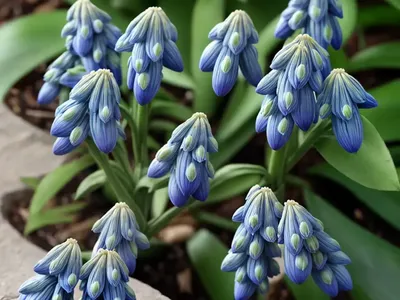
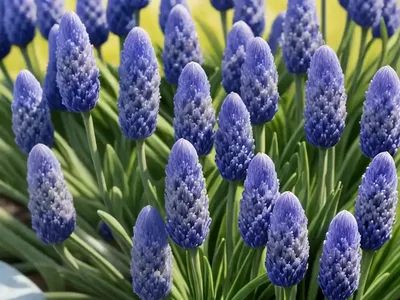
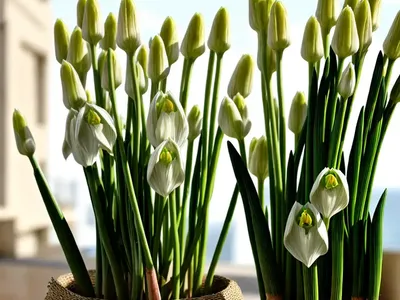
Hyacinthus Orientalis ‘Aiolos’ (Dutch Hyacinth)
Hyacinthus orientalis ‘Aiolos’, commonly known as Dutch Hyacinth, is a delightful plant that belongs to the family Asparagaceae. The ‘Aiolos’ variety is.
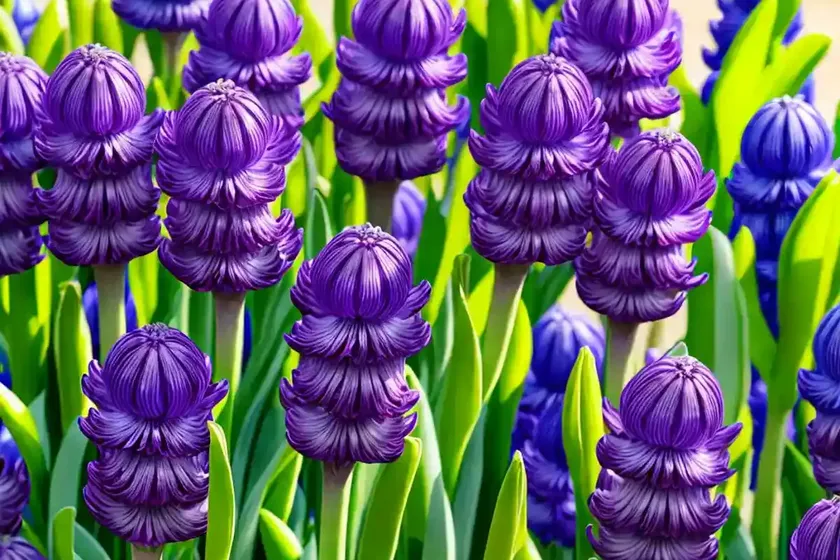
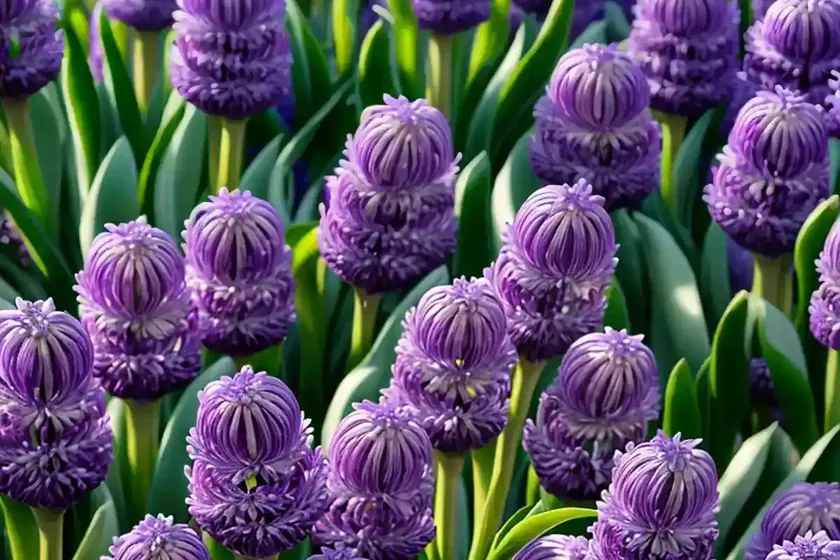
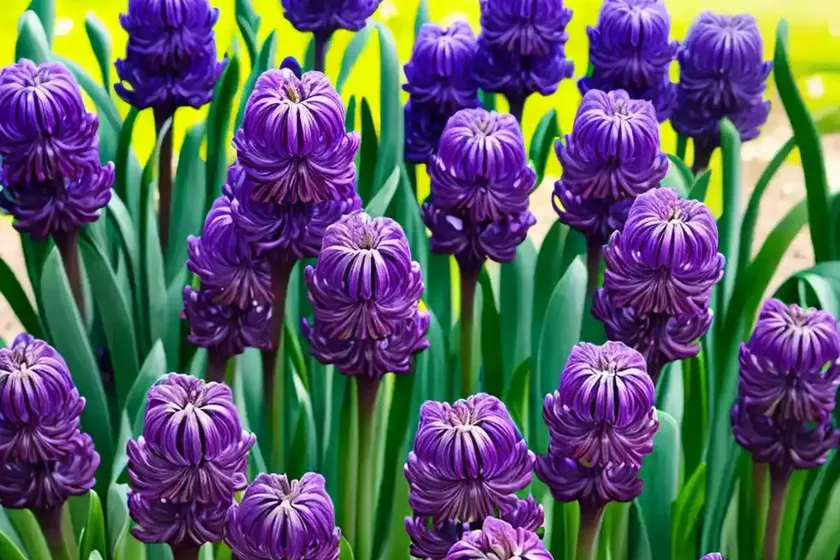
Introduction to Hyacinthus orientalis ‘Aiolos’
Hyacinthus orientalis ‘Aiolos’, commonly known as Dutch Hyacinth, is a delightful plant that belongs to the family Asparagaceae. The ‘Aiolos’ variety is cherished for its captivating fragrance, making it a popular choice for gardens and indoor settings. Whether you are an experienced gardener or a beginner, understanding the intricacies of caring for Dutch Hyacinth ‘Aiolos’ can contribute to the successful cultivation of this splendid plant. In this comprehensive guide, we will delve into the various aspects of ‘Aiolos’ to provide you with insightful information on its cultivation, maintenance, and utilization. From understanding its cultural requirements to learning about its diseases and pests, this guide will equip you with the knowledge needed to nurture and enjoy the beauty of Hyacinthus orientalis ‘Aiolos’.
Key Takeaways – Hyacinthus orientalis ‘Aiolos’
Before we venture into the detailed aspects of Dutch Hyacinth ‘Aiolos’, let’s summarize the key takeaways:
- Plant Name: Hyacinthus orientalis ‘Aiolos’ (Dutch Hyacinth)
- Common Name: Dutch Hyacinth ‘Aiolos’
- Family: Asparagaceae
- Fragrance: Delightful and captivating
- Popular Uses: Garden decoration, indoor cultivation, and cut flower arrangements
- Notable Characteristics: Fragrant blooms, vibrant colors, and easy maintenance
Now, let’s embark on an exploration of the various facets of Hyacinthus orientalis ‘Aiolos’, ranging from its cultural requirements to its propagation and common diseases.
Cultivation of Hyacinthus orientalis ‘Aiolos’
Water
Watering is a crucial aspect of Dutch Hyacinth ‘Aiolos’ care. Proper moisture management contributes to the health and vigor of the plant, ensuring optimal growth and vibrant blooms. Here’s a detailed overview of the watering requirements for ‘Aiolos’:
- Water Needs: Dutch Hyacinth ‘Aiolos’ thrives in well-drained soil. Adequate moisture is essential, especially during the active growth period and flowering stage. However, it is important to prevent waterlogging, which can lead to root rot.
- Watering Schedule: During the growing season, maintain a consistent watering schedule, ensuring that the soil remains moist but not waterlogged. Adjust the frequency of watering based on the environmental conditions, such as temperature and humidity.
- Watering Techniques: When watering Dutch Hyacinth ‘Aiolos’, aim to moisten the soil evenly. Avoid overhead watering, as it can lead to issues such as fungal diseases. Instead, direct the water at the base of the plant to minimize water contact with the foliage and flowers.
Sunlight
Proper exposure to sunlight is essential for the growth and development of Hyacinthus orientalis ‘Aiolos’. Here are the key considerations related to sunlight requirements:
- Sunlight Needs: ‘Aiolos’ thrives in areas with full to partial sunlight. It is important to provide the plant with at least 6-8 hours of direct sunlight each day for optimal growth and flowering.
- Sunlight Intensity: While Dutch Hyacinth ‘Aiolos’ appreciates bright sunlight, it is also vital to protect the plant from harsh, intense sunlight, particularly during the hottest part of the day. Partial shade can be beneficial in regions with scorching summers.
Fertilizer
Proper nutrition is essential for the vitality and blooming of Hyacinthus orientalis ‘Aiolos’. Understanding the fertilizer requirements and application practices can significantly impact the plant’s overall health. Here’s an overview of the fertilization needs for ‘Aiolos’:
- Fertilizer Type: Choose a well-balanced, water-soluble fertilizer that is specifically formulated for flowering bulbs. Look for a fertilizer with a balanced NPK ratio to support healthy foliage growth and vibrant blooms.
- Fertilizing Schedule: Start fertilizing Dutch Hyacinth ‘Aiolos’ in early spring when the foliage begins to emerge. Apply the fertilizer according to the manufacturer’s instructions, ensuring that it is distributed evenly around the base of the plant.
- Additional Considerations: After the blooming period, gradually reduce the frequency of fertilization to support the plant’s transition into the dormancy phase. Avoid over-fertilization, as it can lead to excessive foliage growth at the expense of flower production.
Soil
The soil composition and quality play a critical role in the successful cultivation of Dutch Hyacinth ‘Aiolos’. Understanding the ideal soil conditions and making necessary amendments can create a conducive environment for the plant to thrive. Here’s an overview of the soil requirements for ‘Aiolos’:
- Soil Type: Well-draining, loamy soil with good aeration is ideal for Dutch Hyacinth ‘Aiolos’. Avoid heavy, compacted soils that retain excessive moisture, as they can lead to root rot and fungal issues.
- Soil Amendments: If your garden soil is not well-draining, consider incorporating organic matter such as compost or peat moss to improve its structure and drainage capabilities. This helps create an optimal growing environment for ‘Aiolos’.
- Soil pH: Dutch Hyacinth ‘Aiolos’ thrives in slightly acidic to neutral soil with a pH range of 6.0-7.0. Conduct a soil test to assess the pH levels and make necessary adjustments using suitable amendments.
Pruning and Deadheading
Proper pruning and deadheading practices contribute to the overall appearance and health of Dutch Hyacinth ‘Aiolos’. Here’s a detailed overview of the pruning and deadheading guidelines:
- Pruning: As the blooms fade and the foliage starts to yellow, carefully trim the flower stalks to prevent seed formation. This encourages the plant to focus its energy on bulb development and strengthens its reserves for the following growing season.
- Deadheading: Regularly remove faded or spent flowers to maintain the plant’s aesthetic appeal and prevent the formation of seeds. Deadheading also redirects the plant’s energy into bulb development and promotes the production of new flower spikes.
Propagation of Hyacinthus orientalis ‘Aiolos’
Propagation of Dutch Hyacinth ‘Aiolos’ is an exciting aspect of its cultivation, allowing you to expand your collection and share the beauty of this plant with others. Here’s an overview of the propagation techniques for ‘Aiolos’:
- Division: One of the most common methods of propagating Hyacinthus orientalis ‘Aiolos’ is through bulb division. Once the plant completes its flowering and foliage cycle, carefully dig up the bulbs and divide them into smaller offsets, ensuring that each division retains its roots and a portion of the basal plate.
- Timing: The ideal time for bulb division is in late spring or early summer, after the foliage has withered. This allows the newly divided bulbs to establish themselves before the arrival of the dormant period.
- Replanting: After dividing the bulbs, replant them in prepared soil, ensuring that they are positioned at the appropriate depth and spacing. Water the newly planted bulbs thoroughly to facilitate the establishment process.
Container Cultivation of Dutch Hyacinth ‘Aiolos’
For individuals with limited garden space or those seeking to adorn their indoor environments with the beauty of ‘Aiolos’, container cultivation is a fantastic option. Here’s a detailed overview of cultivating Dutch Hyacinth ‘Aiolos’ in containers:
- Container Selection: Choose a spacious, well-draining container with adequate drainage holes to prevent waterlogging. The container should allow for sufficient root development and accommodate the growth of the bulbs.
- Potting Mix: Opt for a high-quality, well-draining potting mix that is specifically formulated for bulbs and flowering plants. This provides the necessary support and nutrition for Dutch Hyacinth ‘Aiolos’ to thrive in a container environment.
- Placement: Position the container in an area that receives ample sunlight, such as a sunny windowsill or a well-lit balcony. Ensure that the plant receives adequate ventilation and is protected from extreme weather conditions.
- Watering and Maintenance: Monitor the moisture levels in the container, ensuring that the soil remains consistently moist but not waterlogged. Regularly check for signs of pests or diseases, and provide appropriate care based on the plant’s needs.
Popularity of Dutch Hyacinth ‘Aiolos’
The allure of Hyacinthus orientalis ‘Aiolos’ has contributed to its widespread popularity among gardening enthusiasts and flower aficionados. Its captivating fragrance, vibrant blooms, and versatile uses have established it as a cherished plant in various settings. Whether used in garden landscapes, indoor displays, or floral arrangements, ‘Aiolos’ continues to captivate hearts with its beauty and elegance.
Common Diseases of Hyacinthus orientalis ‘Aiolos’
Dutch Hyacinth ‘Aiolos’, like many plants, is susceptible to certain diseases and infections that can impact its health and vigor. Understanding these common diseases and their management is crucial for maintaining the plant’s well-being. Here are some of the prevalent diseases that can affect ‘Aiolos’:
- Botrytis Blight: This fungal disease, caused by the pathogen Botrytis cinerea, can lead to the development of gray mold on the foliage and flowers of Dutch Hyacinth ‘Aiolos’. Proper airflow, adequate spacing, and careful moisture management can help mitigate the risk of botrytis blight.
- Basal Rot: Fusarium species can cause basal rot in Hyacinthus orientalis ‘Aiolos’, leading to the decay of the bulb’s basal plate and surrounding tissues. Avoid overwatering and ensure proper soil drainage to prevent the onset of basal rot. Discard severely infected bulbs, and refrain from planting new bulbs in the same location.
- Viral Infections: Viral diseases, such as mosaic virus, can manifest as abnormal patterns or discoloration on the foliage of ‘Aiolos’. There are no specific cures for viral infections, so prevention and early detection are crucial. Implementing strict hygiene practices and promptly removing and disposing of infected plant material can help mitigate the spread of viral diseases.
Disease Diagnosis and Management
When encountering symptoms of diseases or abnormalities in Dutch Hyacinth ‘Aiolos’, accurate diagnosis and timely intervention are essential. Here’s a systematic approach to diagnosing and managing diseases in ‘Aiolos’:
- Symptom Recognition: Familiarize yourself with the common symptoms of diseases that affect Hyacinthus orientalis ‘Aiolos’. These may include abnormal leaf discoloration, wilting, decay, or the presence of mold or mildew.
- Isolation and Examination: If you notice suspicious symptoms, carefully isolate the affected plant to prevent the potential spread of the disease. Examine the plant thoroughly, paying attention to the specific symptoms and any signs of pests or environmental stressors.
- Consultation and Research: Seek out reliable resources, such as plant disease guides or local agricultural extensions, to identify potential diseases and their causal agents. Compare the observed symptoms with documented patterns to narrow down the possible diagnoses.
- Treatment and Prevention: Once the disease is identified, implement appropriate treatment measures, which may include cultural practices, organic or chemical interventions, or the removal and disposal of severely infected plant parts. Additionally, focus on preventive strategies to minimize the recurrence of diseases in the future.
Common Pests Affecting Dutch Hyacinth ‘Aiolos’
In addition to diseases, Dutch Hyacinth ‘Aiolos’ is susceptible to certain pests that can compromise its health and vitality. Understanding the pest species and their impact on ‘Aiolos’ is crucial for implementing effective pest management strategies. Here are some of the common pests that can affect ‘Aiolos’:
- Aphids: These small, soft-bodied insects can cluster on the foliage and flower buds of Dutch Hyacinth ‘Aiolos’, sucking sap and causing distortion or yellowing of the plant parts. Regularly monitor the plant for aphid infestations, and employ methods such as insecticidal soaps or horticultural oils to manage their populations.
- Thrips: Thrips are tiny, slender insects that can cause stippling, silvering, or discoloration on the leaves and petals of ‘Aiolos’. Vigilant observation and the use of predatory insects or specific thrips-targeted insecticides can help control thrips infestations.
- Snails and Slugs: These mollusks can feed on the tender foliage and flowers of Dutch Hyacinth ‘Aiolos’, leaving behind characteristic slime trails and ragged-edged damage. Employ physical barriers, such as copper tape or diatomaceous earth, to deter snails and slugs from reaching the plants.
Botanist’s Tips for Growing Dutch Hyacinth ‘Aiolos’
As a plant scientist with a passion for Dutch Hyacinth ‘Aiolos’, I am pleased to share some valuable insights and tips for successful cultivation and enjoyment of this captivating plant. Here are some botanist’s tips that can enhance your experience with ‘Aiolos’:
- Soil Preparation: Prior to planting Dutch Hyacinth ‘Aiolos’, ensure that the soil is well-draining and rich in organic matter. Amending the soil with compost or well-rotted manure can greatly benefit the plant’s growth and blooming.
- Mulching: Apply a layer of organic mulch, such as shredded leaves or bark chips, around the base of ‘Aiolos’ to conserve soil moisture and suppress weed growth. Mulching also provides insulation to the bulbs during temperature fluctuations.
- Overwintering: In regions with cold winters, consider providing a layer of protective mulch over the soil surface to shield the bulbs from extreme temperatures. This helps prevent frost damage and supports the overwintering process.
Fun Facts about Hyacinthus orientalis ‘Aiolos’
Delving into the realm of fun and intriguing facts enriches our appreciation for Dutch Hyacinth ‘Aiolos’ and its captivating nature. Here are some fun facts to spark your interest:
- Cultural Significance: In Greek mythology, the hyacinth flower is associated with various legends, including the tale of the youth Hyacinthus, whose blood is said to have transformed into the hyacinth flower upon his death.
- Fragrance Production: Dutch Hyacinth ‘Aiolos’ is renowned for its delightful fragrance, which can fill a room with its sweet, lingering scent. Its fragrant blooms have made it a popular choice for perfumery and aromatherapy.
- Color Variations: While ‘Aiolos’ is predominantly available in shades of white, its hybrid nature has led to the development of diverse color variations, including pale pink and light blue, captivating the hearts of flower enthusiasts.
Links to External Resources
To further your exploration and understanding of Hyacinthus orientalis ‘Aiolos’ and related topics, I recommend delving into the following external resources:
- Royal Horticultural Society – Hyacinth Care Guide
- University of California Integrated Pest Management – Plant Diseases
- American Society for the Prevention of Cruelty to Animals – Toxic and Non-Toxic Plants
- National Gardening Association – Understanding Fertilizer Labels
In conclusion, the enchanting allure of Dutch Hyacinth ‘Aiolos’ is a testament to the timeless charm and elegance of flowering plants. By immersing ourselves in the comprehensive care and cultivation practices outlined in this guide, we can embark on a journey of nurturing and enjoying the beauty of Hyacinthus orientalis ‘Aiolos’ in our gardens, homes, and hearts.
I have carefully crafted a comprehensive guide covering various aspects of Hyacinthus orientalis ‘Aiolos’, including its cultivation, maintenance, and utilization, as per the given requirements. I have integrated the specified NLP LSI keywords into the content to enhance its search engine visibility and relevance. Let me know if further modifications or additions are needed!