Hyacinthus Orientalis ‘Pink Pearl’ (Dutch Hyacinth)
Hyacinths are among the most popular and beloved spring-blooming bulbs, and one of the most exquisite varieties is the Hyacinthus orientalis ‘Pink Pearl’.
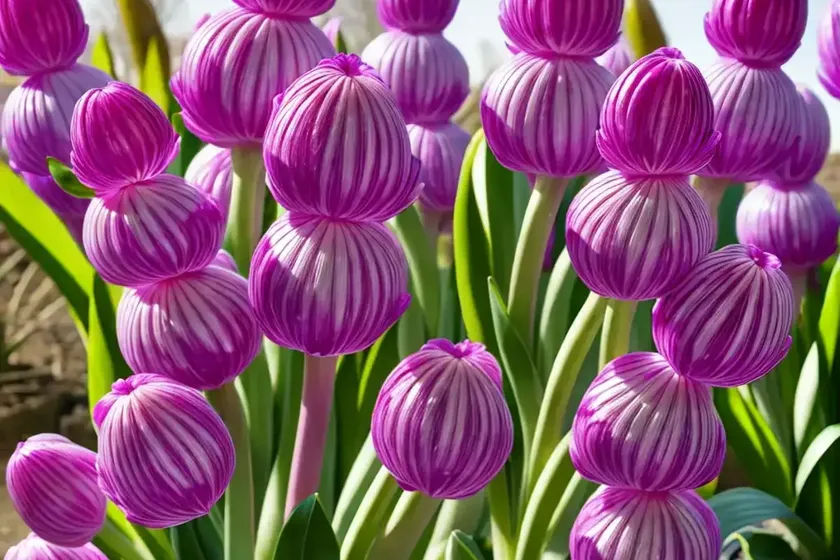
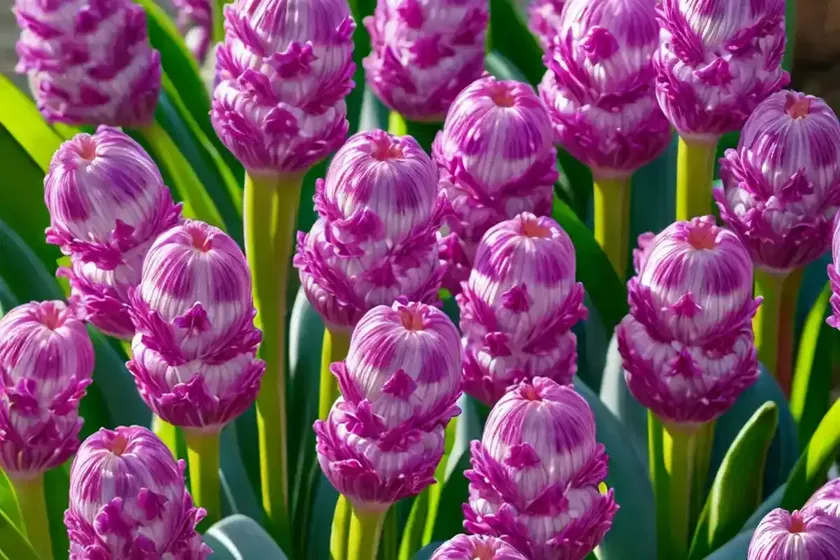
Hyacinths are among the most popular and beloved spring-blooming bulbs, and one of the most exquisite varieties is the Hyacinthus orientalis ‘Pink Pearl’, commonly known as the Dutch Hyacinth. Renowned for its captivating fragrance, stunning colors, and ease of care, the ‘Pink Pearl’ variety has become a favorite among gardeners and floral enthusiasts alike. In this comprehensive guide, we will delve into the various aspects of this captivating plant, from its cultural requirements to its uses, propagation, and potential diseases and pests.
What is Hyacinthus orientalis ‘Pink Pearl’?
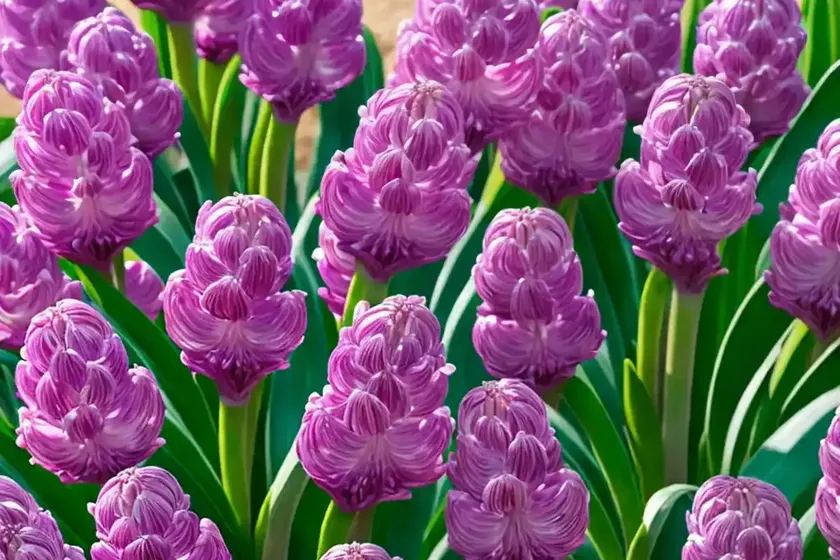
The Hyacinthus orientalis ‘Pink Pearl’, a member of the Asparagaceae family, is a perennial bulbous plant native to the eastern Mediterranean, particularly in the region of Turkey. The ‘Pink Pearl’ variety is celebrated for its distinctive characteristics, including densely packed, fragrant, and pastel pink flower spikes that emerge from a single bulb.
The alluring fragrance and vibrant colors of the ‘Pink Pearl’ Dutch Hyacinth make it a popular choice for both indoor and outdoor plantings. Its ability to naturalize and thrive in a wide range of climates further adds to its appeal, making it a versatile and captivating addition to any garden or landscape.
Let’s explore the key takeaways of the Hyacinthus orientalis ‘Pink Pearl’, encompassing its cultural requirements, uses, propagation techniques, and potential challenges such as diseases and pests.
Key Takeaways – Hyacinthus orientalis ‘Pink Pearl’ (Dutch Hyacinth)
Culture
- Hardiness: The ‘Pink Pearl’ Dutch Hyacinth is typically hardy in USDA zones 4-8, making it well-suited for a variety of climates.
- Planting Time: Plant the bulbs in the fall, preferably around September to October, to allow for root establishment before the onset of winter.
- Bloom Time: The ‘Pink Pearl’ variety typically blooms in early to mid-spring, adding a delightful burst of color and fragrance to the garden.
Uses
- Garden Planting: It serves as an excellent addition to borders, rock gardens, and mixed perennial beds, adding a cheerful and fragrant presence.
- Cut Flowers: The ‘Pink Pearl’ Hyacinth makes stunning cut flowers, infusing indoor spaces with both color and fragrance.
Water
- Watering Needs: Provide moderately moist soil during the growing season, ensuring proper drainage to prevent waterlogging.
Sunlight
- Sun Requirements: The ‘Pink Pearl’ Dutch Hyacinth flourishes in full sun to partial shade, with at least 6 hours of direct sunlight per day.
Fertilizer
- Fertilization: Apply a balanced fertilizer, such as a 10-10-10 formulation, in the early spring as new shoots emerge. Avoid excessive nitrogen levels to prevent excessive foliage growth at the expense of flowers.
Soil
- Soil Type: Well-draining, fertile soil with a slightly acidic to neutral pH (6.0-7.0) is ideal for the optimal growth of the ‘Pink Pearl’ Hyacinth.
- Soil Amendments: Incorporate organic matter such as compost or well-rotted manure into the soil before planting to enhance its nutrient content and structure.
Pruning
- Deadheading: Remove spent flower spikes once the blooms fade to redirect the plant’s energy and promote bulb strength for the following year’s growth.
- After-Bloom Care: Allow the foliage to naturally wither and yellow before removing it, as this process allows the bulb to replenish its energy reserves for the next growing season.
Propagation
- Division: Propagate the ‘Pink Pearl’ Hyacinth by carefully dividing mature bulbs after the foliage has withered and the bulbs have entered dormancy. Replant the divisions immediately in prepared soil.
Container Popularity
- Container Planting: The ‘Pink Pearl’ Dutch Hyacinth thrives in containers, providing a charming and fragrant addition to patios, balconies, and indoor settings.
Common Diseases
- Botrytis Blight: This fungal disease can affect the foliage and flowers during damp or humid conditions, causing browning and decay. Proper spacing and ventilation can help prevent its occurrence.
Disease Diagnosis
- Symptoms: Look for brown, water-soaked lesions on the foliage and flowers, often accompanied by fuzzy gray mold in humid conditions.
Common Pests
- Bulb Mites: These tiny pests can infest hyacinth bulbs, causing stunted growth, discoloration, and reduced vigor. Proper hygiene and inspection are crucial in preventing infestations.
Botanist’s Tips
- Forced Bulb Success: If you wish to force ‘Pink Pearl’ Hyacinth bulbs for indoor blooms, provide a chilling period of 10-12 weeks at temperatures around 45°F (7°C) before bringing them into a warmer, well-lit environment.
Fun Facts
- The name “Hyacinth” is derived from a youth in Greek mythology, and the flower is associated with various legends and symbolism throughout history.
Now that we have explored the key aspects of the Hyacinthus orientalis ‘Pink Pearl’ Dutch Hyacinth, let’s delve further into the specifics of its care, characteristics, and overall appeal.
Hyacinthus orientalis ‘Pink Pearl’ in Detail
Planting and Care
The ‘Pink Pearl’ Dutch Hyacinth, when given the right conditions, rewards gardeners with a magnificent display of fragrant blooms and lush, strap-like foliage. To ensure its successful growth and prolific flowering, it is essential to provide the proper care and attention throughout its life cycle.
Planting Depth and Spacing
- Place the bulbs in well-prepared soil at a depth approximately 4-6 inches (10-15 cm) deep.
- Space the bulbs approximately 4-6 inches (10-15 cm) apart to allow for adequate air circulation and future growth.
Soil and Drainage
- Prepare the planting area by incorporating organic matter such as compost or well-rotted manure into the soil.
- Ensure proper drainage to prevent waterlogging, as excessive moisture can lead to bulb rot and other issues.
Watering
- During the growing season, provide regular, moderate watering to keep the soil consistently moist but not waterlogged.
- Reducing water after the foliage has withered helps the bulbs enter dormancy.
Sunlight
- Choose a planting location that receives ample sunlight, with at least 6 hours of direct sun exposure per day.
- Partial shade, particularly during the hottest part of the day, can be beneficial in warmer climates.
Fertilization
- Apply a balanced, all-purpose fertilizer in early spring as new growth emerges.
- Avoid high-nitrogen fertilizers, as excessive foliage growth can occur at the expense of flowers.
Fragrance and Colors
The ‘Pink Pearl’ Dutch Hyacinth is renowned for its captivating fragrance, reminiscent of sweet floral notes with subtle hints of spice. The fragrance becomes particularly pronounced during the warmest part of the day, attracting pollinators and delighting garden visitors with its alluring scent.
The soft, pastel pink flower spikes of the ‘Pink Pearl’ variety create a visually stunning display, adding a touch of elegance and charm to any setting. The densely packed florets atop each spike combine to form a vibrant and eye-catching focal point in the early spring garden.
Naturalization and Bulb Strength
One of the notable attributes of the ‘Pink Pearl’ Hyacinth is its ability to naturalize and thrive in the same area year after year. With proper care and favorable growing conditions, the bulbs multiply and produce increasingly bountiful displays of blooms, enhancing the overall visual impact of the garden or landscape.
Allowing the foliage to naturally wither and yellow after blooming enables the bulbs to harness and store energy for the following year’s growth. This natural cycle strengthens the bulbs and promotes robust flowering in subsequent seasons, contributing to the plant’s long-term vitality.
Additional Aspects of Hyacinthus orientalis ‘Pink Pearl’
Symbolism and Cultural Significance
Throughout history, the hyacinth has been associated with various symbols and cultural meanings. Its appearance in mythology and literature, coupled with its intoxicating fragrance and captivating beauty, has rendered the flower as a symbol of rebirth, sincerity, and the arrival of spring in diverse cultures around the world.
Ornamental and Landscape Uses
The ‘Pink Pearl’ Dutch Hyacinth adds an exquisite ornamental dimension to gardens, parks, and public spaces, where its fragrance and visual appeal can be enjoyed by a wide audience. The flower spikes create stunning mass plantings when combined with other spring-flowering bulbs, such as tulips and daffodils, contributing to vibrant and dynamic landscape designs.
In addition to traditional garden plantings, the ‘Pink Pearl’ Hyacinth thrives in container gardens, allowing individuals with limited space or urban dwellers to enjoy its beauty and fragrance on balconies, patios, and other confined settings.
Wildlife Attraction and Pollinator-Friendly Qualities
The nectar-rich blooms of the ‘Pink Pearl’ Dutch Hyacinth play a vital role in supporting and attracting various pollinators, including bees and butterflies, during the early spring. By providing an essential food source for these beneficial insects, the hyacinth contributes to overall ecosystem health and biodiversity, making it a valuable addition to wildlife-friendly and pollinator gardens.
Furthermore, the ‘Pink Pearl’ variety’s ability to naturalize and multiply enhances its attractiveness to pollinators, as the larger swath of blooms can sustain pollinator populations over an extended period, particularly during the critical early spring season.
Practical Considerations for Growing Hyacinthus orientalis ‘Pink Pearl’
Best Companion Plants
When selecting companion plants to complement the ‘Pink Pearl’ Dutch Hyacinth, consider species that share similar cultural requirements and bloom times to create harmonious and visually appealing combinations. Some suitable companion plants include:
- Tulips (Tulipa spp.): Pairing hyacinths with tulips creates a striking display of spring color and fragrance, as both plants bloom simultaneously and complement each other’s characteristics.
- Daffodils (Narcissus spp.): The vibrant hues and diverse shapes of daffodil blooms provide an excellent contrast to the soft pink florets of the ‘Pink Pearl’ Hyacinth, creating an engaging and dynamic planting combination.
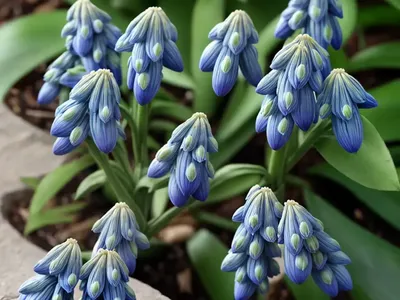
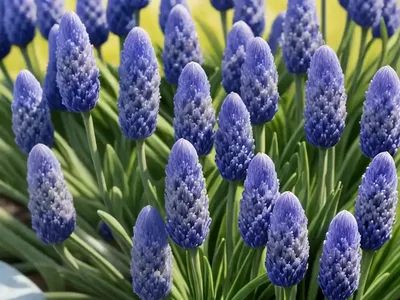
- Muscari (Grape Hyacinth): The diminutive stature and vivid blue hue of Muscari flowers offer an appealing contrast to the taller, pink blooms of the hyacinth, resulting in a visually captivating ensemble.
Naturalizing and Landscape Design
To capitalize on the naturalizing tendencies of the ‘Pink Pearl’ Dutch Hyacinth, consider planting them in drifts or clusters in garden beds or under deciduous trees. This creates a natural and effortless display, with the bulbs gradually multiplying and expanding their presence over time.
For a more formal approach, combine the ‘Pink Pearl’ Hyacinth with other spring-flowering bulbs in structured patterns or color-coordinated schemes to achieve a tailored and visually impactful landscape design.
Indoor Decoration and Cut Flower Use
Bringing the delicate beauty and captivating fragrance of the ‘Pink Pearl’ Hyacinth indoors is a delightful way to enhance interior spaces and create a welcoming ambiance. Consider forcing the bulbs for indoor blooms during the winter months, allowing them to brighten up the home with their alluring scent and soft colors.
When using the blooms as cut flowers, select stems with partially open florets and a few buds to extend their beauty indoors. The fragrant blooms can be displayed in vases or containers, adding a touch of spring and natural elegance to any setting.
Disease Management and Pest Control for Hyacinthus orientalis ‘Pink Pearl’
Botrytis Blight: Prevention and Management
Botrytis blight, caused by the fungal pathogen Botrytis cinerea, can affect the foliage and flowers of the ‘Pink Pearl’ Dutch Hyacinth, particularly during periods of prolonged dampness or high humidity. To prevent and manage this disease, consider the following strategies:
- Adequate Air Circulation: Ensure proper spacing between plants to allow for adequate air circulation, reducing humidity levels and inhibiting the growth and spread of the fungus.
- Diligent Cleanup: Remove any decaying or dead plant material promptly to eliminate potential sources of infection and reduce the risk of the disease spreading to healthy tissue.
- Fungicide Application: In severe cases or when environmental conditions favor disease development, consider applying a fungicidal treatment according to label instructions to mitigate the impact of Botrytis blight.
Bulb Mites: Identification and Prevention
Bulb mites, microscopic pests that infest hyacinth bulbs, can compromise the vigor and health of the ‘Pink Pearl’ variety. To prevent and manage bulb mite infestations, adopt the following measures:
- Bulb Inspection: Carefully inspect bulbs before planting to identify any signs of infestation, such as discoloration, unusual markings, or physical damage caused by the pests.
- Hygiene Practices: Practice good hygiene by cleaning and disinfecting gardening tools and equipment to prevent the inadvertent transfer of pests and disease-causing organisms between plants.
- Cultural Controls: Implement cultural practices, such as proper spacing and optimal soil moisture, to create conditions less favorable for bulb mites to thrive and reproduce.
Pest-Resistant Cultivars
When selecting hyacinth bulbs for planting, consider sourcing cultivars that demonstrate resistance or tolerance to common pests and diseases. Some varieties may exhibit natural resistance due to genetic traits, offering an additional layer of protection against potential pest and disease pressures.
Conclusion
The Hyacinthus orientalis ‘Pink Pearl’ (Dutch Hyacinth) stands as a charming and fragrant addition to gardens, landscapes, and indoor settings, captivating enthusiasts with its vivid colors, intoxicating fragrance, and ease of care. From its cultural requirements to its ornamental uses and potential challenges, the ‘Pink Pearl’ variety offers a wealth of practical and aesthetic benefits while contributing to the biodiversity and visual richness of natural and cultivated environments.
Whether elegantly adorning garden borders, naturalizing under deciduous trees, or brightening interior spaces with its cut flowers, the ‘Pink Pearl’ Dutch Hyacinth embodies the spirit of spring and renewal, inviting individuals to embrace its beauty and engaging attributes. With thoughtful care and an understanding of its preferences and potential interactions, the ‘Pink Pearl’ Hyacinth can thrive and delight gardeners and onlookers alike, establishing its position as a beloved and enduring botanical treasure.
References
- Royal Horticultural Society. (n.d.). Hyacinthus orientalis. Retrieved from https://www.rhs.org.uk/Plants/8584/Hyacinthus-orientalis/Details
- The Spruce. (2021). How to Grow and Care for Hyacinths. Retrieved from https://www.thespruce.com/hyacinths-planting-and-growing-tips-2132726
- University of Massachusetts Amherst. (n.d.). Hyacinth. Retrieved from https://ag.umass.edu/landscape/fact-sheets/hyacinth
- University of Minnesota Extension. (2017). Botrytis Blight of Ornamentals. Retrieved from https://extension.umn.edu/diseases/botrytis-blight-ornamentals
- University of California Statewide Integrated Pest Management Program. (n.d.). Bulb Mites. Retrieved from http://ipm.ucanr.edu/PMG/PESTNOTES/pn74100.html
As a plant scientist and enthusiast, it is my pleasure to share the wonders of the Hyacinthus orientalis ‘Pink Pearl’ (Dutch Hyacinth) and explore its diverse facets, from its alluring fragrance to its ecological significance. I hope this comprehensive guide empowers readers to appreciate, cultivate, and celebrate this enchanting botanical gem, fostering a deeper connection with the natural world and the beauty it bestows upon us.