Hyacinthus Orientalis ‘Top White’ (Dutch Hyacinth)
The Hyacinthus orientalis ‘Top White’, commonly known as the Dutch Hyacinth, is a stunning spring-flowering bulb that belongs to the family Asparagaceae..
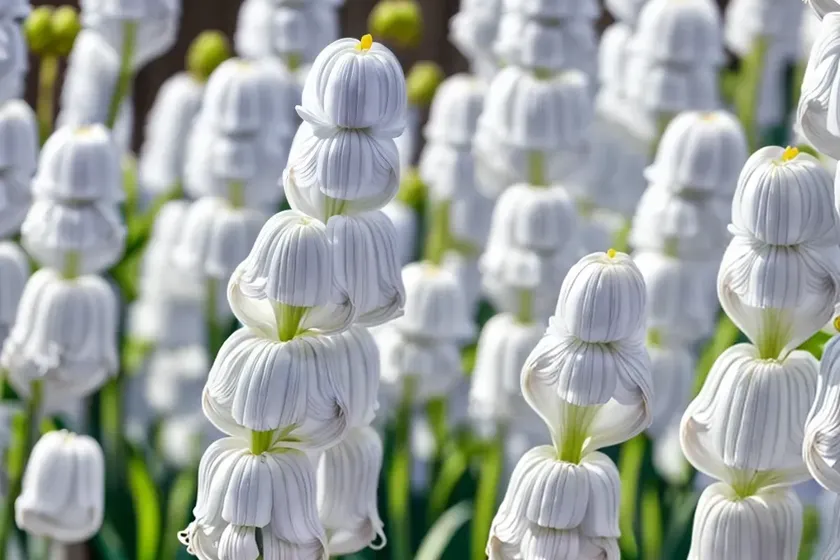
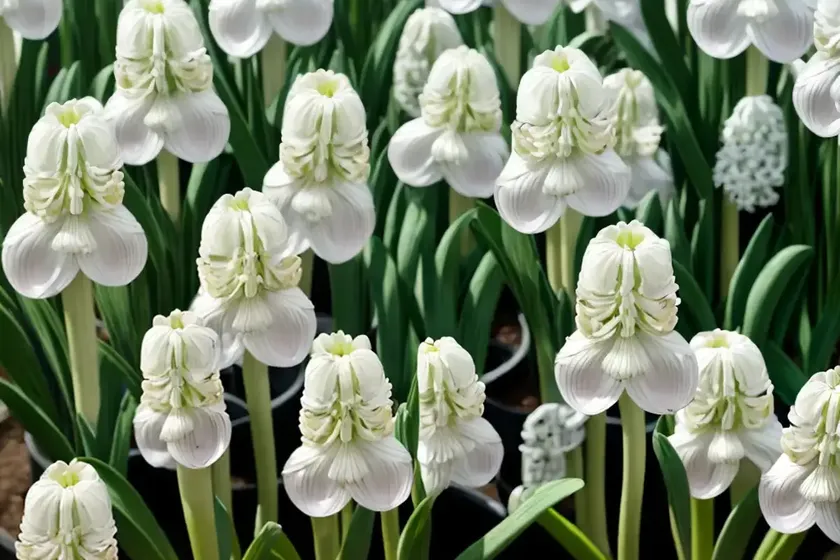
The Hyacinthus orientalis ‘Top White’, commonly known as the Dutch Hyacinth, is a stunning spring-flowering bulb that belongs to the family Asparagaceae. Renowned for its captivating fragrance and elegant blooms, this plant is a popular choice for gardeners and flower enthusiasts. In this comprehensive guide, we will delve into every aspect of this beautiful plant, from its cultural requirements and propagation methods to its common diseases and pest control. Whether you’re a seasoned gardener looking to expand your collection or a beginner eager to learn about this enchanting species, this article aims to provide you with invaluable insights and practical tips for cultivating and caring for the Hyacinthus orientalis ‘Top White’.
What is Hyacinthus orientalis ‘Top White’?
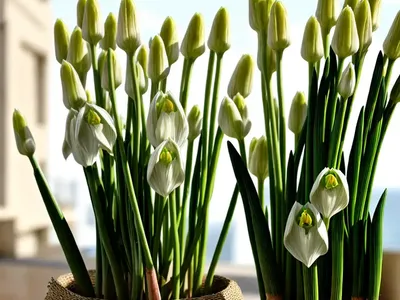
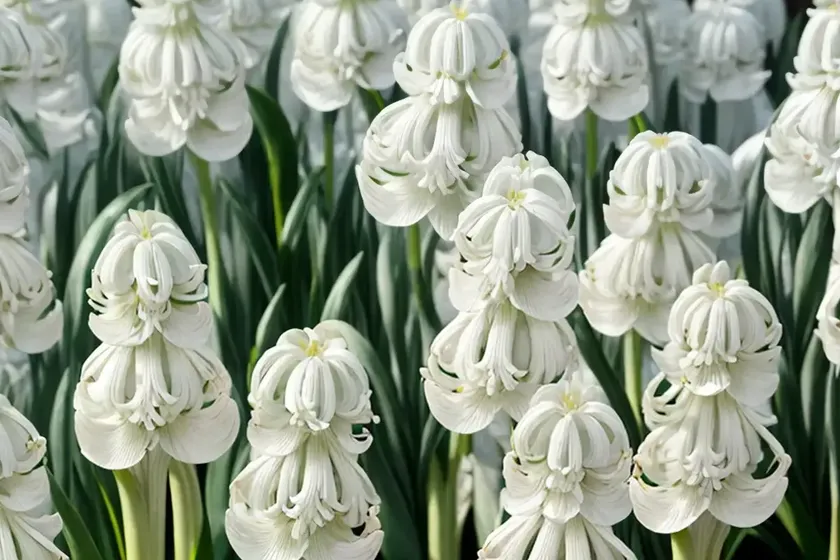
The Hyacinthus orientalis ‘Top White’ is a cultivar of the Hyacinthus orientalis species, known for its striking clusters of fragrant, bell-shaped, white flowers that adorn sturdy, upright stems. It is native to the eastern Mediterranean region, particularly Turkey and the Middle East, where it thrives in the wild due to its adaptability to a variety of soil types and climates. The Dutch Hyacinth is a perennial plant, meaning it has a life cycle lasting for more than two years, and it belongs to the larger Asparagaceae family, which also includes popular ornamental plants like asparagus ferns and hostas.
The Hyacinthus orientalis ‘Top White’ is cherished for its ability to brighten up gardens and indoor spaces with its captivating fragrance and elegant appearance. Its compact size makes it a suitable choice for containers, borders, and rock gardens, while its exquisite blooms make it a desirable addition to flower arrangements and bouquets.
Key Takeaways – Hyacinthus orientalis ‘Top White’
Before we delve into the specifics of cultivating and caring for the Hyacinthus orientalis ‘Top White’, let’s summarize the essential points about this charming plant:
- Botanical Name: Hyacinthus orientalis ‘Top White’
- Common Name: Dutch Hyacinth
- Family: Asparagaceae
- Type: Perennial bulbous plant
- Flower Color: White
- Fragrance: Highly fragrant
- Ideal Uses: Borders, containers, rock gardens, indoor displays, and cut flowers
Now that we have a brief overview of the Dutch Hyacinth, let’s explore the various aspects of its cultivation, care, and maintenance.
Culture
The cultural requirements of the Hyacinthus orientalis ‘Top White’ play a pivotal role in its successful growth and flowering. Understanding its specific needs in terms of soil, water, sunlight, and fertilization is crucial for nurturing healthy and vibrant plants.
Soil
The choice of soil is paramount for the successful cultivation of Hyacinthus orientalis ‘Top White’. Well-draining soil with a rich organic content is preferred, as it allows excess water to drain away from the bulb, preventing rot and fungal diseases. A slightly acidic to neutral pH range of 6.0 to 7.0 is ideal for promoting robust growth and blooming.
Water
Hyacinthus orientalis ‘Top White’ requires regular watering, especially during its active growth and flowering periods. The soil should be kept consistently moist but not waterlogged, as excessive moisture can lead to bulb rot and other water-related issues. During dry spells or in container plantings, regular watering is essential to maintain healthy and vigorous plants.
Sunlight
As a sun-loving plant, the Dutch Hyacinth thrives in full sun to partial shade. When choosing a planting site, prioritize locations with ample sunlight and good air circulation to promote strong, sturdy stems and vibrant blooms.
Fertilizer
Fertilization is a key aspect of maintaining the health and vigor of Hyacinthus orientalis ‘Top White’. A balanced, all-purpose fertilizer can be applied in early spring as the plant enters its active growth phase. Alternatively, a slow-release fertilizer can be incorporated into the soil at planting time to provide a steady supply of nutrients throughout the growing season.
Uses
The versatile nature of the Hyacinthus orientalis ‘Top White’ makes it suitable for a myriad of uses, ranging from traditional garden plantings to indoor displays and cut flower arrangements. Understanding the various applications of this plant can help gardeners maximize its ornamental value and fragrance in different settings.
Garden Plantings
When used in garden plantings, the Dutch Hyacinth adds a touch of elegance and fragrance to borders, rock gardens, and cottage-style landscapes. Its compact habit and captivating blooms make it a standout feature during the spring season, often attracting pollinators and admirers alike.
Container Cultivation
Due to its adaptable nature, Hyacinthus orientalis ‘Top White’ thrives in containers and pots, making it an excellent choice for balcony gardens, patio displays, and indoor cultivation. The fragrance of its blooms enhances outdoor and indoor spaces, creating a delightful sensory experience for anyone nearby.
Cut Flowers
The aromatic blooms of the Dutch Hyacinth lend themselves beautifully to cut flower arrangements, where they can serve as the focal point or complement other spring blooms. When used in floral displays, the white flowers of the Hyacinthus orientalis ‘Top White’ add a touch of purity and sophistication to any setting.
Indoor Display
Bringing the beauty and fragrance of the Dutch Hyacinth indoors offers a delightful way to enjoy its charm. By forcing bulbs in containers or vases, individuals can create captivating indoor displays that brighten up living spaces and infuse the air with a sweet, floral scent.
Propagation
Understanding the various propagation methods for Hyacinthus orientalis ‘Top White’ is essential for gardeners looking to expand their plant collection or share their love for this captivating species with others. Whether through division, offsets, or seed propagation, each approach offers unique insights into the life cycle of the Dutch Hyacinth.
Division
Dividing established clumps of Hyacinthus orientalis ‘Top White’ allows gardeners to propagate new plants with minimal effort. This method involves carefully separating the bulbs and replanting them in suitable locations, providing an efficient way to increase the presence of this enchanting species in the garden.
Offsets
The production of offsets, also known as bulbils or bulblets, is a natural process in the life cycle of the Dutch Hyacinth. These small bulbils develop alongside the main bulb and can be carefully detached and planted to grow into new plants, providing an easy and practical propagation method for gardeners.
Seed Propagation
Growing Hyacinthus orientalis ‘Top White’ from seeds offers a deeper understanding of its life cycle and genetic diversity. By collecting and germinating seeds, gardeners can observe the fascinating process of seedling development and contribute to the conservation and propagation of this captivating species.
Bulb Selection
When propagating or planting Dutch Hyacinth bulbs, selecting high-quality and healthy bulbs is essential for ensuring successful establishment and vigorous growth. Look for firm, plump bulbs with no signs of mold, damage, or soft spots, as these indicators can affect the plant’s ability to thrive and bloom.
Container Popularity
The compact size and versatile nature of the Dutch Hyacinth make it a popular choice for container gardening. Whether grown individually or combined with other spring-blooming bulbs, its elegant form and fragrance make it a captivating addition to container displays. Here are some key points to consider when cultivating Hyacinthus orientalis ‘Top White’ in containers:
Container Size: Select containers that provide ample room for bulb development and accommodate the mature height of the plant. A depth of at least 6 to 8 inches is recommended to allow for healthy root growth.
Soil Mix: Use well-draining, high-quality potting mix enriched with organic matter to support the growth and blooming of Dutch Hyacinth bulbs in containers.
Watering: Maintain adequate moisture levels in the container soil, ensuring that it remains evenly moist but not waterlogged. Monitor the soil moisture regularly, especially during dry periods and the active growth phase of the plant.
Sunlight: Position the containers in locations with ample sunlight, as the Dutch Hyacinth thrives in full sun to partial shade. Ensure that the containers receive sufficient light for healthy growth and prolific flowering.
Common Diseases
As with any plant, the Dutch Hyacinth is susceptible to certain diseases and issues that can affect its overall health and vigor. Understanding these common diseases and their symptoms is essential for implementing preventive measures and timely treatments to protect your Hyacinthus orientalis ‘Top White’.
Disease Diagnosis
Botrytis Blight: This fungal disease, also known as gray mold, can affect the leaves, flowers, and bulbs of Hyacinthus orientalis ‘Top White’, causing gray, fuzzy patches and decay. Proper sanitation and adequate air circulation can help minimize the risk of botrytis blight.
Basal Rot: Caused by fungal pathogens, basal rot affects the base and lower portion of the Dutch Hyacinth bulbs, leading to softening, rotting, and eventual decline. Well-draining soil and preventive fungicide treatments can aid in managing and preventing basal rot.
Viral Diseases: Viruses such as mosaic virus and tobacco rattle virus can impact the foliage and overall vigor of the Dutch Hyacinth, resulting in distorted growth and reduced flowering. Vigilant monitoring and prompt removal of infected plants can help contain the spread of viral diseases.
Common Pests
In addition to diseases, the Dutch Hyacinth can attract certain pests that may compromise its health and aesthetic appeal. Identifying these common pests and implementing pest control measures is crucial for safeguarding the vitality of Hyacinthus orientalis ‘Top White’.
Botanist’s Tips
As a plant scientist, my extensive research and experience have provided me with valuable insights into the care and cultivation of the Dutch Hyacinth. Here are some botanist’s tips to help you succeed in growing and enjoying this enchanting plant:
Optimal Planting Time: Plant Hyacinthus orientalis ‘Top White’ bulbs in the fall, allowing them to establish roots before the onset of winter. This enables the bulbs to bloom beautifully in the following spring.
Mulching: Apply a layer of organic mulch, such as shredded bark or compost, around the base of the plants to conserve soil moisture, suppress weeds, and provide a layer of insulation during extreme temperatures.
Deadheading: Remove spent flowers promptly to redirect the plant’s energy into bulb development and conserve its resources for future growth and flowering.
Overwintering Bulbs: In regions with harsh winters, consider lifting and storing Dutch Hyacinth bulbs indoors after the foliage has yellowed and withered. This protects the bulbs from freezing and allows for their subsequent replanting in the following fall.
Fun Facts
- The Hyacinthus orientalis ‘Top White’ is often associated with various symbolic meanings, including beauty, sincerity, and sport or play, making it a popular choice for gift-giving and meaningful gestures.
- Dutch Hyacinth blooms are not only visually appealing but also emit a sweet, lingering fragrance that fills the air with a sense of freshness and vitality.
- The Dutch Hyacinth has a rich history and cultural significance, dating back to ancient mythology and folklore, where it was revered for its beauty and intoxicating scent.
Links to External Resources
To further enhance your knowledge and appreciation of the Hyacinthus orientalis ‘Top White’ and delve deeper into its cultivation, care, and remarkable attributes, consider exploring the following external resources:
- Royal Horticultural Society – Hyacinth Growing Guide
- Gardeners’ World – Growing Hyacinths
- University of Minnesota Extension – Hyacinth Care and Handling
- American Society for the Prevention of Cruelty to Animals (ASPCA) – Toxic and Non-Toxic Plants: Hyacinth
Conclusion
In conclusion, the Hyacinthus orientalis ‘Top White’, also known as the Dutch Hyacinth, is a captivating and fragrant spring-flowering bulb that holds a cherished place in gardens, containers, and indoor displays. Understanding its specific cultural requirements, optimal uses, propagation methods, and pest and disease management is key to cultivating and enjoying flourishing specimens. By integrating the insights and tips shared in this comprehensive guide, gardeners and plant enthusiasts can embark on a rewarding journey of nurturing and celebrating the enchanting beauty of the Hyacinthus orientalis ‘Top White’ in all its glory.
As a plant scientist deeply passionate about ornamental plants and their cultivation, I hope that this guide has provided you with valuable knowledge and inspiration to embark on your own journey of growing and appreciating the Dutch Hyacinth. Happy gardening!
Please note that the external resources provided are for informational purposes and do not represent an endorsement of specific products or organizations. It’s always advisable to consult local gardening experts and extension services for region-specific recommendations and guidance.