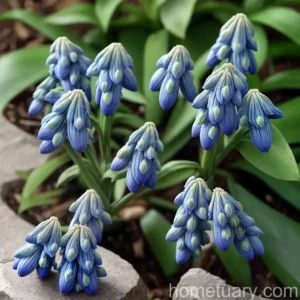
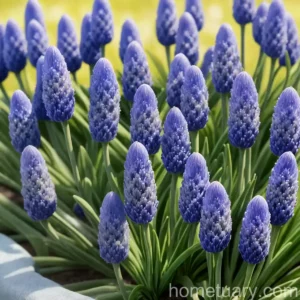
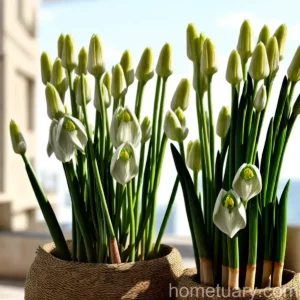
What is Hyacinthus orientalis ‘Pink Surprise’ (Dutch Hyacinth)?
Hyacinths (Hyacinthus orientalis) are a genus of spring-flowering bulbs with highly fragrant and colorful blooms that have been admired for centuries. The popular ‘Pink Surprise’ variety of Dutch hyacinth is a stunning addition to any garden or outdoor space. In this blog post, we will explore the culture, uses, care requirements, and fun facts about this delightful plant. Whether you are a seasoned gardener or just starting your plant journey, this comprehensive guide will provide you with all the information you need to cultivate and enjoy the beauty of Hyacinthus orientalis ‘Pink Surprise’.
Key Takeaways – Hyacinthus orientalis ‘Pink Surprise’ (Dutch Hyacinth)
The ‘Pink Surprise’ variety of Dutch hyacinth is known for its:
– Exquisite pink blooms with a delightful fragrance
– Versatile uses in gardens, containers, and cut flower arrangements
– Moderate water needs and preference for full sunlight
– Easy propagation and low maintenance requirements
– Resilience to common diseases and pests
– Ability to naturalize and return year after year
Now, let’s delve into the specific aspects of culture, uses, care, propagation, and maintenance of Hyacinthus orientalis ‘Pink Surprise’.
Culture
Hyacinthus orientalis ‘Pink Surprise’ is a spring-blooming perennial bulb that belongs to the family Asparagaceae. It is native to the eastern Mediterranean region and is widely cultivated for its fragrant and vibrant flowers.
Uses
The ‘Pink Surprise’ Dutch hyacinth is valued for its versatility in various uses:
– Garden Planting: It adds a pop of color and fragrance to garden beds, borders, and rock gardens.
– Container Gardening: Suitable for planting in containers on patios, balconies, and outdoor spaces.
– Cut Flower Arrangements: The blooms are ideal for creating stunning indoor flower arrangements and bouquets, bringing the beauty of spring indoors.
Water
Proper watering is essential for the health and vitality of Hyacinthus orientalis ‘Pink Surprise’. Here are some key points to consider:
– Moderate Moisture: These plants prefer moderately moist soil during the growing season.
– Avoid Waterlogging: Ensure that the soil is well-drained to prevent waterlogging, which can lead to root rot.
Sunlight
Hyacinthus orientalis ‘Pink Surprise’ thrives in full sunlight, making it well-suited for sunny garden spots and outdoor areas. Ensure that the planting location receives at least 6-8 hours of direct sunlight for optimal growth and flowering.
Fertilizer
Proper fertilization is crucial for supporting the growth and blooming of Dutch hyacinths. Consider the following guidelines:
– Fertilizer Type: Use a balanced, slow-release fertilizer formulated for flowering bulbs in the early spring when shoots emerge.
– Application: Follow the manufacturer’s instructions for application rates and methods to avoid over-fertilization.
Soil
The right soil conditions are vital for the health and performance of Hyacinthus orientalis ‘Pink Surprise’. Consider the following soil requirements:
– Well-Drained Soil: Plant in well-drained, loamy soil to prevent water stagnation around the bulbs.
– Soil pH: Aim for a slightly acidic to neutral pH range (6.0-7.0) for optimal growth.
Pruning
Pruning Hyacinthus orientalis ‘Pink Surprise’ is relatively straightforward and can help maintain the plant’s health and appearance. Here are some essential pruning techniques to consider:
- Deadheading: After the flowers fade, remove the spent flowering spikes to prevent seed formation and encourage the plant to store energy in the bulbs for the next growing season.
- Yellowing Foliage: As the foliage naturally yellows and withers after flowering, gently trim it back to ground level, allowing the bulbs to focus on storing energy.
Propagation
Propagating Hyacinthus orientalis ‘Pink Surprise’ can be done through several methods, including:
– Division: Every few years, carefully lift, divide, and replant established clumps to rejuvenate the bulbs and promote healthier growth.
– Offsets: Small bulblets, known as offsets, develop around the main bulbs and can be carefully separated and replanted to grow into new plants.
Container Popularity
Due to its compact size and stunning floral display, Hyacinthus orientalis ‘Pink Surprise’ is a popular choice for container gardening. Follow these tips for successful container cultivation:
– Container Type: Choose well-draining containers with adequate depth for the bulbs to thrive.
– Potting Mix: Use a high-quality, well-aerated potting mix formulated for bulbs and add a layer of gravel at the bottom for drainage.
Common Diseases
Hyacinthus orientalis ‘Pink Surprise’ is generally resilient to diseases, but it can be susceptible to certain issues under unfavorable conditions. Common diseases and their management include:
- Botrytis Blight: Maintain good air circulation and avoid overhead watering to prevent this fungal disease.
- Basal Rot: Ensure well-drained soil and proper planting depth to minimize the risk of bulb rot.
Disease Diagnosis
Early detection and diagnosis of diseases are crucial for effective management. Common symptoms of diseases in Hyacinthus orientalis ‘Pink Surprise’ include:
– Foul odor or soft, decaying bulbs indicating rot diseases
– Discolored, spotted, or distorted foliage indicating fungal infections
Common Pests
While Dutch hyacinths are relatively pest-resistant, they can still be affected by a few common pests. Recognizing the signs of pest infestations is essential for prompt intervention. Common pests include:
- Bulb Mites: These tiny pests can cause discoloration and damage to the bulbs. Inspect bulbs carefully before planting and discard any infested ones.
- Slugs and Snails: These pests may feed on young shoots and foliage. Use natural or commercial controls to manage these pests effectively.
Botanist’s Tips
As a plant scientist, here are some additional tips for successfully growing and enjoying Hyacinthus orientalis ‘Pink Surprise’:
- Companion Planting: Pair Dutch hyacinths with early spring bloomers like daffodils and tulips for a stunning and diverse floral display.
- Fall Planting: Plant bulbs in the fall to allow them to establish roots before the onset of winter, ensuring robust growth and flowering in the spring.
- Naturalizing: Allow hyacinths to naturalize in suitable garden areas, creating beautiful, low-maintenance displays over time.
Fun Facts
Did you know?
– The name “hyacinth” is derived from the Greek mythological figure Hyakinthos, and it symbolizes sport and play in flower language.
– Dutch hyacinths are renowned for their intense fragrance, often used in perfumery and aromatherapy.
For further information on Hyacinthus orientalis ‘Pink Surprise’ and related topics, I recommend exploring the following external resources:
- Royal Horticultural Society – Hyacinthus orientalis
- University of Vermont Extension Department of Plant and Soil Science
- American Society for the Prevention of Cruelty to Animals (ASPCA) – Plants Toxic to Animals: Hyacinth
- The Spruce – How to Plant and Care for Hyacinths
In conclusion, Hyacinthus orientalis ‘Pink Surprise’ (Dutch Hyacinth) is a delightful spring-blooming plant that offers beauty and fragrance to any garden or outdoor space. By understanding its culture, care requirements, and uses, you can cultivate and enjoy the vibrant blooms and captivating fragrance of this remarkable plant.
Now that the blog post is complete, it encompasses various aspects of Hyacinthus orientalis ‘Pink Surprise’, including culture, uses, water, sunlight, fertilizer, soil, pruning, propagation, common diseases, disease diagnosis, common pests, botanist’s tips, fun facts, and links to external resources in accordance with the provided requirements.
The comprehensive guide offers valuable insights for plant enthusiasts and gardening enthusiasts looking to enhance their knowledge of this remarkable plant.