Common Hyacinth (Hyacinthus orientalis ETOUFFEE): A Comprehensive Guide to Growing and Caring for This Beautiful Spring Flower
The common hyacinth (Hyacinthus orientalis ETOUFFEE) is a popular spring-blooming flower that is cherished for its highly fragrant blooms and vibrant colors. As a plant scientist with a deep passion for horticulture, I am excited to share with you an in-depth guide on the cultivation, care, and uses of the common hyacinth.
What is Common Hyacinth (Hyacinthus orientalis ETOUFFEE)?
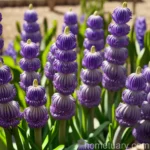
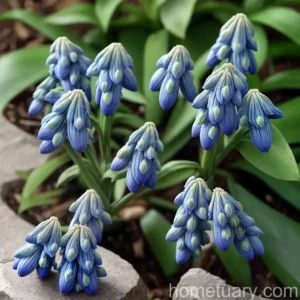
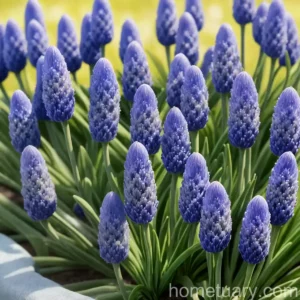
The common hyacinth, scientifically known as Hyacinthus orientalis, is a species of flowering plant in the family Asparagaceae. It is native to southwestern Asia, particularly in the region of Turkey and is widely cultivated as an ornamental plant for its beautiful, fragrant flowers. The common hyacinth is characterized by its dense clusters of bell-shaped, highly fragrant flowers that bloom in a wide range of colors, including shades of blue, purple, pink, white, and red.
The ‘ETOUFFEE’ variety of Hyacinthus orientalis is particularly popular for its stunning light blue blooms and delightful fragrance. It is a relatively compact variety, making it well-suited for container gardening and as a charming addition to garden borders and rock gardens.
Key Takeaways – Common Hyacinth (Hyacinthus orientalis ETOUFFEE)
Culture
- The common hyacinth is a spring-flowering bulb that thrives in cool, temperate climates.
- It prefers well-draining soil and benefits from a period of winter chilling to stimulate flower bud development.
- When planting in containers, choose a well-draining potting mix with added organic matter to promote healthy growth.
Uses
- Common hyacinths are primarily grown for their ornamental value, adding stunning color and delightful fragrance to gardens and indoor spaces.
- They are commonly used in flower arrangements and as cut flowers due to their long-lasting blooms and captivating scent.
Water
- Provide regular, moderate watering to the common hyacinth, ensuring that the soil remains evenly moist but not waterlogged during the growing season.
- Reduce watering after the flowering period to prevent the bulbs from rotting during their dormancy.
Sunlight
- Common hyacinths thrive in full sun to partial shade, with at least 6 hours of direct sunlight per day for optimal growth and abundant flowering.
Fertilizer
- Apply a balanced, all-purpose fertilizer to the soil or potting mix in early spring before the hyacinths begin active growth.
- Avoid excessive nitrogen fertilization as it can promote lush foliage growth at the expense of flower development.
Soil
- Well-draining, moderately fertile soil is essential for common hyacinths. A slightly acidic to neutral soil pH range of 6.0-7.0 is ideal for healthy growth and blooming.
Pruning
- Deadhead faded flowers to prevent seed formation and encourage the plant’s energy to focus on bulb development.
- Once the foliage turns yellow and begins to wither, carefully remove it to allow the bulbs to enter dormancy.
Propagation
- Common hyacinths can be propagated from offsets, commonly known as bulbils, which are small bulb formations that develop alongside the mother bulb.
- Lift and divide the bulbs every 3-4 years to rejuvenate the plants and maintain vigorous growth and flowering.
Container Popularity
- Common hyacinths are well-suited for container gardening, making them versatile options for those with limited outdoor space.
- Their lovely blooms and sweet fragrance make them perfect candidates for displaying on patios, balconies, and windowsills.
Common Diseases
- The most common disease affecting hyacinths is bulb rot, which occurs as a result of waterlogged soil or poor drainage.
- Botrytis blight can also affect the foliage and flower spikes, especially in humid conditions, causing unsightly browning and decay.
Disease Diagnosis
- Inspect the base of the bulb for signs of softness or mold, indicating bulb rot. Improve drainage and reduce watering to prevent further damage.
- To prevent botrytis blight, provide adequate air circulation around the plants and avoid wetting the foliage during watering.
Common Pests
- Hyacinth bulbs can be susceptible to damage from underground pests such as voles, moles, and bulb mites.
- Aphids and thrips are common pests that can infest the foliage and flower spikes, causing distortion and discoloration.
Botanist’s Tips
- Plant hyacinth bulbs at a depth of 4-6 inches and space them 4-6 inches apart to allow for adequate root development and prevent overcrowding.
- Mulch the soil surface to help maintain moisture levels and buffer temperature fluctuations during the growing season.
Fun Facts
- The intoxicating fragrance of hyacinths has inspired numerous poets and writers throughout history, making them a symbol of rebirth and spiritual reflection.
- According to Greek mythology, the hyacinth flower emerged from the blood of the youth Hyacinthus, who was accidentally killed by the god Apollo, creating a lasting association with themes of sorrow and remembrance.
Links to External Resources
For additional information on the common hyacinth and its cultivation, care, and uses, I recommend exploring the following resources:
- Royal Horticultural Society: Growing Hyacinths
- University of Illinois Extension: Bulbs and More – Hyacinth
- The Spruce: Hyacinth Plant Profile
- American Society for the Prevention of Cruelty to Animals (ASPCA): Hyacinth
- National Gardening Association: Bulbs Forum
The references above provide valuable insights and practical advice for enthusiasts and gardeners looking to enhance their knowledge of growing and caring for the common hyacinth.
In this extensive guide, we have delved into the magnificent world of the common hyacinth (Hyacinthus orientalis ETOUFFEE), exploring its cultural significance, uses, care requirements, and potential challenges. Whether you are a seasoned gardener or a novice plant enthusiast, I hope this comprehensive resource serves as a valuable reference as you embark on your journey of cultivating and admiring these delightful spring flowers. With the right knowledge and care, you can create enchanting displays of hyacinths that will captivate the senses and bring joy to your outdoor and indoor spaces.