Lycoris Aurea: The Golden Spider Lily
Lycoris aurea, commonly known as the Golden Spider Lily, is a stunning flowering plant that belongs to the Amaryllidaceae family. Its vibrant yellow flowers and elegant appearance make it a popular choice for gardeners and horticulturists. In this comprehensive guide, we will delve into the various aspects of Lycoris aurea, including its culture, uses, maintenance, and much more. Whether you’re a seasoned botanist or a gardening enthusiast, this article aims to provide valuable insights into this captivating plant.
What is Lycoris Aurea?
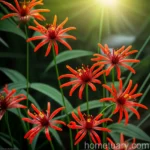
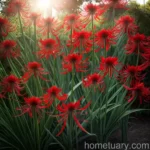
Lycoris aurea is a species of bulbous perennial plant that is native to China and Japan. It is characterized by its striking golden-yellow flowers that bloom in late summer or early fall. The plant typically grows to a height of 12 to 18 inches and thrives in well-drained soil with ample sunlight. Its vibrant blooms and low maintenance requirements make it a sought-after addition to gardens and landscapes.
Key Takeaways – Lycoris Aurea (Golden Spider Lily)
- Plant Name: Lycoris aurea (Golden Spider Lily)
- Family: Amaryllidaceae
- Native: China and Japan
- Bloom Time: Late summer to early fall
- Height: 12 to 18 inches
- Flower Color: Golden-yellow
- Propagation: Bulbs, division
- Uses: Ornamental, medicinal
- Maintenance: Low
Culture
Water
Lycoris aurea prefers a moderately moist environment, especially during the growing season. Adequate watering is essential for promoting healthy foliage and vibrant blooms. However, it’s important to avoid overwatering, as soggy soil can lead to root rot and other moisture-related issues. During the dormant period, the plant requires minimal watering to prevent the bulbs from rotting.
Sunlight
This plant thrives in full sunlight or partial shade. When grown in regions with hot summers, providing some shade during the hottest part of the day can prevent scorching of the foliage. Adequate sunlight is crucial for the development of flower buds and overall plant vigor.
Soil
Well-drained, fertile soil is ideal for Lycoris aurea. A mixture of loamy and sandy soil with good drainage properties is recommended to prevent waterlogging. The soil pH should be slightly acidic to neutral for optimal growth. Incorporating organic matter into the soil can enhance its fertility and structure, providing a conducive environment for the plant’s root system.
Uses
Lycoris aurea serves various purposes, making it a versatile addition to landscapes and gardens.
-
Ornamental Use: The striking golden-yellow flowers of Lycoris aurea make it a popular choice for ornamental plantings. It adds a pop of color to gardens, borders, and container plantings, creating a visually appealing display.
-
Medicinal Properties: While caution should be exercised when handling the plant due to its toxic nature, certain traditional medicines utilize specific parts of the Golden Spider Lily for their purported medicinal properties. It’s essential to consult with healthcare professionals before using any plant-derived remedies.
Fertilizer
Applying a balanced, slow-release fertilizer in early spring can provide the necessary nutrients for Lycoris aurea’s growth and flowering. A fertilizer with a lower nitrogen content and higher phosphorus and potassium levels can support robust bulb development and healthy blooms. Overfertilization should be avoided, as it can lead to excessive foliage growth at the expense of flower production.
Pruning
Pruning requirements for Lycoris aurea are minimal. Once the plant has finished blooming, the spent flower stalks can be removed to maintain a tidy appearance. However, it’s crucial to allow the foliage to senesce and die back naturally, as this process helps replenish the bulb for the following year’s growth and flowering.
Propagation
Lycoris aurea can be propagated through bulb division or offset bulbs. The propagation process is typically carried out in late summer or early fall when the plant is dormant. Carefully dividing the bulbs and replanting them in suitable locations can result in the establishment of new Lycoris aurea plants.
Container Popularity
The Golden Spider Lily is well-suited for container gardening, adding a delightful touch of vibrancy to patios, balconies, and outdoor living spaces. The compact nature of the plant makes it an excellent choice for container cultivation, allowing individuals with limited garden space to enjoy its captivating blooms.
Container Common Diseases
When grown in containers, Lycoris aurea may be susceptible to certain diseases, including:
- Fungal Diseases: Excessive moisture and poor air circulation in containers can create favorable conditions for fungal diseases such as root rot and bulb rot. Proper watering practices and well-draining soil can mitigate these issues.
- Pest Infestations: Containers may attract pests such as aphids, spider mites, and mealybugs. Regular inspection and the use of appropriate pest control methods can help manage these infestations.
Disease Diagnosis
Identifying and diagnosing diseases in Lycoris aurea is essential for implementing effective treatment strategies. Common diseases that may affect the plant include:
- Amaryllis Mosaic Virus: This viral disease can cause distorted or mottled foliage. Infected plants should be isolated and removed to prevent the spread of the virus to healthy plants.
- Botrytis Blight: Characterized by brown, water-soaked lesions on the foliage and flowers, botrytis blight thrives in humid conditions. Adequate air circulation and proper spacing can minimize the risk of infection.
Common Pests
Lycoris aurea may become the target of various pests that can impact its growth and flowering. Some common pests include:
- Aphids: These sap-sucking insects can cause distorted growth and the presence of honeydew on the foliage. Insecticidal soaps or horticultural oils can help control aphid populations.
- Spider Mites: These tiny arachnids can infest the undersides of leaves, resulting in yellow stippling and webbing. Regularly spraying the plant with water and using insecticidal treatments can mitigate spider mite infestations.
- Mealybugs: Mealybugs are soft-bodied insects that feed on the plant’s sap, leading to stunted growth and honeydew secretion. Natural predators, such as beneficial insects, and insecticidal treatments can aid in controlling mealybug populations.
Botanist’s Tips
As a botanist, here are some tips for cultivating and caring for Lycoris aurea:
- Planting Depth: When planting Lycoris aurea bulbs, ensure that they are positioned at a depth of 4 to 6 inches for optimal growth and bloom development.
- Mulching: Applying a layer of mulch around the base of the plant can help conserve moisture, regulate soil temperature, and suppress weed growth.
- Overwintering: In regions with cold winters, providing a layer of mulch or covering the plant with a protective barrier can safeguard it from frost damage.
Fun Facts
- Lycoris aurea is also known as the Golden Hurricane Lily, a name that highlights the plant’s vibrant appearance and the tendency of its flowers to bloom simultaneously after periods of heavy rain.
- In traditional Chinese culture, Lycoris aurea is associated with good fortune and joy, often used in festive decorations and celebratory events.
Links to External Resources
For more information and resources on Lycoris aurea, please refer to the following links:
- Royal Horticultural Society – Lycoris
- University of Florida IFAS Extension – Spider Lilies
- American Society for the Prevention of Cruelty to Animals – Toxic and Non-Toxic Plants: Spider Lily
In conclusion, Lycoris aurea, or the Golden Spider Lily, is a captivating plant that holds cultural significance and adds aesthetic flair to various settings. By understanding its cultural preferences, uses, and maintenance requirements, enthusiasts can cultivate and appreciate the beauty of this remarkable species. Whether it’s gracing gardens or adorning containers, the Golden Spider Lily continues to captivate with its radiant blooms and enduring charm.