Iris Ensata ‘Alpine Majesty’ (Japanese Iris)
Iris ensata ‘Alpine Majesty’, commonly known as Japanese Iris, is a stunning perennial plant known for its captivating blooms and graceful foliage. In this.
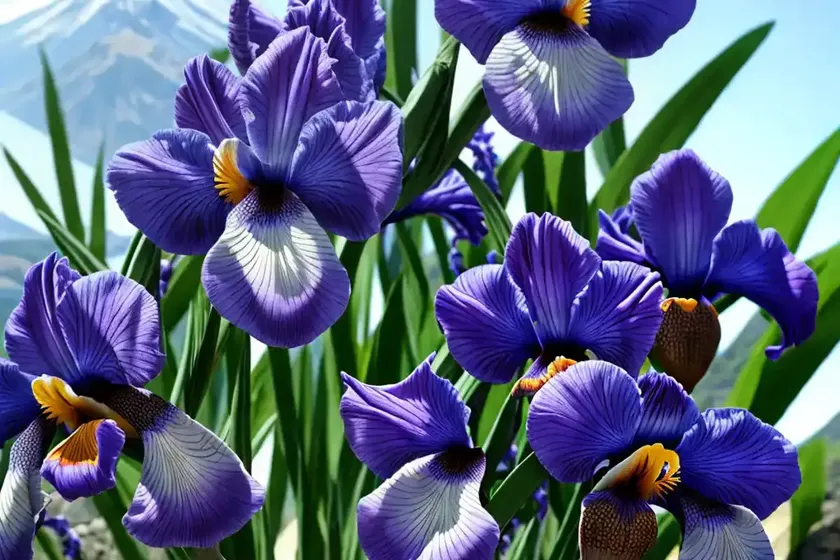
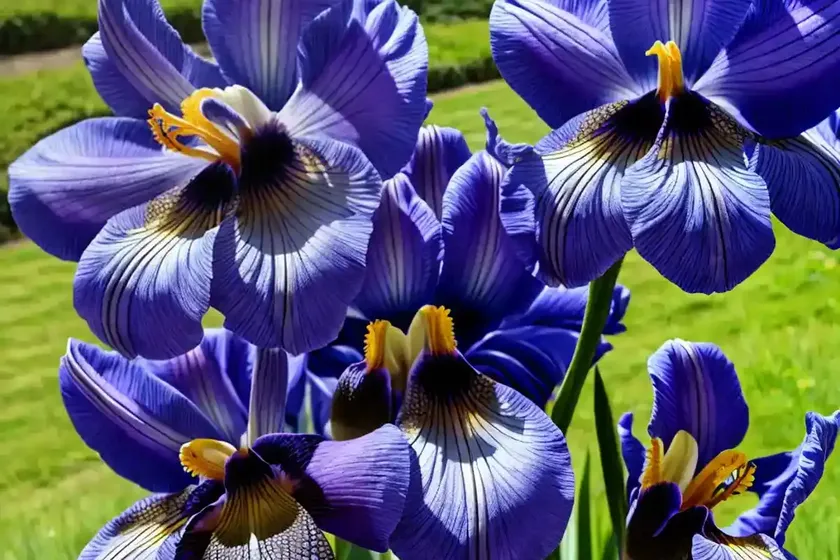
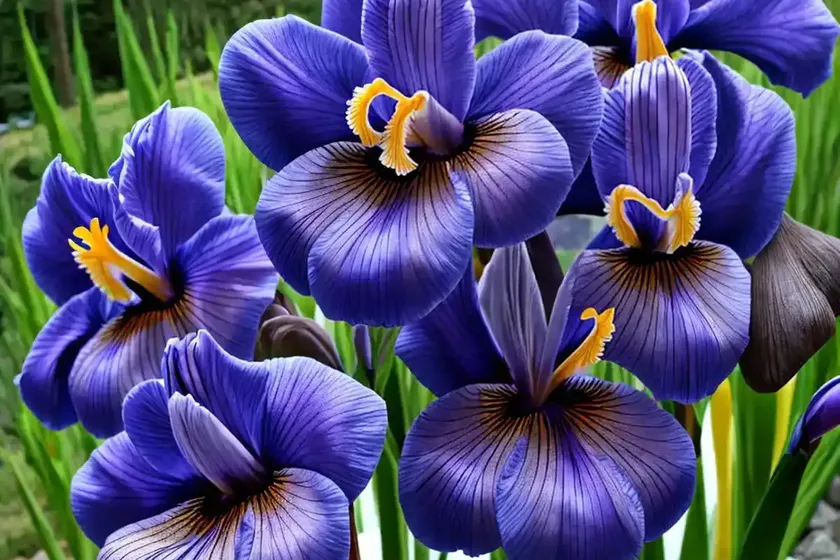
Iris ensata ‘Alpine Majesty’, commonly known as Japanese Iris, is a stunning perennial plant known for its captivating blooms and graceful foliage. In this comprehensive guide, we will delve into the details of this elegant plant, covering its culture, uses, water and sunlight requirements, fertilizer needs, soil preferences, pruning techniques, propagation methods, container gardening, diseases, common pests, and essential tips for successful cultivation. Additionally, we will explore the popularity of Iris ensata ‘Alpine Majesty’, its common diseases, diagnosis, and various botanist’s tips. Furthermore, we’ll uncover fun facts about this enchanting plant and provide links to external resources for further exploration.
What is Iris ensata ‘Alpine Majesty’ (Japanese Iris)?
Iris ensata ‘Alpine Majesty’ is a cultivar of Iris ensata, a species of iris native to Japan and Eastern Asia. Renowned for its stunning flowers and striking appearance, this perennial plant belongs to the Iridaceae family and typically thrives in damp or wet conditions, making it an excellent choice for water gardens or moist areas of the landscape.
The ‘Alpine Majesty’ variety is celebrated for its large, deep purple, beardless blooms that unfurl in late spring to early summer, bringing a touch of elegance and vibrancy to the garden. With its upright growth habit and sword-shaped green foliage, Iris ensata ‘Alpine Majesty’ adds a captivating vertical dimension to garden spaces.
Now, let’s delve into the nitty-gritty details of cultivating and caring for this mesmerizing plant.
Key Takeaways – Iris ensata ‘Alpine Majesty’ (Japanese Iris)
Before we proceed further, here’s a quick overview of the key takeaways we’ll explore in this guide:
Culture
- Understanding the cultural requirements of Iris ensata ‘Alpine Majesty’ for successful growth and bloom development.
Uses
- Exploring the versatile uses of Japanese Iris ‘Alpine Majesty’ in garden landscapes and floral arrangements.
Water
- Delving into the water requirements and optimal watering practices for ensuring the health and vigor of Iris ensata ‘Alpine Majesty’.
Sunlight
- Shedding light on the sunlight preferences and positioning considerations for cultivating this iris variety.
Fertilizer
- Uncovering the essential fertilizer needs and feeding schedule for promoting robust growth and prolific blooming.
Soil
- Understanding the soil preferences and ideal soil conditions for Iris ensata ‘Alpine Majesty’ to thrive.
Pruning
- Exploring the best pruning techniques and timing for maintaining the plant’s health and enhancing its visual appeal.
Propagation
- Learning about the various propagation methods and techniques suitable for multiplying Japanese Iris ‘Alpine Majesty’.
Container
- Discovering the potential of container gardening with Iris ensata ‘Alpine Majesty’ and the key considerations for success.
Popularity
- Diving into the popularity of Japanese Iris ‘Alpine Majesty’ and its allure in garden and landscape designs.
Common Diseases
- Identifying the common diseases that may affect Iris ensata ‘Alpine Majesty’ and effective strategies for diagnosis and management.
Disease Diagnosis
- Understanding the symptoms and diagnostic measures for addressing potential diseases in Japanese Iris ‘Alpine Majesty’.
Common Pests
- Recognizing the common pests that may pose a threat to Iris ensata ‘Alpine Majesty’ and implementing pest control measures.
Botanist’s Tips
- Benefiting from expert botanist’s tips and recommendations for successful cultivation and care of this captivating plant.
Fun Facts
- Uncovering intriguing and delightful facts about Iris ensata ‘Alpine Majesty’ that showcase its unique characteristics and charm.
Links to External Resources
- Providing valuable references and resources for further exploration and enrichment of knowledge about Japanese Iris ‘Alpine Majesty’.
Now, let’s embark on a detailed journey into the world of Iris ensata ‘Alpine Majesty’ and unravel the secrets to nurturing and appreciating this mesmerizing plant.
Culture
Growing Conditions
Iris ensata ‘Alpine Majesty’ flourishes in moist to wet soil conditions and is an ideal choice for gardens with water features or alongside ponds. It thrives in full sun to partial shade, with the ideal balance often leaning towards at least six hours of direct sunlight per day. When provided with the proper environmental conditions, this captivating plant rewards gardeners with its stunning blooms and lush foliage.
Hardiness
Japanese Iris ‘Alpine Majesty’ is known for its adaptability to various hardiness zones, typically ranging from Zones 4 to 9. It demonstrates resilience to colder temperatures and can be successfully grown in regions with chilly winters.
Watering
The water requirements of Iris ensata ‘Alpine Majesty’ are a crucial consideration for its successful cultivation. Consistent moisture is key to its well-being, and the soil should not be allowed to dry out completely, especially during the active growth and blooming period. While it appreciates moist soil, proper drainage is also essential to prevent waterlogging, particularly in regions with heavy or prolonged rainfall.
Dividing and Transplanting
Over time, Japanese Iris ‘Alpine Majesty’ may benefit from periodic division to promote vigorous growth and maintain its visual appeal. Division can be carried out in early spring or shortly after the flowering period, with the separated rhizomes and roots being replanted in suitable locations. Transplanting should be executed carefully, ensuring that the newly replanted divisions receive adequate moisture and time to establish themselves.
Mulching
The application of mulch around the base of Iris ensata ‘Alpine Majesty’ serves multiple benefits, such as conserving soil moisture, suppressing weed growth, and providing insulation to the roots during temperature fluctuations. Organic mulches, like shredded bark or compost, can be applied in a layer around the plant, ensuring not to smother the rhizomes or crowns.
Companion Planting
Japanese Iris ‘Alpine Majesty’ can be paired with an array of companion plants to create visually captivating and harmonious garden displays. Selecting plants that thrive in moist conditions and complement the colors of the iris blooms can enhance the overall aesthetic appeal of the garden. Suitable companions may include Astilbe, hostas, ferns, and bog-loving ornamental grasses.
Winter Care
In colder regions, providing adequate winter care is essential to safeguard Japanese Iris ‘Alpine Majesty’ from harsh weather conditions. Applying an extra layer of mulch in the fall, after the ground has cooled, can help insulate the plant’s roots and protect it from frost. Additionally, strategically positioning the plant in locations shielded from harsh winds can offer further protection during the winter months.
As we continue our exploration, let’s dive into the specific uses of Iris ensata ‘Alpine Majesty’ and how it can be incorporated into garden landscapes and floral arrangements.
Uses
Garden Landscapes
Iris ensata ‘Alpine Majesty’ serves as a captivating focal point in garden landscapes, offering a vertical element with its tall and graceful blooms that sway gracefully in the breeze. It can be strategically positioned amidst other moisture-loving perennials and ornamental grasses to create dynamic and visually engaging garden displays. Its vibrant blooms and lush foliage add a touch of elegance and allure to water gardens, boggy areas, and perennial borders.
Floral Arrangements
The striking blooms of Japanese Iris ‘Alpine Majesty’ make it a popular choice in floral arrangements, adding a touch of grandeur and sophistication to bouquets and floral compositions. The deep purple flowers can be combined with contrasting hues or paired with complementary shades to create captivating floral designs suitable for various occasions and settings. The long, sturdy stems of the iris make it an excellent choice for creating tall arrangements that command attention.
Wetland Restoration
Beyond ornamental use, Iris ensata ‘Alpine Majesty’ plays a vital role in wetland restoration and ecosystem conservation efforts. Its adaptability to moist or waterlogged conditions makes it a valuable component of wetland rehabilitation projects, where it contributes to stabilizing soil, providing habitat for wildlife, and enhancing the biodiversity of wetland ecosystems.
The versatile uses of Iris ensata ‘Alpine Majesty’ demonstrate its significance in both ornamental and ecological contexts, further underscoring its appeal to gardeners and conservationists alike. Now, let’s explore the specific requirements of water, sunlight, and soil for nurturing this captivating plant.
Water
Water Requirements
Iris ensata ‘Alpine Majesty’ exhibits a preference for consistently moist to wet soil, mirroring its natural habitat in boggy areas and along the edges of water bodies. Adequate moisture is vital during the active growth phase and flowering period to support the plant’s development and vitality. While it flourishes in wet conditions, it is essential to avoid waterlogging, as excessively stagnant water can lead to root rot and other detrimental consequences.
Optimal Watering Practices
In regions with regular rainfall, supplemental watering may be necessary during drier spells to ensure that the soil remains consistently moist. When watering, it is important to apply water at the base of the plant to avoid wetting the foliage excessively, which can invite fungal diseases. Using a soaker hose or drip irrigation system can provide controlled and targeted watering, minimizing water wastage and promoting efficient moisture delivery to the roots.
Consideration for Container-Grown Plants
For Iris ensata ‘Alpine Majesty’ cultivated in containers or pots, maintaining proper moisture levels is crucial. The limited soil volume in containers necessitates more frequent monitoring of the soil moisture, especially during hot and dry periods, to prevent the roots from drying out. Adequate drainage in the containers is vital to prevent waterlogging, and the use of saucers to collect excess water should be avoided to prevent water from pooling around the roots.
As we delve into the sunlight requirements, we’ll uncover the ideal positioning considerations for maximizing the growth and blooming potential of Japanese Iris ‘Alpine Majesty’.
Sunlight
Sun Exposure
Japanese Iris ‘Alpine Majesty’ thrives in full sun to partial shade, displaying flexibility in its light requirements. While it can flourish in partial shade, providing at least six hours of direct sunlight daily generally yields the best results in terms of robust growth and prolific blooming. In regions with intense summer heat, providing afternoon shade can help shield the plant from the harsh rays and prevent stress.
Shelter from Intense Afternoon Sun
During periods of scorching summer temperatures, protecting Iris ensata ‘Alpine Majesty’ from prolonged exposure to intense afternoon sun can be beneficial. This can be achieved by planting it in locations where it receives morning sunlight and is shaded during the hotter part of the day. Alternatively, the plant can be shielded from the afternoon sun by taller companion plants or strategically positioned garden structures such as trellises or arbors.
Sunlight for Container-Grown Plants
For Japanese Iris ‘Alpine Majesty’ cultivated in containers, it is important to balance the need for sunlight with the risk of overheating the roots in small, confined spaces. Positioning the containers in locations that receive morning sun and partial shade in the afternoon can provide the plant with the optimal balance of light exposure throughout the day.
Understanding the water and sunlight preferences of Iris ensata ‘Alpine Majesty’ lays the foundation for creating an environment that promotes its health and vitality. Up next, we’ll explore the essential fertilizer needs and soil preferences that contribute to the plant’s growth and blooming potential.
Fertilizer
Nutrient Requirements
Iris ensata ‘Alpine Majesty’ benefits from a well-balanced and moderate feeding regimen to support its growth, flowering, and overall vigor. While it is not excessively demanding in terms of fertilizer requirements, providing a nutrient boost at strategic intervals can enhance its performance and ensure that it produces robust blooms and lush foliage.
Organic Fertilizers
The application of organic fertilizers, such as compost, well-rotted manure, or balanced organic formulations, can serve as a valuable source of nutrients for Japanese Iris ‘Alpine Majesty’. Organic fertilizers contribute to soil health, promote beneficial microbial activity, and gradually release essential nutrients, fostering a sustainable and nourishing environment for the plant.
Timing of Fertilization
The timing of fertilizer application is crucial to the plant’s development, with key feeding periods coinciding with the start of active growth in spring and after the flowering period. By providing a balanced, slow-release fertilizer in early spring and a supplementary feeding after flowering, gardeners can support the plant’s nutrient needs at critical stages of its growth cycle.
Caution with High-Nitrogen Fertilizers
While supplying adequate nutrients is essential, avoiding excessive use of high-nitrogen fertilizers is prudent, as this can encourage excessive vegetative growth at the expense of blooming. Instead, focusing on balanced or low-nitrogen formulations helps promote a healthy balance of stem and leaf development, alongside the production of vibrant flowers.
As we transition to the soil preferences of Iris ensata ‘Alpine Majesty’, we’ll uncover the ideal soil conditions for promoting its growth and vitality.
Soil
Soil Composition
Japanese Iris ‘Alpine Majesty’ thrives in well-draining, organically rich soil with a slightly acidic to neutral pH range. It prefers soil with a loamy texture, offering a balance of moisture retention and drainage, which is crucial for promoting healthy root development and vigor. Additionally, the incorporation of organic matter, such as compost or well-rotted leaf mold, contributes to soil fertility and structure.
Moisture Retention
Given its preference for consistently moist conditions, ensuring that the soil has good moisture retention capabilities is essential for supporting the growth and blooming potential of Iris ensata ‘Alpine Majesty’. Amending the soil with moisture-retentive components, such as peat moss or well-rotted organic matter, can help maintain adequate soil moisture levels and create an optimal growth environment for the plant.
Avoiding Waterlogged Soil
While Japanese Iris ‘Alpine Majesty’ appreciates moist soil, it is crucial to prevent waterlogging, as excessively wet conditions can lead to root suffocation and susceptibility to rot diseases. Ensuring proper soil drainage, especially in areas prone to heavy rainfall, and amending heavy clay soils with organic matter enhances soil structure and reduces the risk of waterlogged conditions.
Testing and Amending Soil pH
Conducting a soil pH test can provide valuable insights into the acidity or alkalinity of the soil, helping gardeners make informed decisions about soil amendments. If the soil pH deviates from the preferred range, adjusting it using suitable amendments can create an optimal growing environment for Iris ensata ‘Alpine Majesty’ and support its nutrient uptake and overall health.
As we’ve explored the foundational elements of water, sunlight, fertilizer, and soil, we’ll now shift our focus to the best practices for pruning, propagation, and container gardening with Japanese Iris ‘Alpine Majesty’.
Pruning
Removal of Spent Blooms
Once the stunning blooms of Iris ensata ‘Alpine Majesty’ have faded, it is beneficial to remove the spent flowers to prevent the plant from expending energy on seed production. By deadheading the flowers, gardeners encourage the plant to focus its resources on new growth and potential reblooming, prolonging the ornamental display throughout the season.
Clean-Up of Foliage
Pruning and tidying the foliage of Japanese Iris ‘Alpine Majesty’ can be carried out as needed, especially to eliminate any damaged or unsightly leaves. This practice improves the plant’s aesthetic appeal and minimizes the risk of fungal diseases caused by decaying foliage. While the foliage generally remains attractive, selective removal of any yellowing or diseased leaves contributes to the plant’s overall health.
Pruning After Flowering
Following the flowering period, Iris ensata ‘Alpine Majesty’ can benefit from a moderate pruning to promote fresh growth and maintain its structural integrity. Trimming back any damaged or excessively long stems and tidying the overall appearance of the plant helps optimize its vigor and enhances its visual appeal for the remainder of the season.
Division and Rejuvenation
Periodic division of established clumps of Japanese Iris ‘Alpine Majesty’ can revitalize the plant and prevent overcrowding in the garden. Dividing the rhizomes every few years, typically in early spring, allows for the renewal of growth and the creation of additional plantings, ensuring the longevity and vitality of the irises in the garden.
Now that we’ve covered the essential pruning techniques, let’s explore the methods of propagation suitable for multiplying the charm of Iris ensata ‘Alpine Majesty’.
Propagation
Division Method
Dividing the established clumps of Iris ensata ‘Alpine Majesty’ presents a straightforward and effective propagation method for multiplying the plant. This process involves carefully lifting the clump, separating the rhizomes, and replanting the divisions in suitable locations. By ensuring that each division possesses healthy roots and viable growth points, gardeners can propagate the plant with a high success rate.
Seed Propagation
While less commonly practiced, propagating Iris ensata ‘Alpine Majesty’ from seeds offers a rewarding and educational experience for gardeners. Collecting mature seeds from the plant’s seed pods and providing them with the appropriate conditions for germination and growth can yield new seedlings with diverse characteristics. However, seed propagation requires patience and dedication, as it typically takes several years for the seedlings to mature and bloom.
Propagation Timing
The ideal timing for dividing or propagating Japanese Iris ‘Alpine Majesty’ is during the plant’s dormant phase, which occurs in early spring or shortly after the flowering period. Performing propagation tasks during this period allows the plant to establish itself in its new location and acclimate to its surroundings before the onset of the active growth period.
Replanting and Establishment
After dividing the clumps or sowing seeds, ensuring that the newly propagated plants receive adequate moisture and care is essential for their successful establishment. Keeping the soil consistently moist and providing protection from intense sunlight or extreme weather conditions supports the acclimation and growth of the propagated iris plants.
As we move forward, we’ll explore the practical aspects of container gardening with Iris ensata ‘Alpine Majesty’ and how it can be incorporated into various garden settings.
Container
Selection of Containers
When cultivating Japanese Iris ‘Alpine Majesty’ in containers, opting for spacious, wide containers with adequate drainage holes is crucial for providing an optimal growing environment. Containers with a depth of at least 12 inches allow for the development of robust root systems, contributing to the overall health and vigor of the plants.
Potting Mix
The selection of a well-draining and moisture-retentive potting mix is essential for ensuring the success of iris cultivation in containers. A high-quality, peat-based potting mix amended with perlite or coarse sand facilitates sufficient drainage while supporting the retention of essential moisture, creating an environment conducive to healthy growth.
Watering Considerations
For container-grown Japanese Iris ‘Alpine Majesty’, consistent monitoring of soil moisture is vital, as the limited soil volume makes the plants more susceptible to fluctuations in water availability. Regular but controlled watering, adjusting according to weather conditions, helps maintain optimal soil moisture levels and prevents the risk of the roots drying out or becoming waterlogged.
Positioning and Sunlight
Positioning the containers in locations that receive ample sunlight, while ensuring protection from intense afternoon sun, fosters robust growth and blooming. By situating the containers in strategic areas that receive sufficient light and are sheltered from harsh weather elements, gardeners create an ideal environment for the containerized iris plants to thrive.
Understanding the intricacies of container gardening with Iris ensata ‘Alpine Majesty’ equips gardeners with the knowledge to incorporate this captivating plant into diverse garden settings and expand its ornamental potential. Now, let’s delve into the popularity of this enchanting iris variety and uncover its allure in garden landscapes.
Popularity
Garden Designs
Japanese Iris ‘Alpine Majesty’ holds an esteemed place in garden designs, adding an exquisite


