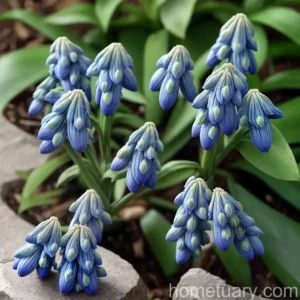
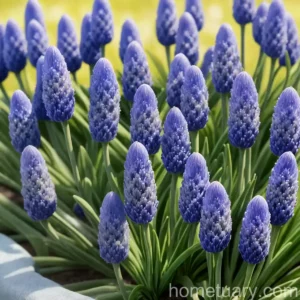
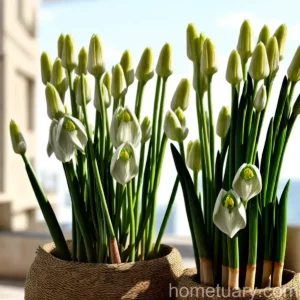
Hyacinthus orientalis ‘Peter Stuyvesant’ (Dutch Hyacinth)
Hyacinths are bulbous, perennial plants that belong to the genus Hyacinthus and the family Asparagaceae. Hyacinths are renowned for their vibrant and fragrant flowers, making them a popular choice for gardens, landscapes, and indoor decor. Among the numerous varieties of hyacinths, the Hyacinthus orientalis ‘Peter Stuyvesant,’ commonly known as the Dutch Hyacinth, is a standout selection due to its captivating characteristics and exceptional blooming qualities.
In this comprehensive guide, we will delve into the world of Hyacinthus orientalis ‘Peter Stuyvesant,’ exploring its cultural requirements, uses, propagation methods, common pests and diseases, as well as essential tips for maintaining and nurturing this splendid plant.
Key Takeaways – Hyacinthus orientalis ‘Peter Stuyvesant’ (Dutch Hyacinth)
Before we embark on our exploration, let’s outline the key takeaways concerning the Dutch Hyacinth, Hyacinthus orientalis ‘Peter Stuyvesant’:
- Plant Name: Hyacinthus orientalis ‘Peter Stuyvesant’ (Dutch Hyacinth)
- Hardiness Zone: 4-8
- Bloom Time: Early to mid-spring
- Sunlight: Full sun to partial shade
- Watering: Moderate
- Soil: Well-draining, fertile soil
- Uses: Borders, containers, cut flowers
- Fertilizer: Balanced fertilizer during the growing season
- Height: 8-10 inches
- Spread: 4-6 inches
- Propagation: Offsets, seeds
- Common Diseases: Botrytis, bacterial soft rot
- Common Pests: Aphids, slugs, snails
Now, let’s explore each of these aspects in detail to gain a comprehensive understanding of the Dutch Hyacinth.
Culture
The cultural requirements of the Dutch Hyacinth play a crucial role in ensuring its vigor, bloom quality, and overall health. Understanding its preferred conditions is essential for successful cultivation and maintenance.
Uses
The Dutch Hyacinth, Hyacinthus orientalis ‘Peter Stuyvesant,’ serves various purposes in horticulture and floristry. Some of its primary uses include:
- Garden Borders: The Dutch Hyacinth adds a splash of color and fragrance to garden borders, creating captivating spring displays.
- Container Planting: Due to its compact size and striking flowers, the Dutch Hyacinth is ideal for container planting, allowing individuals to enjoy its beauty on patios, balconies, or indoor settings.
- Cut Flowers: The fragrant blooms of the Dutch Hyacinth make it a popular choice for floral arrangements and indoor decor, adding a delightful touch of spring to homes and special events.
Water
Proper watering is essential for maintaining the health and vitality of the Dutch Hyacinth. Adequate moisture levels support robust growth and prolific flowering while preventing issues such as bulb rot and dehydration.
- Watering Guidelines:
- Established Plants: Water deeply once a week, ensuring the soil is moist but not waterlogged.
- Potted Hyacinths: Check the moisture levels regularly, watering when the top inch of the soil feels dry.
- Avoid Overwatering: To prevent bulb rot, avoid overwatering, especially during the dormant period.
Sunlight
The Dutch Hyacinth thrives in locations with abundant sunlight, although it can also tolerate partial shade. Providing the right amount of sunlight is crucial for promoting robust flowering and healthy foliage.
- Sunlight Requirements:
- Full Sun: Ideally, the Dutch Hyacinth should receive 6-8 hours of direct sunlight daily for optimal growth and flowering.
- Partial Shade: In warmer regions, partial shade during the hottest part of the day can help prevent heat stress and scorching of the foliage.
Fertilizer
Applying the appropriate fertilizer can enhance the growth and blooming potential of the Dutch Hyacinth. Selecting a balanced fertilizer and timing its application correctly are key factors in supporting the plant’s nutritional needs.
- Fertilization Tips:
- Early Spring: Apply a balanced fertilizer with a higher phosphorus content to promote robust flowering and root development.
- Avoid Excessive Nitrogen: Avoid excessive nitrogen, as it can lead to lush foliage at the expense of flowers.
- Cease Fertilization: Cease fertilization after flowering to allow the plant to naturally enter dormancy.
Soil
The soil composition and quality significantly impact the growth and performance of the Dutch Hyacinth. Well-draining, fertile soil with the appropriate pH level is essential for ensuring optimal growing conditions.
- Soil Requirements:
- Texture: Well-draining loamy or sandy soil is preferred to prevent waterlogging around the bulbs.
- pH Level: A slightly acidic to neutral pH (6.0-7.0) is optimal for healthy growth and nutrient uptake.
- Amendments: Incorporating organic matter such as compost can enhance soil structure and fertility, promoting robust growth.
Pruning
Pruning plays a vital role in maintaining the Dutch Hyacinth’s appearance, managing spent flowers, and promoting bulb development for future seasons. Understanding the appropriate pruning techniques is essential for effective maintenance.
- Pruning Guidelines:
- Deadheading: Remove spent flowers to redirect the plant’s energy into bulb development rather than seed production.
- Foliage Removal: Allow the foliage to yellow and wither naturally before removing it, as it helps replenish the bulb for the next growing season.
Propagation
Understanding the propagation methods of the Dutch Hyacinth enables enthusiasts to expand their plant collection and share the beauty of this exquisite variety with others. Both sexual and asexual propagation techniques can be employed to propagate the Dutch Hyacinth.
- Propagation Techniques:
- Division: Propagate through bulb offsets (small bulblets attached to the main bulb) during the dormant season, ensuring each offset has sufficient root mass for successful establishment.
- Seeds: Collect and sow seeds in a well-prepared seedbed, providing the right conditions for germination and subsequent growth.
Container Popularity
The compact size and stunning blooms of the Dutch Hyacinth make it an immensely popular choice for container gardening. Whether grown indoors or on outdoor patios, the Dutch Hyacinth brings a touch of spring to container displays, captivating viewers with its vibrant flowers and delightful fragrance.
- Container Planting Tips:
- Selecting Containers: Choose well-draining containers with drainage holes to prevent waterlogging.
- Potting Mix: Use a high-quality potting mix with adequate fertility and good drainage for optimal growth.
- Indoor Display: Position containers in bright, indirect light indoors to showcase the plant’s beauty.
Common Diseases and Pest Management
Despite its resilience, the Dutch Hyacinth is susceptible to certain diseases and pests that can affect its vigor and appearance. Recognizing common issues and implementing appropriate management strategies is essential for preserving the health of the plant.
Common Diseases
Several diseases can impact the Dutch Hyacinth, posing potential threats to its growth and blooming capacity. Recognizing the symptoms and understanding preventive measures is crucial for disease management.
- Botrytis (Gray Mold): A fungal disease characterized by grayish mold on flowers and foliage, typically arising in humid conditions.
- Bacterial Soft Rot: Bacterial infection leading to soft, water-soaked lesions on bulbs, causing decay and potential plant loss.
- Preventive Measures: Enhance air circulation, avoid overhead watering, and remove affected plant parts to prevent disease spread.
Disease Diagnosis
Diagnosing diseases affecting the Dutch Hyacinth involves careful observation of symptoms and prompt intervention to mitigate the spread and impact on plant health.
- Symptom Recognition: Look for characteristic signs such as mold growth, wilting foliage, or water-soaked lesions, and identify potential causal agents.
- Laboratory Analysis: In cases of severe or unidentified diseases, seek laboratory analysis for accurate diagnosis and targeted treatment.
Common Pests
Pests can also pose challenges to the Dutch Hyacinth, impacting its foliage, flowers, and overall vigor. Implementing integrated pest management practices is crucial for pest control.
- Aphids: Soft-bodied insects that feed on plant sap, causing distortion of foliage and transmitting viruses.
- Slugs and Snails: Night-active pests that feed on young foliage and flowers, leaving characteristic slime trails.
Pest Management
Effectively managing pests ensures the longevity and vitality of the Dutch Hyacinth, safeguarding it from potential damage caused by insect infestations.
- Cultural Practices: Implement good cultural practices such as sanitation, proper watering, and removing debris to discourage pest infestations.
- Natural Predators: Encourage the presence of natural predators such as ladybugs and predatory beetles to control aphid populations in outdoor settings.
Botanist’s Tips
As plant enthusiasts, incorporating botanist’s tips and insights into our horticultural practices can elevate our understanding and appreciation of the plants we cultivate. Here are some valuable tips for nurturing the Dutch Hyacinth.
- Time for Dormancy: Allow the Dutch Hyacinth to experience dormancy by withholding water and allowing the foliage to naturally wither, preparing it for the next growth cycle.
- Bulb Maintenance: After flowering, allow the foliage to photosynthesize and replenish the bulb for at least six weeks before removing it, promoting healthy bulb development.
- Overwintering Bulbs: In regions with harsh winters, consider lifting and storing bulbs in a cool, dry place to protect them from freezing temperatures.
Fun Facts
Uncover intriguing and captivating facts about the Dutch Hyacinth that highlight its unique characteristics and cultural significance.
- Symbolism: Hyacinths are associated with rebirth and the arrival of spring, symbolizing hope and renewal.
- Fragrance Variability: The fragrance of the Dutch Hyacinth can vary from subtle and sweet to intensely floral, adding to its appeal in gardens and indoor settings.
- Bulb Forcing Tradition: Hyacinth bulbs are often forced indoors in the winter, allowing individuals to enjoy their blooms in the cold season.
Links to External Resources
Explore further insights, tips, and resources related to the Dutch Hyacinth by visiting the following links:
- The Royal Horticultural Society – Hyacinth Care Guide
- University of Florida IFAS Extension – Hyacinth Production Guide
- American Society for the Prevention of Cruelty to Hyacinths – Hyacinth Health and Wellness
- Hyacinth Enthusiasts Forum – Share Your Hyacinth Experiences
In conclusion, the Dutch Hyacinth, Hyacinthus orientalis ‘Peter Stuyvesant,’ stands as a timeless favorite in the realm of spring-flowering bulbs, enchanting enthusiasts with its vibrant blooms and captivating fragrance. By understanding its cultural requirements, propagation techniques, and essential maintenance practices, individuals can cultivate and cherish the allure of this exceptional plant, adding a touch of springtime magic to their surroundings.
By nurturing the Dutch Hyacinth, we embrace the spirit of renewal and celebrate the enduring beauty of nature’s floral treasures.
Note: This comprehensive guide is intended for informational purposes and serves as a tribute to the splendid Hyacinthus orientalis ‘Peter Stuyvesant’ variety, encapsulating the artistry and joy it brings to the world of horticulture and beyond.