Hyacinthus orientalis ‘Delft Blue’ (Dutch Hyacinth): A Complete Guide
Plants not only beautify our surroundings but also have a significant impact on our lives. Whether it’s for aesthetics, health, or environmental benefits, plants play an essential role in our ecosystem. In this comprehensive guide, we will delve into the captivating world of Hyacinthus orientalis ‘Delft Blue’, commonly known as the Dutch Hyacinth. From its characteristics and care to its fragrance and historical significance, this plant has a rich tapestry of attributes that make it truly mesmerizing.
What is Hyacinthus orientalis ‘Delft Blue’?
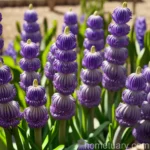
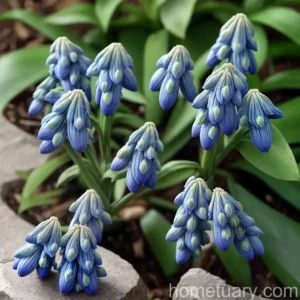
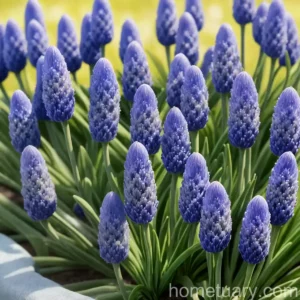
Hyacinthus orientalis ‘Delft Blue’ is a bulbous perennial plant that belongs to the Asparagaceae family. This charming plant is renowned for its fragrant and densely packed flowers, which are a delightful addition to any garden or indoor setting. The ‘Delft Blue’ variety is particularly distinctive for its vibrant blue flowers, making it a popular choice for gardeners and plant enthusiasts.
Hyacinthus orientalis ‘Delft Blue’ Characteristics
- Scientific Name: Hyacinthus orientalis ‘Delft Blue’
- Common Names: Dutch Hyacinth, ‘Delft Blue’ Hyacinthus
- Family: Asparagaceae
- Native: Mediterranean region
- Color: Blue
- Fragrance: Highly fragrant
- Blooming Season: Spring
- Height: Up to 10 inches
- Hardiness Zone: 4-8
- Lifespan: Perennial
Now that we’ve introduced this exquisite plant, let’s explore its key takeaways.
Key Takeaways – Hyacinthus orientalis ‘Delft Blue’ (Dutch Hyacinth)
1. Culture
Hyacinthus orientalis ‘Delft Blue’ has been valued for centuries for its vibrant blooms and intoxicating fragrance. Cultivating this plant allows for a deeper appreciation of its natural beauty and cultural significance.
2. Uses
The uses of Hyacinthus orientalis ‘Delft Blue’ extend beyond its ornamental value. Its blooms are perfect for cut flower arrangements, adding a touch of elegance and fragrance to indoor spaces.
3. Water
Proper watering is essential for the health and vitality of Hyacinthus orientalis ‘Delft Blue’. Understanding its water requirements is crucial for maintaining its beauty.
4. Sunlight
Sunlight plays a pivotal role in the growth and flowering of Hyacinthus orientalis ‘Delft Blue’. Providing the appropriate light conditions is essential for its overall well-being.
5. Fertilizer
Fertilization can significantly impact the growth and blooming of Hyacinthus orientalis ‘Delft Blue’. Knowing the right fertilization techniques ensures its health and longevity.
6. Soil
The soil provides the foundation for the growth of Hyacinthus orientalis ‘Delft Blue’. Understanding its soil requirements is imperative for successful cultivation.
7. Pruning
Pruning is an essential part of caring for Hyacinthus orientalis ‘Delft Blue’. Proper pruning techniques help maintain its vigor and appearance.
8. Propagation
Understanding how to propagate Hyacinthus orientalis ‘Delft Blue’ enables gardeners to expand their collection and share the beauty of this plant with others.
9. Container
Hyacinthus orientalis ‘Delft Blue’ can thrive in containers, making it a versatile and appealing choice for various gardening settings.
10. Popularity
The popularity of Hyacinthus orientalis ‘Delft Blue’ stems from its stunning blooms and delightful fragrance, making it a beloved choice for gardeners and floral enthusiasts.
11. Common Diseases
Like all plants, Hyacinthus orientalis ‘Delft Blue’ is susceptible to certain diseases. Understanding and preventing these diseases is crucial for its well-being.
12. Disease Diagnosis
Identifying and diagnosing diseases that affect Hyacinthus orientalis ‘Delft Blue’ is essential for implementing effective treatment measures.
13. Common Pests
Pests can pose a threat to the health and vitality of Hyacinthus orientalis ‘Delft Blue’. Recognizing and controlling these pests is integral to its care.
Now, let’s explore each of these key takeaways in detail to gain a comprehensive understanding of how to care for and appreciate Hyacinthus orientalis ‘Delft Blue’.
Hyacinthus orientalis ‘Delft Blue’ Cultivation and Care
Cultivating Hyacinthus orientalis ‘Delft Blue’ is a rewarding experience that offers a delightful array of blooms and a stunning fragrance. Understanding the plant’s specific requirements and characteristics is essential for successful growth and care.
Water
Proper watering is essential for the health and vitality of Hyacinthus orientalis ‘Delft Blue’. Adequate moisture is crucial during its growing and blooming stages. Here are some watering tips for this captivating plant:
- Spring Moisture: During the spring season when Hyacinthus orientalis ‘Delft Blue’ is actively growing and blooming, consistently moist soil is ideal. Ensure that the soil is well-draining to prevent waterlogging, which can lead to root rot.
- Summer Dormancy: As the plant enters its dormancy phase during the summer, reduce watering gradually. Once the foliage starts to yellow and wither, it is an indication that the plant is entering its rest period. At this stage, it is important to withhold watering to allow the bulbs to dry out gradually.
- Fall Preparation: In the fall, as the plant prepares for its next bloom cycle, a light watering can be beneficial. This helps rehydrate the bulbs and initiates the growth of new roots in preparation for the forthcoming blooming season.
- Winter Care: While the bulbs are dormant during winter, it is essential to keep them in a cool, dry environment. Minimal to no watering is necessary during this period, as excessive moisture can lead to bulb rot.
Sunlight
Hyacinthus orientalis ‘Delft Blue’ thrives in full to partial sunlight. Providing the appropriate light conditions is crucial for its growth and blooming. Here are the sunlight requirements for this delightful plant:
- Full Sun: Plant Hyacinthus orientalis ‘Delft Blue’ in a location that receives ample sunlight, ideally at least 6-8 hours of direct sunlight per day. This ensures robust growth and a profusion of blooms.
- Partial Shade: If full sunlight is not available, Hyacinthus orientalis ‘Delft Blue’ can tolerate partial shade. However, it is essential to ensure that it still receives a significant amount of light to support its blooming potential.
Fertilizer
Fertilization can significantly impact the growth and blooming of Hyacinthus orientalis ‘Delft Blue’. Understanding the right fertilization techniques ensures its health and longevity. Here are some essential fertilizer tips:
- Spring Feeding: In early spring, as new growth emerges, apply a balanced, water-soluble fertilizer to provide the necessary nutrients for robust blooming. Look for a fertilizer with equal parts nitrogen, phosphorus, and potassium, such as a 10-10-10 or 5-5-5 formulation.
- Avoid Excessive Fertilization: Over-fertilization can lead to excessive foliage growth at the expense of blooms. It is important to follow the recommended application rates and avoid applying fertilizer directly to the bulbs to prevent potential damage.
Soil
The soil provides the foundation for the growth of Hyacinthus orientalis ‘Delft Blue’. Understanding its soil requirements is imperative for successful cultivation. Here are the ideal soil conditions for this captivating plant:
- Well-Draining Soil: Hyacinthus orientalis ‘Delft Blue’ thrives in well-draining soil to prevent waterlogging, which can lead to bulb and root rot. A loamy, slightly acidic to neutral soil with good drainage is ideal for this plant.
- Amendment: Prior to planting, amending the soil with organic matter such as compost or well-rotted manure can enhance its structure and fertility, providing an optimal growing environment for the bulbs.
Pruning
Pruning is an essential part of caring for Hyacinthus orientalis ‘Delft Blue’. Proper pruning techniques help maintain its vigor and appearance. Here are some pruning tips for this enchanting plant:
- Deadheading Spent Blooms: After the flowers have faded, carefully remove the spent blooms to prevent seed formation and encourage the plant to focus its energy on bulb development and storing nutrients for the following year’s blooms.
- Foliage After Blooming: Allow the foliage to remain intact after blooming, as it continues to photosynthesize and replenish the bulb for the next blooming cycle. Once the foliage turns yellow and withers, it can be gently removed.
Propagation
Understanding how to propagate Hyacinthus orientalis ‘Delft Blue’ enables gardeners to expand their collection and share the beauty of this plant with others. Here are some common propagation methods for this captivating plant:
- Offspring Bulblets: Hyacinthus orientalis ‘Delft Blue’ produces bulblets, which are smaller secondary bulbs that develop alongside the main bulb. These bulblets can be carefully separated from the parent bulb after the foliage has withered and replanted to create new plants.
- Division: Established clumps of Hyacinthus orientalis ‘Delft Blue’ can be divided during their dormant phase, typically in late summer to early autumn. Gently lift the clump, and using a sharp, sterile knife, divide it into smaller sections ensuring each division has a sufficient number of bulbs and root mass to thrive.
Container Gardening
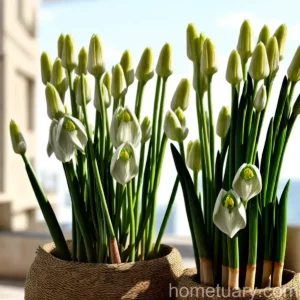
Hyacinthus orientalis ‘Delft Blue’ can thrive in containers, making it a versatile and appealing choice for various gardening settings. Here are some tips for growing this delightful plant in containers:
- Container Selection: Choose a well-draining container with drainage holes to prevent waterlogging. Terra cotta or plastic containers are suitable options for growing Hyacinthus orientalis ‘Delft Blue’.
- Growing Medium: Use a well-balanced potting mix with good drainage, enriched with organic matter. This provides the necessary support and nutrients for the bulbs to thrive.
- Placement: Position the container in a location that receives ample sunlight, and monitor the soil moisture levels to ensure the plant’s needs are met.
Now that we’ve explored the fundamental aspects of cultivating Hyacinthus orientalis ‘Delft Blue’, let’s delve into its popularity and characteristics that make it a beloved choice for gardeners and floral enthusiasts.
Popularity of Hyacinthus orientalis ‘Delft Blue’
The vibrantly hued blooms and intoxicating fragrance of Hyacinthus orientalis ‘Delft Blue’ have garnered significant popularity among gardeners and floral enthusiasts. Its captivating attributes and cultural significance have contributed to its enduring appeal.
Aromatic Elegance
The fragrant blooms of Hyacinthus orientalis ‘Delft Blue’ exude a delightful, sweet scent that permeates the air, adding a touch of aromatic elegance to any outdoor or indoor setting. The allure of its fragrance enhances the overall appeal of this enchanting plant.
Vibrant Blooms
The vibrant blue blooms of Hyacinthus orientalis ‘Delft Blue’ captivate the senses and add a refreshing splash of color to gardens, landscapes, and floral arrangements. The striking floral display of this plant is a testament to its timeless beauty.
Ornamental Value
Beyond its visual appeal, Hyacinthus orientalis ‘Delft Blue’ holds ornamental value with its densely packed blooms and graceful foliage. Its charming presence enhances the aesthetic appeal of any space and brings a sense of natural beauty to the surroundings.
Now that we’ve explored the allure and popularity of Hyacinthus orientalis ‘Delft Blue’, let’s delve into disease management, pest control, and tips for maintaining the health of this captivating plant.
Disease Management and Pest Control
Like all plants, Hyacinthus orientalis ‘Delft Blue’ is susceptible to certain diseases and pests that can impact its health and vitality. Identifying and addressing these challenges is crucial for preserving the beauty and vigor of this captivating plant.
Common Diseases
Hyacinthus orientalis ‘Delft Blue’ is vulnerable to certain diseases, including fungal and bacterial infections that can affect its foliage, blooms, and overall health. Understanding these common diseases is essential for implementing preventive measures and targeted treatments.
- Botrytis Blight: This fungal disease can cause grayish mold to develop on the foliage and blooms, leading to deterioration of the plant. Maintaining proper air circulation and avoiding overhead watering can help prevent botrytis blight.
- Basal Rot: Basal rot, caused by fungal pathogens, affects the base of the plant, leading to decay and wilting of foliage. Planting in well-draining soil and ensuring proper soil moisture can mitigate the risk of basal rot.
Disease Diagnosis
Identifying and diagnosing diseases that affect Hyacinthus orientalis ‘Delft Blue’ is essential for implementing effective treatments. Early detection and intervention are key to addressing plant diseases effectively.
- Visual Symptoms: Regularly inspect the foliage, stems, and blooms for any signs of discoloration, spots, mold, or wilting. Early symptoms can provide valuable insights for prompt diagnosis and treatment.
- Professional Consultation: In cases of uncertain disease symptoms, seek guidance from a plant health professional or local agricultural extension service for accurate diagnosis and treatment recommendations.
Common Pests
Pests can pose a threat to the health and vitality of Hyacinthus orientalis ‘Delft Blue’. Recognizing and controlling these pests is integral to its care and well-being.
- Bulb Mites: These tiny pests can infest the bulbs of Hyacinthus orientalis ‘Delft Blue’, causing damage and hindered growth. Inspect bulbs carefully before planting to detect and address any signs of infestation.
- Slugs and Snails: These mollusks can damage the foliage and blooms of Hyacinthus orientalis ‘Delft Blue’. Implementing cultural controls such as removing debris and creating barriers can help mitigate their presence.
Now that we’ve covered disease management and pest control, let’s explore some additional insights, historical background, and benefits of growing Hyacinthus orientalis ‘Delft Blue’.
Botanist’s Tips and Fun Facts
Gaining insights from botanists and exploring fun facts about plants like Hyacinthus orientalis ‘Delft Blue’ adds a layer of fascination and appreciation for their natural beauty and biological intricacies.
Botanist’s Tips
Botanists offer invaluable insights and guidance for cultivating and caring for plants. Here are some tips from botanists for growing Hyacinthus orientalis ‘Delft Blue’:
- Soil Preparation: Prior to planting, ensure the soil is well-draining and amended with organic matter to provide a fertile and conducive growing environment for the bulbs.
- Fragrance and Pollinators: The alluring fragrance of Hyacinthus orientalis ‘Delft Blue’ not only appeals to humans but also attracts pollinators such as bees and butterflies, contributing to the ecological significance of the plant.
Fun Facts
- Cultural Significance: Hyacinthus orientalis ‘Delft Blue’ has historical and cultural significance, often associated with traditions and symbolism that enrich its narrative and allure.
- Folklore and Symbolism: In folklore and literature, the hyacinth holds symbolic meanings of rebirth, beauty, and the transience of life. Its enduring symbolism adds depth to its enchanting presence.
Links to External Resources
For further exploration and in-depth information about Hyacinthus orientalis ‘Delft Blue’ and other related topics, the following external resources provide valuable insights and guidance:
- Royal Horticultural Society – Hyacinthus orientalis
- University of California Integrated Pest Management – Bulb Mites
- American Society for the Prevention of Cruelty to Animals – Plants Toxic to Animals
- The Spruce – How to Grow and Care for Hyacinth Flowers
As we conclude this comprehensive guide, it is evident that Hyacinthus orientalis ‘Delft Blue’ stands as a remarkable botanical specimen, offering a captivating blend of beauty, fragrance, and cultural significance. With the right care and appreciation for its stunning blooms, this enchanting plant continues to captivate the hearts and gardens of plant enthusiasts worldwide.
In this extensive guide, we have covered the various aspects of Hyacinthus orientalis ‘Delft Blue’, from its cultivation and care to its historical significance and symbolism. The allure of this plant lies not only in its vibrant blooms but also in its rich cultural tapestry, making it a cherished addition to any garden or floral space. Whether you are a seasoned gardener or a passionate plant enthusiast, the Dutch Hyacinth ‘Delft Blue’ is a captivating and rewarding choice for your botanical endeavors.