Hyacinthus orientalis ‘Jan Bos’ (Dutch Hyacinth) Care Guide
Introduction
Hyacinths are a popular spring-flowering bulb plant admired for their vibrant and fragrant blooms. Among the numerous varieties available, the Hyacinthus orientalis ‘Jan Bos’, also known as the Dutch Hyacinth, stands out for its beautiful clusters of colorful flowers and ease of maintenance. In this comprehensive guide, we will delve into the culture, uses, care, and maintenance of the Hyacinthus orientalis ‘Jan Bos’, providing valuable insights for both novice and seasoned gardeners.
What is Hyacinthus orientalis ‘Jan Bos’ (Dutch Hyacinth)?
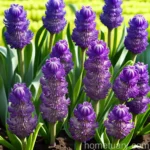
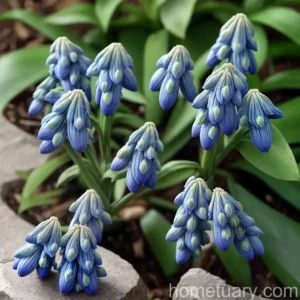
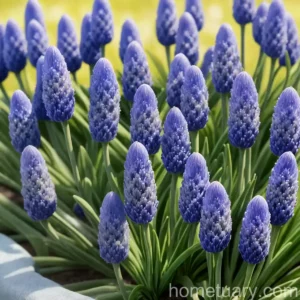
The Hyacinthus orientalis ‘Jan Bos’, commonly referred to as the Dutch Hyacinth, is a perennial bulbous plant that belongs to the Asparagaceae family. Originating from the eastern Mediterranean region and western Asia, this plant has been cultivated for centuries due to its striking appearance and enchanting fragrance. The ‘Jan Bos’ variety is particularly cherished for its dense spikes of vivid, star-shaped flowers that bloom in an array of captivating colors, including deep pink, red, and white.
Key Takeaways – Hyacinthus orientalis ‘Jan Bos’ (Dutch Hyacinth)
- Scientific Name: Hyacinthus orientalis ‘Jan Bos’
- Common Name: Dutch Hyacinth
- Family: Asparagaceae
- Origin: Eastern Mediterranean region and western Asia
- Characteristics: Dense spikes of star-shaped flowers in various colors
Culture
The culture of Hyacinthus orientalis ‘Jan Bos’ encompasses a range of environmental considerations, from water and sunlight requirements to soil preferences and suitable containers. Understanding the optimal culture for this plant is essential to ensure its vigorous growth and prolific blooming.
Uses
The Dutch Hyacinth holds significant ornamental value and is frequently employed for enhancing the aesthetic appeal of gardens, landscapes, and indoor spaces. Its colorful and fragrant blooms make it a popular choice for decorative purposes, including flower arrangements and bouquets.
Water
Proper watering is crucial for the health and vitality of Hyacinthus orientalis ‘Jan Bos’. During the growing season, it is important to maintain consistent moisture in the soil, ensuring that it does not become waterlogged or excessively dry. However, it is equally vital to reduce watering after the blooming period to prevent bulb rot.
Sunlight
The Dutch Hyacinth thrives in areas with full to partial sunlight. Selecting a planting location that receives ample sunlight is integral to promoting robust growth and abundant flowering. Adequate exposure to sunlight also contributes to the development of vibrant flower colors and sturdy stems.
Fertilizer
To support the growth and flowering of Hyacinthus orientalis ‘Jan Bos’, the application of a balanced fertilizer is recommended during the early stages of growth. A slow-release, balanced fertilizer applied to the soil in spring provides the necessary nutrients for the plant’s development. Additionally, a light application of fertilizer after flowering can aid in replenishing the bulb for the following season.
Soil
The Dutch Hyacinth prefers well-draining, fertile soil that is enriched with organic matter. Loamy soil with a slightly acidic to neutral pH level creates an optimal growing medium for this plant. Additionally, the soil should have good aeration to facilitate healthy root development and prevent waterlogging, which can lead to bulb rot.
Pruning
Regular pruning is essential for maintaining the health and appearance of Hyacinthus orientalis ‘Jan Bos’. Pruning practices primarily focus on removing spent flowers and yellowing foliage, as well as managing the overall plant size.
Pruning Techniques
- Deadheading: Upon the completion of the blooming period, promptly remove faded flowers by snipping the spent flower stalks just above the base. This practice prevents the plant from expending energy on seed production and promotes a cleaner appearance.
- Foliage Removal: As the foliage begins to yellow and wither after flowering, carefully trim the leaves back to the base. However, it is important to allow the foliage to remain intact until it naturally turns yellow, as this process allows the bulb to store essential nutrients for the next growing season.
Propagation
Propagation of Hyacinthus orientalis ‘Jan Bos’ can be achieved through several methods, including offsets, bulb division, and seeds. Each approach offers unique benefits and considerations for successfully propagating new plants.
Offsets
During the growth cycle, Hyacinthus orientalis ‘Jan Bos’ produces offsets, also known as bulbils, which are smaller bulbs that develop alongside the main bulb. These offsets can be carefully detached from the parent bulb and replanted in suitable locations to establish new plants. This method allows for the rapid propagation of identical cultivars and contributes to the expansion of Hyacinth displays in gardens and landscapes.
Bulb Division
Dividing mature bulbs is an effective means of propagating Hyacinthus orientalis ‘Jan Bos’ while also renewing the vitality of the plants. To divide bulbs, gently remove the mature bulbs from the soil after the foliage has withered. Then, separate the individual bulbs and replant them in desired areas, ensuring that they receive the necessary care and conditions for successful establishment.
Seeds
While less commonly practiced than bulb division or offsets, propagating Hyacinthus orientalis ‘Jan Bos’ from seeds offers an exciting and rewarding opportunity for gardeners. Seed propagation involves collecting ripe seeds from the plant and sowing them in a well-prepared seedbed. With adequate care and favorable conditions, the seeds will germinate and develop into young Hyacinth plants that can ultimately be transplanted to their permanent growing sites.
Container Gardening
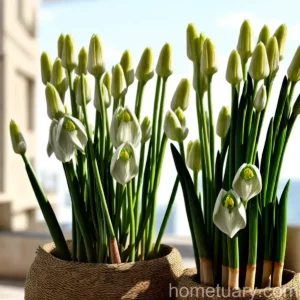
The Dutch Hyacinth thrives in container gardens, offering an enchanting display of vibrant blooms that can be easily enjoyed on patios, balconies, and indoor spaces. When cultivating Hyacinthus orientalis ‘Jan Bos’ in containers, several considerations regarding container selection, planting, and maintenance are instrumental in achieving optimal growth and flowering.
Container Selection
Selecting the right container is crucial for the successful cultivation of Hyacinthus orientalis ‘Jan Bos’. Choose a spacious container with adequate drainage holes to ensure proper water drainage and prevent waterlogging. Additionally, opt for a container that accommodates the growth of the bulb and provides ample room for root development.
Planting
When planting the Dutch Hyacinth in containers, use well-draining potting soil to provide optimal growing conditions. Position the bulb in the container so that it sits just below the soil surface, ensuring that the top of the bulb is slightly exposed. Water the plant thoroughly after planting to initiate root establishment.
Maintenance
Regular maintenance of Hyacinthus orientalis ‘Jan Bos’ in containers involves monitoring soil moisture levels and providing sufficient sunlight for healthy growth. Additionally, occasional fertilization during the growing season can support the plant’s nutritional needs and contribute to the development of robust blooms.
Common Diseases and Pests
Hyacinthus orientalis ‘Jan Bos’ is susceptible to certain diseases and pests that can hinder its growth and diminish its ornamental value. Understanding these potential threats and implementing preventive measures is essential for safeguarding the plant’s health.
Common Diseases
- Botrytis Blight: This fungal disease manifests as brown spots on the foliage and flowers, leading to the rapid deterioration of affected plant parts. To mitigate the risk of botrytis blight, ensure proper air circulation, avoid overhead watering, and promptly remove any diseased plant material.
- Basal Rot: Basal rot, caused by fungal pathogens, affects the base of the plant and leads to the decay of the bulb. Well-drained soil and proper sanitation practices can help prevent this destructive disease.
Disease Diagnosis
Early diagnosis of diseases is crucial for implementing timely treatment measures. Regularly inspect the foliage, stems, and flowers of Hyacinthus orientalis ‘Jan Bos’ for any signs of discoloration, spotting, or abnormal growth. If symptoms of disease are observed, promptly isolate the affected plant and consider applying appropriate fungicidal treatments as recommended.
Common Pests
- Bulb Mites: These tiny pests infest Hyacinth bulbs, causing stunted growth and weakened plants. Inspect bulbs for signs of infestation and consider employing natural pest control methods or horticultural oils to manage bulb mite populations.
- Slugs and Snails: Slugs and snails can feed on the foliage and flowers of Hyacinthus orientalis ‘Jan Bos’, causing unsightly damage. Implementing physical barriers and natural repellents can help protect the plant from these voracious pests.
Botanist’s Tips
As a plant scientist, I have gathered valuable insights and practical tips for successfully growing and caring for Hyacinthus orientalis ‘Jan Bos’. These tips are founded on extensive research and firsthand experience, aiming to support gardeners in achieving optimal results with this captivating plant.
Practical Recommendations
- Plant Bulbs in Clusters: To create a stunning visual impact, plant Hyacinthus orientalis ‘Jan Bos’ bulbs in clusters or groups, allowing their vibrant blooms to complement each other and form a captivating display.
- Provide Adequate Support: As the Dutch Hyacinth produces dense flower spikes, it is beneficial to provide support for the stems to prevent bending or breakage, especially in areas exposed to wind.
- Consider Companion Planting: Pairing Hyacinthus orientalis ‘Jan Bos’ with compatible companion plants, such as early-blooming perennials and spring-flowering bulbs, can enhance the overall aesthetic appeal of the garden and create harmonious plant combinations.
Fun Facts
Exploring the intriguing aspects of Hyacinthus orientalis ‘Jan Bos’ through engaging and fascinating facts adds an element of enjoyment and enrichment to the gardening experience.
Did You Know?
- The captivating fragrance of Dutch Hyacinth blooms has been coveted for centuries, inspiring poets and perfumers with its alluring scent.
- Hyacinthus orientalis ‘Jan Bos’ is renowned for its ability to naturalize, establishing self-sustaining populations over time and enhancing the ecological diversity of naturalized areas.
- The vibrant range of flower colors, including deep pink, red, and white, offers gardeners a diverse palette for creating visually striking displays.
Links to External Resources
For further information on Hyacinthus orientalis ‘Jan Bos’ and related gardening topics, explore the following curated external resources:
- Hyacinthus orientalis ‘Jan Bos’ – Gardening Know How
- Growing Dutch Hyacinths – National Gardening Association
- Hyacinth Care Guide – Royal Horticultural Society
- Spring Bulb Planting and Care – The Old Farmer’s Almanac
- Planting Flower Bulbs in Containers – University of Illinois Extension
In conclusion, the Hyacinthus orientalis ‘Jan Bos’, or Dutch Hyacinth, embodies a delightful blend of visual allure and aromatic charm, making it a cherished addition to spring gardens and landscapes. By adhering to the guidelines and insights presented in this comprehensive care guide, gardeners can cultivate and enjoy the resplendent blooms of this captivating plant while nurturing its health and vitality for seasons to come.