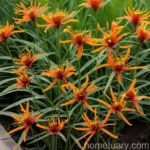
Lycoris albiflora (White Spider Lily) – A Complete Guide
Lycoris albiflora, commonly known as the White Spider Lily, is a striking flowering plant that belongs to the Amaryllidaceae family. It is native to East Asia, particularly in regions of China, Korea, and Taiwan. This perennial plant is prized for its captivating blooms, which add an ethereal charm to gardens and landscapes.
In this comprehensive guide, we will delve into the various aspects of White Spider Lily, including its culture, uses, care requirements, and much more. Whether you’re a novice gardener or a seasoned horticulturist, this guide will equip you with the knowledge and insights needed to cultivate and appreciate the beauty of Lycoris albiflora.
What is Lycoris albiflora (White Spider Lily)?
Lycoris albiflora, also known as the White Spider Lily, is a herbaceous perennial plant characterized by its showy, spider-like white flowers. The plant typically reaches a height of 18-24 inches (45-60 cm) and produces clusters of flowers atop slender, leafless stems. The blooms emerge in late summer to early fall, creating a visually stunning display in the garden.
The genus name “Lycoris” is derived from the Greek word “lykóris,” which is a reference to the mythical sorceress, Circe. The specific epithet “albiflora” is a combination of the Latin words “albus” (white) and “flora” (flower), alluding to the plant’s striking white blossoms.
Key Takeaways – Lycoris albiflora
Before delving into the intricacies of cultivating and caring for Lycoris albiflora, let’s explore the key takeaways associated with this captivating plant.
Culture
- Scientific Name: Lycoris albiflora
- Common Names: White Spider Lily, White Hurricane Lily
- Family: Amaryllidaceae
- Origin: East Asia (China, Korea, Taiwan)
- Type: Perennial Bulbous Plant
Uses
- Ornamental Purposes
- Cut Flower Production
- Landscaping and Garden Design
- Symbolic and Decorative Planting
Water
- Moderate Watering during Active Growth
- Reduced Watering during Dormancy
Sunlight
- Partial Shade to Full Sun Exposure
- Protection from Harsh Midday Sun
Fertilizer
- Balanced Fertilization during Active Growth
- Minimal to No Fertilization during Dormancy
Soil
- Well-Draining, Loamy Soil
- Slightly Acidic to Neutral pH
Pruning
- Removal of Faded Blooms and Yellowing Foliage
- Minimal Pruning Required
Propagation
- Division of Bulbs
- Seed Propagation
Container Popularity
- Suitable for Container Gardening
- Well-Draining Potting Mix Essential
Common Diseases
- Leaf Spot
- Rot Diseases
Disease Diagnosis
- Timely Detection and Treatment Essential
- Proper Sanitation Practices
Common Pests
- Aphids
- Spider Mites
Botanist’s Tips
- Observing Seasonal Growth Cycles
- Providing Adequate Winter Care
- Choosing Appropriate Companion Plants
Fun Facts
- Rich Symbolism in East Asian Culture
- Mythological and Folkloric Significance
- Fascinating Fragrance
With a solid understanding of the key takeaways associated with Lycoris albiflora, let’s now embark on a detailed exploration of each aspect, unraveling the nuances of care, maintenance, and appreciation of this enchanting plant.
Lycoris albiflora (White Spider Lily) Culture
Understanding the cultural requirements of Lycoris albiflora is fundamental to its successful cultivation. By gaining insights into its natural habitat and growth patterns, we can create an environment that fosters optimal growth and flowering.
Natural Habitat and Origin
Lycoris albiflora is indigenous to the woodlands and slopes of East Asia, where it thrives in a temperate climate with distinct seasons. The plant’s natural habitat provides valuable insights into its cultural preferences, aiding in the creation of suitable growing conditions.
Hardiness Zones
USDA Hardiness Zones: 7-10
Lycoris albiflora is well-suited to USDA hardiness zones 7 to 10, indicating its adaptability to a range of climatic conditions. In these zones, the plant can endure moderately cold winters while flourishing in the warmer months of the year.
Uses and Significance
Ornamental Purposes
The primary use of Lycoris albiflora is ornamental, owing to its exquisite flowers and graceful appearance. It is commonly employed in gardens, landscapes, and floral arrangements to lend a touch of elegance and charm.
Cut Flower Production
The striking blooms of Lycoris albiflora make it an ideal candidate for cut flower production. The long, slender stems of the flowers are well-suited for creating captivating floral displays and arrangements.
Landscaping and Garden Design
When strategically incorporated into landscaping and garden design, Lycoris albiflora can add an ethereal touch to outdoor spaces. Its graceful blooms and slender foliage make it a valuable asset in creating visually appealing garden compositions.
Symbolic and Decorative Planting
In East Asian cultures, Lycoris albiflora holds symbolism and significance, often being associated with themes of purity, renewal, and remembrance. Its natural elegance and inherent beauty make it a popular choice for decorative planting in various ceremonial and commemorative settings.
Water
Proper watering practices are crucial for the health and vigor of Lycoris albiflora, ensuring optimal growth and flowering. Understanding the plant’s water requirements throughout its growth cycle is essential for maintaining its well-being.
Watering Needs
-
Active Growth Phase: During the active growing season, Lycoris albiflora benefits from regular, moderate watering. The soil should be kept consistently moist but not waterlogged to support healthy foliage and flower development.
-
Dormancy Period: As the plant enters its dormancy phase, typically after flowering in early fall, the watering frequency should be gradually reduced. During this period, the bulbs are in a state of rest, requiring minimal moisture to prevent rot and decay.
-
Moisture Considerations: While Lycoris albiflora appreciates adequate moisture, it is vital to ensure that the soil has good drainage to prevent waterlogging, which can lead to root and bulb damage.
Sunlight
The sun exposure preferences of Lycoris albiflora play a pivotal role in determining its overall health, blooming frequency, and resilience. Understanding its sunlight requirements is integral to creating an environment conducive to robust growth and floral abundance.
Sunlight Preferences
-
Full Sun to Partial Shade: Lycoris albiflora thrives in locations with ample sunlight, ranging from full sun to partial shade. In regions with hot summers, providing partial shade during the intense midday sun can protect the plant from excessive heat and potential sunburn.
-
Optimal Light Conditions: When grown in full sun, Lycoris albiflora exhibits enhanced flower production, vibrant foliage, and overall vigor. However, it can adapt well to partially shaded areas, making it versatile in various garden settings.
Fertilizer
Appropriate fertilization practices are essential for promoting the growth, blooming, and overall vitality of Lycoris albiflora. Providing the plant with balanced nutrients at the right time is pivotal in ensuring its long-term health and resplendent floral displays.
Fertilization Guidelines
-
Active Growth Phase: During the active growth phase, Lycoris albiflora benefits from regular applications of a balanced, slow-release fertilizer. A general-purpose fertilizer with an N-P-K ratio of 10-10-10 or similar composition can provide the necessary nutrients to support robust growth and flowering.
-
Application Timing: Fertilize Lycoris albiflora in early spring as new growth emerges, and then again after flowering to replenish the bulb’s nutrient reserves. Avoid excessive fertilization, as this can lead to overly lush foliage at the expense of flower production.
-
Dormancy Phase: During the plant’s dormant period, minimal to no fertilization is necessary, as the bulbs are in a state of rest. Resuming fertilization when new growth appears in spring ensures that the plant receives the nutrients needed for the upcoming growing season.
Soil
The soil requirements of Lycoris albiflora are integral to its overall well-being, impacting its growth, blooming, and resilience to environmental stressors. By understanding its preferred soil characteristics, we can create an optimal planting environment for this exquisite plant.
Soil Type
-
Well-Draining Loamy Soil: Lycoris albiflora thrives in well-draining soil with a loamy texture. This soil type facilitates adequate aeration, moisture retention, and root development, contributing to the plant’s overall health and vigor.
-
pH Considerations: The ideal soil pH for Lycoris albiflora ranges from slightly acidic to neutral, typically between 6.0 to 7.0. Ensuring the soil’s pH falls within this range promotes optimal nutrient uptake and physiological processes within the plant.
-
Amendment and Improvement: Amending the soil with organic matter, such as well-rotted compost or aged manure, can enhance its fertility, structure, and moisture-holding capacity, creating an ideal growing medium for Lycoris albiflora.
Pruning
Proper pruning practices are essential for maintaining the aesthetic appeal, vigor, and health of Lycoris albiflora. By adhering to appropriate pruning techniques, we can promote optimal flowering, reduce disease incidence, and enhance the overall beauty of the plant.
Pruning Methods
-
Faded Blooms: As the blooms of Lycoris albiflora fade and wither, it is advisable to remove the spent flower stalks. This not only improves the plant’s appearance but also directs its energy towards bulb development and preparation for the next flowering cycle.
-
Yellowing Foliage: During the plant’s post-flowering phase, the foliage may naturally yellow and senesce. Lightly trimming the yellowing leaves, once they have completely turned yellow, helps maintain the plant’s tidy appearance and prevents the spread of diseases.
-
Minimal Pruning Required: Lycoris albiflora generally requires minimal pruning, as it naturally sheds its foliage during its dormant period. Avoid excessive pruning, especially during the active growth phase, to allow the plant to store energy and nutrients in its bulbs for the next flowering cycle.
Propagation
Propagating Lycoris albiflora allows for the expansion of its presence in gardens and landscapes, as well as the preservation of specific cultivars and varieties. Understanding the propagation techniques and requirements enables horticulturists to propagate new plants successfully.
Methods of Propagation
-
Division of Bulbs: Dividing mature bulbs is the primary method of propagating Lycoris albiflora. This is typically performed during the plant’s dormant phase by carefully detaching and separating the individual bulbs, ensuring that each division retains healthy roots and shoots.
-
Seed Propagation: While less commonly practiced due to the time-intensive nature of the process, Lycoris albiflora can also be propagated from seeds. This method requires patience and dedication, as it may take several years for seed-grown plants to reach flowering maturity.
-
Vegetative Propagation: In addition to bulb division and seed propagation, vegetative techniques such as tissue culture and meristem culture can be employed to propagate Lycoris albiflora, allowing for the rapid production of genetically identical plants.
Container Popularity
Lycoris albiflora’s suitability for container gardening makes it a versatile and adaptable plant for various outdoor and indoor settings. Container cultivation offers flexibility and convenience, allowing individuals to enjoy the beauty of this plant in diverse environments.
Container Gardening Considerations
-
Container Selection: When growing Lycoris albiflora in containers, choose pots or planters with adequate drainage holes to prevent waterlogging and ensure proper soil aeration. Select containers that provide ample space for the plant’s bulbs to expand and grow.
-
Well-Draining Potting Mix: Fill the containers with a well-draining potting mix formulated for bulbs and flowering plants. The potting mix should promote healthy root development and moisture retention without becoming waterlogged.
-
Watering and Sunlight: Container-grown Lycoris albiflora requires regular watering to maintain soil moisture, especially during the active growth phase. Provide the plant with appropriate sunlight exposure, ensuring that it receives adequate light for robust growth and flowering.
-
Winter Protection: In regions with cold winters, providing insulation and protection for container-grown Lycoris albiflora during the dormant period is essential to safeguard the bulbs from freezing temperatures.
Popularity and Garden Usage
Lycoris albiflora’s popularity in gardens and landscapes stems from its timeless beauty, captivating flowers, and ease of cultivation. Understanding its garden usage and strategic placement enhances the visual appeal and ornamental value of outdoor spaces.
Common Garden Uses
-
Border Planting: Lycoris albiflora is often utilized as a border plant to create defined edges and boundaries within garden beds and landscape borders. Its vibrant blooms provide a stunning contrast against lush green foliage, adding a touch of elegance to the garden.
-
Mass Planting: Planted en masse, Lycoris albiflora creates a breathtaking display of white flowers, forming visually striking focal points and accent features within the landscape. Its mass planting offers a captivating spectacle during the flowering season.
-
Mixed Flowerbeds: Pairing Lycoris albiflora with complementary flowering plants adds depth and character to mixed flowerbeds and perennial borders. Consider combining it with plants of varying heights, textures, and colors to create dynamic and harmonious garden compositions.
-
Container Gardens: As a container-friendly plant, Lycoris albiflora thrives in container gardens, lining pathways, adorning patio spaces, and bringing charm to balconies and outdoor living areas. Its adaptability makes it a desirable addition to container plantings.
Common Diseases
Lycoris albiflora, like many ornamental plants, is susceptible to certain diseases that can impact its health and vitality. Identifying and addressing common diseases in a timely manner is crucial to protecting the plant and preserving its ornamental value.
Disease Susceptibility
-
Leaf Spot: Leaf spot diseases, characterized by the presence of discolored lesions on the foliage, can affect Lycoris albiflora, particularly in environments with high humidity and moisture. Fungal pathogens are often responsible for leaf spot infections.
-
Rot Diseases: Excessive soil moisture and poor drainage can lead to rot diseases in the bulbs and roots of Lycoris albiflora. Rot pathogens can cause bulb decay and root damage, compromising the plant’s overall health.
Disease Diagnosis and Management
Timely Detection
- Regularly inspect the foliage, stems, and bulbs of Lycoris albiflora for any signs of disease, including unusual spots, discoloration, wilting, or decay. Prompt identification of symptoms enables early intervention and disease management.
Treatment and Prevention
-
Cultural Practices: Implement cultural practices that promote good air circulation, proper watering, and soil drainage to minimize the risk of disease development. Address any environmental stressors that could compromise the plant’s resistance to diseases.
-
Fungicidal Treatments: When necessary, apply fungicidal treatments to manage leaf spot and rot diseases. Select appropriate fungicides and follow the manufacturer’s recommendations for application timing and dosage to effectively control disease outbreaks.
-
Sanitation Measures: Practice good garden hygiene by removing and disposing of infected plant debris to prevent the spread of diseases. Regularly clean and sterilize garden tools and equipment to minimize disease transmission.
Common Pests
Various pests can pose a threat to the health and vitality of Lycoris albiflora, necessitating proactive pest management strategies to protect the plant from potential infestations and damage.
Pest Vulnerability
-
Aphids: Aphids, small sap-sucking insects, can infest Lycoris albiflora, causing distorted growth, honeydew secretion, and stunted development. Monitoring the plant for aphid populations and implementing control measures is crucial for pest management.
-
Spider Mites: Spider mites, tiny arachnids that feed on plant juices, can affect Lycoris albiflora, leading to stippled foliage, webbing, and diminished plant vigor. Identifying early signs of spider mite infestation enables timely intervention.
Pest Control
-
Natural Predators: Encouraging the presence of beneficial insects and natural predators, such as ladybugs and lacewings, helps control aphid populations and mitigate their impact on Lycoris albiflora.
-
Horticultural Oils and Insecticidal Soaps: When managing aphids and spider mites, horticultural oils and insecticidal soaps can be employed to suffocate and disrupt the pests, reducing their numbers and preserving the plant’s health.
-
Integrated Pest Management (IPM): Adopting an integrated approach to pest management, which combines cultural, biological, and chemical control methods, minimizes the reliance on pesticides and promotes a balanced ecosystem within the garden.
With a comprehensive understanding of Lycoris albiflora’s cultural requirements, disease management, and pest control measures, let’s turn our attention to the insightful tips and botanical insights essential for successfully growing and appreciating this beguiling plant.
Botanist’s Tips
Cultivating and caring for Lycoris albiflora requires a nuanced understanding of its seasonal growth cycles, ecological preferences, and horticultural nuances. The following tips offer valuable guidance for enthusiasts and horticulturists seeking to foster the optimal growth and resilience of this captivating plant.
Observing Seasonal Growth Cycles
-
Active Growth: During the active growth phase, provide Lycoris albiflora with ample moisture, sunlight, and nutrients to support robust foliage and flower development. Vigilantly observe the plant’s growth patterns and respond to its evolving needs accordingly.
-
Dormancy Rest: Respect the plant’s dormancy period by gradually reducing watering and withholding fertilization as the foliage senesces. Allow the bulbs to rest undisturbed, preparing for the upcoming flowering season and replenishing their energy reserves.
-
Transition into Spring: As Lycoris albiflora reemerges from its dormant phase in spring, resume regular care and attentiveness to encourage new growth and flower bud formation. Consistent monitoring facilitates the transition from dormancy to active growth.
Providing Adequate Winter Care
-
Mulching and Insulation: In regions with cold winters, provide a protective layer of mulch over the soil surface to insulate the bulbs and roots of Lycoris albiflora. This protects them from freezing temperatures and minimizes the risk of winter damage.
-
Sheltered Planting Sites: Select planting sites that offer shelter from harsh winter winds and extreme temperature fluctuations. Planting Lycoris albiflora in protected locations enhances its resilience and safeguards it from winter stressors.
-
Container Protection: For container-grown Lycoris albiflora, provide insulation and shelter during winter by relocating the containers to more sheltered areas or providing additional protective coverings during periods of