Hyacinthus orientalis ‘Lady Derby’ (Dutch Hyacinth)
Hyacinthus orientalis ‘Lady Derby’, also known as Dutch Hyacinth, is a delightful and fragrant spring-flowering bulb that adds a burst of color and fragrance to any garden or indoor space. This ornamental garden plant is a member of the asparagus family (Asparagaceae) and belongs to the genus Hyacinthus, which includes several species of spring-blooming bulbs. The ‘Lady Derby’ variety is prized for its stunning, showy flowers and early blooming nature, making it a popular choice among gardeners and plant enthusiasts.
In this comprehensive guide, we will delve into the culture, uses, and care tips for Hyacinthus orientalis ‘Lady Derby’, as well as address common pests and diseases that can affect this beautiful plant. Whether you are a seasoned gardener or just starting your journey with ornamental bulbs, this article will provide you with valuable insights and practical advice for cultivating and enjoying the beauty of Dutch Hyacinth.
Key Takeaways – Hyacinthus orientalis ‘Lady Derby’ (Dutch Hyacinth)
- Scientific Name: Hyacinthus orientalis ‘Lady Derby’
- Common Names: Dutch Hyacinth, Lady Derby Hyacinth
- Family: Asparagaceae
- Type: Spring-flowering bulb
- Characteristics: Fragrant spring flowers, early blooming, showy garden plant
- Uses: Ornamental garden plant, cut flowers, fragrant garden feature
- Growth Requirements: Well-drained soil, ample sunlight, regular watering, proper fertilization
- Propagation: Offsets, seeds
- Common Pests: Aphids, slugs, snails
- Common Diseases: Fungal diseases such as botrytis and basal rot
- Container Compatibility: Suitable for growing in containers
- Popularity: Widely grown in Dutch gardens and popular as a spring garden bulb
Now, let’s explore each aspect of cultivating and caring for Hyacinthus orientalis ‘Lady Derby’ in detail.
Culture
Cultivating Hyacinthus orientalis ‘Lady Derby’ successfully requires understanding its specific cultural needs and growth requirements. By providing the right conditions, you can ensure that this charming spring bulb thrives and produces an abundance of fragrant flowers. Here are the key cultural considerations for this plant:
Water
Hyacinthus orientalis ‘Lady Derby’ prefers moderate watering, especially during its active growth and blooming period. The soil should be kept consistently moist but not waterlogged, as excessive moisture can lead to rotting of the bulbs and root system. However, it is essential to avoid allowing the soil to dry out completely, as this can stress the plant and affect its flowering performance.
During dry periods, particularly in the growing season and when the weather is warm, regular watering is crucial to support the plant’s overall health and vitality. When watering Hyacinthus orientalis ‘Lady Derby’, aim to keep the soil evenly moist by providing deep, thorough waterings rather than frequent shallow watering.
Sunlight
Proper sunlight exposure is vital for the growth and flowering of Hyacinthus orientalis ‘Lady Derby’. This spring-flowering bulb thrives in full sun to partial shade, with at least 6-8 hours of direct sunlight being ideal for optimal flower production. When selecting a planting location, prioritize spots that receive ample sunlight, as this will encourage robust growth and abundant blooms.
In regions with hot climates, providing some protection from intense afternoon sun can be beneficial, as excessive heat and direct sunlight can cause the flowers to fade prematurely and affect the plant’s overall performance. When grown indoors, place potted Hyacinthus orientalis ‘Lady Derby’ in bright, indirect light to mimic its preferred outdoor growing conditions.
Fertilizer
Fertilizing Hyacinthus orientalis ‘Lady Derby’ is essential for promoting healthy growth, robust flowering, and the development of strong bulbs. Before planting the bulbs, incorporate a balanced, slow-release fertilizer into the soil to provide the necessary nutrients for initial establishment and early growth. Additionally, applying a water-soluble fertilizer formulated for flowering bulbs during the growing season can further support the plant’s nutritional needs.
When selecting a fertilizer for Dutch Hyacinth, opt for a product with a balanced NPK (nitrogen, phosphorus, and potassium) ratio, as well as essential micronutrients. Follow the manufacturer’s recommendations regarding application rates and frequency, and avoid overfertilizing, as excessive nutrients can lead to lush foliage at the expense of flowers.
Soil
Hyacinthus orientalis ‘Lady Derby’ thrives in well-draining, fertile soil that is rich in organic matter. When planting Dutch Hyacinth bulbs, ensure that the soil is loose, aerated, and has good drainage to prevent waterlogging, which can lead to bulb rot and other issues. Additionally, incorporating organic compost or well-rotted manure into the planting area can enhance the soil structure and provide essential nutrients for healthy bulb development.
A slightly acidic to neutral soil pH ranging from 6.0 to 7.0 is suitable for growing Hyacinthus orientalis ‘Lady Derby’, and amending the soil with organic matter can help buffer pH fluctuations and improve overall soil quality. Prior to planting, it is beneficial to perform a soil test to assess the pH and make any necessary amendments to create an optimal growing environment for Dutch Hyacinth.
Pruning
Pruning is an important aspect of caring for Hyacinthus orientalis ‘Lady Derby’ and plays a role in maintaining the plant’s appearance, promoting airflow, and preventing disease. Proper pruning practices can also support the longevity of the bulbs and encourage future flowering. Here are the key pruning considerations for Dutch Hyacinth:
Flower Stem Removal
After the blooming period, it is advisable to remove the spent flower stems of Hyacinthus orientalis ‘Lady Derby’ to prevent seed formation and redirect the plant’s energy back into the bulbs. Use sanitized, sharp pruning shears to carefully snip off the faded flower spikes at the base, taking care not to damage the foliage or surrounding growth.
By deadheading the flowers, you can encourage the plant to conserve its resources and focus on bulb development rather than seed production. Additionally, removing the old flower stalks can improve the overall appearance of the plant and prevent the formation of seedlings, which can compete with the parent bulbs.
Foliage Care
Allow the foliage of Hyacinthus orientalis ‘Lady Derby’ to naturally senesce and yellow after blooming, as this process allows the bulbs to replenish their energy reserves. Refrain from removing the foliage prematurely, as the leaves are essential for photosynthesis and the production of nutrients that are stored in the bulbs for the next growing season.
Once the foliage has completely yellowed and withered, typically several weeks after flowering, you can gently remove the spent leaves by hand or with pruners. Be cautious not to disturb the bulbs or emerging shoots during this process. Proper disposal of the foliage is important to prevent the spread of diseases, and it can be added to a compost pile if free from any signs of disease.
Bulb Division
Over time, Hyacinthus orientalis ‘Lady Derby’ bulbs can multiply and become crowded, resulting in decreased flowering performance and overall vigor. Periodic bulb division is beneficial for rejuvenating the plants, promoting better air circulation, and preventing overcrowding. Division can be done every 3-5 years during the dormant season, typically in late summer to early autumn.
To divide the bulbs, carefully lift the clumps from the ground using a garden fork and separate the individual bulbs, ensuring that each division has its own roots and sufficient energy reserves. Inspect the bulbs for any signs of damage or disease, and discard any unhealthy or nonviable portions. Replant the divisions in prepared soil, spacing them at the recommended distance to allow for future growth and development.
Propagation
Hyacinthus orientalis ‘Lady Derby’ can be propagated through several methods, including offsets and seeds, providing opportunities to expand your plant collection and share this beautiful spring bulb with others. Understanding the propagation techniques for Dutch Hyacinth can empower you to create new plants and enjoy the rewarding process of growing them from their reproductive structures.
Offsets
One of the primary methods of propagating Hyacinthus orientalis ‘Lady Derby’ is by dividing and replanting the offsets, also known as bulblets or daughter bulbs, that develop alongside the parent bulbs. As the plant matures, it produces these smaller bulbs, which can be carefully separated and transplanted to new locations or shared with fellow gardening enthusiasts.
When dividing the bulbs to propagate new plants, ensure that each offset possesses its own root system and a viable growing point. Plant the offsets at the appropriate depth and spacing, and provide them with the same cultural care as mature bulbs to support their establishment and future growth. With proper attention and nurturing, the offsets will develop into mature, flowering plants over time.
Seeds
Hyacinthus orientalis ‘Lady Derby’ can also be propagated from seeds, offering an alternative method for generating new plants and introducing genetic diversity. Collecting and sowing seeds from mature flower heads provides an opportunity to observe the complete life cycle of the plant and participate in the fascinating process of seed germination and seedling growth.
To propagate Dutch Hyacinth from seeds, harvest the mature seed pods once they have turned brown and started to split open, indicating that the seeds are ripe. Extract the small black seeds from the pods, and sow them in a prepared seed-starting mix in containers or directly in the garden bed. Keep the soil consistently moist and provide a warm, bright location for germination to occur.
As the seeds germinate and develop into seedlings, continue to care for them by providing adequate water, light, and nutrients to support their early growth. Transplant the seedlings into individual containers or into the garden bed once they have developed several sets of true leaves, ensuring that they are well-acclimated to their new environment.
Container
As a versatile and compact plant, Hyacinthus orientalis ‘Lady Derby’ is well-suited for growing in containers and can be a charming addition to patios, balconies, and indoor spaces. Cultivating Dutch Hyacinth in containers allows for greater flexibility in placement and creates opportunities to showcase its colorful blooms and delightful fragrance in various settings. Here are the essential considerations for growing Hyacinthus orientalis ‘Lady Derby’ in containers:
Container Selection
When selecting a container for growing Dutch Hyacinth, opt for a pot or planter that provides adequate room for the bulbs to establish their root systems and accommodates their growth habit. Choose a container with drainage holes to prevent waterlogging and ensure successful root aeration, which is crucial for the health and vitality of the plants.
Select a container that complements the aesthetic of Hyacinthus orientalis ‘Lady Derby’ and coordinates with your overall design scheme, whether you prefer traditional terracotta pots, decorative ceramic planters, or modern, lightweight containers. Consider the size and weight of the container, especially if you plan to move it or rearrange your outdoor or indoor spaces frequently.
Planting Mix
Use a well-draining, high-quality planting mix specifically formulated for bulbs or container plants when growing Hyacinthus orientalis ‘Lady Derby’ in containers. Avoid using heavy, dense soils or garden soil, as they can impede drainage and negatively impact the overall health and growth of the plants. A premium potting mix enriched with organic matter provides the ideal growing medium for Dutch Hyacinth.
When preparing the planting mix, consider incorporating a slow-release fertilizer or organic amendments to provide essential nutrients for the bulbs throughout the growing season. Select a planting mix that promotes moisture retention while allowing excess water to drain freely, creating a balanced and conducive environment for healthy root development and flower production.
Placement and Care
Place the container-grown Hyacinthus orientalis ‘Lady Derby’ in a location that receives ample sunlight, as this is vital for stimulating robust growth and vibrant flowering. Ensure that the potted plants receive at least 6-8 hours of direct sunlight each day to support their photosynthetic processes and encourage the production of stunning blooms.
Water the container-grown Dutch Hyacinth regularly, keeping the soil consistently moist but not waterlogged. Monitor the moisture levels closely, especially during hot, dry weather, to prevent the soil from drying out and compromising the plants’ health. Avoid overwatering, as this can lead to root rot and other issues associated with waterlogged conditions.
In addition to watering, provide a balanced liquid fertilizer formulated for flowering bulbs according to the manufacturer’s instructions to supply essential nutrients and promote healthy growth. As the flowers develop and open, appreciate the delightful fragrance and captivating beauty of Hyacinthus orientalis ‘Lady Derby’, and consider showcasing the potted plants in prominent locations to enjoy their ornamental value.
Popularity
Hyacinthus orientalis ‘Lady Derby’ is renowned for its widespread popularity and widespread cultivation, particularly in Dutch gardens and landscapes. As a classic spring garden bulb, Dutch Hyacinth has captured the hearts of gardeners and plant enthusiasts with its vibrant color, enchanting fragrance, and early blooming nature. The ‘Lady Derby’ variety, in particular, is cherished for its distinct characteristics and ornamental appeal, contributing to its enduring popularity.
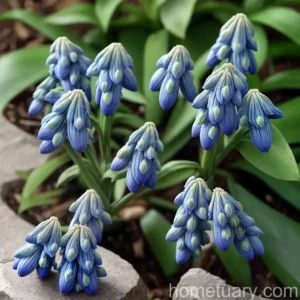
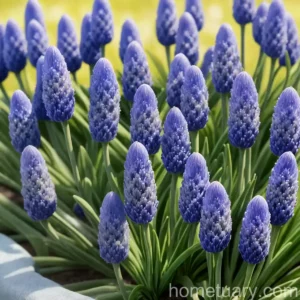
As an integral part of spring garden displays and flower beds, the vibrant purple blooms of Lady Derby Hyacinth create stunning focal points and contribute to the visual tapestry of the landscape. Additionally, Dutch Hyacinth holds significance in garden design and floral arrangements, offering a versatile element for adding color, texture, and fragrance to outdoor and indoor settings.
The popularity of Hyacinthus orientalis ‘Lady Derby’ transcends traditional garden settings, as it is also favored for cut flower arrangements, seasonal decorations, and as a charming accent in container gardens. Its adaptability and striking aesthetic qualities have contributed to its enduring appeal, making it a cherished feature in spring garden landscapes and an essential component of Dutch bulb gardens.
Common Diseases
Hyacinthus orientalis ‘Lady Derby’ is susceptible to certain diseases, particularly fungal infections that can affect its foliage, stems, and bulbs. Understanding the common diseases that can impact Dutch Hyacinth is crucial for early detection, intervention, and effective management to safeguard the health and vitality of the plants. Here are the key diseases that can affect Hyacinthus orientalis ‘Lady Derby’:
Botrytis (Gray Mold)
Botrytis, also known as gray mold, is a fungal disease that can affect Hyacinthus orientalis ‘Lady Derby’, particularly in conditions of high humidity and poor air circulation. The disease presents as grayish-brown lesions on the plant’s foliage, flowers, and stems, often accompanied by a fuzzy gray mold growth. Botrytis thrives in damp environments and can cause significant damage if left unmanaged.
To prevent botrytis on Dutch Hyacinth, optimize growing conditions by providing proper air circulation, spacing plants adequately, and avoiding overhead watering that can create excessively wet foliage. Remove and dispose of any infected plant material promptly to prevent the spread of the disease, and consider applying a fungicidal treatment labeled for botrytis control if the problem persists.
Basal Rot
Basal rot is another common fungal disease that can affect the bulbs of Hyacinthus orientalis ‘Lady Derby’, leading to decay, discoloration, and eventual loss of vigor. The disease often manifests as soft, water-soaked areas at the base of the bulbs, accompanied by a foul odor and deterioration of the root system. Basal rot can be detrimental to bulb health and overall plant survival if not addressed promptly.
To prevent basal rot in Dutch Hyacinth, prioritize planting bulbs in well-draining soil and avoid overwatering or creating excessively wet conditions that are conducive to fungal development. When storing bulbs for future planting, ensure that they are clean, dry, and free from any signs of disease to reduce the risk of introducing pathogens to the garden.
Disease Management
When managing fungal diseases that affect Hyacinthus orientalis ‘Lady Derby’, adopt cultural practices that promote plant health and reduce the risk of infection, such as proper watering, adequate spacing, and removal of plant debris. Practicing good sanitation by cleaning garden tools, equipment, and containers can also help prevent the spread of pathogens and minimize the likelihood of disease outbreaks.
If fungal diseases persist or become severe, consider using fungicidal treatments labeled for the specific pathogens affecting Dutch Hyacinth, following the instructions and safety precautions provided by the product manufacturer. Additionally, consulting with local horticultural experts or plant health professionals can provide valuable insights and targeted recommendations for managing diseases in ornamental bulbs.
Common Pests
In addition to diseases, Hyacinthus orientalis ‘Lady Derby’ can be vulnerable to attack by various pests that can impact its growth and flowering performance. By monitoring for common pests and implementing effective pest management strategies, you can protect Dutch Hyacinth from potential damage and ensure its continued well-being. Here are the primary pests that can affect Hyacinthus orientalis ‘Lady Derby’:
Aphids
Aphids are small, sap-sucking insects that can infest the foliage, flowers, and tender shoots of Hyacinthus orientalis ‘Lady Derby’, causing stunted growth, distortion of plant tissues, and the development of sticky honeydew. These pests reproduce rapidly and can quickly build up populations that pose a threat to the overall health and vigor of Dutch Hyacinth.
To manage aphids on Dutch Hyacinth, employ natural predators such as ladybugs or lacewings, which feed on the aphids and help control their numbers. Additionally, a strong blast of water from a garden hose can dislodge and remove aphids from the plants, reducing their impact without the need for chemical interventions. If infestations persist, consider using insecticidal soaps or horticultural oils as a targeted, low-impact approach to pest control.
Slugs and Snails
Slugs and snails are common pests that can feed on the foliage and flowers of Hyacinthus orientalis ‘Lady Derby’, leaving behind ragged, irregular holes and damage. Particularly in moist, humid conditions, these pests can become problematic and compromise the ornamental value of the plants, requiring effective management strategies to reduce their impact.
To deter slugs and snails from feeding on Dutch Hyacinth, implement cultural practices such as reducing excess moisture in the growing area, removing debris and hiding spots, and creating physical barriers or deterrents to prevent these pests from accessing the plants. Additionally, using organic slug and snail baits or traps can help control populations and minimize damage to the plants without resorting to chemical pesticides.
Disease Diagnosis
Detecting and diagnosing diseases affecting Hyacinthus orientalis ‘Lady Derby’ is an essential aspect of plant care, as it enables timely intervention and effective management strategies to mitigate the impact of pathogens and safeguard the health of the plants. By observing the symptoms and signs of common diseases, you can identify potential issues and take appropriate measures to address them. Here are the key steps for disease diagnosis in Dutch Hyacinth:
Symptom Identification
Start by closely observing the plants for any abnormal changes in their appearance, including discoloration, lesions, wilting, or other signs of distress. Look for specific symptoms associated with common diseases such as botrytis (gray mold) and basal rot, which can manifest as characteristic patterns of damage on the foliage, stems, and bulbs of Hyacinthus orientalis ‘Lady Derby’.
Examine the leaves, flowers, and bulbs for any unusual discoloration, spots, or growths, and take note of any visible signs such as mold, mildew, or rot. Pay attention to changes in plant behavior, such as reduced vigor, poor flowering, or slow growth, which can indicate underlying health issues that require further investigation.