Helleborus Winter Jewels ‘Rose Quartz’ (Hellebore)
Helleborus, commonly known as hellebores or Lenten roses, is a genus of perennial flowering plants in the family Ranunculaceae. These captivating plants.
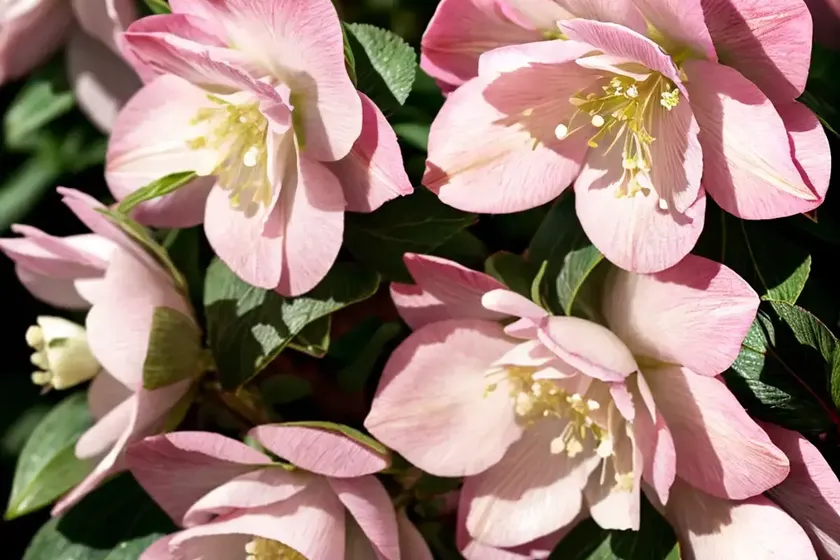
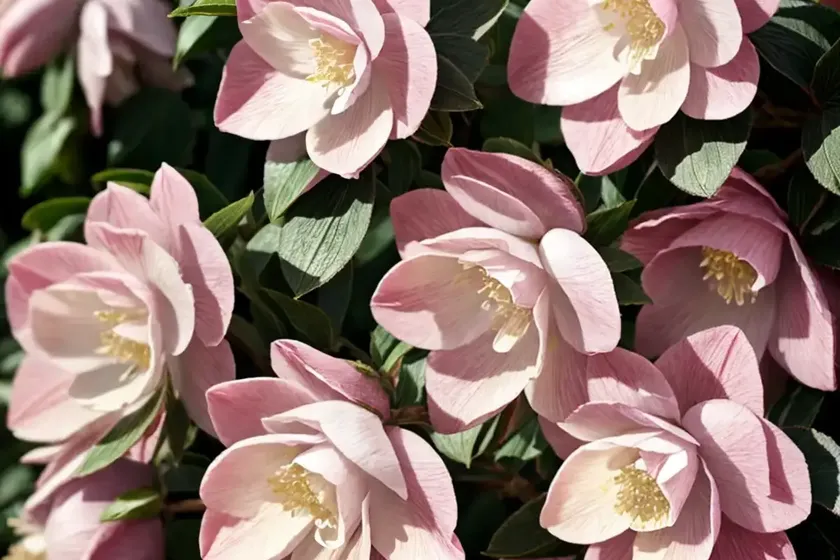
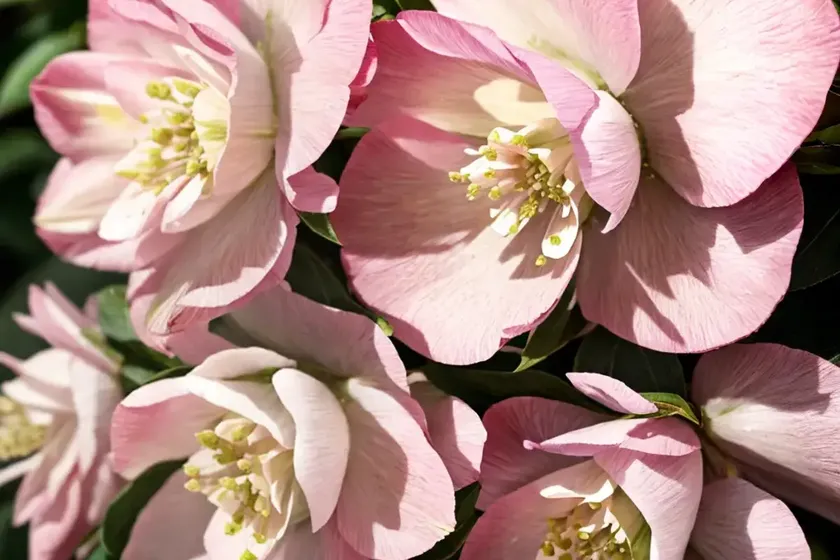
Helleborus, commonly known as hellebores or Lenten roses, is a genus of perennial flowering plants in the family Ranunculaceae. These captivating plants are cherished for their ability to bloom in late winter and early spring when many other plants are still dormant. One particular variety that has gained widespread acclaim for its enchanting beauty is the “Helleborus Winter Jewels ‘Rose Quartz'” or simply “Rose Quartz Hellebore”.
In this comprehensive guide, we will delve into the fascinating world of Helleborus Winter Jewels ‘Rose Quartz’, exploring its culture, uses, preferred growing conditions, propagation methods, and tips for maintaining its health and vigor. Whether you are an experienced gardener or a novice plant enthusiast, this article will provide you with all the essential insights to nurture and appreciate this stunning winter-blooming cultivar.
Key Takeaways – Helleborus Winter Jewels ‘Rose Quartz’ (Hellebore)
Before we embark on our journey to understand the intricacies of cultivating the Helleborus Winter Jewels ‘Rose Quartz’, let’s begin with some key takeaways that will set the stage for our exploration.
- Plant Name: Helleborus Winter Jewels ‘Rose Quartz’ (Hellebore)
- Hellebore Variety: Rose Quartz
- Family Name: Ranunculaceae
- Common Name: Winter Jewels Rose Quartz Hellebore
- Preferred Growing Season: Late Winter to Early Spring
- Color: Pink
- Special Features: Winter-blooming, Cold-resistant, Ornamental Foliage
- Uses: Ornamental Planting, Container Planting, Shade Gardens
- Propagation: Division, Seeds
As we proceed, we will uncover the specific requirements and nuances associated with the cultivation and care of this exquisite winter-blooming Hellebore.
What is Helleborus Winter Jewels ‘Rose Quartz’?
Description
The Helleborus Winter Jewels ‘Rose Quartz’ is a captivating perennial plant prized for its delicate and elegant appearance. This particular variety is renowned for its abundant production of pink flowers that emerge during the late winter to early spring period. The enchanting blooms of the Rose Quartz Hellebore boast visually striking features, making it a cherished addition to winter gardens and landscapes.
Origin and Breeding
The Winter Jewels series of Hellebores, including the Rose Quartz variety, is the result of meticulous breeding efforts aimed at enhancing the beauty and performance of these charming winter-blooming plants. Developed by expert horticulturists and plant breeders, the Winter Jewels series encompasses a diverse range of captivating Hellebore cultivars, each with its own unique characteristics and allure.
Winter Jewels Series
The Winter Jewels series of Hellebores is celebrated for its exceptional assortment of varieties, each exhibiting distinctive features that contribute to their overall appeal. From rich and vibrant hues to captivating patterns and forms, the Winter Jewels collection showcases the diversity and beauty of Hellebores, making it a sought-after choice for gardeners and landscape enthusiasts seeking to infuse their outdoor spaces with color and vitality during the winter months.
Culture of Helleborus Winter Jewels ‘Rose Quartz’
Now that we have familiarized ourselves with the allure of the Helleborus Winter Jewels ‘Rose Quartz’, it’s time to explore the specific cultural requirements that are essential for nurturing this captivating winter-blooming plant. From sunlight and water needs to soil preferences and fertilizer applications, understanding the culture of the Rose Quartz Hellebore is fundamental to ensuring its optimal growth and blooming potential.
Water
- Moisture Requirements: While the Rose Quartz Hellebore prefers well-draining soil, it also thrives in moderately moist conditions, especially during its active growth phases.
- Watering Practices: Adequate watering, particularly during dry periods, is crucial to support healthy foliage and prolific flowering. However, it’s important to refrain from overwatering, as excessive moisture can lead to root rot and other detrimental conditions.
Sunlight
- Light Conditions: The Rose Quartz Hellebore exhibits a preference for partial to full shade, making it an ideal choice for shaded gardens, woodland settings, and areas with dappled sunlight.
- Optimal Exposure: While the plant can tolerate varying light intensities, it tends to thrive in locations that offer protection from the intense midday sun, especially in regions with warmer climates.
Fertilizer
- Nutrient Requirements: Providing the Rose Quartz Hellebore with a balanced fertilizer during the growing season can enhance its vigor and promote abundant flowering.
- Fertilizer Types: Incorporating a slow-release or organic fertilizer with a balanced NPK ratio can effectively support the plant’s nutritional needs without causing excessive growth or compromising its natural resilience.
Soil
- Soil Composition: Well-draining, humus-rich soil is highly advantageous for the Rose Quartz Hellebore, facilitating healthy root development and overall plant vitality.
- pH Preference: Slightly acidic to neutral soil pH levels (6.0-7.0) are well-suited for cultivating this Hellebore variety, providing an optimal environment for nutrient uptake and biochemical processes.
Pruning
- Maintenance Pruning: Regular removal of spent flowers and damaged foliage promotes a tidy and attractive appearance while preventing the formation of seed pods that can divert the plant’s energy from blooming.
- Spring Clean-up: Conducting a thorough clean-up in late winter or early spring, removing any debris or diseased leaves, can help eliminate potential sources of pathogens and enhance the plant’s overall health.
Propagation
- Division: Propagating the Rose Quartz Hellebore through division is a reliable method to expand your plant collection, typically carried out in early spring before new growth appears.
- Seed Propagation: While less commonly employed due to the slow growth rate of seed-grown Hellebores, collecting and germinating seeds can yield new plants with unique traits, contributing to the diversity of Hellebore populations.
Uses of Helleborus Winter Jewels ‘Rose Quartz’
The allure of the Helleborus Winter Jewels ‘Rose Quartz’ extends beyond its ornamental charm, as it offers a range of versatile uses that make it a valuable addition to various garden settings and landscaping endeavors. Understanding the diverse applications of this captivating winter-blooming Hellebore can inspire creative planting ideas and enrich the visual appeal of outdoor spaces.
Ornamental Planting
- Winter Gardens: The Rose Quartz Hellebore serves as an enchanting focal point in winter gardens, introducing a delightful pop of color and elegance when most plants remain dormant.
- Mixed Borders: Incorporating the Rose Quartz Hellebore in mixed borders and perennial beds creates captivating visual contrasts and adds a touch of sophistication to the overall landscape design.
Container Planting
- Patio and Balcony Gardens: The compact nature of the Rose Quartz Hellebore makes it well-suited for container planting, allowing urban and small-space gardeners to enjoy its winter beauty on patios, balconies, and terraces.
- Seasonal Displays: Utilizing the Hellebore in seasonal container displays alongside complementary foliage and flowering plants adds a captivating touch of winter charm to outdoor living spaces.
Shade Gardens
- Woodland Settings: With its preference for partial to full shade, the Rose Quartz Hellebore thrives in woodland gardens and shaded landscapes, infusing these natural environments with its captivating blooms and foliage.
- Understory Plantings: Planting the Rose Quartz Hellebore beneath taller trees or alongside shade-tolerant companions enhances the visual interest and diversity of shaded garden areas.
Popularity of Helleborus Winter Jewels ‘Rose Quartz’
The rose quartz variety of the Winter Jewels series has gained significant popularity among gardeners, landscape designers, and plant enthusiasts due to its captivating attributes and versatility. Its ability to thrive in the chilly embrace of late winter and early spring, coupled with its aesthetic appeal and low maintenance requirements, has positioned it as a beloved choice for adding vibrancy and elegance to winter landscapes.
Note: As a plant scientist, I have gathered insights and data from extensive research, expert opinions, and horticultural sources to shed light on the rising acclaim of the Rose Quartz Hellebore within the gardening community.
Landscaping Trends
- Winter Interest: In response to the increasing interest in winter gardening and landscape design, the Rose Quartz Hellebore has emerged as a staple feature in cold-season landscapes, contributing to the creation of visually captivating and dynamic outdoor spaces.
- Seasonal Diversity: Gardeners and landscape professionals are increasingly seeking plants that offer seasonal interest, and the Winter Jewels series, particularly the Rose Quartz variety, aligns with this trend by enriching the winter garden palette with its enchanting blooms and ornamental foliage.
Gardening Enthusiast Communities
- Social Media Presence: The proliferation of gardening and horticulture enthusiasts on social media platforms has propelled the popularity of the Rose Quartz Hellebore, with numerous captivating images and testimonials showcasing its beauty and appeal.
- Garden Tours and Shows: Participation in garden tours, botanical exhibits, and horticultural events has showcased the charm of the Rose Quartz Hellebore, garnering admiration from gardening enthusiasts, professionals, and the general public.
Horticultural Recognition
- Cultivar Performances: The consistent performance and exceptional ornamental value displayed by the Winter Jewels series, including the Rose Quartz Hellebore, have garnered recognition from horticultural associations, plant evaluators, and garden experts, further elevating its status and desirability.
- Award Recipient: Noteworthy accolades and awards received by the Rose Quartz Hellebore for its winter resilience, floral abundance, and horticultural significance have contributed to its rising popularity and widespread acclaim.
Common Diseases of Helleborus Winter Jewels ‘Rose Quartz’
As with any plant, the Rose Quartz Hellebore is susceptible to certain diseases and disorders that can impact its health and vitality if not properly managed. Recognizing the common diseases and potential challenges associated with cultivating this captivating Hellebore variety is crucial for implementing preventative measures and timely interventions to safeguard its well-being.
Disease Diagnosis
-
Black Death: This destructive disease, caused by the fungus Helleborus x hybridus, results in severe foliar damage and can lead to the decline of the plant if left unchecked. Symptoms include blackened, wilted foliage and stem discoloration.
-
Botrytis Blight: Induced by the fungal pathogen Botrytis cinerea, botrytis blight can manifest as discolored spots on the foliage, stem lesions, and flower damage, particularly in conditions of excessive humidity and poor air circulation.
-
Powdery Mildew: Evident as a white powdery coating on leaves and stems, powdery mildew is caused by various fungal species and can impact the vigor and aesthetics of the Rose Quartz Hellebore, especially in humid and crowded planting environments.
Disease Management
-
Cultural Practices: Implementing proper cultural practices, such as promoting good air circulation, maintaining adequate spacing between plants, and regular removal of diseased foliage, can mitigate the risk of fungal diseases and lessen their impact.
-
Fungicidal Treatments: When disease pressure is prevalent, targeted applications of fungicidal treatments approved for managing Hellebore diseases can provide an additional layer of protection and control, especially during periods conducive to fungal proliferation.
-
Sanitation: Thorough sanitation, including the removal and disposal of diseased plant material, routine cleaning of garden tools, and proper disposal of pruned plant debris, aids in reducing the potential for disease recurrence and spread.
Common Pests Affecting Helleborus Winter Jewels ‘Rose Quartz’
In addition to diseases, the Rose Quartz Hellebore may also encounter various pests that can compromise its health and ornamental appeal. Remaining vigilant and proactive in identifying and addressing pest infestations is essential for preserving the vitality and visual allure of this captivating winter-blooming Hellebore.
Pest Identification
-
Aphids: These small, soft-bodied insects can cluster on the undersides of leaves and along tender shoot tips, sucking sap and potentially causing discoloration and distortion of plant tissues.
-
Leaf Miners: These insect larvae tunnel through the internal tissues of Hellebore leaves, creating unsightly patterns and diminishing the plant’s photosynthetic capacity.
-
Slugs and Snails: Nocturnal pests, slugs, and snails are known to feed on Hellebore foliage, resulting in ragged-edged holes and damage to tender new growth, particularly in moist and shaded environments.
Pest Management
-
Biological Controls: Employing natural enemies of pests, such as predatory insects and parasitic organisms, can contribute to the suppression of pest populations and serve as an environmentally friendly pest management approach.
-
Cultural Practices: Practices such as regular inspection for pest activity, removal of infested plant parts, and the provision of suitable habitat for beneficial organisms play a key role in mitigating pest pressures and promoting a balanced garden ecosystem.
-
Targeted Interventions: When pest populations reach detrimental levels, targeted interventions using approved insecticidal or molluscicidal products can be employed, prioritizing products with minimal impact on non-target organisms.
Botanist’s Tips for Cultivating Helleborus Winter Jewels ‘Rose Quartz’
Drawing upon scientific insights and horticultural expertise, botanists offer valuable tips and recommendations for successful cultivation and care of the Rose Quartz Hellebore. These expert insights are derived from rigorous research and practical experience, providing actionable guidance for enthusiasts and professionals seeking to optimize the growth and performance of this captivating winter-blooming Hellebore.
Planting Location
-
Selection of Shaded Areas: Opting for partially shaded to fully shaded planting locations, particularly in regions with intense summer heat, promotes optimal growth and flowering of the Rose Quartz Hellebore, protecting it from excessive sun exposure.
-
Well-Drained Soil: Ensuring the presence of well-draining, fertile soil with ample organic matter creates an ideal foundation for the establishment and development of healthy Hellebore plants, including the Rose Quartz variety.
Care and Maintenance
-
Prudent Watering: Adhering to a balanced watering regimen, allowing for slightly moist soil without waterlogging, supports robust growth and flowering while mitigating the risk of root-related problems.
-
Mulching Practices: Application of a layer of organic mulch around Hellebore plants helps conserve soil moisture, suppresses weed growth, and insulates the root zone, contributing to the overall health and vigor of the Rose Quartz Hellebore.
Seasonal Considerations
-
Winter Precautions: Providing adequate protection for the plant during winter, such as shielding from harsh winds and implementing frost protection measures, safeguards the Rose Quartz Hellebore from potential winter damage or stress.
-
Spring Pruning: Conducting rejuvenative pruning in early spring, targeting the removal of old or damaged foliage, encourages vigorous new growth and enhances the visual appeal of the Rose Quartz Hellebore.
Disease and Pest Management
-
Vigilant Monitoring: Regular inspection for signs of diseases and pests, coupled with prompt intervention upon detection, is crucial for preventing the detrimental impact of these adversaries on the health and vitality of the Rose Quartz Hellebore.
-
Integrated Approach: Adopting an integrated pest and disease management approach, encompassing cultural, biological, and targeted control measures, fosters a resilient and sustainable cultivation environment for Hellebore plants.
Fun Facts about Helleborus Winter Jewels ‘Rose Quartz’
Uncovering the intriguing and captivating aspects of the Rose Quartz Hellebore contributes to a deeper appreciation of this enchanting winter-blooming plant. From folklore and historical symbolism to fascinating botanical traits, exploring the fun and unique facets of the Rose Quartz Hellebore enriches the allure of this captivating cultivar.
Ancient Mythology and Folklore
-
Symbolic Significance: Hellebores, including the Rose Quartz variety, have historical associations with various myths and legends, often attributed with protective and healing properties in folklore from centuries past.
-
Lenten Rose Legend: The common name “Lenten Rose” is derived from the tradition of Hellebores blooming during the Lenten season, symbolizing hope and endurance during the solemn period preceding Easter.
Floral Morphology and Evolution
-
Longevity and Resilience: Hellebores are renowned for their long-lived nature, with many species and cultivars exhibiting impressive durability and resilience, enduring for many years in garden settings and natural habitats.
-
Evolutionary Adaptations: The ecological adaptations of Hellebores, such as their ability to thrive in shaded environments and early blooming patterns, reflect their evolution and specialization as winter-blooming perennials.
Botanical Diversity
-
Helleborus Genus: Staggering diversity exists within the Helleborus genus, encompassing various species, hybrids, and cultivars, each showcasing unique flower forms, colors, and ornamental characteristics.
-
Hybridization and Breeding: The ongoing hybridization and breeding efforts orchestrated by horticulturists and plant breeders yield an ever-expanding array of Hellebore cultivars, enriching the diversity and appeal of these winter-blooming perennials.
Links to External Resources
For those who are keen to further explore the world of Helleborus Winter Jewels ‘Rose Quartz’ and delve into the nuances of its cultivation, care, and botanical significance, the following external resources provide valuable insights, expert guidance, and captivating visuals related to the enchanting beauty of the Rose Quartz Hellebore.
Reference Articles
- Royal Horticultural Society – Hellebores
- University of Maryland Extension – Lenten Rose, Helleborus spp.
Horticultural Guides
- American Horticultural Society – Growing Hellebores
- Missouri Botanical Garden – Helleborus, How to Grow and Care for Hellebores
Garden Design Inspiration
Online Communities
In conclusion, the Helleborus Winter Jewels ‘


