Lantana Montevidensis (Trailing Lantana)
Lantana montevidensis, commonly known as Trailing Lantana, is a delightful and versatile plant that has gained popularity in gardens and landscapes for its.
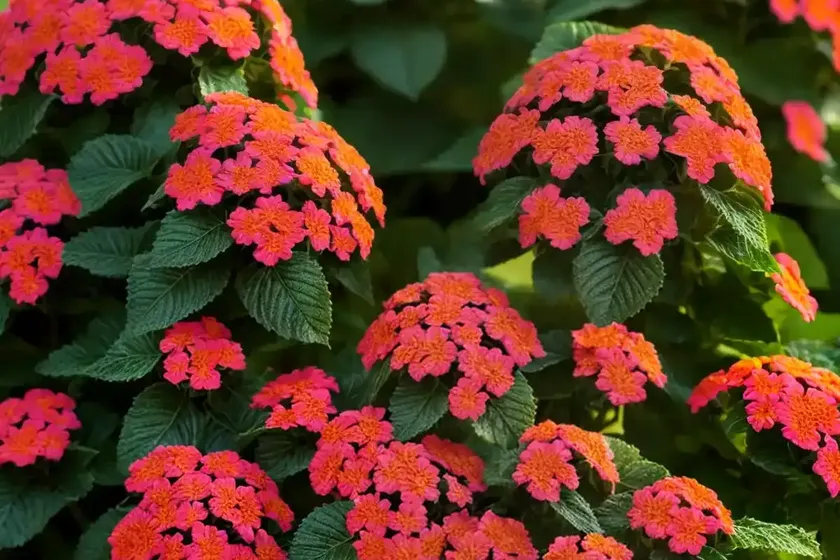
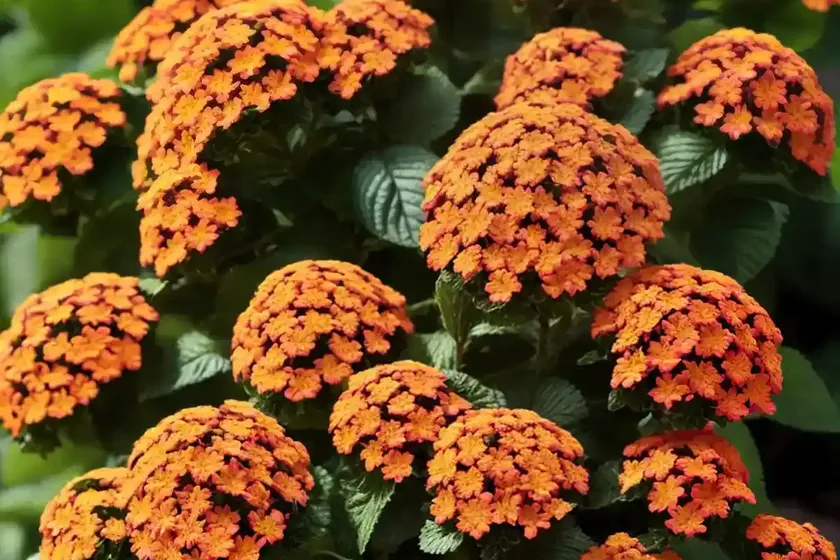

Lantana montevidensis, commonly known as Trailing Lantana, is a delightful and versatile plant that has gained popularity in gardens and landscapes for its colorful flowers, attractive foliage, and low maintenance requirements. As a plant scientist, I am excited to provide you with a comprehensive guide to this beautiful species. In this article, we will explore the characteristics, culture, uses, propagation, common diseases, and much more about Lantana montevidensis. Whether you are a professional landscaper, a gardening enthusiast, or someone looking to enhance the beauty of your outdoor spaces, this guide will equip you with the knowledge and insights you need to cultivate and appreciate Trailing Lantana.
What is Lantana montevidensis (Trailing Lantana)?
Lantana montevidensis, a member of the Verbenaceae family, is a trailing perennial plant native to South America, particularly Uruguay and Brazil. It is characterized by its trailing growth habit, making it an excellent choice for ground cover, hanging baskets, containers, and rock gardens. The plant is renowned for the profusion of small, clustered flowers that bloom in a variety of vibrant colors, including shades of pink, purple, yellow, and white.
The trailing stems of Lantana montevidensis can reach lengths of up to 4 feet, creating a cascading effect that adds visual interest to any landscape. The foliage consists of small, ovate, deep green leaves that provide an attractive backdrop for the colorful blooms. In addition to its aesthetic appeal, Trailing Lantana is known for its ability to attract butterflies and other pollinators, making it a valuable addition to pollinator gardens and wildlife-friendly landscapes.
Key Takeaways – Lantana montevidensis (Trailing Lantana)
Before delving into the specific aspects of Trailing Lantana’s culture, uses, and care, let’s highlight some key takeaways about this remarkable plant.
- Trailing Lantana, or Lantana montevidensis, is a trailing perennial that produces an abundance of colorful flowers and attractive foliage.
- This species is well-suited for ground cover, hanging baskets, containers, and rock gardens, thanks to its trailing growth habit.
- The flowers of Lantana montevidensis come in various shades, including pink, purple, yellow, and white, adding a vibrant touch to outdoor spaces.
- Trailing Lantana is not only visually appealing but also serves as a magnet for butterflies, making it an asset to wildlife-friendly landscapes.
Now that we have gained an overview of Lantana montevidensis, let’s explore the specific aspects of its culture, uses, and care that contribute to its popularity and versatility in horticulture.
Culture of Lantana montevidensis
The successful cultivation of Lantana montevidensis relies on an understanding of its cultural requirements, including water, sunlight, fertilizer, soil, and pruning. By addressing these aspects, gardeners and landscapers can create optimal conditions for Trailing Lantana to thrive and express its full beauty.
Water
Trailing Lantana exhibits moderate drought tolerance once established, making it suitable for landscapes with well-drained soils and periodic dry spells. However, during the initial establishment phase and in prolonged periods of drought, it is essential to provide regular watering to ensure adequate moisture for the plant’s root system.
When watering Lantana montevidensis, it is crucial to maintain a balance that prevents waterlogging, as excessively wet conditions can lead to root rot and other detrimental effects. A thorough watering once or twice a week, depending on the climate and soil moisture levels, is generally sufficient for established Trailing Lantana plants. In contrast, newly planted specimens may require more frequent watering to support their root development and overall growth.
Sunlight
Trailing Lantana thrives in full sun to partial shade, making it adaptable to a wide range of light conditions. In optimal growing environments, providing at least 6-8 hours of direct sunlight each day encourages robust growth and profuse flowering. Additionally, exposure to ample sunlight enhances the development of the plant’s trailing habit, allowing it to sprawl gracefully across the landscape or cascade gently from containers and hanging baskets.
When selecting planting locations for Lantana montevidensis, prioritize spots that receive abundant sunlight, especially in regions with cooler climates, as the warmth and light exposure play a vital role in promoting the plant’s overall vigor and flowering performance.
Fertilizer
The nutritional needs of Lantana montevidensis are relatively modest, and excessive fertilization can lead to lush foliage at the expense of abundant flowering. Therefore, a balanced approach to fertilizing Trailing Lantana is recommended to support its overall health and blooming potential.
Prior to planting, amending the soil with organic matter, such as compost or well-rotted manure, can provide a gentle nutrient boost to the planting site while improving soil structure and moisture retention. Once established, applying a slow-release, balanced fertilizer with a formulation such as 10-10-10 or 20-20-20 in spring can help sustain the plant’s growth and flowering throughout the growing season.
It is essential to follow the manufacturer’s recommendations regarding application rates and frequency and avoid excessive use of nitrogen-rich fertilizers, as they can lead to excessive foliar growth and diminished flowering. Regular monitoring of the plant’s response to fertilizer applications can guide adjustments in feeding practices to achieve optimal results.
Soil
Lantana montevidensis thrives in well-drained, moderately fertile soils with a slightly acidic to neutral pH range (6.0-7.5). Soil that is rich in organic matter and provides adequate aeration is particularly beneficial for the establishment and ongoing health of Trailing Lantana. When planting in containers or hanging baskets, a high-quality potting mix with good drainage properties is recommended to promote healthy root development and prevent waterlogging.
Combining garden soil with coarse sand or perlite can enhance the drainage capability of heavy soils, creating an environment that is conducive to the growth and spread of Trailing Lantana. Avoiding waterlogged or excessively compacted soils is essential for preventing root diseases and ensuring the plant’s vitality in various growing situations.
Pruning
Regular pruning plays a significant role in maintaining the attractive appearance and vitality of Lantana montevidensis. By incorporating pruning as part of the plant’s care routine, gardeners can manage its size, shape, and flowering performance while promoting vigorous, branching growth.
Pruning Trailing Lantana is typically performed in early spring, just before the onset of new growth. This practice involves the removal of dead or damaged branches, as well as the trimming back of excessive growth to maintain a compact, well-branched form. Additionally, spent flowers and developing seed heads can be pruned to encourage continuous blooming and prevent self-seeding, especially in regions where Trailing Lantana is considered invasive.
When pruning Lantana montevidensis, it is essential to use clean, sharp pruners to make precise cuts that minimize damage to the plant. Taking care to maintain an open, balanced canopy promotes air circulation and light penetration, reducing the risk of diseases and promoting overall plant health. Carefully observing the natural form and growth habit of Trailing Lantana can guide pruning decisions, ensuring that the plant remains an attractive and well-maintained feature in the landscape.
Uses of Lantana montevidensis
Lantana montevidensis offers diverse and versatile uses in garden and landscape settings, making it a sought-after plant for a range of applications. From ground cover to containers and wildlife habitat enhancement, Trailing Lantana contributes beauty, functionality, and ecological value to outdoor spaces.
Ground Cover
The trailing growth habit of Lantana montevidensis makes it an outstanding choice for ground cover applications, where it can spread gracefully and form a colorful carpet of flowers and foliage. Planting Trailing Lantana on slopes, in rock gardens, and along pathways creates a visually appealing and environmentally friendly ground cover that minimizes soil erosion and adds a vibrant touch to the landscape.
In areas with challenging terrain or difficult-to-maintain slopes, Trailing Lantana provides an effective and low-maintenance solution for establishing ground cover while contributing to the ecological balance through its ability to support pollinators and wildlife.
Containers
Lantana montevidensis is well-suited for cultivation in containers, hanging baskets, and decorative planters, where its trailing stems and colorful blooms can spill over the edges, creating an eye-catching display. Whether used as a standalone feature on patios, balconies, or terraces, or incorporated into mixed container arrangements, Trailing Lantana adds a splash of color and texture to outdoor spaces.
The adaptability of Lantana montevidensis to container culture allows for creative and versatile uses in urban gardens, small courtyards, and other confined areas where traditional ground planting may not be feasible. Its low maintenance requirements and ability to attract butterflies and hummingbirds make Trailing Lantana a popular choice for enhancing the aesthetic and ecological appeal of container gardens.
Wildlife Attraction
The colorful flowers of Lantana montevidensis act as a magnet for butterflies, bees, and other pollinators, contributing to the diversity and vitality of ecological systems in gardens and natural landscapes. By planting Trailing Lantana, gardeners can actively support pollinator populations and create valuable foraging and nectar sources for beneficial insects and wildlife.
Furthermore, the persistent flowering habit of Lantana montevidensis provides sustained visual interest and ecological value, making it an essential component of wildlife-friendly landscapes, pollinator gardens, and habitat restoration projects. Its role in attracting and nourishing butterflies, in particular, underscores its significance in promoting biodiversity and ecological resilience.
Propagation of Lantana montevidensis
The propagation of Lantana montevidensis can be achieved through several methods, including seeds, cuttings, and division. Each approach offers unique benefits and considerations, allowing gardeners to propagate Trailing Lantana successfully to expand its presence in gardens and landscapes.
Seeds
Propagation of Lantana montevidensis from seeds is a straightforward and cost-effective method that allows for the production of a large number of plants. Collecting seeds from mature fruits and allowing them to dry before sowing them in well-prepared seed-starting mix can initiate the germination process. Providing consistent moisture and warmth supports the emergence and early growth of seedlings, which can later be transplanted to their permanent locations in the landscape or containers.
The use of seeds as a propagation method for Lantana montevidensis enables gardeners to introduce new varieties and experiment with hybridization, enriching the diversity and color range of Trailing Lantana in cultivation. Additionally, seeds serve as a valuable means of preserving and sharing the genetic heritage of unique and desirable forms of this species.
Cuttings
Propagation of Lantana montevidensis through stem cuttings offers an efficient and reliable approach to producing uniform and genetically identical plants. Selecting healthy, non-flowering stems and removing them from the parent plant before rooting them in a suitable medium, such as a well-draining potting mix or vermiculite, encourages the development of new roots and shoots.
The use of rooting hormone and consistent moisture levels enhances the success rate of propagation by cuttings, allowing for the rapid establishment of new plants that retain the desirable traits and characteristics of the parent plant. This method is particularly advantageous for producing large numbers of Lantana montevidensis plants with consistent flowering and growth habits for commercial cultivation and landscape design projects.
Division
Division of established Lantana montevidensis plants presents an opportunity to propagate and rejuvenate existing specimens while expanding their presence in the garden or landscape. By carefully dividing the root mass into sections and replanting them in suitable locations, gardeners can create new clusters of Trailing Lantana that establish quickly and grow vigorously.
The division method allows for the redistribution of Lantana montevidensis within the landscape, enabling gardeners to fill in gaps, create new plantings, and rejuvenate mature specimens for enhanced visual impact and ecological benefits. This approach is valuable for maintaining the health and vitality of established Trailing Lantana while multiplying its presence in diverse outdoor environments.
Container Popularity of Lantana montevidensis
The popularity of Lantana montevidensis in container gardening reflects its adaptability, aesthetic appeal, and low maintenance requirements, making it a favored choice for enhancing outdoor living spaces and urban landscapes.
Common Diseases
Like all plants, Lantana montevidensis is susceptible to certain diseases that can impact its health and appearance. Understanding the common diseases associated with Trailing Lantana, along with effective disease management strategies, is essential for promoting the plant’s resilience and longevity in the landscape.
Disease Diagnosis
Several diseases can affect Lantana montevidensis, with some of the common ones including:
-
Powdery Mildew: Powdery mildew manifests as a white, powdery coating on the plant’s leaves, often leading to stunted growth and reduced flowering. This fungal disease thrives in humid conditions and can be managed through proper spacing, adequate airflow, and the application of fungicidal treatments when necessary.
-
Leaf Spot: Leaf spot presents as dark lesions on the foliage, leading to premature leaf drop and diminished aesthetic appeal. Addressing leaf spot involves maintaining good air circulation, avoiding overhead watering, and promptly removing and disposing of infected plant material to prevent the spread of the disease.
-
Root Rot: Root rot, caused by fungal pathogens in waterlogged soils, can lead to the decline and eventual death of Lantana montevidensis. Preventing root rot entails ensuring well-drained soil conditions, proper watering practices, and improving soil structure to facilitate root health and vigor.
-
Botrytis Blight: Botrytis blight appears as brown, necrotic lesions on flowers and foliage, often occurring in overly moist environments. Managing botrytis blight involves promoting proper air circulation, maintaining moderate humidity levels, and utilizing fungicidal treatments as needed to limit the impact of the disease.
Understanding the symptoms and potential causes of these diseases facilitates timely intervention and effective management to protect the health and beauty of Lantana montevidensis in garden and landscape settings.
Common Pests
In addition to diseases, Trailing Lantana can attract certain pests that may compromise its growth and flowering performance. Vigilant monitoring and appropriate pest management measures are crucial for mitigating the impact of these pests and safeguarding the plant’s well-being.
Botanist’s Tips
As a plant scientist, I would like to share some tips for successfully growing and caring for Lantana montevidensis:
- Sunlight: Ensure that Trailing Lantana receives ample sunlight to promote healthy growth and prolific flowering.
- Watering: Strike a balance between providing adequate moisture and preventing waterlogging to support the plant’s vigor and resilience.
- Pruning: Regular pruning encourages branching, controls the plant’s size, and promotes continuous blooming.
- Soil: Choose well-drained, moderately fertile soil to establish optimal growing conditions for Lantana montevidensis.
- Wildlife Attraction: Embrace the role of Trailing Lantana in attracting butterflies and other pollinators in ecological landscape designs.
Fun Facts
As we immerse ourselves in the world of Lantana montevidensis, let’s explore some fun and intriguing facts about this remarkable plant:
- Trailing Lantana is known for its trailing growth habit, making it a popular choice for cascading over walls, containers, and mixed plantings.
- The flowers of Lantana montevidensis change color as they mature, creating captivating clusters with multiple hues on a single plant.
- In addition to attracting butterflies, Trailing Lantana serves as a nectar source for hummingbirds, enhancing the ecological value of gardens and landscapes.
Links to External Resources
To further enrich your knowledge and appreciation of Lantana montevidensis, here are some valuable external resources that provide in-depth information and insights about this species:
- University of Florida, IFAS Extension – Lantana, Lantana spp.
- Missouri Botanical Garden – Lantana montevidensis
- North Carolina State University – Trailing Lantana
- Texas A&M AgriLife Extension – Lantana: A Colorful Asset to Drought-Tolerant Landscapes
By exploring these resources, you will gain a comprehensive understanding of Trailing Lantana and its diverse cultural, ecological, and horticultural attributes.
In conclusion, Lantana montevidensis, or Trailing Lantana, stands as a versatile and captivating plant that has found its place in gardens, landscapes, and ecological designs around the world. Its ability to thrive in diverse environmental conditions, its capacity to attract wildlife, and its visual appeal through colorful flowers and trailing growth make it a valuable addition to horticultural and ecological settings. By embracing the cultural practices, uses, and care tips outlined in this guide, you can confidently cultivate and appreciate the beauty and ecological significance of Lantana montevidensis in your outdoor spaces.
Let the allure of Trailing Lantana inspire you to create vibrant and sustainable landscapes that celebrate the beauty of nature and support diverse ecosystems.
Happy gardening!
In this comprehensive guide to Lantana montevidensis (Trailing Lantana), we have explored various aspects of this remarkable plant, including its culture, uses, propagation, common diseases, and botanist’s tips. By delving into the essential elements of growing and caring for Trailing Lantana, as well as its diverse applications in garden and landscape settings, we aim to equip gardening enthusiasts, landscape professionals, and nature lovers with the knowledge and insights needed to cultivate and appreciate this captivating species. Through a combination of informative content, practical recommendations, and intriguing fun facts, we have endeavored to create a valuable resource that enhances the understanding and appreciation of Lantana montevidensis and its role in promoting biodiversity, beauty, and ecological balance in outdoor environments.


